10 Best Tips to Grow Lotus Plants from Seeds: Expert Advice for Successful Cultivation

Lotus plants add beauty and serenity to water gardens and ponds. These stunning flowers rise above the water on tall stems, creating a magical effect.

Growing lotus from seeds can be a rewarding experience for gardeners of all skill levels.

With the right techniques, anyone can grow lotus plants at home.

Proper seed preparation, soil selection, and water management are key to success when cultivating lotus from seed.

This article will cover the top tips to help you grow healthy lotus plants and enjoy their captivating blooms.

1) Choose Fresh Seeds

Picking the right seeds is key to growing lotus plants. Fresh seeds give the best results.

Look for seeds that are plump and firm. Avoid any that look shriveled or damaged.


MEsay 10Pcs Mixed Color Bonsai Bowl Lotus Live Plants - Pre-Sprouted Water Beauties for Indoor and Outdoor Aquatic Settings

Fresh lotus seeds can be bought from trusted sellers. Some gardeners get them from mature lotus plants. If you harvest your own, make sure the seed pods are ripe.

Good seeds are heavy and sink in water. Light or floating seeds might not grow well.

Soak the seeds in warm water for a day before planting. This helps soften the seed coat.

Fresh seeds sprout faster and have a better chance of growing into healthy plants.

Old seeds may take longer to sprout or might not grow at all. If you’re not sure about the age of your seeds, it’s best to get new ones.

Store unused seeds in a cool, dry place. This keeps them fresh for future planting.

2) Pre-soak Seeds Overnight

Soaking lotus seeds before planting is a crucial step for successful germination. This process helps break the hard outer shell of the seeds and encourages them to sprout faster.

To begin, gardeners should fill a container with warm water. The water temperature should be comfortable to touch, not too hot or cold.

Next, place the lotus seeds in the water. Make sure all seeds are fully submerged. Leave them to soak overnight or for about 24 hours.


12pcs Mixed Pink, Red & Green Color Bowl Lotus Seeds for Planting Beautiful Water Plants for Indoor Bonsai, Outdoor Ponds

During this time, the seeds will absorb water and soften. Some seeds may even start to show small cracks in their shells, which is a good sign.

After soaking, gardeners should check the seeds. Those that have sunk to the bottom are ready for planting. Any floating seeds may need more time to soak.

Soaking seeds before planting can jumpstart their germination process. This method helps wake up dormant seeds and prepares them for growth.

For lotus seeds, this step is especially important. Their hard outer shell can make it difficult for water to penetrate naturally. Soaking helps overcome this barrier.

Once the seeds have been soaked, they should be planted right away. This ensures they remain hydrated and ready to grow in their new environment.

3) Use Warm Water

Warm water is key for growing lotus plants from seeds. The ideal temperature range is between 77°F and 86°F (25-30°C). This warmth helps soften the hard outer shell of the lotus seeds.

Soaking the seeds in warm water promotes germination.

Fill a bowl with warm water and place the lotus seeds in it. Let them soak overnight or for about 24 hours.

After soaking, some seeds may sink while others float. The sunken seeds are usually ready for planting. For floating seeds, gently scratch the surface with sandpaper. This process is called scarification.


Lotus Flower Seeds for Home Planting Ornamental, Mixed Pink & Red Flower, Can Purify Water and Air, Aquatic Plant for Courtyard, Hotel, Goldfish Pond, Water Lily Seeds

When planting, use warm water in the container or pot. This creates the right environment for the seeds to sprout. Keep the water temperature consistent for the best results.

Lotus seeds typically take about 10 days to sprout in warm water.

During this time, make sure the water stays warm. You can use a small aquarium heater if needed.

Remember to change the water every few days to keep it clean. This prevents mold growth and helps the seeds develop properly.

4) Plant in Rich, Heavy Soil

Lotus plants thrive in nutrient-rich, heavy soil. The ideal mix consists of about 60% clay and 40% river sand. This combination provides the perfect balance of nutrients and water retention for lotus growth.

Clay-based soil helps retain water and nutrients, which is crucial for lotus plants.

The heavy texture also helps anchor the roots, preventing the plant from floating away.

When preparing the soil, aim for a depth of at least 2-3 feet. This allows plenty of room for the lotus roots to spread out and establish themselves.

If growing in a container, choose one that is wide and deep enough to accommodate this soil depth.


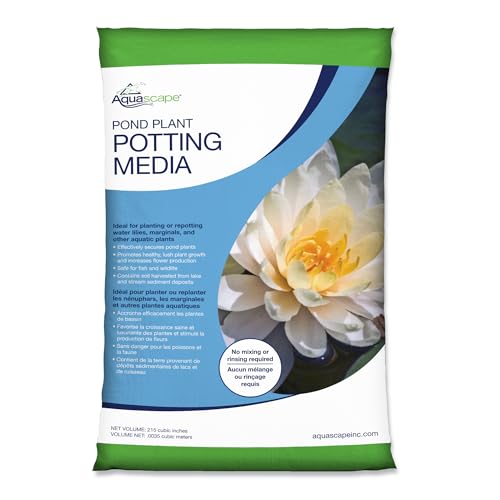
Doter Aquatic Soil for Pond Plants 2.2LBS, Pond Clay Aquarium Soil Suitable for Small Ponds Water Plants Like Lotus, Water Lily, Safe for Fish and Aquatic Life

Adding organic matter like compost to the soil mix can further enrich it with nutrients. This provides a good foundation for healthy lotus growth.

Avoid using regular potting soil, as it’s too light and may cause the plant to float.

For those growing lotus in a pond or water garden, add a layer of soil to the bottom if the existing base isn’t deep enough.

This ensures the lotus has enough substrate to root in and access nutrients.

Remember to avoid soil with chemical fertilizers or pesticides. These can harm the delicate lotus seedlings and potentially contaminate the water.

Instead, stick to natural, organic soil mixes for the best results.

5) Keep Soil Moist

Lotus plants need constant moisture to thrive. They grow in water, so keeping the soil wet is crucial for their survival and growth.

When growing lotus from seed, make sure the soil never dries out. Water the plants regularly to maintain moisture levels.

For potted lotus, fill the container with water until it reaches about 1 inch above the soil surface. This ensures the roots have access to plenty of water.

In outdoor ponds or water gardens, lotus plants naturally receive the moisture they need. However, monitor water levels during dry spells and add water if necessary.

During the growing season, check the soil moisture daily. If the top layer feels dry, it’s time to water.


Natural Lotus Pond Mud for Bonsai Lotus Flower Planting, Garden Nutrient Soil Using for Water Lily and Water Plant, Pond Potting Media for Aquatic Plant (1BAG)

Don’t let the soil dry out completely between waterings.

In winter, reduce watering slightly but don’t let the soil dry out entirely. Lotus plants go dormant but still need some moisture to survive.

Remember, while lotus plants love moisture, they don’t tolerate stagnant water.

Ensure proper circulation to prevent algae growth and maintain plant health.

6) Provide Full Sunlight

Lotus plants thrive in bright, direct sunlight. They need at least 6-8 hours of full sun each day to grow and bloom properly.

Full sunlight is crucial for lotus plants to carry out photosynthesis effectively.

This process allows them to produce the energy they need for healthy growth and flowering.

Place potted lotus plants in a spot that receives unobstructed sunlight for most of the day. A south-facing location often works well in the Northern Hemisphere.

For lotus growing in ponds or water gardens, choose an area without shade from trees or buildings. This ensures the plants get maximum sun exposure throughout the day.

If growing indoors, put lotus containers near large, sunny windows. South-facing windows typically provide the most light.


20 Bonsai Bowl Lotus Seeds (Mixed Color) - Water Lily Flower Plant - Finest Viable Aquatic Water Features Non-GMO Fresh Garden Seeds Home Planting Ornamental

Supplement with grow lights if needed to reach the required 6-8 hours of brightness.

Be cautious about moving lotus plants from low light to intense sun too quickly.

Gradually increase sun exposure over a week or two to prevent leaf burn.

In very hot climates, lotus may benefit from some afternoon shade. This protects them from extreme heat while still providing ample light for growth.

7) Maintain Water Temperature

Lotus plants thrive in warm water. They prefer temperatures between 75°F and 90°F (24°C-32°C) for optimal growth and germination.

Keeping the water temperature stable is key. Sudden changes can stress the plants and slow their development.

In cooler climates, place the container in a sunny spot to help maintain warmth.

Using a thermometer to monitor water temperature is helpful.


30PCS Bowl Lotus Seeds Bonsai Lotus Seeds for Planting Water Lily Flower Aquatic Plants Seeds Pond Plants Non GMO Home Garden Plant Seeds Flowering Aquatic Bonsai Plant (Nelumbo)

If needed, add warm water gradually to raise the temperature. Avoid using very hot or cold water directly on the plants.

In outdoor ponds, the sun usually keeps the water warm enough during summer.

For indoor growing, placing the bowl in a sunny location can help maintain the right temperature.

During colder months, consider using a small aquarium heater. This can keep the water at a steady, warm temperature for the lotus plants.

Remember that warmer water holds less oxygen.

Ensure good water circulation to keep oxygen levels up for healthy root development.

If the water gets too warm, over 90°F (32°C), it can harm the plants. Provide some shade or add cool water slowly to bring the temperature down.

8) Fertilize Every 14 Days

Lotus plants need regular fertilization to grow strong and produce beautiful flowers. Feeding them every 14 days helps maintain their health and vigor.

Choose a fertilizer made for aquatic plants. Look for one with a low phosphorus content, like a 5-10-10 NPK ratio. This balance supports flower production without causing excessive leaf growth.

Apply the fertilizer every two weeks during the growing season.

This usually starts in spring and continues through summer and early fall.

For potted lotus plants, use tablet fertilizers. Push them into the soil near the plant’s roots. The number of tablets depends on the pot size and plant maturity.

Younger plants need less fertilizer. Start with 2-3 tablets for new plants. Increase the amount as the lotus grows larger over time.

Avoid over-fertilizing. Too much can lead to algae growth in the water.

It may also cause the lotus to produce more leaves than flowers.

Stop fertilizing in late fall as the plant prepares for dormancy. Resume feeding in spring when new growth appears.

9) Control Algae Growth

Algae can be a problem when growing lotus plants from seeds. It competes with the lotus for nutrients and can harm the young plants.

One way to control algae is by adding floating plants to the bowl. These plants use up nutrients that algae need to grow.

Changing the water regularly helps prevent algae buildup. Replace about 25% of the water every week to keep it fresh.

Using a small fountain or water circulator can also help. Moving water makes it harder for algae to grow.

Avoid placing the lotus container in direct sunlight all day. Too much sun can encourage algae growth. Provide some shade during the hottest part of the day.

Keep the water level consistent. When water evaporates, algae can grow on exposed surfaces. Top up the water as needed.

Remove any dead leaves or debris from the water promptly. These can decay and feed algae growth.

Consider adding beneficial bacteria to the water. These microorganisms can help balance the ecosystem and reduce algae.

If algae becomes a big problem, you can use algae control products made for ponds. Always choose products safe for aquatic plants and follow the instructions carefully.

10) Protect from Pests

Lotus plants can attract various pests that may harm their growth. Gardeners should regularly check their plants for signs of infestation.

Common pests include aphids, spider mites, and snails. These creatures can damage leaves and flowers, hindering the plant’s development.

To combat aphids and spider mites, use insecticidal soap or neem oil. These natural remedies are effective and safe for the environment.

For snail control, physical barriers like copper tape around pots can deter them. Alternatively, gardeners can handpick snails during evening hours when they’re most active.

Floating row covers can protect young lotus plants from flying insects. These covers allow sunlight and water to reach the plants while keeping pests away.

Maintaining a clean growing area is crucial. Remove dead leaves and debris regularly, as these can harbor pests and diseases.

Introducing beneficial insects like ladybugs can help control pest populations naturally. These predators feed on harmful insects without damaging the lotus plants.

In severe cases, gardeners may need to use chemical pesticides. It’s important to choose products specifically formulated for aquatic plants to avoid harming the lotus or its ecosystem.

Proper plant spacing also helps prevent pest issues. Adequate air circulation between plants makes it harder for pests to spread and thrive.

Understanding Lotus Plant Growth Stages

Lotus plants go through distinct stages as they grow from seeds to mature plants. Each stage has unique characteristics and care requirements.

Seed Germination

Lotus seeds need specific conditions to sprout. They require warm water between 25-30°C (77-86°F) to start the germination process. Before planting, soak the seeds in water for 24-48 hours.

After soaking, gently scratch the seed coat to help water penetrate. This process is called scarification. Place the seeds in a container with water and mud at the bottom.

Keep the container in a warm, sunny spot. Germination usually takes 3-4 days, but can sometimes take up to 2 weeks. During this time, maintain consistent water temperature.

Seedling Development

Once the seeds sprout, tiny leaves will appear on the water’s surface. These first leaves are called cotyledons. They look different from adult lotus leaves.

As the seedling grows, it will develop true leaves. These leaves are round and float on the water. The plant will also start to grow roots into the mud.

During this early growth stage, it’s crucial to keep the water clean. Change it every few days to prevent algae growth. Provide plenty of sunlight, at least 6 hours daily.

Mature Plant Growth

As the lotus matures, it will produce larger leaves and stronger stems. Some leaves will rise above the water on tall stalks. These are called aerial leaves.

The plant will develop a complex root system in the mud. This helps anchor the plant and absorb nutrients. Mature lotuses need deep water, about 6-12 inches.

When the plant is strong enough, it will produce flower buds. These emerge from the water and open into beautiful lotus flowers. Flowers can be various colors, depending on the variety.

Mature lotuses need regular fertilization during the growing season. They also require periodic division to prevent overcrowding and maintain healthy growth.

Optimal Soil and Water Conditions

Lotus plants need the right soil and water to grow well. These factors play a big role in how healthy and strong the plants become.

Soil Composition

Lotus plants grow best in heavy, clay-like soil. This soil holds nutrients well and stays in place underwater. A mix of 60% clay and 40% garden soil works great for lotus containers.

Don’t use regular potting soil. It’s too light and will float away. Loamy soil with organic matter helps feed the plants as they grow.

Add some sand to the mix to improve drainage. This stops the soil from getting too compact. A 2-inch layer of pea gravel on top keeps the soil from floating up.

Water Quality

Lotus plants need clean, warm water to thrive. The water should be at least 70°F (21°C) for best growth. Colder water can slow down or stop plant growth.

Change the water every few days to keep it fresh. This stops algae growth and keeps the plants healthy. Use dechlorinated water if possible. Chlorine can harm young lotus plants.

Water depth matters too. Small lotus types need 4-8 inches of water. Larger types do better with 8-10 inches of water above the soil. Make sure to research your specific lotus variety for the best depth.

Common Challenges and Solutions

Growing lotus plants from seeds can be tricky. Pests and diseases are two main issues that gardeners face. Let’s look at how to tackle these problems.

Pest Control

Aphids often attack lotus plants. These tiny bugs suck sap from leaves and stems. To get rid of them, spray the plants with a strong jet of water. This knocks the aphids off.

For stubborn cases, use insecticidal soap. It’s safe for plants but kills the pests. Apply it in the evening to avoid leaf burn.

Snails and slugs also like lotus plants. They eat holes in the leaves. Put copper tape around pots or use beer traps to catch them. Avoid chemical slug pellets near water.

Fish can nibble on young lotus plants. Use a mesh cover over new plants until they’re big enough to handle fish.

Disease Prevention

Fungal diseases can harm lotus plants. Too much moisture causes these issues. Make sure your lotus gets enough sun. This helps dry out excess water.

Leaf spot is a common fungal problem. It shows up as dark spots on leaves. Remove affected leaves right away. Don’t let them fall in the water.

Root rot happens when soil is too wet. Use the right soil mix to prevent this. A mix of clay and sand works well. It allows good drainage.

Clean tools between plants to stop disease spread. Use a mix of water and bleach to disinfect them.

Check plants often for signs of illness. Catching problems early makes them easier to fix.

Grow Lotus Plants from Seeds

Also, you may like some more articles:

Frequently Asked Questions

Growing lotus plants from seeds requires specific techniques and conditions. These questions address common concerns about cultivating lotus flowers in various settings and seasons.

How can you cultivate lotus flowers successfully in a bowl?

Choose a wide, shallow bowl at least 12 inches across. Fill it with 4-6 inches of heavy soil. Plant the lotus seeds about 1 inch deep. Cover with water and place in a sunny spot.
Keep the water level 2-3 inches above the soil. Change the water weekly to prevent algae growth.

What are the essential steps for growing lotus plants from seeds indoors?

Start by soaking the seeds in warm water for 24-48 hours. File the seed coat gently to help germination.
Plant the seeds in pots with rich, heavy soil. Keep the soil moist and warm. Provide at least 6 hours of direct sunlight daily.

What is the optimal duration for lotus seed germination?

Lotus seeds typically germinate in 5-7 days under ideal conditions. Some may take up to 2 weeks.
Maintain water temperature between 70-80°F (21-27°C) for best results. Be patient, as germination rates can vary.

What techniques are recommended for initiating lotus growth at home?

Scarify or nick the seeds after soaking to improve germination. Use a file or sandpaper to gently scratch the seed coat.
Plant seeds in clay or loamy soil. Keep the soil consistently moist but not waterlogged. Provide ample sunlight and warmth.

During which season is it most favorable to plant lotus seeds?

Spring is the best time to plant lotus seeds. This allows the plants to establish before the peak growing season.
In warmer climates, planting can be done in early summer. Avoid planting in fall or winter when temperatures are too low.

What is the approximate timeframe for a lotus to flower after planting from seed?

Lotus plants grown from seed typically take 2-3 years to produce their first flowers. Some may bloom in their second year under optimal conditions.
Patience is key. Focus on providing proper care and nutrients to ensure healthy growth before flowering.


ZEshops 10pcs Mixed Color Bonsai Bowl Lotus Live Plants Pre-Sprouted - Aquatic Beauties for Indoor and Outdoor Serenity

vegetable garden ideas

10 Vegetable Garden Layout Ideas