The seed packets look so simple on the counter. One for zucchini, one for cucumbers, and just one sunny bed or a couple of big pots to work with. The question that pops up fast is the one you typed into your search bar: can you plant zucchini and cucumbers together, or will that cause trouble in your garden?

Maybe a neighbor has warned that the plants will mix and make strange monster fruits. Maybe you have seen photos of round yellow cucumbers and heard spooky stories about cross-pollination. At the same time, space is tight, and both vegetables are staples in summer meals, so sharing a bed feels very tempting.
This is where solid, science-based advice matters. In this guide from Gardening Elsa, you get clear answers on how zucchini and cucumbers relate botanically, what really happens with pollination, and why spacing and airflow matter so much. You will also see:
- Simple layouts for small gardens and containers
- Companion plants that help protect both crops
- Pest and disease tips that work for both vines
- Harvesting strategies that keep plants producing longer
By the end, you will know exactly how to plan your bed or balcony so zucchini and cucumbers can grow side by side without fighting each other. Whether this is your first food garden or your hundredth, you will walk away with a plan you can trust and put to work right away.
Key Takeaways
- Zucchini and cucumbers never cross with each other. They belong to different plant genera, so pollen is not compatible. Strange fruit shapes come from stress or ripeness, not mixing.
- The real problems start when plants are crowded. They fight for space, light, water, and nutrients, and they share many of the same pests and diseases, so trouble spreads fast.
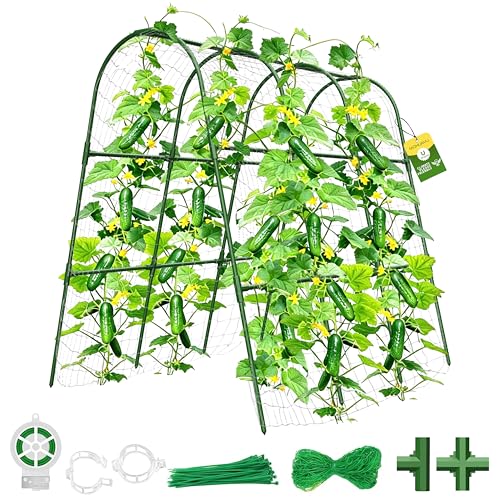
- Vertical gardening on separate trellises is the best friend of a small garden. Vines grow upward instead of sprawling, air moves freely, and fruit stays clean and easy to pick.
- Companion plants such as nasturtiums, marigolds, and borage help a lot. They draw in pollinators, distract pests, and make the whole planting more stable and easier to manage.
- Regular picking keeps both plants productive all season. When you harvest often, the vines keep blooming instead of putting all their energy into a few overgrown fruits.
The Botanical Truth: Can You Plant Zucchini and Cucumbers Together
When you look at the science, the direct answer is yes: you can plant zucchini and cucumbers together as long as you manage space and care wisely. They are close cousins in the gourd family, but not close enough to mix genetics with each other.
Both belong to the family Cucurbitaceae, which also includes pumpkins, melons, and winter squash. Zucchini is a type of summer squash with the botanical name Cucurbita pepo. Cucumbers are Cucumis sativus. That difference in genus matters. Plants from different genera do not cross with each other in a home garden.
Because they are in the same family, zucchini and cucumbers like the same basic growing conditions. They both want:
- Full sun
- Warm soil
- Rich organic matter
- Steady moisture
- Plenty of room for their vines and leaves
They also share many of the same insect pests and fungal diseases, which is where the real challenge starts.
The rest of this guide walks through how to handle growth, pests, and soil so you can grow both crops in the same yard or even the same bed without giving up harvests or losing plants to preventable problems.
The Squomcumber Myth
Gardeners love to tell stories about odd fruits. One of the most common is the so‑called squomcumber or zucucumber, a strange mix that is supposed to appear when you plant zucchini and cucumbers together. The idea is that bees move pollen between the two and the fruits turn into something odd and inedible.
In reality, that is not how pollination works for these plants. Since zucchini and cucumbers sit in different genera, their pollen does not match up at all. A bee can land on both flowers in one trip, but the pollen grains from one plant cannot fertilize the other. There is zero chance of a true hybrid between them in your current crop.
As many seed savers like to say, “Cross-pollination changes the seeds, not the fruit on your plate.”
Even when two compatible squashes cross, the effect shows in the seeds inside the fruit, not in the fruit itself. The fruit on the vine always follows the mother plant. If your fruit looks strange, the real reasons are much simpler:
- It may be overripe.
- It may come from a mislabeled packet such as Lemon Cucumber.
- The plant may have faced heat, uneven watering, or poor pollination.
Cross-pollination between zucchini and cucumbers is never the cause.
Why Planting Them Too Close Together Is Still a Bad Idea
So if cross-pollination is not a concern, why do so many experienced growers warn against planting these two vegetables side by side? The short answer is that they behave like two very hungry, very active roommates in a tiny kitchen. They can share the room, but if you push them together, both will suffer.
Both plants grow fast, send out long vines, and make big leaves that reach for every bit of light. Under the soil, their roots search hard for water and nutrients. Above the soil, the leaves and stems form a thick mass that can trap humidity and shadows. When you pack two heavy feeders with similar needs into one tight spot, problems spread quickly.
To plan your bed well, it helps to look at two main pressure points:
- Simple crowding, where vines and leaves smother each other
- Shared pests, diseases, and nutrient needs, which can turn a small issue into a big one when plants sit too close
Space, Sunlight, and Vine Competition
Zucchini and cucumbers do not stay small for long. Even bush zucchini makes thick stems and wide leaves, and vining zucchini or cucumbers can run many feet in every direction. When they are planted too close, the vines tangle and the leaves pile on top of one another.
This thick mat of growth:
- Blocks sunlight from the lower leaves
- Reduces the plant’s ability to make energy
- Leads to fewer flowers and fewer fruits over the season
Air also moves poorly through a tangled thicket, so leaves stay damp after rain or watering. That damp shade is exactly what many fungal diseases like.
On top of that, tangled vines make work harder for you. It becomes tricky to see which fruit belongs to which plant or to reach in with pruners or a harvest basket without snapping stems. The closer you plant them, the sooner this messy stage arrives.
Shared Pests, Diseases, and Nutrient Demands
As members of the same plant family, zucchini and cucumbers attract many of the same insects. Cucumber beetles, squash bugs, squash vine borers, and aphids see a crowded bed of cucurbits as a feast. If they find one plant, they quickly spread to the next.
The same is true of many diseases:
- Powdery mildew and downy mildew thrive on thick, shaded, damp foliage.
- Bacterial wilt, which cucumber beetles spread, can take out an entire plant fast.
When your vines are crammed together, there is no gap to slow that spread.
Below ground, the competition continues. Both crops are heavy feeders that pull lots of nitrogen, phosphorus, and potassium from the soil. When roots overlap in a tight space, they tap the same shallow zone. Without rich soil and careful feeding, you start to see yellow leaves, thin vines, and poor fruit on both plants.
Managing Shared Pests and Diseases
Since zucchini and cucumbers share many threats, a smart plan to manage pests and disease helps both crops at once. The goal is to stay ahead of problems with gentle, practical methods so you do not need harsh sprays later.
Start with simple observation. Check the undersides of leaves regularly, especially near the base of plants, and look for:
- Egg clusters
- Small insects
- White or gray powdery patches
- Sudden wilt in a single vine or leaf
Catching issues early makes every other method more effective. Combine that habit with helpful companion plants and good airflow and you have a strong base.
Gardeners often say, “The best fertilizer is the gardener’s shadow.” Regularly walking your rows is one of the strongest pest controls you have.
Here are some of the main pests to watch for and simple tips that fit home gardens well.
| Pest | Primary Threat | Helpful Tip |
|---|---|---|
| Cucumber beetles | Spread bacterial wilt that kills plants fast | Use very attractive trap crops and hand-pick adults early |
| Squash bugs | Suck sap and cause leaves to wilt and die | Crush egg clusters on leaf undersides and remove nymphs by hand |
| Squash vine borers | Tunnel in stems and cause sudden wilt | Wrap lower stems or plant radishes nearby as a mild deterrent |
| Aphids | Weaken plants and spread viruses | Rinse off with water and attract insects that eat them |
Companion plants do a lot of quiet work for you. A hill of Blue Hubbard squash near the edge of your bed draws cucumber beetles and squash bugs away from your main crops. Nasturtiums act as a magnet for aphids while their scent helps confuse some borers. Marigolds bring in tiny parasitic wasps that lay eggs in many harmful insects.
Aromatic herbs such as peppermint, dill, oregano, and parsley make it harder for pests to follow the scent of your main crops. Borage, calendula, and dill flowers pull in bees as well as hoverflies and other tiny hunters that feed on aphids and small larvae.
Pair those helpers with good airflow from trellising and water aimed at the base of plants, not on the leaves, and you sharply cut the risk of disease spreading through your bed.
How to Successfully Grow Zucchini and Cucumbers Together
Once you understand the risks, you can set up your garden so both crops thrive side by side. The key is to think in three dimensions. Instead of letting vines sprawl into a solid mat, you guide them upward or out of each other’s way and give each root system its own space and soil.
For many gardeners, especially in small yards or patios, that means using trellises and containers. You can still grow full-size plants and enjoy big harvests, but you separate their roots and guide growth more neatly. Good spacing and crop rotation finish the picture and keep the soil from wearing out.
With a little planning before you sow seeds or set transplants, you can enjoy both zucchini and cucumbers together without constant battles against crowding and disease.
Vertical Gardening and Trellising
Growing up instead of out is one of the best tricks you can use with these plants. Most cucumbers are natural climbers and will gladly grab onto netting, cattle panels, or a sturdy fence. Some zucchini types also climb, and even bush forms can be tied gently to a support to keep foliage more upright.
When you train vines onto separate trellises, you:
- Save a lot of ground space in a small bed
- Allow air to move between leaves and dry them after watering or rain
- Cut down on powdery mildew and other fungal problems
- Keep fruit hanging clean, where it is less likely to rot or be nibbled by slugs
Separate trellises also help you keep plants sorted. You can place a cucumber trellis at the back of a bed and a smaller support for zucchini at the front. For heavier zucchini fruits, use soft fabric slings tied to the trellis so stems do not snap. This setup fits nicely with Gardening Elsa style layouts for tight spaces.
Container Gardening and Spacing Tips
If you garden on a patio or balcony, container gardening is a strong choice for growing these crops together. Put each plant in its own large pot, five to ten gallons in size, with several drainage holes. Separate containers mean the roots do not fight for water or nutrients, and you can give each plant exactly what it needs.
To get the most from containers:
- Fill pots with a rich, high-quality potting mix loaded with organic matter.
- Add a cage or trellis to each pot when you plant so you do not disturb roots later.
- Water deeply when the top inch of soil feels dry.
- Feed with a balanced liquid fertilizer on a steady schedule, since nutrients wash out of pots faster than from garden beds.
For in-ground beds, aim for at least four to six feet of space between the base of your zucchini and cucumber plants if they are not trellised. Wider spacing is even better for vining types. Rotate crops each year so cucurbits do not grow in the same spot more than once every three years, which helps break cycles of soil-based pests and diseases.
The Best Companion Plants for Zucchini and Cucumbers
Companion planting is the practice of placing crops and flowers together so they support each other. With zucchini and cucumbers, companions can help mask scent from pests, provide natural trellises, enrich the soil, and draw in bees and other helpers that your vines rely on for pollination.
A classic example many gardeners learn from is the Three Sisters approach used by Indigenous growers. Corn stands tall and gives climbing support. Beans fix nitrogen in the soil through root nodules.
Squash spreads large leaves that shade the soil and block weeds. You can borrow that same idea when planning where to place zucchini, cucumbers, corn, and beans.
When you choose companions, it helps to think in terms of jobs:
- Some plants attract insects you want.
- Some block insects you do not want.
- Some improve soil over time.
The table below shares strong options that pair well with both of these cucurbits.
Top Companion Plants and What They Do
| Companion Plant | Works Best With | Main Benefit |
|---|---|---|
| Nasturtiums | Both | Act as a trap for aphids and flea beetles and may confuse squash vine borers |
| Marigolds | Both | Help deter beetles and some soil pests and invite helpful parasitic wasps |
| Borage | Both | Draws in bees and other pollinators and is thought to support soil calcium |
| Radishes | Zucchini | Can discourage some squash vine borers around plant bases |
| Dill | Both | Provides nectar for beneficial insects and improves pollination |
| Beans and peas | Both | Add nitrogen to soil and support hungry cucurbit growth |
| Peppermint | Both | Strong scent can confuse squash bugs and other insects |
| Corn and sunflowers | Both | Offer natural climbing support and light shade in strong heat |
Borage stands out as a real star for these crops. Its blue flowers are very attractive to bees, which means more visits to cucumber and zucchini blossoms and better fruit set. At the same time, plants like beans and peas work in the background to add nitrogen, so the soil stays richer without heavy synthetic fertilizers.
Plants to Avoid Near Zucchini and Cucumbers
Some neighbors make life harder for zucchini and cucumbers. Regular potatoes pull a lot of nutrients from the soil, so when they sit next to cucurbits, the whole area can run short on what plants need to grow well. Potatoes also deal with diseases such as blight that you do not want near other crops.
Other vining cucurbits like pumpkins, melons, and winter squash bring the same crowding and shared pest problems that you are already managing, just in a bigger way.
Keeping them in a different bed lowers stress on all the vines. Strongly scented herbs such as sage are sometimes said to affect cucumber flavor when planted very close, so it is safer to give them their own spot a little distance away.
Soil, Nutrients, and Harvesting for the Best Yields
Healthy soil and smart harvesting do as much for your yields as any trellis or companion plant. Zucchini and cucumbers are heavy feeders, which means they pull a lot of nutrients from the ground to make all that green growth and fruit. If the soil is thin or tired, plants will tell you through pale leaves and weak vines.
At the same time, how and when you pick fruit changes how the plant behaves. A vine loaded with overripe fruits “thinks” its work is finished and slows down. A vine with fruit picked at the right stage keeps blooming and setting more, which is exactly what you want.
As horticulturist Liberty Hyde Bailey wrote, “A garden requires patient labor and attention.” Feeding the soil and picking at the right time are two of the most rewarding parts of that work.
Feeding Heavy Feeders: Soil and Nutrient Management
Before you even plant, work generous amounts of well-rotted compost or aged manure into the top layer of your bed. This adds organic matter that improves water holding and supplies a wide range of nutrients over time. For very sandy or very heavy clay soils, this step matters even more because it helps create a friendlier home for roots.
You can also plant beans or peas either as companions nearby or in rotation. These legumes host bacteria on their roots that fix nitrogen from the air into forms plants can use. When you pull the plants at the end of the season and leave roots in place, that nitrogen stays in the soil for future crops.
Once zucchini and cucumbers begin to set fruit, their hunger jumps. At that stage:
- Feed them with a balanced liquid fertilizer every couple of weeks, following label rates, or
- Side-dress with more compost around the root zone and lightly work it into the surface
In containers, use a rich potting mix from the start and expect to feed more often, since nutrients wash out with watering. Keep watering deep and steady at the soil level, which supports even growth and reduces stress linked to bitter fruit.
Harvesting Tips to Keep Plants Productive All Season
Harvest timing makes a big difference in both flavor and plant behavior. Zucchini tastes best when you pick it at about six to eight inches long. At that size, the skin is tender, and the seeds are still small. If you wait until the fruits are giant, the flesh becomes watery, and the skin grows tough.
Cucumbers should feel firm and look bright, usually a rich green for standard slicing types. Pickling types are meant to be harvested small, often before they reach full length, so they stay crisp. When cucumbers stay on the vine too long, they swell, turn yellow, and become bitter and seedy.
Once fruiting starts, check plants every day or two. After a warm rain, fruits can gain size very quickly. The more often you pick, the more the plant keeps pushing out new flowers and fruit.
A simple rule to remember is that the more you pick, the more you get, and that steady rhythm keeps your plants productive deep into the season.
Conclusion
So, can you plant zucchini and cucumbers together? Yes, you can, and you do not need to worry about strange hybrid fruits, because these plants sit in different genera and cannot cross with each other. The real work lies in handling space, airflow, and shared pests so both crops stay strong.
The winning plan is simple:
- Give each plant room or its own container.
- Guide vines up separate trellises wherever you can.
- Mix in smart companion plants such as nasturtiums, marigolds, and borage.
- Feed the soil well, water deeply and evenly, and harvest often so vines keep producing.
With that approach, even a small yard or balcony can carry both of these summer favorites. Gardening Elsa focuses on clear, science-based guidance that fits real home gardens, so you can plant with confidence and enjoy armloads of crisp cucumbers and tender zucchini all season long.
FAQs
Will Zucchini and Cucumbers Cross Pollinate If Bees Visit Both Plants
No, they will not cross with each other, even if the same bee visits both flowers. Zucchini is Cucurbita pepo and cucumbers are Cucumis sativus, and those genera are too distant for pollen to match. You do not need to bag flowers or hand-pollinate to prevent mixing between these two crops.
How Far Apart Should Zucchini and Cucumbers Be Planted
For in-ground beds without trellises, try to keep at least four to six feet between the bases of your zucchini and cucumber plants. That space helps with airflow and gives roots room to spread. If you grow them up separate trellises, you can plant a bit closer while still keeping leaves from forming one solid mass.
Can Zucchini and Cucumbers Be Grown Together in Containers
Yes, they grow very well in containers as long as each plant has its own pot. Choose containers that hold at least five to ten gallons of mix and have several drainage holes. Use a rich potting blend, feed regularly during the fruiting stage, and place the pots with some space between them so air can move freely.
Did My Yellow Round Cucumber Cross With My Zucchini
That round yellow cucumber did not come from crossing with zucchini. Most often, it is simply an overripe cucumber that stayed on the vine too long and swelled while turning yellow and bitter. Another option is that the seed packet held a Lemon Cucumber, which naturally grows into small round yellow fruits when picked at the right time.
What Are the Best Companion Plants to Protect Zucchini and Cucumbers
Some of the best helpers are nasturtiums, marigolds, borage, and aromatic herbs such as dill and peppermint. Nasturtiums attract aphids away from your main crops, marigolds can deter some beetles and soil pests, and borage draws in pollinators that help set fruit. These same companions support both zucchini and cucumbers at the same time, which is perfect for tight garden spaces.

Hello there! I’m Elsa, and gardening is my passion. As an avid gardener, I created GardeningElsa.com to share my knowledge and experience with fellow enthusiasts. My website is a comprehensive resource for gardeners of all levels, offering expert advice on a wide range of topics, including plants, flowers, herbs, and vegetable gardening. Whether you’re a beginner looking to start your first garden or a seasoned pro seeking to expand your knowledge, GardeningElsa.com has something for everyone. Read more about me.