Common Vegetable Garden Pests and Diseases

The first time a gardener walks out to admire their vegetables and instead finds chewed leaves, wilted vines, or strange spots, it can feel like a small disaster. Plants that looked strong yesterday suddenly seem weak, and it is not clear whether the culprit is a bug, a disease, or something in the soil. That confusion is exactly what makes common vegetable garden pests and diseases so frustrating.

Every kind of garden faces these problems. Balcony containers, community plots, and big backyard beds all attract similar insects and infections. Dealing with common vegetable garden pests and diseases is almost guaranteed when you grow food. The good news is that once you can name what is going on, the path forward becomes much simpler.

Start a Vegetable Garden in Your Backyard

The answer is not to spray the strongest chemical on the shelf and hope for the best. Real control starts with:

  • Careful observation
  • Correct identification
  • A plan that protects both the harvest and the environment

That is the heart of the Integrated Pest Management (IPM) approach that Gardening Elsa teaches, built from professional horticulture training and years of practical growing.

This guide walks through the main groups of insect pests, the most frequent fungal, bacterial, and viral diseases, environmental problems that mimic disease, and animal visitors that eat what people plant. By the end, you will be able to look at a symptom, match it to a likely cause, and choose safe, effective steps to protect vegetables with confidence.

“An ounce of prevention is worth a pound of cure.”
— Benjamin Franklin

Key Takeaways

  • Early identification matters more than any single product. When a gardener spots common vegetable garden pests and diseases while damage is still light, simple methods like hand picking, pruning, and better watering are often enough to protect the crop.
  • Prevention always costs less effort than cure. Healthy soil, good spacing, crop rotation, and resistant varieties dramatically lower the chances that pests or diseases take over, which means less stress and more harvest.
  • Most gardens can be protected with organic, eco-friendly tools and smart habits. By layering cultural practices, physical barriers, and targeted organic treatments, gardeners can manage nearly every problem covered in this guide without harsh chemicals.

The Foundation Of A Healthy Garden: Understanding Integrated Pest Management (IPM)

Integrated Pest Management, often shortened to IPM, is a simple idea with big impact. Instead of reaching for a spray every time something looks wrong, IPM asks gardeners to understand what is happening, set reasonable goals, and choose the least harmful control methods first.

The aim is not a garden with zero insects. The aim is a garden where pests and diseases stay at low levels that do not ruin the harvest.

“Integrated Pest Management is not a single pest control method, but rather a series of pest management evaluations, decisions, and controls.”
— U.S. Environmental Protection Agency (EPA)

In practice, IPM starts with prevention and regular monitoring. A gardener checks leaves while watering, learns which pests are common in the area, and keeps notes from season to season.

When a problem appears, they confirm the identity of the pest or disease, think about how serious it really is, and then pick a control method that fits both the situation and their values.

A key part of IPM is deciding what level of damage you can accept. A few holes in kale leaves or a handful of aphids on a pepper plant may not justify any treatment at all. IPM encourages gardeners to intervene only when damage crosses a personal threshold.

IPM follows a clear ladder of actions, from gentlest to strongest:

  • Cultural controls are everyday growing practices that make plants stronger and less attractive to trouble. Crop rotation, healthy soil with compost, correct planting time, and proper spacing all fall into this group and form the base of the system.
  • Physical and mechanical controls are hands-on methods. Examples include hand picking beetles, using floating row covers, putting collars around seedlings, or adding fences and netting. These steps do not add anything to the plant and are very safe for edible crops.
  • Biological controls rely on living helpers. Lady beetles, lacewings, birds, parasitic wasps, and soil microbes all reduce pest pressure when gardeners make space for them with varied planting and by avoiding broad insecticides that harm them.
  • Chemical controls sit at the top of the ladder and are used only when needed. In an IPM plan, this usually means targeted organic products such as insecticidal soap or neem oil, chosen carefully and applied correctly so that people, pets, and beneficial insects stay safe.

For Gardening Elsa, IPM is the backbone of every recommendation. It fits home gardens of all sizes and gives beginners a clear, step-by-step way to handle common vegetable garden pests and diseases without feeling lost or pressured into harsh treatments.

How To Identify Common Vegetable Garden Pests

Effective control always starts with correct identification. Spraying for the wrong insect wastes time and money, and it can also hurt helpful insects that were keeping other problems in check.

When a gardener knows whether a pest sucks sap, chews leaves, or tunnels inside stems, it becomes much easier to choose the right response.

Most insect pests in vegetable beds fall into three broad groups:

  • Sap-sucking insects pierce plant tissues and drink the juices.
  • Chewing insects eat visible holes in leaves or fruit.
  • Boring and mining pests hide inside stems, roots, or leaves and damage plants from within.

Looking closely at both the insect and the damage pattern gives strong clues about which group is present.

Sap-Sucking Insects: The Invisible Threat

Sap-sucking insects are tiny thieves that tap into the plant’s plumbing and drink its sap. Because many are small and hide on the undersides of leaves, damage is often noticed before the pest itself. Their feeding weakens plants, causes yellowing or curling, and often leaves a sticky film called honeydew that can turn black with sooty mold.

Typical symptoms include:

  • Fine stippling, pale or bronzed leaves
  • Curled new growth
  • Shiny sticky residue
  • Black mold growing on top of that residue
  • Slowed growth and plants that look tired despite good watering and feeding

Many sap suckers also spread viral diseases as they move from plant to plant.

Use this quick guide to the most common sap suckers in vegetable gardens.

PestWhat It Looks LikePlants AffectedDamage Signs
AphidsSmall, pear-shaped insects that may be green, black, yellow, or pink. Often cluster on tender tips and leaf undersides.Almost all vegetables, especially peas, beans, kale, chard, peppers, and tomatoes.Curled, sticky leaves that may yellow or distort. Ants often farm them for honeydew.
WhitefliesTiny white insects that flutter up when foliage is touched. Adults resemble tiny moths.Tomatoes, peppers, eggplant, cucumbers, squash, and many herbs.Yellowing and stunted plants, sticky honeydew, and sometimes sooty mold on leaves.
Spider mitesVery tiny spider-like pests that are hard to see without magnification. Fine webbing may appear between leaves and stems.Tomatoes, beans, cucumbers, strawberries, and many houseplants moved outdoors.Stippled, bronzed leaves that feel dry. Webbing on heavy infestations, especially in hot, dry weather.
ThripsSlender, fast-moving insects that hide in flowers and leaf folds. Often tan or dark colored.Onions, garlic, peppers, tomatoes, and many flowers near the vegetable bed.Silvery streaks or specks on leaves and petals, distorted new growth, and scarred fruit.
LeafhoppersSmall, wedge-shaped insects that hop sideways when disturbed. Often pale green or tan.Potatoes, beans, lettuce, and many others.Pale stippling on leaves, burned-looking tips and edges known as hopper burn.
Scale insectsHard or waxy bumps stuck to stems or leaf veins that do not move when touched.Perennial herbs, fruit trees, and woody stems near vegetable beds.Slow decline, yellowing, sticky honeydew, and sometimes sooty mold on branches.

Because many sap suckers spread mosaic viruses and other infections, it is wise to act as soon as early signs appear, even if the plant still seems fairly healthy.

Chewing And Defoliating Insects: The Visible Destroyers

Chewing insects are easier to spot because they leave obvious bite marks. They eat chunks from leaves, strip entire stems, and chew into fruit. While the damage can look dramatic, the clear pattern often points directly to a short list of likely pests, which makes control more direct.

Chewed holes can vary from tiny pinpricks to large, ragged gaps. Slugs and snails leave slime trails. Beetles often create lace-like skeletons by eating the tissue between veins. Caterpillars drop dark pellets of frass below their feeding sites. Watching at dusk or early morning often reveals these pests in action.

Some of the most common chewing pests include:

  • Caterpillars such as cabbage worms and cabbage loopers
    Soft green larvae that blend in with brassica leaves. They chew ragged holes in cabbage, broccoli, kale, and related crops. Dark droppings on leaf surfaces show where they have been feeding.
  • Tomato hornworms
    Large green caterpillars with a horn at the tail end. They can strip leaves from tomato plants in only a day or two. Look for missing foliage near the top of plants and piles of dark frass on leaves below.
  • Colorado potato beetles
    Rounded beetles with yellow backs and black stripes. Their plump orange larvae chew through potato, eggplant, and tomato leaves. Bright orange egg clusters on leaf undersides give an early warning before larvae appear.
  • Cucumber beetles (spotted and striped types)
    Small beetles with yellow backs and dark markings. They chew on leaves and flowers of cucumbers, melons, and squash. Their greatest threat is spreading bacterial wilt that causes sudden vine collapse.
  • Flea beetles
    Tiny, dark beetles that jump when disturbed. They pepper leaves with many small round holes that can stop growth in young seedlings. Eggplant, radishes, and arugula are regular targets.
  • Mexican bean beetles
    Insects that look like large copper-colored lady beetles with black spots. Their fuzzy yellow larvae feed on the undersides of bean leaves. The leaves become lace-like as tissue between the veins disappears.
  • Japanese beetles
    Metallic green and bronze beetles that feed in groups. They skeletonize leaves of beans, grapes, and many ornamentals close to vegetable beds. They are easiest to collect by hand during cool early mornings.
  • Slugs and snails
    Soft-bodied mollusks that thrive in damp, shady spots. They leave large, irregular holes in leaves and fruit. The telltale shine of dried slime trails on soil and boards gives them away.
  • Cutworms
    Stout gray or brown caterpillars that hide in soil during the day. At night they chew through seedling stems at the soil line so that plants fall over. They usually curl into a C shape when uncovered.

If the pest stays hidden, look for egg clusters under leaves, droppings on lower foliage, or slime on the soil surface, since those clues often appear first.

Boring And Mining Pests: Hidden From View

Boring and mining pests damage plants from the inside, which makes them much harder to manage once they are established. By the time wilting or pale trails show up, the insect is often shielded from contact sprays. This is why prevention and early detection are so important for this group.

  • Squash vine borers are larvae of a day-flying moth that looks somewhat like a wasp. The moth lays eggs near the base of squash, zucchini, and pumpkin stems. After hatching, the larva tunnels inside the stem and eats the tissues that move water, which causes sudden wilting of one vine or the entire plant. Gardeners often see a small hole near the base of the stem with orange, sawdust-like frass pushed out.
  • Leaf miners are larvae of small flies or moths that live between the upper and lower surfaces of leaves. Their feeding creates winding, pale tunnels and blotches that show through the leaf. While the damage is mostly cosmetic, many tunnels can weaken young plants and make leafy greens unappealing to harvest.
  • Cabbage root maggots are small white maggots that feed on roots and lower stems of cabbages, broccoli, cauliflower, and radishes. Plants become stunted, yellow, and may wilt on sunny days even when soil is moist. Adult flies lay eggs right at the soil near the stem base, so protecting that area early in the season is very helpful.

For all these pests, floating row covers placed at planting time, plus careful crop rotation and cleanup, are far more effective than trying to correct heavy damage once larvae are inside the plant.

How To Recognize Common Vegetable Garden Diseases

Not every sad-looking plant is suffering from insects. Fungal, bacterial, and viral diseases also damage leaves, stems, and fruit, and their symptoms often resemble nutrient problems or water stress.

Before treating common vegetable garden pests and diseases, it is important to decide whether the main issue is a living pathogen or an environmental factor.

Most garden diseases fall into three groups:

  • Fungal diseases are by far the most common and are strongly linked to moisture and poor air movement.
  • Bacterial diseases often cause sudden wilting or dark, water-soaked spots.
  • Viral diseases distort growth and cause mosaic color patterns on leaves.

Because many of these infections cannot be cured, early recognition and removal are vital parts of garden care.

Fungal Diseases: The Most Common Culprits

Fungal spores are everywhere, waiting for the right mix of moisture, temperature, and host plant. When leaves stay wet, plants are crowded, or soil splashes onto lower foliage, fungal diseases spread quickly. The best defense is a set of habits that keep leaves dry and air moving through the canopy.

Here are the main fungal problems home vegetable gardeners face.

DiseaseSymptomsPlants AffectedTrigger Conditions
Powdery mildewWhite, talc-like coating on upper leaf surfaces and sometimes stems. Leaves may yellow, twist, and dry out.Squash, cucumbers, pumpkins, beans, peas, and some ornamentals near the bed.Warm days with high humidity and cooler nights, especially when air flow is limited. Free water on leaves is not required for infection.
Downy mildewYellow or pale spots on upper leaf surfaces with fuzzy gray or purple growth underneath. Leaves can brown and die in patches.Cucumbers, squash, brassicas, basil, and other crops depending on the strain.Cool, moist weather with long periods of leaf wetness. Overhead watering late in the day makes it worse.
Early blightDark brown spots with lighter centers and rings that form a target pattern on lower leaves. Foliage yellows and drops from the bottom up.Tomatoes and potatoes.Warm, wet conditions and repeated soil splash from rain or overhead irrigation. Old plant debris can hold spores.
Late blightLarge, water-soaked patches on leaves that turn gray green, then black and papery. Stems can show dark lesions, and fruit rot quickly.Tomatoes and potatoes.Cool, wet weather with extended humidity. Spores spread by wind and can destroy plantings in a short time.
Fusarium wiltOne side of a plant or branch yellows and wilts, while the other remains green at first. Vascular tissue inside stems looks brown when cut.Tomatoes, some peppers, and other crops depending on the strain.Warm soils that hold the fungus for many years. Infection is favored by stress or poor drainage.
AnthracnoseDark, sunken spots on leaves, stems, and fruit, sometimes with pinkish spore masses in wet weather. Fruit may rot on the vine.Beans, cucumbers, melons, and tomatoes.Warm, rainy conditions and overhead watering that spreads spores between plants.
Damping offSeedlings fail to emerge or topple as stems pinch and rot at the soil line. Roots may also be brown and mushy.Almost all vegetable seedlings.Very wet, cool media and crowded sowing in flats or trays. Non-sterile potting mixes increase risk.
Gray mold (Botrytis)Soft, gray mold grows on flowers, fruit, and stems, especially where plant parts touch. Spots spread in cool, damp weather.Strawberries, tomatoes, beans, lettuce, and many flowers.High humidity, poor air flow, and aging or damaged tissues provide ideal conditions.
White mold (Sclerotinia)Water-soaked lesions on stems that become covered with cottony white growth. Plants wilt and collapse as stems rot.Beans and many broadleaf vegetables.Prolonged cool, wet weather and dense canopies that keep stems moist. Sclerotia in soil can persist for years.

Most fungal issues improve when gardeners:

  • Water at the base of plants in the morning
  • Use mulch to reduce soil splash
  • Give plants enough room for good air movement
  • Choose resistant varieties when possible

When pressure is high, organic fungicides such as sulfur or neem-based products can help slow spread if used early and consistently.

Bacterial And Viral Diseases: When There Is No Cure

Bacterial and viral diseases are harder to accept because there is no spray or treatment that can fix an infected plant. Once these pathogens are inside plant tissues, they spread internally. The kindest action is often to remove the plant so that neighbors stay safe.

  • Mosaic viruses are a group of viruses that infect many common vegetables. Leaves show a patchy mix of light and dark green, often with twisted or puckered areas. Plants may be stunted and set fewer flowers and fruits. Tomatoes, peppers, cucumbers, squash, and many weeds can carry these viruses. Sap-sucking insects such as aphids and thrips spread them as they feed on one plant and then another. Contaminated tools, hands, and seed can also move viruses. Management focuses on pulling and discarding infected plants, reducing aphid populations, and keeping weeds down so they do not act as reservoirs.
  • Bacterial wilt is best known on cucumbers and melons. Plants that looked fine the day before suddenly wilt, even though the soil is moist. At first a single vine or side of the plant may droop, but soon the entire plant can collapse. The bacteria live inside the plant’s water-conducting tissues and are spread only by striped and spotted cucumber beetles. Because there is no direct treatment, control depends on preventing beetle feeding with row covers, traps, and resistant cucumber varieties that exhibit fewer symptoms when handling the bacteria.

Good hygiene helps reduce the risk of bacterial and viral infections. Cleaning pruners with alcohol between plants, rotating crops, buying certified seed, and controlling sap-sucking insects all work together to keep these serious diseases out of the garden.

Beyond Bugs And Pathogens: Other Garden Threats

Many plant problems that look like common vegetable garden pests and diseases are not caused by insects or microbes at all. Animal visitors, water stress, and nutrient issues can mimic disease symptoms and lead gardeners in the wrong direction if they focus only on sprays and powders.

Correct diagnosis means stepping back and looking at the whole picture. Bite marks at regular heights often point to animals. Brown leaf edges, pale foliage, or poor fruit set often trace back to soil and watering, not to any pest.

Animal Pests And Environmental Disorders

Larger animals can undo months of work in a single night. Because they are strong and persistent, physical barriers are almost always the best answer. At the same time, many leaf symptoms come from non-living causes such as drought, poor nutrition, or fertilizer mistakes.

Animal visitors often leave clear signs:

  • Deer feed on a wide range of plants and often nibble tender growth from the top down. They can strip beans, peas, and tomatoes to bare stems. The most reliable protection is a tall, sturdy fence that is at least eight feet high placed around the garden.
  • Rabbits prefer young, soft stems and leaves close to the ground. They usually leave a neat, slanted cut on seedlings and low branches. A fence of small mesh wire that rises about two feet above ground and is buried several inches deep blocks most digging and chewing.
  • Groundhogs (woodchucks) are heavy eaters that can clear a bed quickly. They dig large burrows and climb better than many people expect. Sturdy wire fencing that stands at least three feet tall and is buried one to two feet deep with an outward-facing bend at the bottom works best.
  • Squirrels and raccoons dig up seeds, steal ripe tomatoes, and raid corn just before harvest. Squirrels often leave single bites on many fruits, while raccoons flatten entire patches. Tight netting over beds and more serious fencing, sometimes electric for raccoons, can reduce this damage.
  • Voles are mouse-like rodents that chew on roots, bulbs, and the bark of young trees. Plants may wilt and pull up easily because roots are missing. Hardware cloth buried around beds or individual plants is an effective barrier.
  • Moles eat grubs and soil insects rather than roots, but their tunneling can disturb plantings. Raised tunnels and small mounds mark their paths. Traps are the most dependable way to reduce mole activity when it becomes a problem.
  • Crows and other birds may pull up newly sprouted corn and peck at ripening fruit. They are clever and adapt to scare devices. Lightweight bird netting secured over rows or around individual plants provides steady protection.

Environmental and physiological disorders can look very similar to disease, so they deserve careful thought before any treatment is chosen.

  • Blossom end rot shows up as a dark, sunken patch on the bottom of tomatoes, peppers, and sometimes squash. The rest of the fruit may look healthy. This problem comes from a temporary lack of calcium in the developing fruit caused by uneven watering, not from fungi or bacteria. Keeping soil moisture steady with regular watering and mulch is the main fix.
  • Nutrient deficiencies change leaf color in specific ways. Pale, overall yellowing often points to low nitrogen, while purple tones on older leaves can suggest low phosphorus. Because many issues look alike, a soil test is the best way to know what is missing. Adding compost each year supports a wide range of nutrients.
  • Water stress can look like both disease and nutrient issues. Overwatering leads to root rot, drooping, and slow growth because roots cannot breathe. Underwatering causes wilting, leaf scorch, and small, poor-quality fruit. Checking soil moisture with a finger test before watering helps keep conditions balanced.
  • Fertilizer burn happens when too much synthetic fertilizer is applied at once. Leaf edges and tips turn brown and dry, and roots can die back. If this occurs, flushing the soil with plenty of water and avoiding further feeding for a while gives plants a chance to recover.

“The best fertilizer is the gardener’s shadow.”
— Traditional gardening proverb

By checking for animal tracks, digging gently to inspect roots, and testing soil when patterns are unclear, gardeners can avoid mistaking environmental problems for infectious diseases.

How To Prevent And Control Vegetable Garden Pests And Diseases

The most effective way to handle common vegetable garden pests and diseases is to build a layered plan rather than rely on a single method. Healthy soil, good spacing, and careful watering form the base. Physical barriers and hand work add another layer. When needed, targeted organic treatments provide a final, focused step.

This section gathers the main prevention and control tools that Gardening Elsa recommends, all shaped around the IPM ladder introduced earlier. Most are low-cost, beginner-friendly, and safe for children, pets, and pollinators when used with care.

Proactive Cultural Controls

Cultural controls are everyday habits that quietly reduce pest and disease pressure before it becomes visible. Think of them as the garden’s defense system.

  • Build healthy soil by adding compost or other organic matter every season. Good soil holds moisture evenly, drains well, and supplies a steady flow of nutrients. Strong plants grown in such soil are less attractive to pests and can shrug off mild attacks.
  • Practice crop rotation so that plants from the same family do not grow in the same spot year after year. Moving tomatoes, peppers, brassicas, and squash around the garden disrupts the life cycles of soil-borne pests and diseases that await their favorite hosts.
  • Choose resistant varieties whenever possible, especially for crops such as tomatoes, cucumbers, and squash that face many diseases. Seed packets often list resistance with letters such as V for verticillium or F for fusarium. A resistant plant can still get sick, but the odds and severity drop.
  • Space plants properly using the guidance on seed packets or plant tags. Crowded plants trap humidity and stay wet longer after rain or watering. Good spacing lets air move, which keeps leaves drier and makes fungal issues less common.
  • Water at the base of plants rather than from overhead. Soaker hoses, drip lines, or a watering can aimed at the soil keep foliage dry. Watering in the morning gives any stray droplets time to dry before night, when cool, damp leaves favor disease.
  • Use mulch such as straw, shredded leaves, or grass clippings that are free from herbicides. Mulch keeps soil moisture steady, blocks many weeds, and reduces soil splash that carries fungal spores onto lower leaves.
  • Maintain garden sanitation by removing diseased leaves and spent crops promptly. At the end of the season, clearing plant debris and fallen fruit reduces overwintering sites for pests and disease spores, which sets the next season up for success.

Tip: Keep a simple garden notebook or photo log. Recording pest and disease issues each year helps you spot patterns and plan rotations and resistant varieties more effectively.

Physical And Mechanical Controls

Physical and mechanical methods are perfect for home gardens because they act directly on pests without adding residues to the soil or harvest.

  • Hand picking is one of the most effective methods for larger insects, such as tomato hornworms, squash bugs, Japanese beetles, and Colorado potato beetles. Regularly walking the garden and dropping pests into a bucket of soapy water quickly reduces populations. Checking leaf undersides for egg clusters and removing those prevents the next wave.
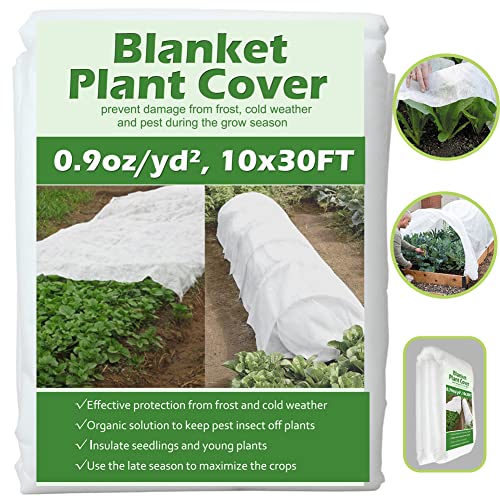
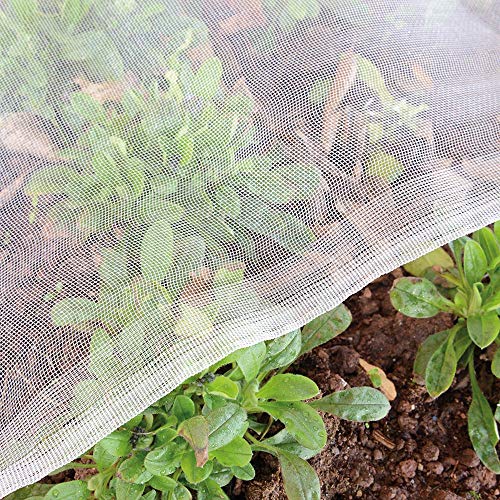
  • Floating row covers are lightweight fabrics that rest over hoops or directly on plants. They keep out flying insects such as flea beetles, cucumber beetles, cabbage moths, and root maggot flies. The edges must be sealed with soil, boards, or pins so pests cannot crawl under. For crops that need pollination, covers come off once flowers open.
  • Cutworm collars made from cardboard tubes or stiff paper strips protect tender transplants. Each collar surrounds the stem, extending an inch into the soil and a few inches above. This barrier prevents cutworms from wrapping around the stem and chewing through it.
  • Fencing and netting block larger animals and birds. A tall fence around the garden keeps deer out, while lower mesh fencing with buried edges keeps rabbits and groundhogs out. Bird netting laid over berry bushes and young corn keeps crows and other birds from stealing the harvest.
  • Strong water spray from a garden hose knocks soft-bodied pests such as aphids and spider mites off the plant. Aiming at the undersides of leaves, where these insects often gather, works best. This method may need to be repeated every few days, but it is fast and free.
  • Beer traps for slugs use shallow containers sunk so their rims are at soil level. When filled with beer or a yeast–water mix, they attract slugs and snails that fall in and drown. Regularly emptying and refilling traps keeps them working during damp periods.
  • Destructive harvesting is helpful late in the season when a crop is both heavily infested and nearly finished, such as beans covered with Mexican bean beetles. Gardeners pick any remaining good pods, then pull, bag, and remove the entire plant to stop pests from maturing and spreading.

Organic And Sustainable Treatments

Sometimes, even with strong cultural and physical practices, pest or disease pressure stays high. In those cases, targeted organic products add another layer of control that fits well with food gardens and pollinator-friendly yards.

Always read and follow label directions carefully for any product used in the garden.

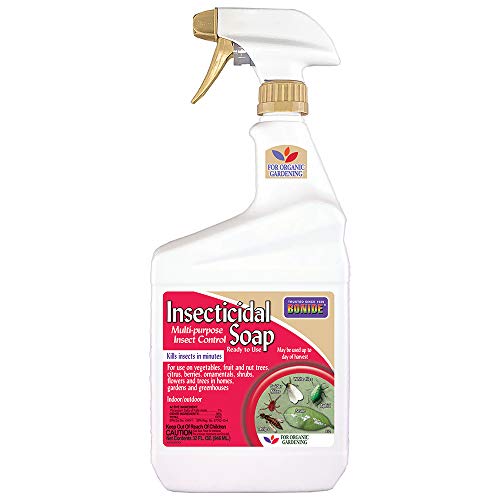
  • Insecticidal soap works by disrupting the outer coating of soft-bodied insects such as aphids, whiteflies, spider mites, thrips, and young leafhoppers. It must contact the pest directly, so thorough coverage of leaf undersides is important. When used as directed, it leaves no harmful residue on vegetables.
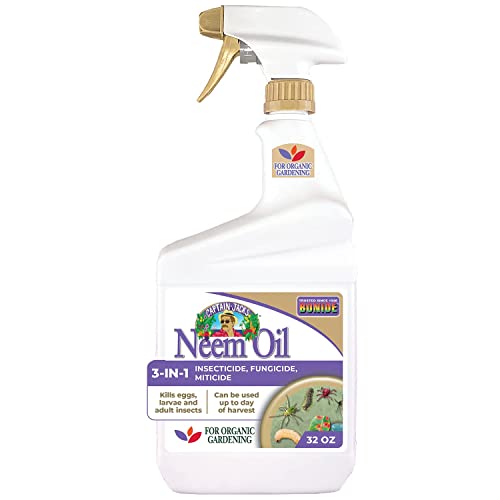
  • Neem oil comes from the neem tree and acts on many insects as a feeding and growth regulator. It can also slow early stages of some fungal diseases, including powdery mildew. Because it affects a wide range of insects, it is best used in the evening when bees and other pollinators are not active and only on affected plants.
  • Horticultural oil coats and smothers scale insects, mites, and overwintering eggs. It is especially useful on woody plants and perennial herbs that support pests near vegetable beds. Modern lighter formulations can be used during the growing season with care.
  • Bacillus thuringiensis (Bt) is a naturally occurring soil bacterium. Certain strains specifically target caterpillars such as cabbage worms, loopers, and young tomato hornworms when they eat treated leaves. Bt does not harm bees, birds, or people when used correctly, which makes it a favorite tool in organic gardens.
  • Diatomaceous earth is a fine powder made from fossilized algae. Its sharp edges damage the outer covering of crawling insects that cross it, causing them to dry out. A thin band around plant bases can help with slugs, earwigs, and some beetles, but it should be reapplied after rain.
  • Iron phosphate slug bait offers an easy way to reduce slug and snail numbers without risk to pets or wildlife when used as labeled. Pellets are scattered on soil around susceptible plants and are eaten by the pests, which then stop feeding and die.
  • Sulfur-based fungicides provide protection against powdery mildew and some leaf spot diseases when applied before or at the first hint of symptoms. They work best as part of a broader plan that includes good spacing and careful watering.

Gardening Elsa highlights these tools because they fit neatly within an IPM plan and support the long-term health of the garden, the gardener, and the surrounding environment.

A Quick-Reference Troubleshooting Guide: Diagnose By Symptom

Even with all this information, it helps to have a simple chart that connects what a gardener sees with likely causes and first steps. Think of this as a pocket field guide for common vegetable garden pests and diseases that you can refer back to through the season.

SymptomProbable Cause(s)First Action
Seedlings cut off at soil line overnightCutworms hiding in the top inch of soilPlace cardboard or paper collars around remaining seedlings and hand dig in the top soil to remove larvae.
Small round shot holes in leavesFlea beetles feeding on tender foliageCover plants with floating row covers and consider replanting if seedlings are badly stunted.
Large ragged holes in brassica leavesCabbage worms or cabbage loopersHand pick caterpillars, then spray leaves with Bt to protect new growth.
Entire plant wilts suddenly while soil feels moistSquash vine borer, fusarium wilt, or bacterial wiltInspect stem base for borer holes and frass; if none are present, remove plant to reduce spread of disease.
Sticky leaves with yellowing and curlingAphids clustered on new growthSpray plants with a strong jet of water, then follow with insecticidal soap if needed.
White powdery coating on leaf surfacesPowdery mildew infectionImprove spacing for better air flow and treat affected plants with neem oil or sulfur product.
Dark target-like spots on lower tomato leavesEarly blight starting from soil splashRemove spotted leaves, add mulch around the base, and plan to rotate tomatoes next season.
Mottled yellow–green mosaic pattern on leavesMosaic virus brought in by sap-sucking insectsPull the affected plant, discard it in the trash, and work on aphid control and weed removal.
Dark sunken spot on bottom of tomato or pepper fruitBlossom end rot from uneven wateringMulch the soil and water on a regular schedule; remove badly damaged fruits since this is not contagious.
Large irregular holes plus slime trails on leavesSlugs or snails feeding at nightSet beer traps, clear hiding places such as boards, and apply iron phosphate bait.
Winding pale trails inside leavesLeaf miner larvae tunneling between leaf layersRemove and destroy affected leaves and consider covering new plantings with row covers.
Plants stunted and yellow with no obvious pest above groundRoot maggots, nematodes, voles, or root rotGently dig up one plant to inspect roots, improve drainage if rot is present, and use row covers or barriers in future plantings.

Still unsure what is going on after checking this guide? Gardening Elsa’s plant care and troubleshooting resources walk through many more examples with photos and clear explanations so home gardeners can match what they see and choose smart next steps.

Conclusion

Pests, spots, and sudden wilted plants can feel discouraging, especially for newer gardeners. It helps to remember that dealing with common vegetable garden pests and diseases is a normal part of growing food, not a sign that someone is bad at gardening. Every healthy, abundant garden has stories of chewed leaves and mysterious problems behind it.

By learning to observe closely and name what is happening, gardeners gain real control. The mix of early identification, steady prevention through healthy soil and good spacing, and thoughtful use of physical and organic tools gives anyone the power to protect their beds. The IPM approach described here offers a clear path:

  1. Start with cultural practices.
  2. Add physical barriers and hand work.
  3. Reach for targeted organic treatments only when the simpler steps are not enough.

Our mission is to make this kind of science-based, practical guidance easy to follow, whether someone grows on a balcony, in raised beds, or in a larger backyard plot.

Bookmark this guide, share it with friends who ask about mystery damage, and revisit the troubleshooting chart when new issues appear. With a bit of practice and the right information, a garden can stay productive, resilient, and full of good food season after season.

FAQs

What Are The Most Common Vegetable Garden Pests?

Some of the most frequent offenders in home gardens are aphids, cabbage worms, tomato hornworms, flea beetles, cucumber beetles, Colorado potato beetles, squash vine borers, and slugs or snails. Which ones appear depends on region, weather, and which crops are planted. Leafy greens, brassicas, and cucurbits tend to draw many pests. The identification sections above give more detail on each insect so gardeners can match what they see and respond accurately.

How Do I Get Rid Of Bugs In My Vegetable Garden Naturally?

Natural control works best when several methods are combined:
Hand picking large insects
Using floating row covers on young plants
Encouraging beneficial insects with flowers and low-spray habits
For sap-sucking pests, insecticidal soap and neem oil are useful. Bt products handle caterpillars on brassicas and tomatoes, while diatomaceous earth and iron phosphate baits help with crawling pests such as slugs. Consistent use and early action matter more than the strength of any one product.

How Can I Tell If My Plant Has A Disease Or A Pest Problem?

Chewed edges, missing chunks of leaves, or tunnels in fruit almost always point to insects or other animals. Spots, blotches, fuzzy coatings, or wilting without clear bite marks usually suggest disease or environmental stress. Remember that some insects, such as aphids and thrips, also spread viruses, so a plant can have both insect and disease issues at once. The troubleshooting table in this article links specific symptoms to likely causes and simple first steps.

What Causes White Powder On My Vegetable Plants?

A white, dusty coating on leaves is usually powdery mildew, a common fungal disease. It often starts on older leaves of squash, pumpkins, cucumbers, or beans when days are warm and nights are cooler with plenty of humidity. Crowded plants and shade make it worse. Improving air circulation, avoiding overhead watering, and removing the worst-affected leaves help slow the disease. Neem oil or sulfur-based fungicides can also keep it from spreading when used early.

Is It Safe To Eat Vegetables From A Plant That Has Pests Or Disease?

In many cases, the answer is yes, especially if only leaves show damage and no chemical sprays were used. Fruits with small insect bites or mild anthracnose can often be trimmed, and the rest eaten after washing. Parts with blossom end rot are not harmful, but the affected area tastes poor and should be cut away. Vegetables from plants with severe viral or bacterial infections are best discarded, since these plants are already stressed and may break down quickly after harvest. Always wash produce well before eating.

vegetable garden ideas

10 Vegetable Garden Layout Ideas