How Much Sun Do Cucumbers Need for Big Harvests

When I think about easy, satisfying crops, cucumbers are always near the top of my list. Few things beat snapping off a cool, crunchy cucumber that grew just a few steps from the kitchen. Yet the first time I planted them, I tucked the vines beside a fence that looked sunny enough, and I kept wondering how much sun do cucumbers need while I watched the plants struggle.

How Much Sun Do Cucumbers Need

The vines grew, but the leaves stayed a bit pale, flowers were scarce, and the fruits that did form were small and oddly shaped. Everything else in that bed did fine, so the problem was not soil or water. The issue was simple: they just were not getting the right amount of direct light.

I hear versions of that story all the time. Gardeners ask me how much sun do cucumbers need, why their plants look weak, or why they get lots of leaves and almost no fruit. The good news is that once the light question is clear, cucumbers become far easier to grow and far more rewarding.

At Gardening Elsa, I combine horticulture training with many seasons of trial and error so home gardeners can skip a lot of guesswork. In this guide, I will walk through how much sun cucumbers really need, why they crave it, how to spot light problems early, and how to set up beds and containers so those vines can finally earn their space in the garden.

As I often tell new gardeners, “Healthy cucumbers start with sunlight, not fertilizer.”

Key Takeaways

  • Cucumbers are full-sun plants. They need at least six hours of direct light each day, and eight to twelve hours gives stronger vines and a better harvest. When gardeners ask how much sun do cucumbers need, that range is the answer I give most often. Less than six hours leads to stressed plants and very light yields.
  • Morning sun beats late-day sun in most gardens. Morning sun dries dew from the leaves and helps keep fungal diseases in check. In very hot regions, some light shade after midafternoon can prevent heat stress. Watching how the sun moves through the yard helps match the right spot to that pattern.
  • Weak, stretched stems and poor flowering are often light problems. Stretched growth, yellowing lower leaves, and missing or dropping flowers often point to poor light. When those signs appear, I always count true sun hours before changing fertilizer or watering. Moving a container or trimming a nearby shrub can sometimes rescue the season.
  • Containers and trellises give you more options. For shady yards or balconies, container gardening gives the freedom to move plants into brighter spots. Trellising lets more leaves catch the sun, improves air flow, and usually makes pollination and harvest easier. With smart placement and support, most gardeners can give cucumbers enough light to thrive.

How Much Sun Do Cucumbers Really Need?

Cucumbers are classic full-sun vegetables. When someone asks how much sun do cucumbers need, the short answer is that they need a minimum of six hours of direct, unfiltered sunlight every single day. That means bright sun shining directly on the leaves, not light filtered through trees or bouncing off a wall.

Six hours is the survival line, a threshold consistent with guidance from Growing Cucumbers in the home garden published by the University of Georgia Cooperative Extension.

With that much light, plants can stay alive and give a modest harvest, especially in good soil with steady water. For strong vines and steady fruit, I aim higher. The sweet spot for most home gardens is eight to ten hours of direct sun, with ten to twelve hours giving the best results in mild and northern climates.

In gardening terms, this level of light falls under full sun. Beginners sometimes think bright shade counts, but cucumbers really do best when the sun hits their leaves for long stretches of the day. In spots with only partial sun, they often stay thin, flower lightly, and attract more problems.

When you are checking a planting spot, keep this in mind:

  • Direct sun means the plant has a clear view of the sky and sunbeams hit the leaves without obstruction.
  • Dappled shade or bright shade under trees or next to tall buildings does not count toward those six to twelve hours.

Here is a simple way to think about how much sun do cucumbers need and what to expect.

Sun LevelHours Per DayExpected Outcome
Minimum6 hoursPlants live and produce a small harvest in good conditions
Optimal8–10 hoursStrong vines, steady flowering, solid yields
Ideal10–12 hoursLush growth and heavy harvest in cooler or temperate climates

In very hot regions such as the southern US or parts of the Southwest, eight hours of blazing afternoon sun can be too intense. In those gardens, six to eight hours focused in the morning and early afternoon work better than all-day heat.

A simple way to check your garden is to:

  1. Pick a clear day.
  2. Note the time when direct sun first hits the spot you have in mind.
  3. Check every couple of hours and write down when the sun leaves that area.

As I often tell gardeners, “If you want good cucumbers, count sun hours before you count seedlings.”

Before planting, I like to watch the yard for a full day and mark the brightest spots. Gardening Elsa’s seasonal planning guides walk through that process step by step for new gardeners.

The Science Behind Cucumber Sun Requirements

To understand how much sun cucumbers need, it helps to look at what the plant does with that light. Sunlight powers photosynthesis, the process where leaves use light, water, and carbon dioxide to make glucose. That simple sugar is the plant’s fuel, and cucumbers are hungry plants.

When cucumbers get plenty of light, they produce more glucose and can spend that energy on several big tasks — a pattern explored in depth by studies examining the Physiological Responses of Cucumber plants to varying light intensities:

  • Vine and root growth. Cell division and vine growth depend on a steady flow of energy from photosynthesis. With enough sun, roots spread, stems thicken, and new leaves appear quickly, which gives the plant more “solar panels” to keep feeding itself. In low light, this cycle slows down, so plants stay small or stretch thinly toward the nearest bright spot.
  • Flower production. Flower production takes more energy than many gardeners realize. A cucumber plant that does not get enough light often delays or reduces flower buds because it has to choose between basic survival and reproduction. When someone tells me their plants are leafy but still not blooming, I always circle back to how much direct sun those vines receive.
  • Fruit development. Fruit development is the most demanding stage of all. After a flower is pollinated, the tiny cucumber at its base needs a constant supply of sugars to grow into a full-sized fruit. Without strong sun, the plant runs a kind of energy deficit, and fruits may stay small, bend into odd shapes, or drop off early.

There is also a link between sun and pollination. A sun-fed plant with many flowers is more visible and more attractive to bees. For standard cucumbers, it can take eight to twelve bee visits per female flower to get a straight, well-filled fruit. More light leads to more blossoms, which usually means more bee traffic.

Different cucumber types respond the same way to light even though their flowers behave a bit differently:

  • Monoecious plants carry male and female blooms on one vine.
  • Gynoecious varieties produce mostly female flowers and rely on a few included seeds from standard types for pollen.
  • Parthenocarpic cucumbers make all-female flowers and can set seedless fruit without pollination, which helps in greenhouses or on high balconies with fewer bees.

No matter the type, enough sunlight sits at the heart of a healthy crop.

How to Recognize Signs of Insufficient Sunlight

Cucumber plants are expressive. When they do not get the light they need, they usually show it on their leaves and stems long before the season is over. This is why understanding how much sun cucumbers need is only half the story. The other half is learning to “read” the plants.

Early in the season, it can be hard to tell the difference between a slow start from cool soil and a true light problem. By the time vines start to run, though, patterns appear. Stretched stems, pale foliage, and missing flowers all point toward trouble.

Common warning signs of poor light include:

  • Pale or yellowing leaves, especially near the bottom of the plant
  • Long, thin stems that lean toward windows or open sky
  • Few flowers, or flowers that fall off before fruit forms
  • Small, bent, or poorly filled cucumbers

Water stress, poor soil, or nutrient issues can cause similar symptoms, so it is important to look at the whole picture. When I see problems, I always ask how many hours of direct sun the plant gets before anyone reaches for fertilizer or a new watering plan.

Stunted or Leggy Growth

One of the clearest signs that cucumbers are not getting enough sun is the way the vines grow. Stunted plants stay small, with short vines and undersized leaves, because they simply do not have the energy for active cell division. They may look like seedlings that never quite graduated to the next stage, even weeks after planting.

The opposite pattern, leggy growth, looks dramatic in another way. Stems stretch long and thin with big gaps between leaves, and the plant leans in one direction. That direction almost always points to the nearest strong light source, which is a direct clue to the real problem.

These weak stems break easily in wind, dry out faster, and tend to attract pests, so dealing with the light issue sooner rather than later matters.

Lack of Flowers or Blossom Drop

When gardeners ask how much sun do cucumbers need, they often mention that their plants have few or no flowers. Under good conditions, most cucumbers begin to bloom about forty to fifty days after planting. If that window passes with very few blossoms, poor light climbs high on my suspect list.

Sometimes flowers do appear but fall off before fruit forms. This is called blossom drop, and it often means the plant cannot afford the cost of raising cucumbers. Without enough sunlight, there is not enough glucose to support fruit growth, so the vine sheds flowers to protect itself.

Heavy use of high-nitrogen fertilizer can make this worse. In that case, the plant builds lush foliage but still skips blossoms, especially when the light level is also marginal. That is why I ask about both fertilizer and sun before making changes.

Yellowing Leaves (Chlorosis)

Yellowing leaves, especially on the lower part of the plant, are another common warning sign. This condition, called chlorosis, appears when leaves do not make enough chlorophyll, the green pigment that captures light for photosynthesis.

When a plant already struggles with light, older leaves often turn yellow first because the plant shifts energy toward newer growth closer to any available sun.

Nutrient issues can cause similar yellowing when nitrogen is low or when roots sit in soggy, airless soil. The difference shows up in the light pattern. If a plant sits in a spot that clearly receives less than six hours of full sun, and the lower leaves fade while the top strains for light, then the main issue is usually the sun.

I always suggest counting actual direct-sun hours over a day before adding more fertilizer or changing the watering routine.

Morning Sun vs. Afternoon Sun — Which Is Better for Cucumbers?

Once gardeners understand how much sun cucumbers need, the next question I hear is whether morning or afternoon sun is better. When there is a choice, I almost always pick morning sun for cucumbers.

The main reason is disease pressure. Cucumbers are prone to powdery mildew and downy mildew, both of which love cool, damp leaves. Overnight, dew forms on the broad foliage and gives fungal spores a moist place to grow.

When strong morning sun hits those leaves, it dries that moisture quickly and shortens the time that fungi can spread.

Afternoon sun is strong, but by the time it reaches the plants, the leaves may have been damp for many hours. That longer wet period increases the chances of trouble. A bed that receives full sun from early morning until early afternoon often has far fewer mildew issues than a spot that gets the same amount of light only later in the day.

In hot regions like the southern United States or the Southwest, very intense afternoon sun creates a different problem. When heat climbs, plants close their leaf pores to save water, which slows photosynthesis even though the sun is still shining.

Fruits can also develop pale, dry patches on the side facing the sun, a sign of sunscald. In those gardens, I aim for six to eight hours of sun weighted toward morning and early afternoon, followed by light shade after about two or three in the afternoon.

If you garden near buildings, it helps to think of direction:

  • East-facing areas usually give gentle morning sun and afternoon shade — excellent for cucumbers in hot climates.
  • South-facing areas often receive sun for most of the day and suit cucumbers in cooler or temperate regions.
  • West-facing areas tend to be hottest in mid to late afternoon and may need shade cloth or nearby shrubs to soften the heat.

Before planting, I like to spend one clear day watching how the sun moves across the yard or balcony. Making simple notes about which spots get early light, which heat up later, and which stay shaded turns this choice into a confident decision.

How to Maximize Sun Exposure in Any Garden Space

Not every home has a wide, open yard with sun from dawn to dusk. I work with many gardeners who have tall trees, nearby buildings, or small patios.

The question how much sun do cucumbers need can feel discouraging in those spots, but there are creative ways to give vines the light they want.

With careful layout in the ground and smart use of vertical space, even a narrow bed can work well. For balconies and shaded yards, containers add another layer of flexibility. The goal is simple: put as many leaves as possible where the sun already shines.

Strategic Garden Layout and Trellising

In the northern half of the globe, the sun travels across the southern sky. That is why I look first to the south-facing side of a house, fence, or garage when I choose a place for cucumbers. Those walls often reflect light and hold a bit of warmth, which cucumbers enjoy once nights stay mild.

Plant height also matters. Tall crops such as corn, indeterminate tomatoes, and pole beans can throw long shadows across shorter plants. I like to plant those tall growers on the north edge of a bed so their shade falls behind them, not onto the cucumbers. This simple switch often adds an extra hour or two of light without changing the garden footprint.

Trellising then adds another layer of help, especially when gardeners ask how much sun do cucumbers need in tight spaces:

  • When vines grow up a trellis, more leaves stand in direct light instead of lying under a thick canopy on the ground. This wider exposure means each leaf can pull its weight in photosynthesis, and the plant gains more energy for flowers and fruit.
  • Lifting vines improves air flow around the foliage, which dries leaves faster after rain or morning dew. Dry leaves are less friendly to fungal spores, and that effect is strongest when good morning sun hits a trellised row.
  • Fruits hanging from a trellis tend to grow straighter, stay cleaner, and avoid contact with wet soil. This reduces rot and feeding damage from slugs or other ground pests, and it also makes it easier to spot when cucumbers are ready to pick.
  • Flowers and fruit are easier for both pollinators and people to reach on a vertical plant. Bees can move quickly from bloom to bloom, and gardeners can harvest without stepping on vines or missing cucumbers hidden under leaves.

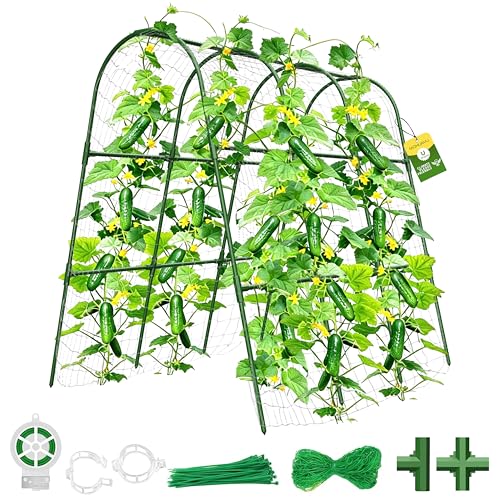
Simple trellis options that work well for cucumbers include:

  • A-framed wooden or metal trellises
  • Sturdy cattle panels arched over a bed
  • Nylon netting or wire attached to fence posts

In Gardening Elsa’s seasonal garden planning resources, I walk through sample layouts that use these ideas. A little thought on paper before planting often turns a “so-so” cucumber spot into a productive bed.

Container Gardening for Limited-Sun Situations

For many urban and apartment gardeners, containers are the best answer when they wonder how much sun do cucumbers need and then look out at a courtyard of shade. Pots let plants move to where the light already is, instead of trying to force cucumbers to fit a dark corner.

Large containers placed on a bright patio, deck, driveway, or balcony can catch more total sun than any single in-ground bed. When the season shifts and shadows move, containers can slide a few feet to stay in the brightest patch.

A few simple choices make this work much better:

  • Use containers that hold at least five to seven gallons so the roots have room to spread and hold moisture. Bigger pots dry out more slowly and give the plant a more even supply of water, which supports steady growth when the sun is strong.
  • Shorter, bush type cucumbers, such as Spacemaster or Bush Champion, fit especially well in containers and on small balconies. They still like full sun, but their compact habit makes it easier to place the whole plant in a bright spot.
  • Fill pots with high-quality, well-draining potting mix rather than heavy garden soil. Good potting mix stays airy, drains well after rain, and gives roots an easier time, which helps them deliver water and nutrients to all those sunlit leaves.
  • Check moisture often, since containers dry out faster than beds in the ground, especially in hot or windy spots. Deep watering that soaks the whole root zone is better than many light sprinkles, and mulch on top of the soil can help hold moisture in.
  • Consider light-colored containers or pot covers in very hot areas so the roots do not overheat in strong afternoon sun.
  • Plant pots on rolling caddies if you can, so you can nudge them toward or away from the sun as the season changes.

At Gardening Elsa, I share detailed container gardening guides geared toward small spaces and sunny balconies. With the right pot, variety choice, and placement, even a single railing planter can give several weeks of crisp cucumbers.

How Sunlight, Water, and Nutrients Work Together

So far, I have focused on how much sun cucumbers need, but sun does not work alone. I often compare plant care to running an engine. Sunlight is the engine itself, but water and nutrients are the fuel and coolant that keep everything running smoothly.

Cucumbers are made mostly of water, and they use that water in several ways. It is a direct part of photosynthesis, so without enough moisture in the root zone, leaves cannot make good use of the sun they receive. Water also moves nutrients through the plant and keeps cells firm.

Deep, steady watering that wets the whole root area encourages strong growth, while long dry spells followed by heavy soaking often lead to bitter or misshapen fruit. On the other hand, soggy soil leaves roots gasping for air and limits nutrient uptake even if sunlight is perfect.

Nutrients carry their share of the load as well. Cucumbers count as moderate feeders, which means they respond well to soil enriched with compost or other organic matter before planting.

A balanced, gentle fertilizer or compost tea applied about a week after the first flowers appear, and again a few weeks later, can support the surge in demand during heavy fruiting.

I stay cautious with high-nitrogen products, because they push lush leaves at the expense of blossoms, especially where light is already on the low side. When vines get plenty of sun, they build stronger root systems, which in turn help them pull the nutrients they need from the soil.

Adding organic mulch (such as straw or shredded leaves) around cucumber plants helps keep soil moisture steady and roots cooler, so the plant can use all the light it receives more effectively.

Here is a simple summary of how these three pieces fit together.

ElementRoleGardening Tip
SunlightPowers photosynthesis and fuels growth, flowering, and fruitingAim for 8–12 hours daily, with a focus on morning sun where possible
WaterSupports photosynthesis and moves nutrients through the plantKeep soil evenly moist with deep watering, and avoid soggy conditions
NutrientsFeed root, leaf, and fruit developmentUse compost and balanced fertilizer, and avoid heavy nitrogen when flowers are forming

Many state extension services remind gardeners that “cucumbers perform best when planted in full sun with consistently moist soil and good fertility.”

When gardeners find the right balance between these three, the answer to how much sun do cucumbers need becomes part of a larger, healthy system.

Conclusion

When someone asks me how much sun do cucumbers need, my clear answer is that they need at least six hours of direct light, and they really shine with eight to twelve hours in most climates. Full sun fuels strong vines, generous flowers, and the kind of harvest that makes cucumbers feel worth the space.

Smart placement makes a big difference. South-facing beds, preference for morning light, and trellising all help leaves catch more sun and dry faster after rain or dew. In small or shaded yards, container growing opens up bright patios and balconies where in-ground beds might never work.

Sun, water, and nutrients work together, so I always look at all three when plants seem weak. With a good handle on how much sun cucumbers need and a simple care plan, cucumbers become one of the most rewarding crops in a home garden.

If you want help planning where cucumbers and other edibles should go, Gardening Elsa’s seasonal garden planning, edible gardening guides, and container gardening resources are ready to walk alongside you. With a little guidance and a bright spot, those vines can start filling your kitchen with crisp, homegrown cucumbers.

FAQs

Can Cucumbers Grow in Partial Shade?

Cucumbers can survive in partial shade, but they rarely thrive there. In spots with only three to five hours of direct sun, vines stay weaker and fruit production drops sharply. They are also more prone to disease. When gardeners face heavy shade and still ask how much sun do cucumbers need, I suggest containers that can move to brighter areas as the best path forward.

How Do I Know If My Cucumber Is Getting Enough Sun?

The first step is counting actual hours of direct light by watching the planting spot through a clear day. Then look at the plant itself. Healthy cucumbers in good light have deep green leaves, sturdy vines, and start to bloom around forty to fifty days after planting. If stems are thin and stretched, lower leaves are yellow, or flowers are missing, light is often the missing piece.

Can Too Much Sun Hurt Cucumber Plants?

In many parts of the United States, more sun means more cucumbers, as long as water is steady. In very hot areas, though, harsh afternoon sun can cause heat stress and pale, damaged patches on fruit. In those places, I still think about how much sun do cucumbers need but aim for six to eight hours focused in the morning and early afternoon, with light shade during peak heat.

What Are the Best Cucumber Varieties for Small or Shady Spaces?

For tight spaces, bush varieties such as Spacemaster or Bush Champion stay compact and fit well in large containers or small raised beds. They still need as much direct sun as possible, but their size makes it easier to place them in the brightest spot. Parthenocarpic types suit enclosed patios or balconies with fewer bees. Large vining types need more room and full sun, so they are better suited to wider, brighter beds.

Does Trellising Really Help Cucumbers Get More Sun?

Yes, trellising has a clear effect on how much light each leaf receives. When vines climb, more foliage stands in open air rather than hiding under a dense mat on the soil. That wider exposure lets the plant make better use of whatever sun the garden offers. Trellising also improves air flow, reduces disease, and makes flowers easier for bees to reach, which often leads to a better harvest.

vegetable garden ideas

10 Vegetable Garden Layout Ideas