Picture walking back from the farmers market with empty crates and a pocket full of cash. Every bunch of greens and basket of cherry tomatoes came out of a small backyard plot. For many of us, that picture starts with a simple question about profitable vegetables to grow and sell.
People often ask which single vegetable makes the most money. Over time, we have learned that no one crop works for every grower or every town. Real profit rests on three things: who we sell to, how we grow, and when our harvest reaches the table. Market, methods, and timing work together like three legs of a steady stool.

At Gardening Elsa, we blend formal horticulture training with years of hands‑on trial and error. We focus on simple, repeatable systems that turn strong plant health into steady income. That is the base for any list of profitable vegetables to grow and sell.
In this guide, we share the framework we use to judge profit, then walk through fifteen vegetables that score highest for most small gardens. For each one, we explain why it earns well, how to grow it in limited space, and how to present it so buyers want to take it home. Read through to the end, and you will be ready to choose a short list of crops that fit your space, your schedule, and your local market.
Key Takeaways
Before we dig into details, here are the main ideas. They guide how we use each bed and shape how we think about profit.
- Profit has three linked pieces: market, methods, and timing. Fast, perishable crops often fit these pieces better than bulky storage vegetables.
- Grow only what you can sell. Simple notes on harvest size and sales protect your budget, prevent painful waste, and reveal which beds earn the most for the time you spend.
- Gardening Elsa builds these ideas into soil care, layout, and small‑space plans. Clear steps replace guesswork and stress, which makes it easier to choose profitable vegetables to grow and sell with confidence.
What Makes A Vegetable Truly Profitable? The Framework You Need First
Lists of profitable vegetables to grow and sell can be exciting to read. We scan for that one crop that will fix our income overnight. Reality is softer. The same vegetable that works well for a full‑acre grower may fail in a tiny urban yard because the setting is different.
To sort guesses from solid choices, we use a simple four‑part test. We look at perishability, how well we match planting to sales, gross sales per square foot, and gross profit per harvest hour. When we score a crop on each of these, its real value becomes clear very fast.
Perishability can sound like a problem, yet it gives home growers a strong edge. Very fresh items such as salad mix or basil lose quality fast in long supply chains. Big farms and distributors raise prices to cover that risk, which means a small grower who sells direct can keep more of the final price.
The next factor is how closely we match production to sales. If we plant three beds of arugula and sell only one bed, the other two beds represent lost seed, compost, water, and time. Aiming to sell at least four‑fifths of the potential harvest keeps waste low without leaving shoppers empty handed.
Gross sales per square foot matter most when space is tight, and research on Profitability and market performance of smallholder vegetable operations confirms that spatial efficiency is one of the strongest drivers of net income. Each square of soil must pay its part of tools, water, and time. Dense crops such as scallions or tray‑grown greens often earn far more than sprawling crops that sit in place for months.
Finally, we look at gross profit per harvest hour. Harvesting and packing often eat half or more of our labor. A crop that brings in one hundred dollars or more for every hour spent cutting, washing, and bunching is a keeper, even if the price per pound looks modest on paper.
Here is a quick example of how these four factors can compare across crops:
| Crop | Perishability | Match To Sales | Sales Per Sq Ft | Profit Per Harvest Hour |
|---|---|---|---|---|
| Tray‑grown salad mix | High | Medium | High | High |
| Garlic | Low | High | High | High |
| Broccoli | Medium | Medium | Low | Low |
| Storage potatoes | Low | High | Low | Medium |
When we design gardens, we start with soil health, smart spacing, and seasonal planning. Those basics raise scores in every column of this table. With that framework in mind, a list of profitable vegetables to grow and sell turns from a wish list into a clear, personal plan.
In short, profit rests on four levers:
- Perishability advantage
- Match between planting and sales
- Income per square foot
- Income per harvest hour
Once we keep an eye on each of these, crop choices begin to fall into place.
How To Analyze Your Market Before You Plant A Single Seed
Before we drop a single seed into a tray, we want to know who might buy the harvest. A list of profitable vegetables to grow and sell only makes sense when it lines up with real people and their plates. The same bed of basil can be a steady income source at one market and a slow mover at another.
For most home growers, direct‑to‑consumer channels bring the best margins and the most fun. You see faces, hear comments, and learn quickly what people love.
Common options include:
- Farmers markets.
Farmers markets let us stand behind our produce, answer questions, and talk about how we grow. They are also perfect for:- Testing new items in small amounts
- Spotting gaps at a glance (for example, no one selling dill or cilantro)
- Hearing which vegetables people wish they could find every week
- CSA shares and weekly boxes.
A community supported agriculture share or informal weekly box can work well once we know we can supply steady variety. Members pay ahead, which helps with seeds and compost. In return, we agree to plant a balanced mix of staples and high‑value treats, not fifteen kinds of hot pepper and nothing else. - Farm stands and honor‑system coolers.
A simple farm stand or honor‑system cooler can serve a neighborhood if we have a safe, visible spot. This channel gives full control over layout, signs, and pricing. It pairs well with a short list of very reliable crops such as salad mix, cucumbers, and herbs. - Restaurants.
Some growers enjoy selling to restaurants. Fine dining kitchens often seek special items such as microgreens, baby carrots, or heirloom tomatoes, and they care more about quality than saving every cent. A short weekly list of what we have can start long‑term chef relationships. - Grocery stores and mid‑priced restaurants.
Grocery stores and mid‑priced restaurants can take larger volumes, yet they compare our prices with those from big distributors. That means we must know our costs per bunch and pick only the most efficient crops for that channel. Garlic, salad greens, and scallions often fit this role.
Whatever channel we choose, it pays to walk local markets, notice what piles up, and notice what sells out first. Talking with chefs and produce managers reveals gaps we can fill, such as steady cilantro or early beets. We offer seasonal planning guides that help match planting dates with those of local needs so our beds match nearby demand.
“Grow what people want to eat, not just what you feel like planting.”
— Common market‑gardening advice
The 15 Most Profitable Vegetables To Grow And Sell
With the framework and market in mind, we can talk about actual crops. The vegetables below rise to the top again and again on small, hand‑tended plots. Each one scores well on perishability, space use, and profit per harvest hour, which is why they belong on any short list of profitable vegetables to grow and sell.
Gardening Elsa’s Top Picks For The 15 Most Profitable Vegetables Explained
These vegetables are not just popular. They score well on our four‑part test for many home gardens and small farms. Think of them as a starting menu that you can adapt to your climate and market.
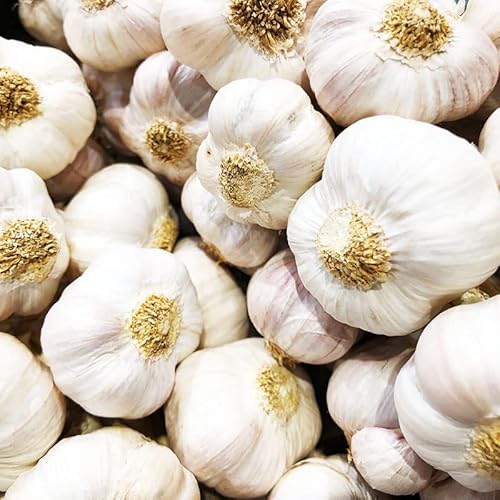
- Garlic is often the highest earner on small farms and in backyard plots. We plant it once in fall, then mostly let it grow while we focus on other tasks. Good bulbs can sell for twelve dollars per pound or more, and we can save the best heads as seed for the next season, which cuts future costs. Garlic likes loose, well‑drained, fertile soil, so deep compost and weed‑free beds give the biggest cloves. We teach clear soil‑building steps that help garlic thrive and keep this crop near the top of any list of profitable vegetables to grow and sell.
- Salanova Lettuce turns salad production into very fast work. Each dense head yields dozens of bite‑sized leaves with one clean cut, which slashes harvest and washing time. We start it in trays, then set transplants into close rows in raised beds for maximum yield per square foot. Planting small batches every two or three weeks keeps a steady flow of heads. Chefs love the fine texture, and market shoppers enjoy bags of loose Salanova mix that look fresh and high‑end without much extra effort from us. That mix of speed, density, and steady demand makes Salanova one of the most reliable profitable vegetables to grow and sell.
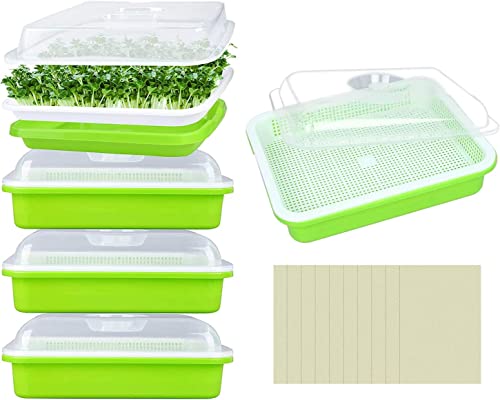
- Mesclun And Salad Mixes In Trays remove weeding from the salad business. Instead of fighting tiny weeds in the field, we sow thickly into shallow trays of sterile potting mix and feed lightly with fish emulsion or liquid kelp. The greens stay clean, so harvest turns into a quick routine of clip, rinse, spin, and bag. Six‑ounce bags often sell for four dollars or more, and trays can be cut several times before they fade. Because this system fits on benches or greenhouse shelves, it works even for balcony growers who want profitable vegetables to grow and sell without much land.
- Basil brings in high income all summer as long as we keep it picked. Each plant can give many harvests of tender leaves when we pinch the tips often and do not let it flower. Warm weather and full sun help the plants explode with growth, whether in beds or large containers. We can sell it as potted plants early in the season, then as big fragrant bunches once gardens and kitchens start craving pesto. Because almost every household uses basil, it earns steady sales at any stand focused on profitable vegetables to grow and sell.
- Cilantro grows quickly, making it a great crop for filling gaps in beds and boosting weekly cash flow. It likes cooler weather, so we sow small patches every two or three weeks in spring and again in late summer. Harvest is simple, since we cut whole clumps, rinse once, and tie into small bunches. Latin and Asian restaurants often need reliable cilantro, and home cooks grab it for salsa, curries, and soups. Short sow‑to‑sale timing means this herb brings in many rounds of income from the same strip of soil.
- Mini Sweet Peppers, often called lunchbox peppers, pack strong value into compact plants. They start bearing early and keep setting new fruit as long as we pick often. Plants stay tidier and easier to harvest when we support them with small cages or stakes. Mixed baskets of red, orange, and yellow fruits draw attention to any table, and shoppers happily pay premium prices for a healthy snack their kids love. The high yield per plant and strong visual pull make these peppers stand out among profitable vegetables to grow and sell.
- Cherry Tomatoes are steady workhorses once they start to ripen. A single row of trellised vines can supply many pints each week for months. We start seeds indoors very early, then grow the plants up strings or sturdy cages so fruit stays clean and easy to spot. Mixed colors in each basket raise perceived value and help us stand apart from plain red slicers. Because customers rarely leave the market without at least one box of cherry tomatoes, this crop often covers a large share of weekly income from a small space.
- Bunching Onions, also known as scallions, fit neatly between slower crops and bring in cash on a quick cycle. We sow them thickly in bands, then pull and bunch them as soon as they reach pencil width. They do not need curing or storage, so harvest and wash time stay low compared with bulb onions. Scallions show up in home kitchens and restaurant menus week after week. That steady pull makes them a smart choice when we map out profitable vegetables to grow and sell from a tight garden.
- Arugula adds a peppery bite that many salad lovers now expect. It grows fast in cool weather and can be ready in only a few weeks after sowing. We seed it in narrow bands or small beds, then harvest with scissors before the leaves grow large and bitter. Because it bruises easily, fast handling and gentle packing help protect our profit. Restaurants use arugula on pizzas and plates, and shoppers pay more for a small bag of this specialty green than for plain lettuce.
- Rainbow Carrots For Early Season turn a common root into a premium crop. By sowing pelleted seed in raised beds inside a tunnel or greenhouse, we get neat rows without the slow task of thinning. Mixed colors in each bunch look striking and make the first carrots of the year feel worth a higher price. Early plantings can be ready weeks before field carrots, when shoppers are hungry for fresh crunch. We shares step‑by‑step seasonal plans that help time these sowings so rainbow carrots earn their place among the top profitable vegetables to grow and sell.
- Early Beets behave in a similar way. The same protected beds that host early carrots can carry beets in rich colors such as golden or candy‑striped types. We sow them densely, thin lightly for baby greens, then bunch the roots once they reach golf‑ball size. At that stage, they cook quickly and show off bright cut surfaces that attract attention. Being first with tender beets lets us charge more than later in the season, when storage beets from large farms flood the market.
- Dill is a gentle, feathery herb that sells far better than many growers expect. It prefers cooler weather and does not like transplanting, so we direct sow short rows every few weeks. Harvest comes just as flower buds form, when the leaves smell strongest. During cucumber pickling season, bunches of dill almost sell themselves, and they also pair well with fish dishes and potato salads. Because it takes very little bed space and almost no handling, dill offers wonderful profit for minimal effort.
- Slicing Cucumbers give a high yield from very little ground when we grow them up a trellis. Vertical vines capture the sun, keep fruit clean, and make harvest much faster than hunting through a tangled patch. Once production starts, we pick every day or two so vines keep setting new cucumbers. Straight, dark‑green fruit with no yellow spots fetches the best price, whether sold loose or in mixed veggie bags. This fast turnover and high demand put trellised cucumbers high on any list of profitable vegetables to grow and sell.
- Heirloom Tomatoes add both flavor and story to our stall. They may crack a bit more than modern hybrids, yet their colors and rich taste bring loyal fans. We choose a small, well‑tested mix of beefsteak, paste, and salad types, then stake them firmly so the fruit stays off the soil. Samples on toothpicks often turn curious shoppers into repeat customers who return each week asking for their favorite variety. Since heirlooms sell for more per pound than standard slicers, a single bed can bring in impressive income all season.
- Potted Culinary Herbs such as parsley, rosemary, and thyme shine at the start of the season. They grow well in four‑inch pots on greenhouse benches or even sunny shelves indoors. Many shoppers will gladly pay several dollars for a healthy plant that can live on a porch and flavor meals for months. Grouping several herb pots together with nearby simple recipe ideas often increases the number of items sold in each sale. We also offer clear container‑gardening guidance so even balcony growers can raise these compact, profitable vegetables to grow and sell without a traditional garden bed.
Essential Growing Techniques That Maximize Your Profits
When we compare notes with growers who earn well from small spaces, one pattern stands out. They rarely plant more land. Instead, they focus on methods that stretch each bed and each hour of labor. The same holds for anyone choosing to grow and sell profitable vegetables at home. A few smart techniques can double the yield without making the work feel twice as hard.
“The best fertilizer is the gardener’s shadow.”
— Traditional saying
Spending a bit more attention on how and when you plant often pays off better than adding new beds.
Season Extension: Be First To Market, Every Time
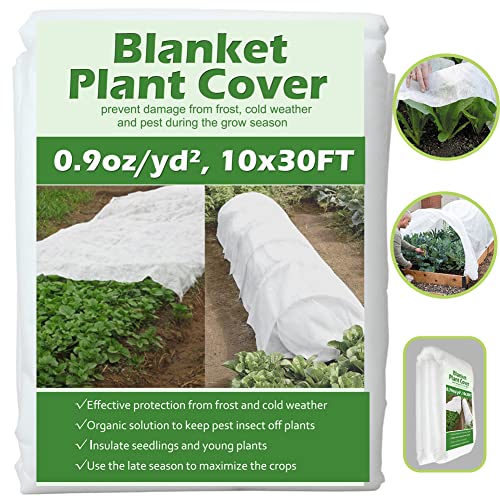
Being first with a crop often matters more than total yield. A small set of tools, such as row covers, low tunnels, or a simple greenhouse, lets us start seeds weeks before the last frost. Those extra weeks mean the first carrots, beets, lettuce, and tomatoes show up on our table when stands around us are still empty.
Season extension also stretches the back end of the year. Covers protect basil, peppers, and greens from early cold snaps, so we keep selling while unprotected crops turn black. Even one extra market day with good volume can cover the cost of fabric or hoops.
Through Gardening Elsa, we share sample planting calendars and layout ideas that show exactly how to:
- Start early crops under cover
- Follow them with fast summer vegetables
- Use covers again in the fall for one more round of greens
Stacking seasons this way lets each bed earn longer without much extra gear.
Intensive Planting And Succession Sowing
Leaving wide bare paths between single rows wastes precious square feet. With intensive planting, we fill raised beds from edge to edge in tight patterns that still allow air and light.
Close spacing helps shade the soil, which keeps weeds and evaporation down. Carrots, beets, scallions, and salad greens all respond well when given rich soil and consistent water in this style.
Succession sowing keeps that same bed earning from the first warm days to the last chill. Instead of planting one big patch of cilantro or arugula, we sow smaller strips every two or three weeks, then pull out tired sections and replant. Pelleted seed for tiny crops such as carrots and lettuce saves thinning time and gives even stands.
We put strong focus on soil health and gentle fertilizer use, which supports the heavy planting these methods call for. With good compost, balanced nutrients, and steady moisture, beds can host several rounds of profitable vegetables to grow and sell each year.
For quick reference, high‑earning beds usually share three traits:
- Deep, living soil with plenty of organic matter
- Tight, thoughtful spacing
- A clear plan for what replaces each crop as soon as it comes out
How To Track Your Numbers And Grow Smarter Each Season
Growing for income feels safer when we treat our beds like small business units, and resources such as Organic Agriculture | Economic Research Service data highlight how tracking input costs and returns is a consistent differentiator between farms that succeed and those that break even.
Guessing which crops pay off can be misleading. We may feel busy harvesting squash, yet find that a narrow strip of salad mix brings in more money with less work. Simple numbers show which profitable vegetables to grow and sell deserve more space next year.
We do not need fancy software for this work. A clipboard in the shed or a basic spreadsheet on a phone is enough as long as we stay consistent.
Two easy metrics make a big difference:
- Gross sales per square foot show which beds earn the most money. We record harvest totals and cash from each bed, then divide by the area. Low numbers tell us to switch crops or fix soil and spacing.
- Gross profit per harvest hour shows whether a crop rewards our time. For each picking, we note the minutes spent and the sales, then divide the dollars by hours. Crops that reach one hundred dollars per hour or more deserve extra space.
For example, if a ten‑foot bed of salad mix brings in one hundred and fifty dollars over three cuttings and takes two hours total to harvest and wash, that is fifteen dollars per square foot and seventy‑five dollars per hour of harvest work. Numbers like that tell us the bed is doing its job.
Once we have those two numbers, we can build a simple budget for key crops:
- On one side of the page, list seeds, compost, tools, market fees, and labor hours.
- On the other side, list the total sales from that bed for the season.
Seeing both together reveals which vegetables leave real profit after expenses and which only look good on a busy day.
At the end of the season, we sit down with these notes and compare crops and even varieties. Maybe our new salad mix outperformed head lettuce, or mini sweet peppers beat bell peppers by a wide margin. That review shapes a stronger plan for the next year.
“What gets measured gets managed.”
— Often quoted in small‑business circles, and just as true in the garden
Conclusion
Profitable vegetable growing is not about chasing one secret crop. It works best when we match the right plants with the right buyers, use smart growing methods, and pay attention to our numbers.
With that frame in place, the fifteen crops we have shared here, led by garlic, salad greens, herbs, and specialty peppers and tomatoes, can turn even a modest yard into a steady side income.
Starting does not have to feel heavy. We can pick just two to four crops that fit our climate, space, and favorite foods, then focus on learning those well for one season. As our skills and records grow, we can add more profitable vegetables to grow and sell without losing control of our time.
We bring together soil science, small‑space design, and sustainable methods so home growers can raise healthy plants and confident harvests. Your garden has more earning power than it seems at first glance, and we would be glad to help you turn that potential into real cash and great food.
FAQs
What Is The Most Profitable Vegetable To Grow And Sell?
Garlic usually lands at the top of the list for small‑scale growers. It needs little attention after planting, holds well once cured, and often sells for twelve dollars per pound or more. On many farms, it brings in the most income for the least work. Close behind are salad greens, basil, and mini sweet peppers, especially when we sell direct to shoppers who value fresh, local food.
Can I Make Money Selling Vegetables From My Backyard Garden?
Yes, a backyard can bring in real money, even if it holds only a few beds. The key is filling that space with high‑value, fast crops such as salad mix, basil, garlic, and cherry tomatoes instead of low‑priced storage crops. Many growers start with a single market table once a week. Gardening Elsa shares container and small‑space ideas that help every square foot pull its weight.
How Do I Know Which Vegetables Will Sell Well In My Area?
We start by watching people, not seed catalogs. A slow walk through local farmers markets shows which items sit on tables and which sell out early. Conversations with chefs and produce managers reveal vegetables they wish they could buy nearby. We then test small plantings of promising crops and track profit per square foot to decide what to expand the next year.
What Vegetables Are Easiest To Grow And Sell For Beginners?
For a first season, simple, quick crops are safest. Garlic, tray‑grown salad mix, bunching onions, radishes, and potted herbs all offer short learning curves and forgiving habits. They bring fast feedback and steady sales, which build confidence. Gardening Elsa offers step‑by‑step edible‑gardening guides so new growers avoid common mistakes that can eat into early profits.
How Much Space Do I Need To Start Selling Vegetables Profitably?
We do not need a giant field to earn from our harvest. Many sellers begin with only a few raised beds or a mix of beds and large containers. The secret is choosing crops with high value per square foot, such as salad greens, herbs, garlic, and cherry tomatoes. Our urban and small‑space resources show how to arrange tight spaces for both beauty and income.

Hello there! I’m Elsa, and gardening is my passion. As an avid gardener, I created GardeningElsa.com to share my knowledge and experience with fellow enthusiasts. My website is a comprehensive resource for gardeners of all levels, offering expert advice on a wide range of topics, including plants, flowers, herbs, and vegetable gardening. Whether you’re a beginner looking to start your first garden or a seasoned pro seeking to expand your knowledge, GardeningElsa.com has something for everyone. Read more about me.