
Mushroom compost is a popular soil amendment for many gardeners. It’s rich in nutrients and can improve soil structure. But not all plants thrive in this type of compost.
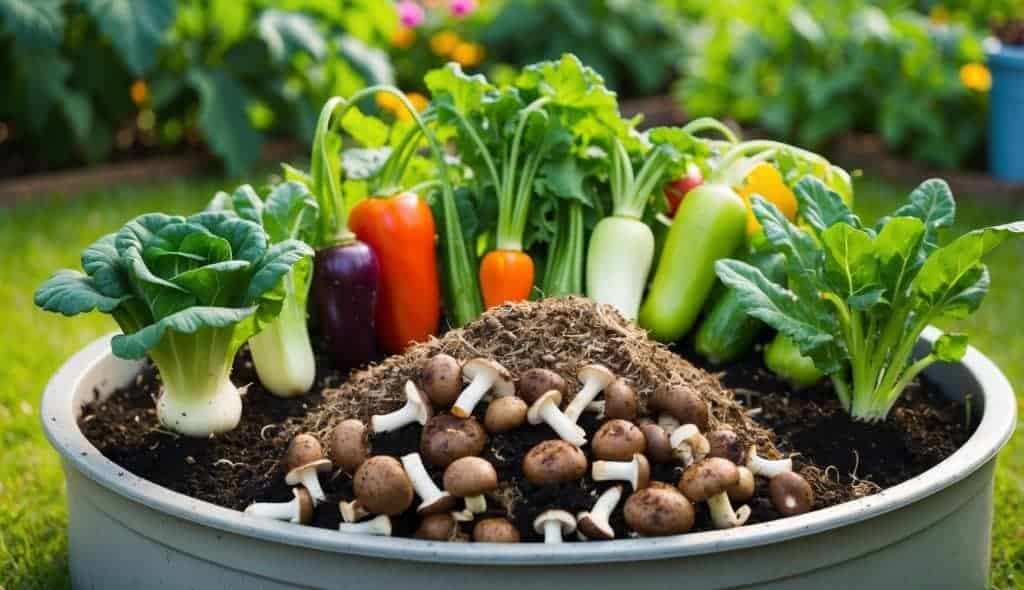
Some vegetables don’t grow well in mushroom compost. These plants may struggle due to the compost’s high salt content or alkaline pH. Knowing which veggies to avoid planting in mushroom compost can help gardeners make better garden choices.
1. Blueberries
Blueberries are a popular fruit known for their sweet taste and health benefits. They grow best in acidic soil with a pH between 4.5 and 5.5.
Mushroom compost is not suitable for blueberries. It has a high pH level, often around 6.5 to 7.5, which is too alkaline for these plants.
The alkaline nature of mushroom compost can make it difficult for blueberries to absorb essential nutrients from the soil. This can lead to poor growth and reduced fruit production.
Blueberries prefer acidic soil amendments instead of mushroom compost. Pine needles, peat moss, and sulfur are good options for creating the right environment for these plants.
When planting blueberries, it’s best to use a mixture of regular garden soil and ericaceous compost, which is specifically designed for acid-loving plants like blueberries.

Regular fertilization with an acidic fertilizer can help maintain the proper soil pH for blueberries. This ensures they can access the nutrients they need for healthy growth and abundant fruit production.
2. Azaleas
Azaleas are beautiful flowering shrubs that thrive in acidic soil conditions. They belong to the Rhododendron family and are known for their vibrant spring blooms.
Mushroom compost is not a good choice for azaleas. Its alkaline nature can harm these acid-loving plants.
Azaleas prefer soil with a pH between 4.5 and 6.0. Mushroom compost typically has a pH of 6.0 to 7.5, which is too high for these plants.
Using mushroom compost around azaleas can lead to yellowing leaves, stunted growth, and poor flower production. It may even cause the plants to die over time.
Azaleas benefit from acidic soil amendments instead of mushroom compost. Pine needles, peat moss, and ericaceous compost are better options for these shrubs.
Maintaining the right soil conditions is important when planting or caring for azaleas. Regular soil testing can help ensure the pH stays in the ideal range for these plants.
3. Rhododendrons
Rhododendrons are beautiful flowering shrubs that thrive in acidic soil conditions. They prefer a pH range between 4.5 and 6.0, which is more acidic than what mushroom compost provides.
Mushroom compost is typically alkaline, with a pH level around 6.8 to 7.5. This makes it unsuitable for rhododendrons and can harm their growth.

Using mushroom compost for rhododendrons can lead to yellowing leaves, stunted growth, and poor flower production. When grown in alkaline conditions, these plants may also become more susceptible to diseases and pests.
Rhododendrons benefit from acidic soil amendments instead of mushroom compost. Pine needles, peat moss, and ericaceous compost are better options for these plants.
Maintaining the soil’s acidity is important to keeping rhododendrons healthy. Regular soil testing can help gardeners monitor pH levels and make necessary adjustments.
4. Camellias
Camellias are beautiful flowering shrubs that thrive in acidic soil conditions. These plants prefer a pH range of 5.5 to 6.5, making them sensitive to alkaline environments.
Mushroom compost often has a high pH level due to its lime content. This can be problematic for camellias, as it may raise the soil pH beyond their preferred range.

Using mushroom compost around camellias can lead to nutrient deficiencies and poor growth. The plants may show signs of stress, such as yellowing leaves or stunted development.
Camellias benefit from acidic organic matter instead of mushroom compost. Gardeners can use pine needles, composted leaves, or specialized ericaceous compost.
These alternatives help maintain the acidic soil conditions that camellias need to flourish. They also provide essential nutrients without disrupting the soil pH balance.
When planting or caring for camellias, it’s best to avoid mushroom compost entirely. This ensures the plants receive the right soil environment for optimal health and blooming.
5. Gardenias
Gardenias are beautiful flowering shrubs known for their fragrant white blooms. They thrive in acidic soil conditions.
Mushroom compost is not ideal for gardenias. It tends to be alkaline, which goes against the acidic environment gardenias need.
The optimal pH range for gardenias is between 5.0 and 6.0. Mushroom compost can raise the soil pH above this level.
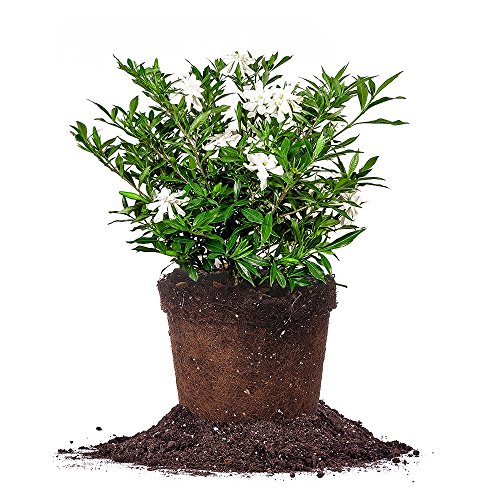
Using mushroom compost may lead to yellowing leaves and poor growth in gardenias. This is due to the plant’s inability to absorb nutrients in alkaline conditions.
Gardeners should avoid using mushroom compost directly around gardenias. Instead, they can opt for acidic soil amendments like peat moss or pine needles.
If mushroom compost must be used in the garden, it’s best to keep it away from gardenia planting areas. This helps maintain the acidic soil these plants prefer.
For healthy gardenias, use fertilizers made for acid-loving plants. These provide the right nutrients without altering the soil pH.
6. Heathers
Heathers are small shrubs that prefer acidic soil conditions. Due to its alkaline nature, they don’t do well with mushroom compost.
Mushroom compost can raise the pH of the soil, making it less suitable for heathers. These plants thrive in soil with a pH between 4.5 and 6.0.

Using mushroom compost around heathers can lead to poor growth and yellowing leaves. It may also cause the plants to struggle with nutrient uptake.
Gardeners should use acidic or ericaceous compost instead for healthy heathers. This type of compost helps maintain the low pH that heathers need.
Peat-based composts or those made from pine needles are good choices for heathers. These materials naturally create the acidic environment these plants prefer.
When planting heathers, mixing the acidic compost with the existing soil is best. This ensures the right growing conditions from the start.
Regular fertilizing with an acid-loving plant food can help heathers thrive. This provides the nutrients they need while maintaining the proper soil pH.
7. Hydrangeas
Hydrangeas are beautiful flowering shrubs known for their large, showy blooms. These plants thrive in acidic soil conditions, so they don’t get along well with mushroom compost.
Mushroom compost is typically alkaline. This can raise the soil’s pH level, making it less suitable for hydrangeas. When the soil becomes too alkaline, hydrangeas may struggle to absorb essential nutrients.
The alkalinity of mushroom compost can affect the color of hydrangea flowers. In acidic soil, many hydrangea varieties produce blue flowers. But in alkaline conditions, the same plants might produce pink blooms instead.
For best results, gardeners should avoid using mushroom compost around hydrangeas. Instead, they can use acidic soil amendments like pine needles or coffee grounds. These materials help maintain the low pH levels that hydrangeas prefer.
Gardeners can use well-rotted garden compost or specific soil improvers designed for acid-loving plants if the soil needs improvement. These alternatives provide nutrients without altering the soil pH in ways that could harm hydrangeas.
8. Holly
Holly plants prefer acidic soil conditions. They struggle in the alkaline environment created by mushroom compost.
Using mushroom compost around holly can lead to yellow leaves. This is a sign the plant is not getting proper nutrients.
Holly needs well-draining, slightly acidic soil. Mushroom compost changes the soil pH, making it too alkaline for holly to thrive.

Instead of mushroom compost, use organic matter like well-rotted garden compost for holly. This will improve the soil without altering the pH too much.
Garden centers often sell specific soil improvers that work well for acid-loving plants like holly. These are better choices than mushroom compost.
To keep holly healthy, avoid using mushroom compost to retain moisture around the plant. This can harm its growth and appearance over time.
9. Basil
Basil is a popular herb that thrives in soil with a pH between 6.0 and 7.0. This range is slightly acidic to neutral, making mushroom compost less than ideal for basil plants.
Mushroom compost tends to be alkaline, which can affect basil growth. The high pH of mushroom compost may lead to nutrient deficiencies in basil plants.
Basil prefers well-draining soil rich in organic matter. While mushroom compost can improve soil structure, its alkalinity can offset the benefits for basil plants.
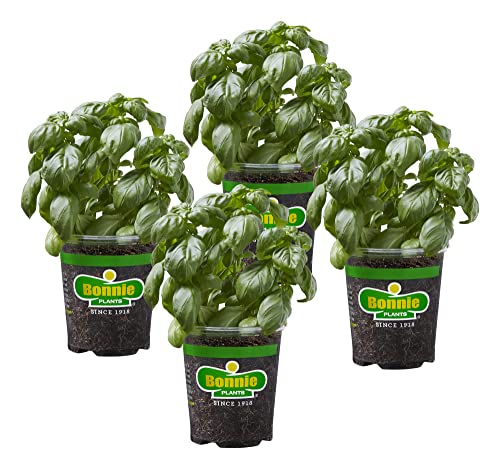
Gardeners can enrich the soil for basil with other organic materials instead of mushroom compost. Compost made from kitchen scraps, leaves, or well-rotted manure is a good choice.
These alternatives provide the nutrients basil needs without altering the soil pH too much. They also help improve soil structure and water retention.
When growing basil, it’s important to monitor the soil pH regularly. If the pH rises too high, it can lead to yellowing leaves and stunted growth in basil plants.
Gardeners should maintain slightly acidic to neutral soil conditions to keep basil healthy. This approach helps ensure the plant can access its nutrients for strong growth and flavor.
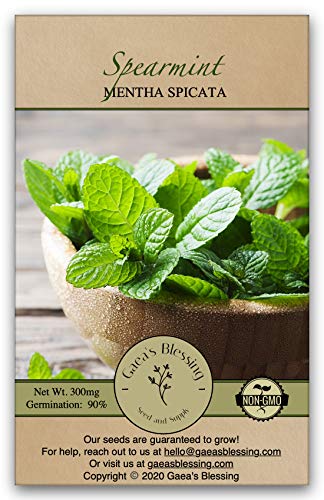
10. Mint
Mint is a popular herb known for its refreshing scent and flavor. It grows well in many conditions but can be sensitive to certain soil types.
Mint prefers slightly acidic to neutral soil. Mushroom compost is often too alkaline for mint’s liking. The high pH can make it harder for mint to absorb nutrients.
Using mushroom compost with mint may lead to yellowing leaves and stunted growth. The plant might struggle to thrive in this environment.
Mint does better with other organic matter than mushroom compost. Leaf mold, well-rotted manure, or regular garden compost are good choices.
These alternatives provide the nutrients mint needs without changing the soil pH too much. They also help improve soil structure, which mint appreciates.
If you want to use some mushroom compost, mix it sparingly with other materials. This can help balance out its effects and make it more suitable for mint.
Remember that mint is a vigorous grower. It often does well without much added compost. Regular soil with good drainage is usually enough for healthy mint plants.
11. Thyme
Thyme is a fragrant herb that thrives in well-draining soil. It prefers slightly alkaline to neutral pH levels, typically between 6.0 to 8.0.
Mushroom compost is not ideal for thyme due to its high moisture retention. Thyme plants like dry conditions and can suffer from root rot if the soil is too wet.
The rich nutrient content of mushroom compost can also be problematic for thyme. This herb grows best in lean soil without excessive fertilization.

Instead of mushroom compost, thyme does better with a mix of regular potting soil and sand. This combination provides the drainage that thyme needs to flourish.
For container-grown thyme, use a terracotta pot with drainage holes. This allows excess water to escape and prevents waterlogged roots.
When planting thyme in the garden, choose a sunny spot with good air circulation. Add some gravel or small stones to the soil to improve drainage.
Thyme is drought-tolerant once established. Water sparingly and only when the soil feels dry to the touch.
12. Oregano
Oregano is a popular herb known for its flavorful leaves and aromatic qualities. This Mediterranean plant thrives in well-drained soil with plenty of sunlight.
Oregano prefers slightly acidic to neutral soil conditions. Its ideal pH range is between 6.0 and 7.0.
Mushroom compost can be problematic for oregano due to its alkaline nature. The high pH of mushroom compost may not suit oregano’s soil preferences.
Additionally, oregano doesn’t need very rich soil to grow well. It actually performs better in less fertile conditions. Mushroom compost’s high nutrient content might lead to excessive foliage growth at the expense of flavor.
For oregano, it’s best to use a lighter, less nutrient-dense growing medium. A mix of regular garden soil with some sand or perlite works well. This allows for better drainage and prevents overfeeding.
If gardeners want to improve their soil for oregano, they can add small amounts of well-rotted compost or leaf mold. These alternatives provide gentler nutrition without dramatically altering soil pH.
13. Sage
Sage is a popular herb known for its aromatic leaves and culinary uses. This evergreen shrub prefers well-draining soil with a slightly acidic to neutral pH.
Mushroom compost is not ideal for sage plants. Its high alkalinity can negatively affect sage’s growth and overall health.
Sage thrives in lean soils and doesn’t require heavy fertilization. Adding mushroom compost may provide too many nutrients, leading to weak growth and reduced leaf flavor.
Sage benefits from other soil amendments instead of mushroom compost. Well-rotted garden compost or specific soil improvers from garden centers work well for this herb.
A balanced fertilizer with a 20-20-20 formula can be applied sparingly for indoor sage plants. This provides the necessary nutrients without overwhelming the plant.
When improving sage soil, focus on drainage rather than adding rich organic matter. A mix of sand and regular garden soil suits sage better than nutrient-dense composts.
14. Daffodils
Daffodils are spring-blooming bulbs that prefer slightly acidic soil. Due to its alkaline nature, they don’t thrive in mushroom compost.
These cheerful flowers grow best in well-draining soil with a pH between 6.0 and 6.5. Mushroom compost typically has a pH of 7.0 or higher, which is too alkaline for daffodils.

Using mushroom compost around daffodils can lead to poor growth and fewer blooms. It may also cause the bulbs to rot in the ground.
Daffodils benefit from other organic matter instead of mushroom compost. Leaf mold, well-rotted manure, or homemade compost are better choices for these flowers.
When planting daffodils, mix bone meal or bulb fertilizer into the soil. This provides the nutrients they need without altering the soil pH.
If you’ve already used mushroom compost in your garden, don’t worry. You can still grow daffodils by creating raised beds with fresh, acidic soil.
Remember to plant daffodil bulbs about 6 inches deep and 4-6 inches apart in fall. They prefer full sun to partial shade and will return year after year with proper care.
15. Tulips
Tulips are spring-flowering bulbs known for their vibrant colors and elegant shape. These popular flowers prefer slightly acidic to neutral soil conditions.
Mushroom compost can be problematic for tulips due to its alkaline nature. The high pH levels in mushroom compost may not suit tulips’ soil preferences.

Tulip bulbs can be sensitive to excess nutrients and salts. Mushroom compost often contains high levels of soluble salts, which can harm tulip roots and bulbs.
Using mushroom compost around tulips may lead to poor growth, weakened plants, or even bulb rot. It’s best to avoid using this type of compost directly on tulip beds.
For tulips, it’s better to use well-draining, slightly acidic soil enriched with organic matter. Compost made from leaves or aged bark works well for these flowers.
When planting tulips, focus on providing good drainage and moderate fertility. Too much rich organic matter can cause tulips to grow tall and weak.
If you have mushroom compost, use it for other plants in your garden that prefer alkaline conditions. Save your tulip beds for more suitable soil amendments.
Understanding Mushroom Compost
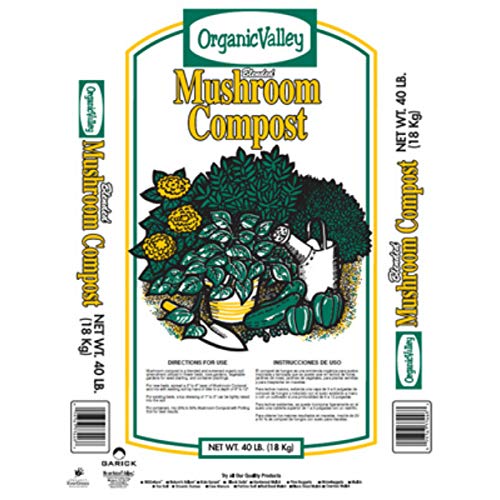
Mushroom compost is a soil amendment made from organic materials used in mushroom farming. It can improve soil structure and add nutrients, but some plants don’t tolerate it well.
Components and Benefits
Mushroom compost comprises straw, peat moss, and other organic matter. It’s rich in nutrients like nitrogen, phosphorus, and potassium. This compost helps soil hold water and improves drainage.
It adds organic matter to the soil, which feeds beneficial microbes. These microbes break down nutrients for plants to use. Mushroom compost also makes soil less compact, letting roots grow more easily.
However, its high pH makes it alkaline. This can be good for some plants but bad for others that need acidic soil.
Common Uses in Gardening
Many gardeners use mushroom compost to enrich vegetable gardens and flower beds. It works well for plants that like neutral or slightly alkaline soil.
Mushroom compost often grows well with tomatoes, peppers, and squash. It’s also good for roses and many herbs.
Some gardeners mix it into potting soil for container plants, and others use it as mulch around trees and shrubs.
But it’s not good for all plants. Acid-loving plants like blueberries and azaleas don’t like it, and its high nutrient content can also harm young seedlings.
Why Some Vegetables Dislike Mushroom Compost
Mushroom compost’s unique properties can cause problems for certain vegetables. Some plants struggle with its high pH and nutrient content.
Impact on Soil pH Levels
Mushroom compost is often alkaline, with a pH between 6.0 and 8.0. This can be too high for vegetables that prefer acidic soil.
Tomatoes, peppers, and potatoes typically thrive in slightly acidic conditions. When grown in mushroom compost, they may show signs of nutrient deficiencies.
Leafy greens like spinach and kale can also struggle in high-pH soil. They may have trouble absorbing iron, leading to yellowing leaves.
To fix this issue, gardeners can mix mushroom compost with acidic materials. Pine needles or sulfur can help lower the pH to a more suitable level.
Nutrient Imbalances
Mushroom compost is rich in nutrients, both good and bad. It contains high levels of soluble salts and nitrogen.
These nutrients are susceptible to young plants and seedlings. Too much can burn their roots or stunt their growth.
Root vegetables like carrots and beets may develop forked or misshapen roots in nutrient-rich soil. They prefer less fertile ground to grow correctly.
Peas and beans, which fix their own nitrogen, can become too leafy in mushroom compost. This leads to fewer flowers and pods.
Gardeners can mix mushroom compost with regular soil to dilute its nutrient content. This creates a more balanced growing medium for sensitive vegetables.
Alternatives to Mushroom Compost
Many great options exist for gardeners who want to avoid mushroom compost. These alternatives can provide similar benefits while catering to the specific needs of different plants and vegetables.
Exploring Other Organic Options
Gardeners can use well-rotted garden compost as a mushroom compost substitute. This option improves soil structure and adds nutrients. Leaf mold, made from decomposed leaves, is another choice. It enhances soil texture and water retention.
Composted bark works well for acid-loving plants. It slowly breaks down, improving soil over time. Worm castings offer a nutrient-rich alternative. They contain beneficial microbes that help plants thrive.
For a quick soil boost, try green manure. This involves growing plants like clover or alfalfa, then turning them into the soil. It adds organic matter and improves soil health.
Benefits of Crop-Specific Compost
Crop-specific composts are tailored to meet the needs of particular plants. Vegetable compost blends often contain a mix of plant materials and animal manures, providing balanced nutrition for most garden vegetables.
Fruit tree compost typically has higher potassium levels, which support fruit production and overall tree health. Some blends include bone meal for extra phosphorus, which aids root growth.
Herb garden composts often have a lighter texture. This allows for better drainage, which many herbs prefer. These mixes may also have added lime to adjust pH levels for herb varieties that like alkaline soil.
Conclusion
Mushroom compost isn’t ideal for all vegetables. Some plants struggle with its alkaline nature and high salt content. Root vegetables like potatoes, carrots, and beets often have issues. Leafy greens such as spinach and lettuce may also face challenges.
Acid-loving vegetables like blueberries and some tomato varieties prefer more acidic soil. For these plants, alternative composts or soil amendments work better. Peat moss or pine needle mulch can help create the right environment.
Before using mushroom compost, it’s important to know your plants’ needs. Soil testing can guide your choices. Many vegetables thrive with mushroom compost, but others need different care.
Gardeners should consider each plant’s specific requirements. This ensures the best growing conditions and healthiest crops. With the right knowledge, you can make smart choices for your vegetable garden’s success.

Hello there! I’m Elsa, and gardening is my passion. As an avid gardener, I created GardeningElsa.com to share my knowledge and experience with fellow enthusiasts. My website is a comprehensive resource for gardeners of all levels, offering expert advice on a wide range of topics, including plants, flowers, herbs, and vegetable gardening. Whether you’re a beginner looking to start your first garden or a seasoned pro seeking to expand your knowledge, GardeningElsa.com has something for everyone. Read more about me.
