
The first freeze hits, the backyard beds turn soggy and brown, and the grocery store lettuce starts to look tired and expensive. Meanwhile, the idea of walking into a warm, green space to pick crisp salads or ripe tomatoes feels out of reach. That is usually the moment people start to wonder how others manage to grow vegetables in greenhouse spaces all year.
A greenhouse changes your options because it gives you your own pocket of steady weather. Instead of letting frost, heat waves, or pounding rain call the shots, you guide the conditions so plants keep growing. With the right plan, even a small structure can help you harvest from greenhouse beds or containers through every season, from winter spinach to summer cucumbers.
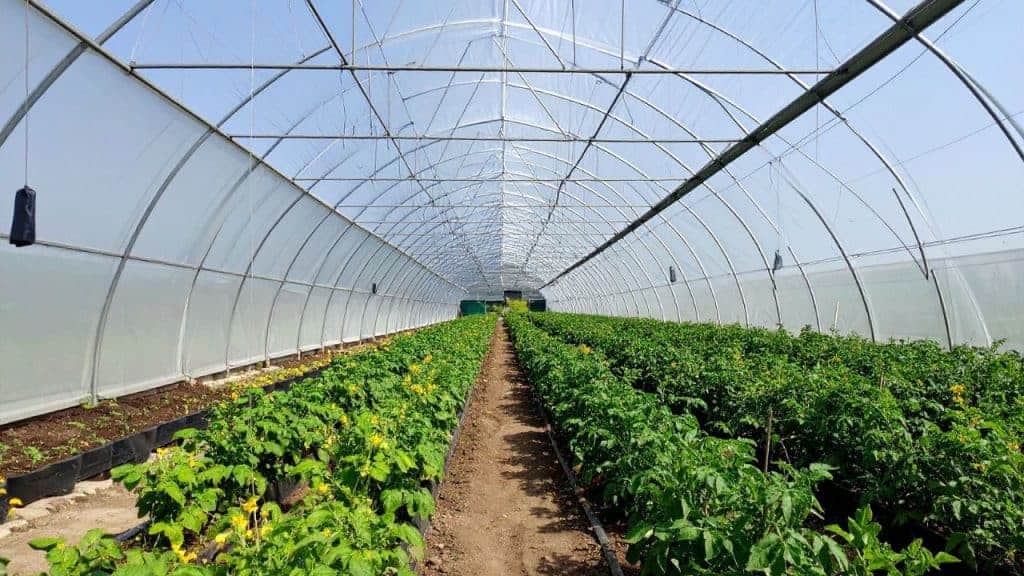
Many gardeners worry that greenhouses are complicated, costly, or meant only for experts. As Gardening Elsa, this is where our work shines. We combine formal horticulture training with years of growing food in real backyards, on patios, and in compact greenhouses. This guide walks through simple, science-backed steps that feel manageable even if you are new to protected growing.
“The aim is to harvest from the garden every day of the year.”
— Eliot Coleman, author of The Winter Harvest Handbook
By the end, you will know how to choose and set up a greenhouse, build healthy soil, pick the right crops for each season, manage climate and watering, and plan for steady harvests. The goal is straightforward and realistic: help you grow vegetables in greenhouse conditions year round with confidence, not guesswork.
Key Takeaways
- Extend the season. A greenhouse lets you push harvests into fall, winter, and early spring, so beds keep producing instead of sitting empty. With smart planning, you can grow vegetables in greenhouse conditions during all four seasons and turn occasional harvests into a steady supply of fresh food.
- Plan the site wisely. Location, size, and structure type shape how well you grow vegetables in greenhouse spaces over the long term. A sunny, well-drained, easy-to-water site, with room to move around, sets you up for success. Choosing one size larger than you think you need prevents fast overcrowding.
- Match crops to temperature. Cool-season and warm-season crops like lettuce and tomatoes want very different temperatures, so they share space poorly. Planning separate seasons inside the same structure helps every crop thrive. Treat your greenhouse like a rotating stage rather than one fixed show.
- Manage the climate. Temperature, airflow, watering, and humidity need regular attention if you want to grow vegetables in greenhouse environments without constant disease issues. Simple habits like venting on warm days and watering early in the morning prevent the most common failures.
Planning And Setting Up Your Greenhouse
Before a single seed goes in the soil, the way you set up the structure decides how easy it will be to grow vegetables in greenhouse beds year after year. Good planning can save you from cold corners, soggy floors, and cramped walkways that are hard to fix later. Think of this step as building a reliable home for your plants, not just a shell.
At Gardening Elsa, we often start greenhouse students with a simple sketch of their yard plus a wish list of crops and seasons. That planning step, along with clear layout ideas, keeps the space efficient and keeps frustration low.
Choosing The Right Location And Orientation
Location is the closest thing to free energy you get in gardening. To grow vegetables in greenhouse spaces through the darker months, you want maximum sun. In most of the US, that means lining the long side of the greenhouse on an east–west axis so it faces south and soaks up low winter light.
Aim for a spot that meets these basic needs:
- Full sun for at least 6 hours a day in winter
- Level, well-drained ground so water does not pool inside or around the base
- Good access to water, and if possible, to power for fans or a small heater
- Protection from strong winds, but without heavy shade from trees or buildings
The ground should be level and drain well. Standing water leads to root rot, slippery floors, and frost pockets that make it harder to grow vegetables in greenhouse beds near the edges. Keep the structure away from tall trees and buildings that cast deep shade, and watch for invasive roots that might push up under the floor later.
Gutters along the roof, feeding into rain barrels, are a simple upgrade that controls runoff while giving you a free watering source. Place the greenhouse close enough to a hose bib or water tote so daily watering does not turn into a chore. All of this makes the space more pleasant to work in, which matters when you want to grow vegetables in greenhouse gardens for many years.
“The best fertilizer is the gardener’s shadow.”
— Old gardening proverb
Picking The Right Size And Type
Almost every gardener who buys a greenhouse says the same thing a year later: it feels too small. Plants, tools, and ideas all multiply, especially once you see how well you can grow vegetables in greenhouse conditions. That is why the classic advice is to choose at least one size larger than you think you need.
For a household that wants a steady supply of produce, plan for about 20–25 square feet of growing area per person as a starting guide. Remember that you may also want:
- Bench space for seed starting
- Room to overwinter tender perennials
- Shelves or hooks for tools and amendments
- A path wide enough to move a wheelbarrow or large containers
Those extras eat floor space, so include them in your plan.
Common greenhouse types include:
- Freestanding greenhouses – give the best light and layout flexibility.
- Lean-to styles – save money and share warmth from a house or garage wall.
- Hoop houses or simple polytunnels – usually cheaper and quicker to build, great for extending seasons, even if they are less fancy.
For covering, glass offers excellent light but can break more easily, while twin-wall polycarbonate is tough, insulates well, and softens the strong sun. Any of these types can help you grow vegetables in greenhouse gardens year round if the site and size fit your goals.
Preparing The Soil And Growing Beds
Once the shell is in place, the real engine of your greenhouse is the soil. Healthy, living soil lets you grow vegetables in greenhouse beds over and over without constant problems. Poor soil turns the structure into an expensive storage shed.
We put soil health at the center of every edible garden plan. Whether you plant in raised beds, in-ground rows, or large containers, the goal is the same. You want a loose, fertile, well-drained mix that holds moisture while still letting air reach the roots.
Soil Testing And Composition
Before planting, take time to see what you are working with. A simple squeeze test tells you a lot. Moisten a handful of soil and press it in your palm:
- If it falls apart, there is a lot of sand.
- If it stays sticky and hard, clay is high.
- A soft, crumbly ball means you have loam, which is the best base to grow vegetables in greenhouse beds.
Next, check pH. Most vegetables prefer slightly acidic soil between 5.8 and 6.5. Cheap test kits or digital meters work well. If your reading is low, a light dusting of garden lime over time raises it. If it is high, elemental sulfur added according to label directions lowers it.
A basic nutrient test will show levels of nitrogen, phosphorus, and potassium. That report guides which organic fertilizers to add for balance. A strong general mix for greenhouse vegetables is about:
- 60% loam
- 30% finished compost
- 10% bark mulch or coconut coir for air space and water holding
After blending, apply a balanced vegetable fertilizer so that when you grow vegetables in greenhouse beds, plants have what they need from the first day. Over time, top-dressing with compost and using gentle organic feeds keeps soil alive with worms and microbes.
“Feed the soil, not the plant.”
— Organic gardening maxim
Raised Beds Vs. Containers
Inside a greenhouse, most home growers choose raised beds, containers, or a mix of both. Raised beds give excellent drainage and keep soil from getting packed down by foot traffic. Bottomless designs sit right on the ground so roots can dive deeper, which helps when you grow vegetables in greenhouse beds through hot spells or long winters.
Containers are helpful when space is tight or when you want to move crops around. The key is volume. A deep container holds more soil, which holds more water and nutrients. That stability makes it much easier to grow vegetables in greenhouse pots without daily stress.
A few simple guidelines:
- Match depth to the crop. Carrots and parsnips need at least 12 inches, while leaf lettuce is content in four.
- Use high-quality potting mix, not straight garden soil, for better drainage in pots.
- Add a layer of coarse material or potsherds only if drainage holes clog easily; otherwise, fill containers fully with a good mix.
Between each crop cycle, clean beds and containers well. Pull old roots, remove dead leaves, and scrape off any algae. Then add a fresh layer of compost, lightly turn it in, and top up with a small dose of balanced fertilizer. That steady care keeps soil fertile so you can grow vegetables in greenhouse spaces season after season without big crashes in yield.
Choosing The Best Vegetables To Grow In Your Greenhouse
A greenhouse can feel like a candy shop for plant lovers. It is tempting to plant a little of everything. The better path is to choose crops based on temperature, light needs, and your family’s eating habits. When you match plants to conditions, it becomes far easier to grow vegetables in greenhouse environments without constant disappointment.
The most important idea is that cool-season and warm-season crops prefer very different ranges. Lettuce and spinach are happy in chilly air that would stall tomatoes. Tomatoes and cucumbers crave heat that would send lettuce straight to seed. Instead of mixing them, give each group its own part of the year in your greenhouse.
Cool-Season Vegetables: Fall, Winter, And Spring Stars
Cool-season crops are your best friends for fall, winter, and early spring production. They thrive when daytime temperatures stay near 50–70°F and nights run 45–55°F. They can handle brief dips near freezing as long as the soil is not waterlogged. Light demand is modest, so they are perfect when short days make it harder to grow vegetables in greenhouse spaces.
Here is a quick guide to reliable cool-weather crops.
| Vegetable | Min. Container Depth | Spacing | Key Growing Tip |
|---|---|---|---|
| Leaf Lettuce | 4 inches | 9 inches | Keep temperatures under 70°F to stop early flowering and enjoy tender leaves. |
| Spinach | 8 inches | 6 inches | Prefers cool air near 45–50°F and steady moisture without big swings. |
| Swiss Chard | 8 inches | 9–12 inches | Can be cut again and again, making it a greenhouse workhorse. |
| Green Onions | 6 inches | 3 inches | Soil should never dry out, and short winter days favor leaf growth. |
| Beets | 8 inches | 6 inches | Sow in late summer and hold plants in a cool greenhouse for winter roots. |
| Radishes | 5 inches | 2–3 inches | Need at least 12 hours of light to form good bulbs and dislike heat. |
| Broccoli or Cabbage | 10 inches | 18 inches | Use about five gallons of soil per plant and avoid long warm, humid spells. |
| Carrots | 12 inches | 3 inches | Short types like Scarlet Nantes stay sweet in cool, even moisture. |
Many herbs do well alongside these crops. Dill, parsley, and cilantro are especially happy in cool air. Basil prefers more warmth, but still grows very well once spring light strengthens. Filling edges with herbs is an easy way to grow vegetables in greenhouse beds while keeping fresh flavors near the door.
To get steady winter harvests, sow in late summer and early fall so plants reach near-full size before the deep cold arrives. Growth slows in midwinter, but your greenhouse becomes a living fridge full of fresh greens and roots.
Warm-Season Vegetables: Summer Crops And Heat-Lovers
Warm-season crops are the stars of summer and late spring. These are the plants most people picture when they think about how to grow vegetables in greenhouse spaces for big, colorful harvests. They need more attention, but the rewards are high.
Aim to keep days between 60 and 85°F and nights between 55 and 65°F. Temperatures below 55°F at night can stop flowers from setting fruit, especially on tomatoes and peppers. Light needs are high, so do not expect heavy yields if your greenhouse is shaded. During winter, trying to grow these crops without extra heat and light becomes expensive for most home gardeners.
Pollination is another key point. Inside a greenhouse, there is little wind and often few bees. That means you help move pollen. Gently shaking flower clusters or brushing flowers with a soft paintbrush works well.
Some growers even touch an electric toothbrush to the stem to vibrate pollen loose so they can grow vegetables in greenhouse spaces with reliable fruit set.
Use this table as a quick reference.
| Vegetable | Min. Container Depth | Spacing | Key Growing Tip |
|---|---|---|---|
| Tomatoes | 12 inches and 2–5 gallons | 24 inches | Hand pollination and steady night warmth give the best yields. |
| Cucumbers | 8 inches and 3–4 gallons | 18 inches | Choose greenhouse types and combine high humidity with strong airflow. |
| Peppers | 8 inches and 2–5 gallons | 15 inches | Keep night temperatures above 55°F and assist with pollination. |
| Eggplant | 8 inches and 4–5 gallons | 24 inches | Likes deep, warm soil and calm conditions for good fruit set. |
| Summer Squash | 8 inches and 5 gallons | 24 inches | Train upward when possible and keep leaves dry to limit mildew. |
| Muskmelon | 8 inches and 5 gallons | 24 inches | Trellis vines, aim for warm days near 80°F, and watch humidity. |
For most home growers, the best rhythm is to grow cool-season crops in fall and winter, then switch the greenhouse over to warm-season crops once light and temperatures rise. That pattern makes it much easier to grow vegetables in greenhouse environments all year round without fighting the weather.
Managing The Greenhouse Climate Year Round
Even the best greenhouse will not manage itself. To grow vegetables in greenhouse conditions through hot summers and cold snaps, you guide temperature, airflow, and moisture over time. Think of climate management as another form of regular plant care, like watering or pruning, rather than a one-time setup.
The good news is that many fixes are simple. Opening a vent, adding a small fan, or changing when you water often matters more than buying fancy gear. At Gardening Elsa, we focus on these practical habits because they give the biggest payback for home growers.
Temperature And Ventilation Control
A greenhouse acts like a suntrap. On bright winter days, this is perfect, since it warms the air and helps you grow vegetables in greenhouse beds without extra heat. In summer, though, the same effect can push temperatures into plant-killing ranges unless you move air.
Side and roof vents are your first tools. On warm days, crack them early before the space turns into an oven. Cross-breezes carry hot, moist air out and pull fresh air in. Even a small clip-on fan can help mix hot and cool layers so plants do not cook near the roof while soil stays cool.
A few extra temperature tips:
- Use shade cloth on scorching days to protect tender leaves.
- Add thermal mass such as black barrels of water or stone pavers to soak up heat by day and release it at night.
- Keep a simple max–min thermometer inside so you know what your plants truly experience.
During winter nights, close vents and consider row covers over the most tender crops to hold in a few extra degrees. If you hope to grow warm-season crops in greenhouse spaces through winter, you may need a small heater. Before buying one, compare fuel costs to the value of the harvest, so you know whether the effort makes sense for your goals.
Watering And Humidity Management
Water behaves differently under cover. Sun still dries the soil, but wind and open air no longer pull moisture off leaves as fast. That means it is easier both to underwater and to create leaf diseases if habits are off.
Aim to water early in the day. This gives leaves time to dry before cooler night air settles, which lowers the risk of mildew and blight. Focus water at the base of plants, not on foliage. Drip lines or soaker hoses are excellent for growing vegetables in greenhouse beds while keeping leaves dry.
Seedlings have shallow roots and may need water once a day, especially in small cells. Established plants prefer deep, less frequent soakings that reach the bottom of their root zone. A simple moisture meter or just a finger pushed into the soil helps you judge when it is time.
Watch for these common signs:
- Overwatering: yellowing lower leaves, algae on soil, and fungus gnats.
- Underwatering: wilted plants that perk up quickly after watering, dry soil pulling away from pot edges.
A small hygrometer on the wall lets you track humidity. If readings stay high at night, open vents slightly or reduce late-day watering so you can grow vegetables in greenhouse spaces without constant fungal flare-ups.
Maximizing Space And Planning For Year-Round Harvests
Space inside a greenhouse is precious. The more efficiently you use it, the more food you harvest from every square foot. Instead of treating the layout as fixed, view it as a moving puzzle where plants come and go through the seasons. With that mindset, you can grow vegetables in greenhouse beds almost nonstop, even in a modest structure.
At Gardening Elsa, seasonal planning is one of our favorite topics, because this is where a simple greenhouse starts to feel like a steady pantry. A written plan prevents empty beds and helps you avoid cramming conflicting crops together.
Smart Planting Strategies
Several simple strategies help you use space far better than straight rows with wide paths. Each one makes it easier to grow vegetables in greenhouse gardens without needing more square footage.
- Succession planting keeps beds active instead of being idle. As one crop nears the end of its harvest, you already have the next seedlings waiting in trays. For example, when summer tomatoes start to wind down, trim off lower leaves and tuck young lettuce or spinach at their feet. The greens get shade at first, then full light when tomato vines are removed.
- Intensive planting focuses on planting in blocks rather than in single lines. Plants are spaced so their mature leaves just touch, which forms a living mulch. This pattern keeps soil cooler, cuts down weeds, and uses every inch between paths. With practice, you will see how closely you can grow vegetables in greenhouse beds without hurting airflow.
- Broadcast sowing works well for many leafy greens and baby root crops. Instead of neat rows, you scatter seed evenly over a prepared bed. As seedlings sprout, you thin them for early salads and leave the strongest ones to reach full size. This gives multiple harvests from one seeding.
- Vertical gardening turns empty air into extra growing area. Train cucumbers, indeterminate tomatoes, peas, and melons up strings, netting, or sturdy trellises. This frees ground space for shorter crops beneath and improves airflow around leaves. Even in a very small structure, this method allows you to grow vegetables in greenhouse spaces much more efficiently.
If your greenhouse is especially small, keep paths narrow but still comfortable to walk, and favor compact or dwarf varieties that stay within reach.
A Seasonal Year-Round Growing Calendar
Thinking in seasons rather than months makes planning smoother. Here is a simple rhythm many US home growers use when they want to grow vegetables in greenhouse gardens twelve months of the year.
- Late winter and early spring are seed-starting times. Begin warm-season crops like tomatoes, peppers, and eggplants in trays while cool-season crops such as lettuce, spinach, and radishes fill the beds. These early greens give fresh harvests before outdoor soil warms.
- Summer is when heat-lovers take center stage. The greenhouse protects them from storms while you focus on airflow, shading when needed, and steady hand pollination. During this period, it is common to grow vegetables in greenhouse rows of tomatoes, cucumbers, and peppers for peak production.
- Fall becomes a changeover season. As warm-season plants slow, you sow or transplant cold-hardy greens and roots like chard, kale, beets, and carrots. The aim is to have them almost full size by mid to late fall so they can sit in cool soil and be picked as needed.
- Winter is more about holding and harvesting than fast growth. You pick leaves and roots from the fall-planted crops, tidy the space, and plan the next round. Many gardeners also use this time to start a few early trays, so they can grow vegetables in greenhouse beds as soon as light levels rise again.
Pest And Disease Prevention In A Greenhouse
A greenhouse keeps out deer, heavy rain, and many outdoor pests, but it is not a sealed bubble. Once insects or diseases get inside, the warm, sheltered conditions can help them spread quickly. That is why prevention is far easier than cure when you grow vegetables in greenhouse spaces.
Ventilation and sanitation are the two main lines of defense. Fresh air keeps humidity in check, which makes life harder for fungal spores. Clean floors and benches, and remove hiding spots for insects and disease.
Make a habit of walking through the greenhouse at least once a week with curious eyes. Turn over leaves, look closely at growing tips, and watch for sticky residue or fine webbing. Spider mites and aphids are common in enclosed spaces. If you catch them early, a strong stream of water, removing a few badly infested leaves, or a targeted organic control is often enough.
Simple prevention steps include:
- Quarantining any new plants for a week before adding them to the main space
- Disinfecting seed trays and tools between uses
- Avoiding tobacco use around plants, which can spread certain viruses
- Rotating crop families between beds where possible
Try not to let the space turn into a storage shed. Old pots filled with dry soil, piles of dead stems, and random bags tucked in corners all invite pests. Once or twice a year, usually between major crop seasons, move everything out that you can. Scrub glazing, frames, benches, and floors to wash away algae, mold, and overwintering insects.
A clean greenhouse lets in more light and makes it easier to grow vegetables in greenhouse beds without constant problems. Any time you handle a sick plant, wash your hands or change gloves before touching healthy ones so you do not accidentally spread trouble.
Conclusion
Growing vegetables in a greenhouse year round is not reserved for expert growers with huge spaces. With a thoughtful setup, healthy soil, and a simple seasonal plan, any home gardener can grow vegetables in greenhouse beds or containers and enjoy fresh food every month.
The steps connect in a clear chain. You start with a sunny, well-drained site and a structure that fits your goals. You build rich, loose soil that can support repeated crops. You choose cool-season and warm-season vegetables that match your temperatures, then manage heat, airflow, and moisture so they stay in their comfort zones. Layer on smart spacing and a seasonal calendar, and your greenhouse becomes a steady source of salads, roots, and fruits.
If all of this feels like a lot, begin small. Start by using your greenhouse to grow vegetables in greenhouse beds of cool-season crops through fall and winter. Once that feels comfortable, add a round of tomatoes or cucumbers in summer. Gardening Elsa is here to guide each step with practical, science-based advice on soil health, crop choice, troubleshooting, and sustainable methods. The best time to start planning your own year-round greenhouse garden is now.
FAQs
What Vegetables Are Easiest To Grow In A Greenhouse For Beginners?
For a gentle start, focus on cool-season crops. Leaf lettuce, spinach, Swiss chard, radishes, and green onions handle cooler air, lower light, and small mistakes very well. They do not need hand pollination and grow quickly, which keeps motivation high. Once you can confidently grow vegetables in these staple greenhouse beds, it is easier to add tomatoes or cucumbers.
Do I Need To Heat My Greenhouse In Winter To Grow Vegetables?
Heat is not always required. Many cool-season vegetables, such as lettuce, spinach, kale, and chard, do very well in an unheated or lightly heated greenhouse, especially if you add simple row covers. You mainly need extra heat when you try to grow warm-season crops in greenhouses through winter. For most home gardeners, that extra fuel cost is hard to justify, so focus winter efforts on hardy greens and roots.
How Do I Pollinate Vegetables In A Greenhouse Without Bees?
Inside a greenhouse, many warm-season crops need help setting fruit. Tomatoes, peppers, cucumbers, and eggplants respond well to gentle shaking of their flower clusters every day or two during bloom. You can also touch a soft paintbrush or cotton swab to the inside of each flower to move pollen. Some gardeners touch an electric toothbrush to the stem to vibrate flowers and grow vegetables in greenhouse rows with very reliable fruit set.
Can I Grow Vegetables In A Greenhouse Year Round Without A Lot Of Space?
Yes, a compact structure can still be very productive. Use vertical trellising for vining crops, intensive block planting for greens, and succession planting so beds never sit empty. Choose compact varieties bred for containers and short heights. At Gardening Elsa, we focus on many guides on small-space methods, so you can grow vegetables in greenhouse setups even on modest urban lots.

Hello there! I’m Elsa, and gardening is my passion. As an avid gardener, I created GardeningElsa.com to share my knowledge and experience with fellow enthusiasts. My website is a comprehensive resource for gardeners of all levels, offering expert advice on a wide range of topics, including plants, flowers, herbs, and vegetable gardening. Whether you’re a beginner looking to start your first garden or a seasoned pro seeking to expand your knowledge, GardeningElsa.com has something for everyone. Read more about me.
