
Yes, chickens can eat cabbage leaves, raw or cooked, as long as you serve them plain and keep them to a small treat portion. Green, red, and savoy cabbage are all safe, and most backyard chickens will happily shred a few torn leaves or a whole head hung in the run.
The catch is portion size. Cabbage is a brassica, and a flock that fills up on greens every day eats less of the balanced feed it needs.
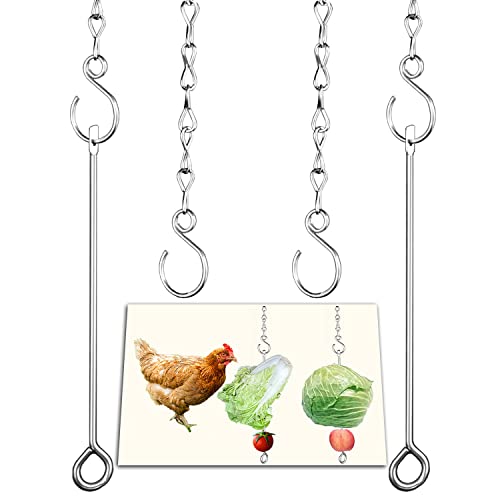
A hanging vegetable feeder for chickens, a few clean outer leaves, and a little restraint will give you the fun of feeding garden extras without upsetting your hens’ diet.
Are Cabbage Leaves Safe for Your Flock?
Cabbage is one of the safest vegetables you can toss to a flock. It’s non-toxic, low in calories, full of water, and nearly every part of the plant is fair game when it’s fresh and unseasoned.
If you grow your own, a packet of cabbage seeds gives you plenty of extra leaves to share. Check my notes on how to grow cabbage if you want a steady supply for both your kitchen and your coop.
Which Leaves and Parts Are Safe to Offer?
You can offer cabbage for chickens in almost any fresh form:
- Outer wrapper leaves: The tough, dark leaves you’d trim off for the kitchen are perfect for hens.
- Inner leaves: Tender and easy to tear apart, which makes them good for shy or smaller birds.
- Ribs and stems: Safe, just crunchier. Chop them into small pieces.
- The core: Safe if it’s sliced thin or left attached to a hanging head so hens can peck it down slowly.
Skip any leaf that’s slimy, moldy, yellowed and soft, or crawling with pests. I’d also skip leaves from plants you’ve recently sprayed with anything stronger than plain water.
Why Is Cabbage a Treat Rather Than a Meal?
So, can chickens eat cabbage as a main food? No. Cabbage is about 90% water and has very little protein, fat, or calcium compared with what a laying hen needs.
Chicken feed is built to deliver around 16% protein plus added calcium, vitamins, and minerals in every bite.
A hen that fills her crop with cabbage leaves has less room for that feed, so cabbage works best as a snack that adds variety and keeps birds busy.
How Much Cabbage Should You Feed Chickens?
A good amount for one adult hen is about a large leaf or a small handful of torn pieces per day at most, and less on days she gets other treats.
That keeps cabbage inside the standard treat allowance and leaves plenty of appetite for her regular ration.
How Does Cabbage Fit Within the 10% Treat Guideline?
Most poultry keepers follow the 90/10 rule: about 90% of the diet comes from complete layer feed and 10% or less comes from treats and scraps.

An average laying hen eats roughly 1/4 pound (about 4 ounces) of feed a day, so her treat budget is around 0.4 ounce.
Because cabbage is mostly water, that budget stretches a bit in volume. Still, cabbage shares that 10% with everything else you give, including scratch grains, mealworms, and kitchen scraps.
| Flock size | Rough daily treat limit (all treats) | Cabbage portion I’d suggest |
|---|---|---|
| 3 hens | About 1.2 oz | 2 to 3 torn leaves |
| 6 hens | About 2.4 oz | A quarter of a small head |
| 12 hens | About 5 oz | Half a small head or one hanging head shared over 2 to 3 days |
How Often Should You Offer Fresh Leaves?
My advice is to give cabbage 2 to 4 times a week. Rotating it with other greens like lettuce, squash, or herbs keeps the diet varied and limits how much brassica your hens eat in a row.
Offer treats in the afternoon, after your birds have had most of the day to eat their feed. Pick up leftover leaves within a few hours so they don’t rot in the bedding or draw rodents.
How Should You Prepare Raw or Cooked Leaves?
Plain raw leaves are the easiest choice, and plain cooked cabbage is fine too. Whichever you pick, the rule is the same: nothing added, no oil, no salt, no sauce.
Washing and Tearing Fresh Leaves
Rinse each leaf under cool running water to remove soil, slug trails, and any residue from store-bought heads. Shake off the extra water.
Tear or chop leaves into pieces about 1 inch across. Chickens swallow food whole, and smaller pieces move through the crop more easily. The fiber in cabbage is tough, so make sure your hens always have insoluble grit available to help the gizzard grind it.
Serving Plain Cooked Cabbage
Steamed or boiled cabbage softens the leaves, which helps older hens or birds new to greens. Cook it with water only, then let it cool to room temperature before serving.
Cooked leaves spoil faster than raw ones. I’d serve them in a shallow dish and clear away anything left after an hour or two, especially in hot weather.
Why Skip Sauerkraut and Seasoned Leftovers?
Sauerkraut, kimchi, and coleslaw carry a lot of salt, and chickens handle sodium poorly. Too much salt leads to heavy drinking, watery droppings, and in large amounts, serious illness.
Leftover cabbage dishes cooked with butter, bacon grease, onion, or garlic belong in the trash or compost bin. Onion and garlic in quantity can damage red blood cells in birds, and greasy or sugary foods offer nothing your hens need.
Which Cabbage Varieties and Tough Parts Can Chickens Eat?
Every common head cabbage is safe for chickens, and so are the parts most people throw away. Variety mostly changes texture and color.
Green, Red, and Savoy Cabbage
Green cabbage is the standard, crisp and mild, and it hangs well because the heads are dense. Red cabbage is just as safe and carries extra plant pigments called anthocyanins.
If you’re curious how the two compare in your garden or kitchen, I cover it in red cabbage vs green cabbage.

Savoy cabbage (Brassica oleracea var. sabauda) has crinkled, softer leaves that hens tear apart easily. Napa cabbage and bok choy belong to a different species, Brassica rapa, and are also safe as treats.
One heads-up on red cabbage: it can tint droppings purple or reddish for a day. That color comes from the pigment and isn’t a sign of blood.
Outer Leaves, Stems, and Cores
The outer wrapper leaves are thick and often a little dirty, so wash them well. They’re ideal for chickens because you’d usually toss them anyway.
Stems and cores are hard and woody. Slice cores into thin strips or grate them, or leave the core inside a whole hanging head so your hens work at it slowly.
After you cut a garden head, the remaining stalk often sprouts small side heads, which adds to your cabbage yield per plant and gives you more leaves to share.
What Nutrients Do Cabbage Leaves Add?
Cabbage adds vitamins, a few minerals, plant compounds, and plenty of water to a hen’s day. It’s a nice supplement, especially in winter when fresh forage is scarce.
Vitamins, Minerals, and Plant Compounds
Here’s what a handful of cabbage brings:
- Vitamin K: Supports normal blood clotting.
- Vitamin C: Chickens make their own, but extra from food doesn’t hurt during heat or stress.
- Calcium: Small amounts, far less than a laying hen needs.
- Potassium and magnesium: Minerals involved in muscle and nerve function.
- Antioxidants: Including the anthocyanins that give red cabbage its color.
- Fiber: Adds bulk and keeps hens pecking longer.
The high water content also helps a little with hydration on hot summer days in the Southeast and Southwest.
Why Cabbage Cannot Replace Balanced Feed
The amounts of protein and calcium in cabbage are tiny compared with what a laying hen uses to build eggshells and replace feathers. A hen living mostly on greens can end up with thin shells, poor feathering, and weight loss.
Keep complete feed in the feeder at all times, and offer oyster shell on the side if your hens lay. Cabbage rides along as a bonus.
What Happens If Chickens Eat Too Much Cabbage?
Overfeeding cabbage mostly causes messy droppings and a flock that ignores its feed. Over long stretches, very large daily servings of brassicas carry a thyroid concern.
Loose Droppings and Uneaten Feed
Too much cabbage for chickens shows up fast as wet, green, or watery droppings. That’s the water and fiber passing through, and it usually clears up within a day or two once you cut back.
The quieter problem is full feeders. If you notice the complete layer feed level barely dropping after a cabbage day, your hens are filling up on greens. Watch for:
- Feed lasting noticeably longer than usual
- Softer eggshells over a few weeks
- Hens waiting at the gate for treats and skipping the feeder
Why Daily Large Servings of Brassicas Are a Concern
Cabbage and its relatives contain natural compounds called goitrogens. In very large amounts eaten day after day, they can interfere with how the thyroid uses iodine.
A few leaves a few times a week won’t cause that. The risk comes from feeding piles of brassicas as a daily staple, such as dumping a whole fall garden of cabbage, kale, and broccoli into the run for weeks.
Rotating greens and keeping portions small avoids the problem.
How Can You Hang a Whole Head for Enrichment?
A whole hanging cabbage is my favorite boredom buster for backyard chickens. The head swings when they peck it, which makes them work, stretch, and stay busy for hours, and it keeps the food off the dirty run floor.
Setting a Peckable Height and Checking the Attachment
Here’s how I’d set it up:
- Pick a firm, heavy head. Dense heads last longer.
- Drill a small pilot hole into the core from the bottom, then twist in a screw eye. Or slide the head into a wire hanging vegetable feeder.
- Tie it with sturdy rope or a short chain to a rafter or beam.
- Hang it so the bottom of the head sits about at your hens’ eye level. They should stretch a little, but small breeds shouldn’t need to jump.
- Tug the attachment before you walk away. If the screw feels loose in the core, move it to a fresh spot.
Keep cords short and taut so no bird can get a leg or neck tangled. Check the head daily and take it down once it starts browning or smelling sour.