The vines are planted, the trellis is ready, the watering can is on standby… but the cucumber vines are just sitting there. A few small leaves, no real stretch, and day after day, the same question pops up in our heads: why are our cucumber plants not growing?

At Gardening Elsa, we hear this concern every season from balcony growers, backyard gardeners, and even greenhouse owners. The good news is that “cucumber plants not growing” is almost never a mystery once we look at a few basics. Temperature, sunlight, watering, soil and nutrients, roots, pests, and pollination all leave very clear clues when something is off.
“There are no gardening mistakes, only experiments.”
— Janet Kilburn Phillips
In this guide, we walk through those clues together. We bring the science from our Plant Care and Troubleshooting Guides into simple, step-by-step checks anyone can do. By the end, we will know how to read what our cucumber plants are telling us and what to change so they can move from sulking to sprinting up the trellis.
Key Takeaways
Before we dive deep, here are the main ideas we will build on. Think of this as a quick map you can return to while you work through your own plants.
- Cucumbers Love Heat And Sun
They grow best with warm air between about 70°F and 85°F. Cold soil below 65°F and less than 6–8 hours of direct light often cause growth to stall. - Uneven Watering Stops Growth Fast
Dry spells push the plant into survival mode, while soggy soil suffocates roots. Aim for soil that is consistently moist—never bone-dry and never saturated. - Container Size, Soil, And Feeding Work Together
A single vining plant needs at least a 5-gallon pot with a rich, well-draining mix. In containers, regular fertilizing matters because nutrients run out quickly. - Roots, Pests, Diseases, And Pollination Also Matter
Rough transplanting, hungry insects, leaf diseases, or flowers that are not pollinated will each slow or stop progress until we address them.
Temperature And Sunlight: The #1 Reason Cucumber Plants Stop Growing
When we see cucumber plants not growing, temperature and light are the first things we check. Cucumbers are warm-season plants with roots in tropical regions.
They are happiest when daytime air stays around 70–85°F and the soil is warm and loose. If soil temperatures sit below about 65°F, the roots slow down so much that the whole plant seems to pause.
Cold, wet springs or long stretches of cloudy weather often leave cucumber plants looking small and “stuck.” Leaves may appear pale, yellow, or even a bit purple along the veins.
The plant is not dead; it is more like it has pressed a pause button while it waits for better weather. In this state, it cannot use nutrients in the soil very well, so feeding harder rarely helps.
Light is just as important as warmth. Cucumbers need at least 6–8 hours of direct, strong sun each day to build enough energy. On a shady balcony, under a tree, or tucked behind a fence, vines may become thin and stretched as they reach for light. That stretching uses energy without giving much back, which slows overall growth and invites pests.
Here is a quick guide linking common symptoms to likely temperature or light issues:
| Symptom | Likely Cause |
|---|---|
| Small, pale yellow leaves | Cold soil limiting nutrient uptake |
| Purplish tint on leaf undersides | Phosphorus tied up by low soil temperature |
| Long, thin, weak stems | Not enough direct sunlight |
| Very slow growth after cool rain | Roots chilled and less active |
Outdoor plants feel every chilly night and every gloomy day. Meanwhile, cucumbers growing inside a warm greenhouse often race ahead under the same calendar dates. When our outdoor vines are healthy but just not moving, weather and shade almost always explain the slowdown.
How To Create A Warmer Microclimate For Your Plants
If we garden in a cooler area or deal with long, gray springs, we can still grow strong cucumbers by tweaking the microclimate around them. Instead of fighting the weather, we nudge conditions a little closer to what cucumbers prefer.
We like to focus on a few simple steps:
- Plant At The Right Time
Wait to plant outside until days and nights both feel reliably mild and the chance of frost has passed. For many regions, that means setting transplants out a couple of weeks after the last expected frost date, not on that exact date. A simple soil thermometer helps us check that the top few inches of soil are at least in the mid‑60s°F. - Pre‑Warm Garden Beds
To warm garden beds faster, cover the soil with black plastic or a dark tarp for a week or two before planting. The dark surface soaks up sunlight and gently warms the ground underneath. - Use Warm Spots For Containers
For container plants, setting pots against a south-facing wall lets that wall store extra heat during the day and release it back at night, creating a slightly warmer pocket of air for the vines. - Give Plants Temporary Protection
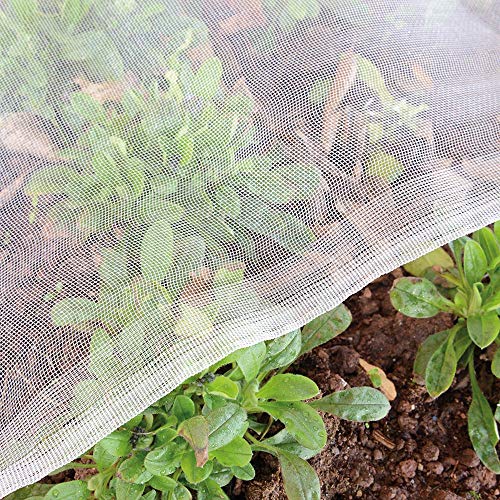
A clear plastic bottle with the bottom cut off becomes a mini cloche when placed over a young plant. Leaving the cap off on sunny days lets heat escape so the plant does not overheat. Floating row covers or small, ready-made mini greenhouses offer a similar buffer from wind and cold.
Watering Mistakes That Stunt Cucumber Growth
Cucumber vines are made of a lot of water, close to 95 percent. Their big leaves lose moisture quickly on hot or windy days, so steady hydration is central to growth. When our cucumber plants are not growing, watering is often the next area we look at after light and temperature.
Too little water makes the plant shift from growth into survival mode. Leaves wilt during the heat of the day, and if the soil stays dry, their edges begin to turn brown and crisp.
The plant stops extending its vines because it cannot risk using more water than it can pull from the soil. Any fruit that does form during dry spells is likely to be small and sometimes bitter.
On the other hand, too much water is just as stressful. Roots need air as well as moisture, and constantly soggy soil pushes air out of the spaces between soil particles.
In that low-oxygen environment, roots start to rot. A waterlogged cucumber plant can look wilted even though the soil is wet because damaged roots cannot move water up to the leaves.
For many gardeners, the hard part is telling these two problems apart. We like the simple finger test: push a finger about two inches into the soil near the base of the plant.
- If it feels dry, the plant needs water.
- If it feels wet or sticky and the plant still wilts, overwatering or poor drainage may be the real issue.
Container cucumbers need even closer attention because pots can dry out very quickly in heat and wind.
How To Water Cucumbers The Right Way
Once we know how easily water problems can slow growth, it helps to follow a few steady habits. Rather than sprinkling lightly every day, we aim for deep watering that soaks the root zone.
In the ground, that often means giving about one to two inches of water per week from rain and irrigation combined, adjusting for heat and soil type.
A simple watering checklist helps keep us on track:
- Water Deeply, But Not Constantly
Water less often but more thoroughly, so moisture reaches the full depth of the root zone. - Target The Soil, Not The Leaves
Pour water right at the base of the plant, or use drip lines or a soaker hose to deliver moisture where roots can use it. Keeping foliage dry makes it harder for fungal diseases like powdery mildew to get started, which helps the plant keep more healthy leaf area for photosynthesis. - Use Mulch As A Helper
Mulch is our quiet helper. A layer of straw, shredded leaves, or wood chips around the plant holds moisture in the soil and keeps temperatures more even. - Support Container Plants Carefully
For container plants, use a high-quality vegetable potting mix with plenty of drainage holes in the pot, then water until you see water run from the bottom. This helps flush out excess salts and lets you know the soil is evenly moist.
Soil, Container Size, And Nutrient Deficiencies
Even with perfect light and careful watering, cucumber plants not growing often point us toward what is happening below the surface. Root space, soil structure, and nutrients decide how much the plant can actually take in. When any of these are limited, we often see small, pale vines that never seem to take off.
For cucumbers in pots, container size is a major factor. A single vining plant needs at least a 5‑gallon container that is about 12 inches deep and wide. Smaller pots or shallow window boxes leave the taproot and side roots cramped. When roots circle around and around the inside of a small pot, they tangle and cannot explore fresh soil, which limits water and nutrient uptake.
Research on Low Plant Density Improves fruit quality confirms that crowding several cucumber starts into one container creates a different kind of stress. The plants now compete with one another for the same limited space, moisture, and minerals.
Instead of one strong vine, we end up with several weak ones that all stall out. In these cases, thinning to one healthy plant per large pot almost always leads to better growth.
Soil quality shapes how comfortable those roots feel. Cucumbers grow best in loose, well-draining soil rich in organic matter, with a pH between about 6.0 and 7.0.
Heavy clay can hold too much water around the roots, while very sandy soil lets water and nutrients wash away too fast. Mixing in compost or aged manure creates a more balanced loamy texture.
“Feed the soil, and the soil will feed the plant.”
This simple rule is repeated by many organic gardeners for good reason.
Because cucumbers are heavy feeders, they quickly use up the macronutrients in their root zone, especially in containers. When certain nutrients run low, the leaves send signals we can learn to read. Here is a quick table we use often in our Plant Care and Troubleshooting Guides:
| Leaf Symptom | Likely Deficiency |
|---|---|
| Older leaves turning plain yellow | Nitrogen |
| Dark, sometimes purplish foliage | Phosphorus, often with cold soil |
| Yellow edges on older leaves | Potassium |
| Yellowing between veins on leaves | Magnesium |
When we combine roomy containers or well-prepared beds with compost-rich soil and the right feeding, cucumber roots can spread and work the way they are meant to. That solid foundation often turns stalled plants into steady climbers within a couple of weeks of good conditions.

Building The Perfect Feeding Schedule For Cucumbers
A simple, repeatable feeding plan goes a long way toward keeping cucumbers growing instead of stalling. We like to think of it in three stages: before planting, leafy growth, and fruiting.
- Before Planting: Feed The Soil
Before we ever set seeds or seedlings in place, we mix in plenty of well-rotted compost or aged manure with our potting mix or garden soil. This adds organic matter and a steady background of nutrients that release over time, so the roots are not starting in “empty” soil. - Leafy Growth: Balanced Feeding
During the early growth phase, from the first true leaves until vines begin to run, a balanced liquid fertilizer works well. A general vegetable feed with roughly equal parts nitrogen, phosphorus, and potassium, diluted to about half strength, supports leaf and stem growth without overdoing it.- For container plants, feeding once a week is often enough.
- For in-ground beds with rich soil, we may stretch that to every two or three weeks.
- Fruiting: Shift The Emphasis
Once flower buds appear, we shift our focus to fruit. At that point, we choose a fertilizer with less nitrogen and more phosphorus and potassium, such as a “tomato and vegetable” blend. Too much nitrogen now encourages leaves instead of cucumbers.
Organic choices like fish emulsion, seaweed feed, or chicken manure pellets can also fit into this stage. We always water the plant well before applying liquid feed to protect the roots from burn.
Our Soil Health and Fertilizer Management Recommendations at Gardening Elsa include sample calendars that we can adapt to our climate and space.
Transplant Shock, Root Health, And Timing
Cucumbers, along with squash and melons, dislike having their roots disturbed. When we move them from one pot to another or from indoors to the garden, they often react strongly. If our cucumber plants are not growing right after transplanting, we usually suspect transplant shock first.
Transplant shock occurs when many fine root hairs, which handle most water and nutrient uptake, are damaged or torn. After planting, the top of the plant may wilt even when the soil is moist because the root system cannot yet keep up. Growth above the soil almost stops while the plant directs its energy to rebuilding roots. In some cases, stressed leaves turn yellow or drop.
Root health reflects through the whole plant. Slow top growth can come from cold soil, compaction, waterlogging, or repeated rough handling of roots. When we dig up a struggling plant and find very few white, firm roots, we know that even extra fertilizer will not help until new roots form in better soil conditions.
Timing also matters. Starting seeds indoors in late winter on a warm windowsill and then planting them outside in late spring gives the plants time to build sturdy roots before outdoor stresses arrive. Seeds sown outdoors very late in the season may sprout, but then run out of warm weather before they can reach full size.
We can soften the transplant process in several ways:
- Use Biodegradable Pots When Possible
Starting seeds in biodegradable pots made of peat, coir, or newspaper allows us to plant the whole pot so roots stay mostly undisturbed. - Handle Roots Gently
When we use plastic pots or cell trays, we water seedlings well about an hour before moving them, then tip the container and slide the root ball out without pulling on the stem. - Transplant At The Right Stage And Time Of Day
We like to transplant when plants have two to four true leaves, on a cloudy day or in the evening, when sun stress is lower. - Harden Plants Off Gradually
We always harden them off over a week or so by slowly increasing their time outdoors. - Water Thoroughly After Planting
A deep drink after planting helps settle the soil around roots and removes air gaps.
Pests, Diseases, And Pollination Problems
Sometimes the weather, watering, and soil all look fine, yet our cucumber plants are not growing or are dropping tiny fruits. In those cases, we start hunting for pests, diseases, or pollination issues. These problems can quietly steal energy from plants even in otherwise good conditions.
Common pests to watch for include:
- Slugs And Snails
Young cucumber seedlings are a favorite snack for slugs and snails. They can chew a plant to a stub overnight, which leaves it stunted even if it survives. - Aphids
Aphids crowd on the undersides of leaves and soft tips, sucking sap and leaving leaves curled and sticky. - Cucumber Beetles
Cucumber beetles chew leaves and flowers and also spread bacterial wilt, a serious disease. - Spider Mites
In hot, dry weather, spider mites can speckle leaves and spin fine webs, causing foliage to bronze and dry.
Diseases show up in different patterns:
- Bacterial Wilt
Often starts with one vine or leaf wilting and not recovering overnight, then spreads until the whole plant collapses. - Powdery Mildew
Makes a white, dusty coating on leaves, blocking light and weakening plants. - Downy Mildew
Creates yellow, angular spots on top of the leaf and a grayish fuzz underneath, especially during cool, wet spells.
Good spacing, watering at the base, and removing badly infected leaves help reduce disease pressure, and organic fungicides can support plants when used early.
Pollination is another piece that often explains tiny cucumbers turning yellow and falling off. Cucumber plants make separate male and female flowers, and the female ones have a little baby cucumber at the base. That baby only grows if pollen from a male flower reaches it.
In greenhouses, on high balconies, or during stretches of rainy, windy weather, there may not be enough bees to move pollen around.
Hand pollination is our backup plan:
- In the morning, find a fresh male flower and a fresh female flower.
- Gently pick the male flower and peel back its petals.
- Touch the pollen-covered center of the male to the center of the female flower.
Another option is to use a small paintbrush or cotton swab to move pollen. If pollination works, the tiny cucumber starts to thicken and lengthen over the next few days. Our Plant Care and Troubleshooting Guides at Gardening Elsa include photos that make it easier to tell male and female blooms apart at a glance.
Conclusion
When we step back, most cases of cucumber plants not growing trace back to a small set of causes. The plant may be sitting in soil that is too cold or in a spot that is too shady. It may be thirsty or drowning, cramped in a small container, short on key nutrients, shaken by transplant shock, or worn down by pests, disease, or poor pollination.
The encouraging part is that each of these issues leaves clear signs once we know what to look for. As we adjust warmth, light, watering, soil, feeding, and plant protection, cucumbers often respond quickly with fresh green growth and new flowers. Even very experienced gardeners run into stalled cucumbers from time to time; the difference is that they now know how to read the plant’s signals.
At Gardening Elsa, our Plant Care and Troubleshooting Guides and Edible Gardening resources are here to walk with us through every stage, from seed to harvest. With a bit of observation and a few simple changes, our next cucumber season can be the strongest one yet.
FAQs
Why are my cucumber plants not growing after transplanting?
In many cases, a growth stall right after transplanting comes from transplant shock. Fine roots are damaged during the move, so the plant cannot take up water and nutrients very well for a week or two. We keep the soil evenly moist, offer light afternoon shade, and avoid moving the plant again while it rebuilds its root system.
How long does it take for cucumber plants to start growing after planting?
With warm soil around 70°F or higher, cucumber seeds usually sprout within three to ten days. The first true leaves appear soon after, and steady top growth often shows within the first two to three weeks. Transplants may pause for a short time as they adjust, then pick up speed once roots settle into their new home.
Why are my cucumber plant leaves turning yellow and growth has stopped?
Yellowing leaves with stalled growth often point to nitrogen shortage, overwatering, or cold soil that blocks nutrient uptake. We start by checking the soil with a finger test to rule out soggy or very dry conditions. Then we look at soil temperature and begin a gentle, balanced feeding schedule. When yellowing starts on the lower, older leaves, nitrogen or overwatering are common causes.
Can cucumber plants recover from stunted growth?
Yes, many cucumbers bounce back well once we correct the main stress. When we give them warmth, consistent moisture, roomy roots, and the nutrients they need, new growth often appears within a couple of weeks. Recovery is fastest when we catch problems early in the season, while there is still plenty of warm weather left for the vines to grow and fruit.

Hello there! I’m Elsa, and gardening is my passion. As an avid gardener, I created GardeningElsa.com to share my knowledge and experience with fellow enthusiasts. My website is a comprehensive resource for gardeners of all levels, offering expert advice on a wide range of topics, including plants, flowers, herbs, and vegetable gardening. Whether you’re a beginner looking to start your first garden or a seasoned pro seeking to expand your knowledge, GardeningElsa.com has something for everyone. Read more about me.