Cucumber Stem Diseases: Identification & Treatment

Walk out to a cucumber patch on a warm morning, and the trouble often jumps out right away. One vine is limp, a stem near the soil is turning dark, or there is a strange ooze where the plant should be firm and green. That is the kind of early warning we see with many cucumber stem diseases.

Cucumber Stem Diseases

Cucumber stems act like the plant’s highway. They move water and nutrients from the roots to every leaf and fruit. When disease shuts down those stems, the whole plant can go from healthy to half‑dead in a few days, and it is easy to blame heat or watering when something deeper is going on.

The tricky part is that many cucumber stem problems look similar at first glance. Wilting, browning, gummy spots, or white fuzz can all point to different issues that need different fixes. In this guide, we walk through the most common stem diseases, how to tell them apart, and what you can do about each one, step by step.

At Gardening Elsa, we combine horticulture training with years of hands‑on food gardening. Our goal is to give clear, science‑based help that works in real backyards and balconies. Stick with us through the full article and you will come away with:

  • A simple checklist to diagnose stem trouble
  • A set of practical methods to keep cucumber vines stronger next time

As many plant pathologists like to say, “Accurate diagnosis is the first step to effective disease management.”

Key Takeaways

  • Cucumber stem diseases come from fungi, bacteria, and soil‑borne pathogens, and each group needs a different management plan.
    When we match the right method to the right problem, plants have a far better chance. Guessing and treating everything the same way wastes time and money.
  • Early identification makes the biggest difference for stem health.
    When we spot wilting, cankers, or mold in the first few days, many issues can be slowed or stopped. Waiting until the whole vine collapses leaves very little to fix.
  • Bacterial Wilt has no cure once it is inside the plant.
    Our only real defense is preventing cucumber beetles from spreading it in the first place. That means row covers, beetle monitoring, and fast removal of sick vines.
  • Simple cultural practices such as crop rotation, careful watering, good air flow, and resistant varieties prevent most cucumber stem diseases. Many of these methods are organic and fit well with eco‑friendly gardening. We can protect future harvests with steady routines rather than constant sprays.

How To Tell If Your Cucumber Plant Has A Stem Disease

Not every sad cucumber plant is dealing with a stem disease. Drought, compacted soil, root damage, or heavy pest feeding can all cause wilting or yellow leaves. Before we reach for fungicides or start pulling vines, it helps to know when the stem itself is the main problem.

Stem diseases usually leave clear signs on the stem surface or inside the tissue.
These clues are different from the even, all‑over droop that comes from simple thirst. When we learn to read those signs, diagnosis gets much easier and treatments become more targeted.

Here are key symptoms that point toward cucumber stem diseases rather than general stress:

  • Wilting that does not bounce back even after a deep watering is a big red flag. Leaves may droop more during the heat of the day and never fully perk up at night. When soil is moist yet vines sag, the pipes inside the stem are likely blocked or rotting.
  • Sunken, dark, or cracked patches on stems often signal cankers. These spots may start small and water‑soaked, then stretch and split open over time. When a canker wraps all the way around the stem, the vine beyond that point usually collapses.
  • Sticky, gummy, or watery ooze seeping from wounds is a classic sign of stem infection. Gummy Stem Blight often produces amber gum, while bacterial issues can create slimy threads. Healthy stems stay dry and firm, even when cut.
  • White growth on the outside of stems points to fungal trouble. Powdery Mildew looks like dry flour dusted on the surface, while White Mold forms fluffy cotton‑like patches. Both forms weaken stems and slow nutrient movement.
  • Tiny black dots inside lesions or on dead tissue are fungal structures. They may look like pepper grains scattered in the damaged area. These dots often belong to fungi that cause blights and cankers.
  • Brown or honey‑colored streaks inside the stem when we slice it open suggest vascular wilt. Instead of clean white tissue, we find stained tubes where water should move freely. Fusarium Wilt is a classic cause of this pattern.
  • Hard, black pellets on or in stems are called sclerotia. They resemble mouse droppings or coarse soil stuck to the plant. White Mold produces these resting bodies, which let the fungus stay in the soil for years.

Quick Tip For Suspected Bacterial Wilt
Cut a wilted cucumber stem near the base and press the cut ends together for a moment. Then pull them apart slowly. If a sticky, thread‑like slime stretches between the pieces, Bacterial Wilt is very likely the cause.

The Most Common Cucumber Stem Diseases And How To Fix Each One

Once we know the stem is involved, the next step is to match symptoms with the right disease.

Most cucumber stem diseases fall into a few main groups with distinct signs and very different management needs.

We will start with the ones we see most often in home gardens and share what has worked best for our readers and us.

To help you scan quickly, here is a short comparison:

DiseaseKey Stem SymptomMain Action
Gummy Stem BlightCracked, dark cankers oozing amber gumRemove vines, keep foliage dry, fungicides
Bacterial WiltSudden wilt, sticky threads in cut stemsPull plants, manage cucumber beetles
Fusarium WiltInternal brown streaks, gradual vine declineRemove plants, rotate, use resistant types
White MoldCottony white growth, black sclerotiaPull plants quickly, improve air flow
Charcoal RotHeat‑wave wilt, gray lesion with black dustKeep soil moist, rotate away from cucurbits

Gummy Stem Blight (Didymella bryoniae)

Gummy Stem Blight lives up to its name. Stems develop water‑soaked spots that lengthen, crack, and ooze brown or amber gum.

Tiny black dots often appear inside the lesions, and when the canker wraps around the stem, the vine past that point wilts and dies. Leaves may show tan spots, and fruit can rot as well.

This disease comes from the fungus Didymella bryoniae. It survives on old cucurbit vines and on infected seed, and it spreads whenever rain or overhead watering splashes spores onto fresh tissue. Warm, humid, rainy weather gives it a big boost.

  • We remove any plant that shows classic gummy cankers and throw it in the trash rather than the compost. Leaving infected vines in the bed feeds the fungus for the next season. Cleaning up surrounding debris at the same time further cuts the spore load.
  • We switch to drip lines or soaker hoses so stems and leaves stay as dry as possible. When overhead watering is the only option, we water early in the day so foliage dries before night. Dry surfaces give spores far fewer chances to start new infections.
  • In gardens with a history of Gummy Stem Blight, we use fungicides with chlorothalonil or mancozeb in a preventative way. Sprays start when vines begin to run or when wet, warm weather is in the forecast. We follow the label closely, including the five‑day waiting period before harvest for mancozeb.
  • Between seasons, we rotate cucumbers away from any cucurbit bed for at least two or three years. We also buy certified disease‑free seed so we are not planting the fungus right back in. This long view pays off in fewer outbreaks over time.

“Fungi love poor air flow and wet foliage, so anything that keeps stems dry is already half a spray program.”

Bacterial Wilt (Erwinia tracheiphila)

Bacterial Wilt shows itself with dramatic wilting. First one leaf or a small section of vine droops during the day and seems a bit better at night. Within days the wilt spreads along the runner, and soon the entire plant sags and never recovers. The sticky stem test from the first section helps confirm the diagnosis.

The disease is caused by the bacterium Erwinia tracheiphila. It does not spread on its own in soil or water.

Instead, striped and spotted cucumber beetles pick it up and inject it into feeding wounds, where it multiplies and clogs the water tubes inside the stem.

  • When we see clear Bacterial Wilt symptoms, we pull the whole plant right away. Leaving it in place turns it into a reservoir that beetles can use to infect nearby vines.
    We bag and trash the plant rather than dropping it in the compost heap.
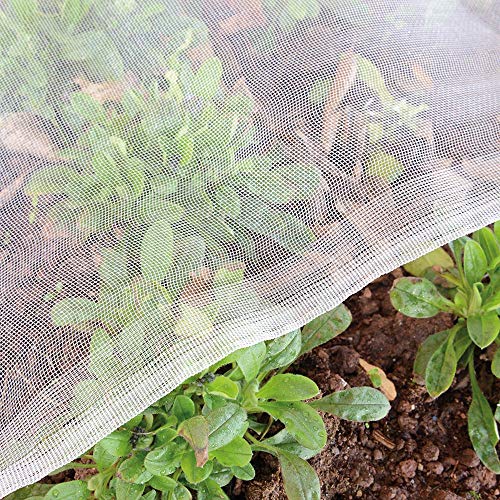
  • Our main focus becomes beetle control for the rest of the season and for future years. We often cover young cucumber plants with floating row covers or fine mesh as soon as they emerge. These covers come off only once flowers open, and bees need access.
  • In beds with heavy beetle pressure, we add insecticides with bifenthrin or cyhalothrin as a last resort. We spray in the late afternoon or evening to limit contact with pollinators and always follow label rules. Spot treating early in the season is usually enough when paired with covers.
  • For longer term help, we look for cucumber varieties reported to handle Bacterial Wilt better, such as County Fair F1 or Little Leaf H‑19. These plants are often less attractive to beetles or slower to crash. Paired with beetle control, they give us a better shot at a full harvest.

Fusarium Wilt (Fusarium oxysporum)

Fusarium Wilt creeps in more slowly than Bacterial Wilt. Often one runner starts to yellow and wilt while the rest of the plant still looks fair. Over time the wilted area spreads until the whole vine is stunted, yellow, and drooping. In young plants, the stem may rot right at the soil line, a problem known as damping off.

The fungus Fusarium oxysporum enters through roots, often where they were nicked during weeding or where pests fed — and as a comprehensive analysis of cucumber genomes confirms, understanding plant genetics is key to developing more resistant varieties.

Inside the plant, it grows in the xylem, blocking water flow and staining the tubes. If we slice a suspect stem near the crown, we usually see honey‑brown streaks instead of clean white tissue.

  • There is no reliable chemical cure for Fusarium in home gardens, so our first step is to pull and destroy badly infected plants. Leaving them in the ground lets the fungus keep multiplying in the root zone. We clean tools afterward so we do not move contaminated soil to new beds.
  • For future plantings in affected soil, we hunt for cucumber varieties with any level of Fusarium resistance listed in seed catalogs. Even partial resistance can mean the difference between a short harvest and a total loss. We also keep soil pH near 6.5, which tends to favor the plant over the fungus.
  • We avoid stressing roots by keeping moisture steady and gentle. Deep, even watering helps, while long dry spells followed by soaking encourage trouble.
    When we weed or cultivate around cucumbers, we go shallow and slow to protect the root zone.

White Mold (Sclerotinia sclerotiorum)

White Mold often starts near the soil line with a pale, wet patch on the stem.
Soon that patch becomes covered with fluffy white growth that looks like cotton or spider webbing. As the lesion tightens around the stem, everything above it wilts and may collapse almost overnight.

This disease is caused by Sclerotinia sclerotiorum, a fungus that favors cool, damp, still air. Its resting bodies, called sclerotia, are hard black pellets that look like mouse droppings. They form inside or on the outside of infected stems and can survive in soil for several years.

  • When we spot that white cottony growth on stems, we pull the plant right away. Our goal is to remove it before many sclerotia mature and drop into the soil. We gather any loose pellets we see and discard them with the plant.
  • We adjust watering so stems and lower foliage stay as dry as possible. Drip irrigation and careful hose watering both keep the canopy drier than sprinklers. If sprinklers are the only option, we water early so plants dry before cool evening air settles.
  • To lower long‑term risk, we give cucumbers generous space and prune overcrowded growth for better air flow. In stubborn White Mold beds, we rotate out of cucurbits into crops like corn or grains for at least three years.
    Deep digging that buries sclerotia can also reduce their ability to sprout.

Charcoal Rot (Macrophomina phaseolina)

Charcoal Rot tends to show up during heat waves. Plants wilt hard during the hottest part of the day, even when soil seems damp, and they may not recover overnight. A closer look at the lower stem often reveals a gray or tan lesion near the soil line.

If we peel back the outer tissue in that area, we find countless tiny black specks, like fine charcoal dust. These are microsclerotia produced by the fungus Macrophomina phaseolina. They persist in dry, hot soil and attack plants that are already stressed, especially by drought.

  • Our main defense against Charcoal Rot is steady moisture. We water deeply and regularly during hot spells so roots never swing between soaked and bone dry. A thick mulch layer also helps keep soil cooler and slows evaporation.
  • When a plant shows advanced symptoms, we remove it to cut down the number of microsclerotia added to the soil. We pull the root system along with the stem and discard the whole plant. This will not clear the fungus completely, but it keeps things from getting worse.
  • For the next few years, we will avoid planting cucumbers or other very susceptible crops in that exact spot. Grain crops often make better rotation partners in beds with Charcoal Rot. At the same time, we keep building organic matter so soil holds water more evenly.

Powdery Mildew On Cucumber Stems: A Special Case

Powdery Mildew is one of the easiest plant diseases to spot and one of the most searched. Most gardeners first notice it on leaves, where it looks like someone shook a bag of flour over the plant. On cucumbers, it often moves from leaves onto stems, which can speed up decline and reduce fruit quality.

On stems, Powdery Mildew forms white, powdery patches that may join into large blotches. The affected areas can look dull or dirty compared with the healthy green tissue around them. Stems may become more brittle, and the whole vine can weaken and set fewer or smaller fruits.

This fungus likes high humidity and mild to warm temperatures between about fifty and ninety degrees. It thrives in crowded plantings with poor air movement and can spread fast on shady patios or in greenhouses. Unlike many other fungi, it does not need wet leaves to infect, which is why it often shows up even in drier climates.

  • Our favorite long‑term method is to grow cucumber varieties with good Powdery Mildew resistance. Choices such as Poinsett 76, Dasher II, Regal, Burpless, and Ashley all help reduce outbreaks. Pairing resistant plants with wide spacing and full sun keeps most vines clean.
  • When we do see the first white spots, we often reach for organic sprays first. A mix of three tablespoons horticultural oil plus three tablespoons baking soda in one gallon of water can slow new infections when used early.
    We spray in the cooler part of the day and skip applications when temperatures are above ninety degrees to avoid leaf burn.
  • Sulfur fungicides are another time‑tested option for Powdery Mildew.
    They work best as preventatives or at the very first sign of disease. We never spray sulfur when temperatures climb above eighty five degrees, since that can scorch cucumber foliage.
  • For gardeners who prefer conventional fungicides, products with chlorothalonil provide broad‑spectrum protection that also covers Powdery Mildew. We apply according to label directions and timing, paying attention to any waiting period before harvest. We also avoid over‑fertilizing with nitrogen, since very lush, tender growth is more likely to become covered in mildew.

Important Spray Tip
Never apply horticultural oils within two weeks of a sulfur spray.
The mixture of residues on the leaf surface can cause serious burn, even at safe temperatures.

General Prevention Strategies To Keep Cucumber Stems Healthy

The best way to deal with cucumber stem diseases is to make the garden a hard place for them to start. When we build good habits into our routine, we spend far less time chasing problems later.

Think of it as setting the stage so cucumbers can focus on growing instead of fighting off every pathogen in the neighborhood.

  • Garden sanitation is a simple habit with big impact. At the end of the season, we pull all cucumber vines and other cucurbit debris and remove any obviously diseased material from the bed. During the season, we cut off badly infected leaves or vines right away so they do not shower nearby plants with spores.
  • Crop rotation helps break the life cycle of many fungi and bacteria. We avoid planting cucumbers, squash, pumpkins, or melons in the same spot two years in a row. A two to three year break with non‑cucurbit crops gives soil time to calm down.
  • Seed choice is a quiet but powerful tool. We look for seed packets or catalog listings that mention resistance to common cucumber diseases in our region. Starting with certified disease‑free seed also lowers the chances of bringing problems straight into our beds.
  • Watering practice has a direct effect on stem health. We prefer drip irrigation or soaker hoses that water the soil while leaving stems and leaves dry, and studies on the effect of weight-based fertigation confirm that precise, targeted watering methods meaningfully improve cucumber physiology and overall yield. If sprinklers are the only option, we water in the early morning so plants dry quickly under the sun.
  • Air circulation matters as much as watering.
    We give each cucumber plant enough room so leaves do not stay wet for hours after rain or irrigation. Growing in full sun whenever possible also speeds drying and keeps many fungi in check.
  • Soil health supports strong, resilient plants. We aim for a soil pH near 6.5 and add compost to keep structure loose yet moisture retentive. A light mulch around the base of the plant prevents soil from splashing onto stems during rain and helps roots stay evenly moist.
  • Pest control ties into disease prevention more than many gardeners expect.
    For Bacterial Wilt, we use row covers on young plants and keep a close eye out for striped or spotted cucumber beetles.
    We also watch for aphids that can spread viral diseases and treat outbreaks early with gentle methods like insecticidal soap.

Many experienced growers say, “A clean, well‑rotated garden is your best defense against most plant diseases.”

At Gardening Elsa, we build these habits into all our cucumber guides so gardeners can focus on picking crisp, healthy fruit instead of fighting constant stem problems.

Conclusion

Seeing a cucumber vine wilt or a stem ooze and crack can feel discouraging, especially when we have been caring for that plant for weeks. It is easy to wonder if the whole crop is doomed or if there was something we missed from the start. The good news is that once we learn the main patterns of cucumber stem diseases, they become far less mysterious.

The first step is always careful identification. When we match symptoms with the right disease, we can choose actions that actually help, whether that means pulling one sick plant, drying the canopy faster, or shifting to resistant varieties next season. Simple habits like crop rotation, clean watering, and steady cleanup protect plants from most of the problems covered here.

If symptoms are already showing in a bed, quick action makes a real difference.
Removing infected vines, adjusting watering, and checking for beetles can save nearby plants even when one is beyond help. At Gardening Elsa, we are here with clear, science‑based guides whenever questions pop up, so gardeners do not have to sort through guesswork on their own.

Your cucumber plants may be counting on a few changes, but those changes are well within reach. With the methods in this guide and steady practice from season to season, we can keep stems stronger and baskets of homegrown cucumbers coming in.

FAQs

Why Is My Cucumber Stem Turning Brown And Mushy Near The Soil?

A brown, mushy stem near the soil line usually points to a stem disease rather than simple overwatering. When the soft area is covered with fluffy white mold, White Mold is a strong suspect. If the stem is cracked and oozing sticky brown gum, Gummy Stem Blight fits better. Honey‑brown streaks inside the stem when it is cut open point toward Fusarium Wilt. In all cases, we remove badly affected plants so the problem does not spread.

Can I Save A Cucumber Plant With Bacterial Wilt?

We wish the answer were different, but once Bacterial Wilt takes hold there is no reliable cure. The bacteria clog the water tubes inside the plant, and sprays cannot reach them. Our best move is to pull the infected plant right away and dispose of it. Then we focus on stopping cucumber beetles with row covers, monitoring, and, if needed, targeted insecticides so healthy plants stay safe.

What Is The White Powdery Stuff On My Cucumber Stems?

That white, dusty coating on stems and leaves is almost always Powdery Mildew. It looks like flour or baby powder sprinkled on the plant and can spread quickly in warm, humid, shady spots. The disease weakens vines and can shrink fruit size, but it is manageable. We treat it with horticultural oil and baking soda sprays, sulfur products, or chlorothalonil, and we plant resistant varieties the next year to reduce flare‑ups.

How Do I Prevent Cucumber Stem Diseases Organically?

Organic prevention starts with strong basics. We choose disease‑resistant, certified seed whenever possible and rotate cucumbers to fresh ground every two or three years. We water at the base with drip lines or soaker hoses, mulch to stop soil splash, and keep plants spaced so leaves dry fast. Row covers help keep cucumber beetles and some other pests off young plants. For fungal problems, we rely on horticultural oils, baking soda mixes, and sulfur sprays used early and paired with good garden sanitation.

vegetable garden ideas

10 Vegetable Garden Layout Ideas