Grow Mushrooms in Your Vegetable Garden Easily

Many gardens have that quiet corner where vegetables stall, and the soil stays cool and damp. Instead of fighting those shady spots, we can turn them into a hidden pantry by letting fungi do what they do best.

When you decide to grow mushrooms in your vegetable garden, those “problem areas” start pulling their weight.

At first glance, mushrooms can feel mysterious. They are not plants; they appear overnight, and many gardeners worry about safety or think they need special lab gear. When we first set up mushroom beds alongside our tomatoes and kale, we had the same questions.

The good news is that with a bit of planning and the right species, growing mushrooms is surprisingly simple and fits right into normal garden care.

Here, we share science-based, real‑world gardening advice, and mushrooms fit that mission nicely. In this guide, we walk through how to:

  • Choose the best species for your climate and space
  • Build an easy “lasagna” mushroom bed
  • Use logs, straw bales, or containers when space is tight
  • Care for the patch through the seasons
  • Harvest safely and cook with confidence

By the end, you will have a clear, step‑by‑step plan to add mushrooms to a vegetable garden and support healthier soil at the same time.

Grow Mushrooms in Your Vegetable Garden

Key Takeaways

Before we dig into details, it helps to see the big picture of how mushrooms fit into a home garden.

  • Mushrooms can grow right in vegetable beds, paths, and shady corners, and their mycelium feeds the same soil that supports our crops. This underground web breaks down wood chips and straw and passes nutrients to the roots. We get an extra harvest while the soil life becomes richer and more active, and we often need less added fertilizer.
  • Wine Cap stands out as the best beginner species for garden beds, while Oyster and Shiitake mushrooms make great next steps for logs, containers, or straw bales. Different strains match different temperature ranges, so there is an option for most climates. With a little planning, we can grow mushrooms in our vegetable garden almost year‑round.
  • Success rests on three things we can control at home: location, substrate, and moisture. A simple layered lasagna bed built from cardboard, chips, and spawn gives mushrooms what they need. With steady watering and patience while the mycelium spreads, the first flush of mushrooms becomes only a matter of time.

Why Growing Mushrooms in Your Vegetable Garden Is a Game-Changer

When we tuck mushrooms into our vegetable beds, we are not just adding another crop on top of the soil. We are adding a partner below the surface. Fungi send out mycelium, a fine white network that behaves like an extra root system for our plants. This web reaches into tiny pockets of soil, picking up nutrients and moisture that roots alone would never reach.

That mycelium feeds on carbon‑rich materials such as wood chips and straw. As it digests those materials, it breaks them into simpler forms that vegetables can absorb.

In practice, this means the same mulch that shelters our beds from weeds also turns into a steady, slow‑release food source. Instead of buying more fertilizer, we let fungi recycle what is already in the garden.

Mycelium also changes how soil holds water. It binds particles into small crumbs that drain well yet stay moist, so roots can breathe while still having access to water.

As mushrooms complete their life cycle, they release tiny drops of water into the soil, which act like a small irrigation system threaded through the bed. During dry spells, patches that host mushrooms often stay cooler and softer than bare soil.

Another big advantage is space. Mushrooms love shade, so they thrive under tall tomatoes, along wood‑chip paths, or under fruit trees where vegetables would never be happy.

We can grow more food from every square foot by combining crops instead of separating them.

We care deeply about low‑waste, climate‑friendly gardens, and fungi fit that goal perfectly by turning cardboard, chips, and prunings into food and richer soil.

Put simply, when you grow mushrooms in your vegetable garden, you gain:

  • healthier soil structure and better nutrient cycling
  • improved moisture retention during heat and wind
  • extra harvests from spaces that were hard to use before

“Mycelium is the Earth’s natural internet.” — Paul Stamets, mycologist and author of Mycelium Running

Choosing the Right Mushroom Varieties for Your Garden

Picking the right species is the first real decision we make when we want to grow mushrooms in a vegetable garden. Each mushroom has its favorite food, temperature range, and style of growing.

When we match the species to our climate, space, and patience level, the rest of the process feels much easier.

Before buying spawn, think about:

  • Climate: typical spring, summer, and fall temperatures
  • Available materials: wood chips, straw, logs, or rich compost
  • Space: wide beds and paths versus small patios and balconies
  • Time frame: fast harvests versus slower, long‑term projects

Wine Cap (Stropharia rugosoannulata): The Best Choice for Beginners

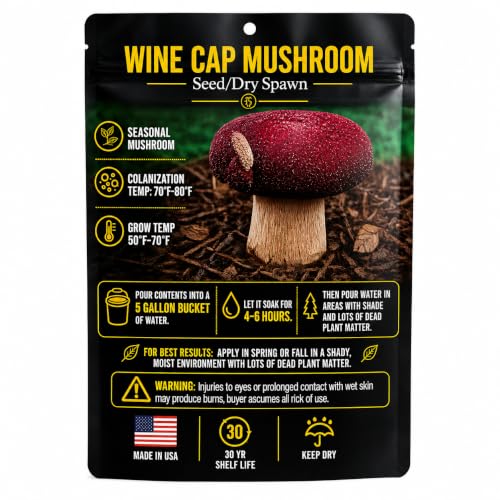
Wine Cap, often called the Garden Giant, is our top pick for a first outdoor mushroom. It loves fresh hardwood chips and straw, which makes it perfect for paths, bed edges, and thick mulches. Since arborist chips and bagged mulch are easy to find, most gardeners already have the raw materials nearby.

The mycelium of Wine Cap grows fast and tends to crowd out competing fungi. That means we usually do not need to pasteurize or sterilize the chips, which removes a common barrier for beginners. Its large caps range from reddish brown to deep burgundy and have thick, pale stems, so identification is straightforward.

In the kitchen, Wine Cap has a mild, earthy taste and a firm texture that many people compare to potatoes. It shines in soups, stir fries, and roasts. It fruits best in cool weather around the low seventies, so we often see flushes in spring and fall under tall corn, tomatoes, or berry canes that cast some shade.

For reliable harvests, give Wine Cap beds:

  • Depth: at least 4–6 inches of mixed straw and chips
  • Size: a patch of about 3×3 feet or larger to hold moisture
  • Shade: dappled light or afternoon shade to keep the substrate cool

Oyster Mushrooms, Shiitake, and Beyond: Expanding Your Mushroom Garden

Once Wine Cap beds are in place, many gardeners become curious about other species. Oyster mushrooms are usually the next step. Blue and Italian Oyster strains handle a wide range of cool to mild conditions and do very well in straw beds, logs, or plastic bins filled with hydrated wood pellets. Golden and Pink Oyster strains enjoy heat, so they can fruit during hot summers when other mushrooms rest.

Shiitake brings a rich, savory flavor that many cooks love. It grows best on fresh hardwood logs, with oak as the classic choice. The process takes patience, since logs often need six to eighteen months before they start to fruit. After that wait, a single log can produce several flushes a year for many seasons with only simple care.

Almond Agaricus is a bit different from the rest. Instead of wood, it prefers finished compost, aged manure, or worm castings. Its caps carry a gentle almond scent and flavor, which makes it an interesting choice for gardeners with deep, well‑fed compost beds.

Here is a quick reference chart to compare these options.

VarietyPreferred SubstrateFruiting Temperature RangeApproximate Difficulty
Wine CapFresh hardwood chips, strawCool to mildEasiest
OysterPasteurized straw, logs, binsCool to hot, by strainEasy
ShiitakeFresh hardwood logsCool to mildModerate
Almond AgaricusFinished compost, aged manureMild to warmModerate

For a first project, many gardeners start with Wine Cap in beds or Oyster mushrooms in containers, then add Shiitake logs or Almond Agaricus compost beds as confidence grows.

How to Build a Mushroom Bed in Your Garden (Step-by-Step)

For many of us, the heart of learning how to grow mushrooms in your vegetable garden is the in‑bed mushroom patch. A layered “lasagna” bed turns cardboard, straw, and chips into a long‑lasting home for mycelium. This method fits neatly with organic mulching habits, so we can set up a mushroom bed at the same time we refresh garden paths or cover bare soil.

Selecting the Perfect Location

Mushrooms need steady moisture and protection from strong sun. Full sun dries the substrate and can kill tender mycelium, so we look for spots with partial to full shade for most of the day. Dappled light under trees, fences, or tall crops often works very well.

Great locations include:

  • wood‑chip paths between raised beds
  • the north side of a shed or house
  • areas under berry bushes and fruit trees
  • a dedicated section of a bed during a break between vegetable crops

Wherever we choose, it helps to be close to a hose or drip line, since regular water makes the difference between a thriving patch and a dry pile of chips.

The Lasagna Mulching Method: Building Your Bed Layer by Layer

The lasagna method uses simple layers that each serve a clear purpose. We start at soil level and stack materials that hold moisture, feed the fungi, and protect everything from dry air.

  1. Lay down cardboard on cleared soil and remove any tape or glossy print. Overlap the edges so light cannot slip through to weed roots under the bed. Soak this layer well so it presses tight against the soil and becomes a damp barrier and food source.
  2. Add a first layer of straw or another clean, seed‑free material and wet it until it feels like a wrung‑out sponge. Follow with a layer of fresh hardwood chips or hydrated hardwood pellets that have cooled. Water again so every layer feels moist but not sloppy.
  3. Break your sawdust or grain spawn into small pieces and scatter it evenly across the damp substrate. Gently mix the spawn into the top inch or two so it touches as many chips as possible. For a patch of thirty to sixty square feet, a five pound bag of spawn is usually enough.
  4. Cover everything with two to four inches of shredded hardwood mulch or more straw to act as a protective blanket. This top layer keeps sunlight and wind off the colonizing mycelium and holds humidity inside the bed. A slightly rough surface is fine and even helpful, since it catches water.
  5. Walk gently over the bed or press it down with your hands to settle the layers together. Then give the whole patch a final deep drink so moisture reaches the bottom near the cardboard. From this point on, our main task is to keep the bed from drying out while the mycelium weaves through the substrate.

Tip from our team: squeeze a handful of substrate after watering. If only a few drops come out, moisture is about right. If water streams out, it is too wet and may turn sour.

This simple build fits perfectly with the Gardening Elsa focus on soil health, since the same bed that grows mushrooms will, over time, turn into rich, dark soil for future vegetables.

Growing Mushrooms on Logs and in Small Spaces

Not every gardener has wide beds or deep paths, and some people prefer a method that stays neatly contained. Log stacks, straw bales, and bins of substrate fit well on patios, balconies, or small side yards.

These methods still let us grow mushrooms right alongside container vegetables, even when most of our “garden” is pots and planters.

Log Cultivation for Shiitake and Oyster Mushrooms

Log cultivation shines for people who love long‑term projects and steady harvests. Start with hardwood logs cut from healthy trees within the past few weeks so the wood is still full of food for the fungi.

Aim for pieces about four to six inches wide and three to four feet long, with oak for Shiitake and a mix of hardwoods for Oysters.

Drill holes in a diamond pattern around the entire log, spacing them a few inches apart and about an inch deep. Tap plug spawn into each hole until it sits level with the bark, which places the mycelium inside the wood.

Warm some cheese wax or beeswax and brush a dab over every hole to seal in moisture and keep insects away.

Stack the logs in a shady corner, leaning them like a loose fence or crisscrossing them in a low pile. Keep them moist with regular soaking or a sprinkler during dry spells. It often takes six to eighteen months for the logs to fill with mycelium, but once that happens, we can submerge a log in cold water for a day to trigger a flush of Shiitake or Oyster mushrooms for many years.

Successful log projects follow a simple pattern:

  1. Cut fresh hardwood logs
  2. Drill and plug with spawn
  3. Seal the holes with wax
  4. Stack in deep shade and keep moist
  5. Soak colonized logs to prompt fruiting

Container and Straw Bale Growing for Small Spaces

For patios and balconies, a straw bale can become a complete mushroom garden on its own. After wetting and conditioning the bale over several days, we press Oyster spawn into small pockets in the straw and keep the bale evenly moist. The bale holds water well, and as the mycelium spreads, it turns that block of straw into both food and structure.

Plastic storage bins or large fabric pots also work very well. We fill them with hydrated hardwood pellets, soy hulls, and chopped straw, then mix in Oyster spawn. A few small air holes near the top allow gas exchange while the lid or fabric holds humidity.

One well‑built bin can give several pounds of mushrooms, and we can slide it into a greenhouse or bright garage during cold weather to extend the season.

These compact methods match Gardening Elsa’s focus on space‑smart food growing, since they let apartment and townhome gardeners join in without a traditional yard.

Caring for Your Mushroom Patch and Troubleshooting Common Problems

Once the bed, logs, or containers are in place, care for mushrooms is light but steady. We are mostly supporting the mycelium while it quietly does its work beneath the surface.

With a few simple habits and a calm, step‑by‑step approach to problems, we can keep the patch productive for years.

“Soil is not dirt; it’s a living community. Fungi are some of its hardest‑working members.” — Adapted from the work of soil biologist Elaine Ingham

Ongoing Care: Watering, Feeding, and Patience

Moisture matters more than anything else. Check the bed often, especially during hot or windy weather, by pushing a finger a few inches down into the mulch.

The top layer can feel dry while the lower layers still hold water, but if the middle feels dry, it is time for a slow, deep soaking. In dry climates, a drip line on a timer set to run briefly every day or two keeps conditions steady without guesswork.

Over time, mushrooms consume their food source, so we top up the patch once a year. In spring or fall, spread a fresh layer of wood chips or straw on top of the bed, then water it in well. The existing mycelium will grow upward into this new food.

It may take several months, and sometimes a full year, before a fresh installation fruits, so we watch for white mycelium in the substrate and wait for the right mix of cool air and moisture to invite a flush.

A simple seasonal checklist:

  • Spring: check moisture and add a thin layer of fresh chips or straw
  • Summer: water more often and add extra shade if beds dry quickly
  • Fall: watch for strong flushes after cool rains
  • Winter: in cold climates, leave beds in place; mycelium rests under the mulch

Troubleshooting: Why Aren’t My Mushrooms Growing?

When mushrooms do not appear, we can walk through a few common checks. First, dryness stops mycelium in its tracks. Dig gently into the bed and feel the material halfway down. If it feels dusty instead of cool and spongy, add a deep watering and a thicker top layer of mulch to slow evaporation.

Next, consider competing fungi, especially when we used raw chips or straw that were never pasteurized. Bright colored molds or many small, unknown mushrooms can signal that another species has moved in.

For most garden beds, this is not dangerous, but it may reduce yields. In future beds, we can choose vigorous species such as Wine Cap or use pasteurized substrates for more sensitive mushrooms.

Last, look at timing and temperature. A healthy patch may wait quietly until the weather suits it. Wine Cap and Shiitake like cool spells, while Golden and Pink Oysters prefer heat. If the bed has stayed moist and you have seen white mycelium threads inside, the best plan is often to keep caring for it and let the seasons bring the right signal.

If mushrooms refuse to appear, most issues fall into one of three causes:

  • Too dry: substrate feels dusty or crumbly inside
  • Temperature stress: very hot or very cold periods slow fruiting
  • Not enough time: the mycelium is still colonizing the bed

Harvesting Your Mushrooms Safely

Harvest days are some of the most rewarding garden moments, and mushrooms are no exception. For the best flavor and texture, we pick mushrooms while they are still young and firm.

Wine Cap mushrooms taste best when the caps are full but not yet fully flat, with gills still partly covered by the veil. Oyster clusters should be cut when the caps are broad but the edges have not curled sharply upward.

To harvest, we use a clean, sharp knife and slice at the base of the stem, or we twist gently and lift the mushroom free. The goal is to disturb the substrate as little as possible so the mycelium stays anchored for future flushes.

Any bits of soil or mulch can be brushed off outside, with a quick rinse in the kitchen only if needed. Store fresh mushrooms in a paper bag in the refrigerator so they can breathe and stay firm.

Safety always comes first with mushrooms. Even though we intentionally add a known edible species to the garden, wild mushrooms can appear from spores already in the soil or air.

We only eat mushrooms that match the description and photos of the variety we planted, from cap and gills to stem color. This is one reason Wine Cap is so popular for beginners, since it has a clear size, cap color, and ring pattern that are easy to learn.

If a mushroom looks different from what we expect, we leave it alone. The simple rule is that when there is any doubt, we throw it out.

Local mycology clubs, extension offices, or experienced foragers can offer extra help with identification, and joining such groups is a great way to build confidence while keeping safety as the top priority.

Mushroom safety rule of thumb: “When in doubt, throw it out.” This saying is shared by mycology clubs everywhere for a reason.

Conclusion

When we grow mushrooms in your vegetable garden, we gain much more than a new ingredient for dinner. Mycelium breaks down mulch into gentle plant food, improves soil structure, and helps the bed hold water, all while turning shady corners and paths into food‑producing spots. Mushrooms and vegetables share the same soil in a way that supports both.

The hardest part is often just getting started with that first Wine Cap bed, log stack, or Oyster bin. After the mycelium settles in, our main job is simple care and patience while nature takes its course.

Whether we tend a large backyard or a small balcony, there is a method that can fit, from lasagna beds in paths to straw bales on a patio.

FAQs

Can I Grow Mushrooms in a Raised Bed Vegetable Garden?

Yes, raised beds can host mushrooms very well. We can lay cardboard over the soil, add a layer of wood chips or straw, and mix in Wine Cap or Oyster spawn. A partly shaded section during a crop break works best, and the same bed can return to vegetables once the substrate breaks down.

How Long Does It Take for Mushrooms to Grow in a Garden Bed?

Mycelium often needs three to twelve months to fill a new bed, depending on the species, substrate, and weather. Many gardeners see the first flush the season after they install the patch. Wine Cap on fresh chips tends to appear faster than Shiitake on logs, but steady moisture always speeds progress.

Do Mushrooms Harm Vegetable Plants?

No, garden mushroom species actually support vegetables instead of hurting them. The mycelium improves nutrient cycling and water holding, which helps roots stay healthy. When we choose safe, known edible strains and give them proper substrates, they share the bed with our crops in a helpful way.

What Is the Easiest Mushroom to Grow in a Vegetable Garden?

Wine Cap is often the easiest choice for outdoor beds, since it thrives on simple wood chips, competes well with wild fungi, and is straightforward to recognize. For very small spaces, Oyster mushrooms in containers or straw bales come in a close second and can give generous harvests even on a balcony.

vegetable garden ideas

10 Vegetable Garden Layout Ideas