
Growing eggplants brings a touch of purple beauty to any garden. These warm-weather vegetables need the right amount of care to produce their best fruit. Many gardeners wonder if eggplants are thirsty plants that need constant watering.
Eggplant plants require about 1 inch of water per week to thrive and produce healthy fruits. Young plants need more frequent watering every 2-3 days as their roots develop. The soil should stay moist but never waterlogged, which can harm the plant’s growth.
The ideal growing conditions for eggplants include well-draining, loamy soil with a pH between 6.2 and 6.5. This type of soil helps maintain the right moisture balance while giving roots enough air to breathe. A mix of sand, silt, and clay creates the perfect environment for these purple beauties to flourish.
Understanding Eggplant Water Requirements
Eggplants need specific amounts of water to grow healthy fruits. Regular watering keeps soil moisture balanced and supports strong root development.

Soil Moisture and Eggplant Health
Eggplants require 1-2 inches of water per week during the growing season. This equals about 0.3 inches of water each day to maintain proper soil moisture.
A moisture meter can help track soil wetness levels. The ideal reading should stay between 40-70% moisture content.
Young eggplants need more frequent watering every 2-3 days while their roots develop. Mature plants can handle slightly longer gaps between waterings.
The best time to water is early morning. This lets water soak into the soil before evaporation occurs.
Effects of Overwatering and Underwatering
Signs of Overwatering:
- Yellow leaves
- Rotting stems
- Wilting despite wet soil
- Root disease
Signs of Underwatering:
- Drooping leaves
- Slow growth
- Small fruits
- Leaf drop
Excessive water can lead to root rot and fungal issues. The soil should feel moist but never soggy or waterlogged.

Too little water causes stunted growth and poor fruit development. The plant may drop flowers or produce bitter fruits.
Check soil moisture by inserting your finger 1-2 inches deep. Water when the soil feels dry at this depth.
Preparation and Planting Eggplant
Good soil preparation and proper drainage create the foundation for healthy eggplant growth and abundant harvests.
Selecting the Right Soil Type
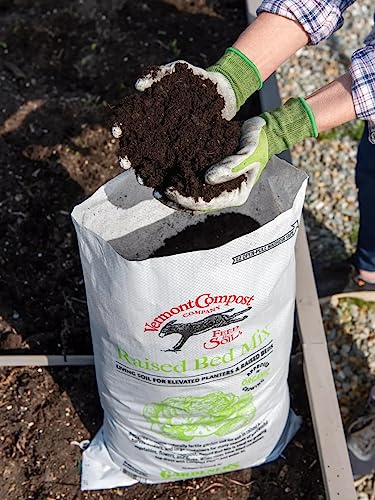
Eggplants grow best in rich, loamy soil with a pH between 6.0 and 6.8. Mix organic compost into the top 8-12 inches of soil before planting to add nutrients.
Sandy loam provides excellent growing conditions because it warms up quickly in spring. This helps young eggplant seedlings establish strong root systems.
Recommended soil amendments:
- Aged manure
- Leaf compost
- Peat moss
- Worm castings
Establishing Proper Drainage
Eggplants need well-draining soil to prevent root rot and other moisture-related issues. Raised beds offer excellent drainage and help soil warm up faster.
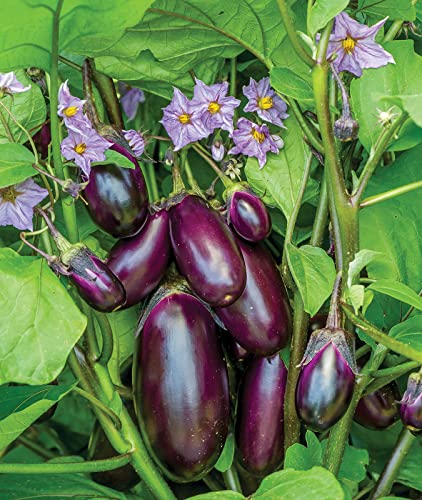
Add a 2-3 inch layer of mulch around plants to retain moisture while letting excess water drain away. Common mulch materials include:
- Straw
- Wood chips
- Dried grass clippings
- Shredded leaves
Test drainage by digging a 12-inch hole and filling it with water. The water should drain within 24 hours. If water pools, mix in sand or perlite to improve drainage.
Consider planting in containers with drainage holes if garden soil drains poorly. Use high-quality potting mix designed for vegetables.
Watering Techniques for Eggplants
The right watering method and schedule helps eggplants grow strong and produce plenty of fruits. Deep watering and proper timing make a big difference in plant health.
Setting a Watering Schedule
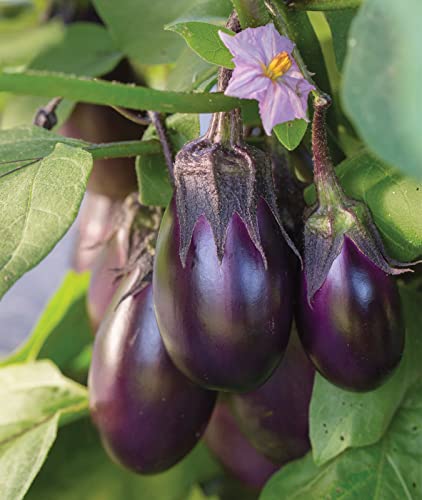
Water eggplants every 2-3 days to keep the soil moist but not soaked. Young plants need more frequent watering while their roots develop.
The best time to water is early morning or evening when temperatures are cooler. This lets water soak into the soil instead of evaporating.
Give plants about 1 inch of water per week during the growing season. Increase this amount during hot spells or if growing in sandy soil.
Check soil moisture by sticking your finger 1-2 inches deep – if it feels dry, it’s time to water.
Choosing the Ideal Watering Method
Most Effective Methods:
- Drip irrigation systems
- Soaker hoses
- Hand watering at soil level
Water deeply at the base of plants rather than spraying leaves. This helps water reach the roots where it’s needed most.
Drip systems and soaker hoses work great because they deliver water slowly and directly to roots. Place them 2-3 inches from plant stems.
Adding mulch around plants helps hold moisture in the soil and reduces watering needs. Use 2-3 inches of organic mulch like straw or wood chips.

Maintaining Soil Moisture
Keeping the right soil moisture level helps eggplants grow strong and produce healthy fruits. Two effective methods can help maintain consistent moisture in your garden.
Using Organic Mulch
Spread a 2-3 inch layer of organic mulch around eggplant stems. Straw, wood chips, or dried leaves work well as mulch materials.
Mulch acts as a protective barrier that keeps soil temperature steady and reduces water loss through evaporation. This means you won’t need to water as often.
Leave a small gap between the mulch and plant stems to prevent rot. Replace mulch as needed when it breaks down over the growing season.
Monitoring with a Soil Moisture Meter
A soil moisture meter gives accurate readings of water levels in the soil. Insert the probe about 6 inches deep near the plant roots.
The meter will show if the soil is dry, moist, or wet. Most meters use a scale of 1-10, with 4-6 being ideal for eggplants.
Check moisture levels every few days, especially during hot weather. Water deeply when the meter shows dry readings below 4.
Testing at the same time each day gives the most reliable results. Take readings from multiple spots around each plant.
Identifying and Treating Water-Related Issues
Water management plays a crucial role in keeping eggplants healthy. Both too much and too little water can lead to serious plant problems.
Dealing with Fungal Diseases and Rot
Root rot is a common issue when soil stays too wet. The first signs include darkened, mushy roots and a bad smell near the plant base.
To fix root rot, reduce watering and improve drainage. Remove affected plants from wet soil and trim away diseased roots with clean tools.
Prevention tips:
- Water only in early morning
- Keep soil moist but not soggy
- Add organic mulch around plants
- Ensure good soil drainage
Recognizing Stress Signs in Eggplants
Yellowing leaves often signal water stress. When plants get too little water, leaves droop and wilt, especially during hot afternoons.
Key stress indicators:
- Wilting leaves despite moist soil (overwatering)
- Crispy, brown leaf edges (underwatering)
- Yellow leaves with green veins (drainage issues)
The fix depends on the cause. For wilting with wet soil, cut back watering. For drought stress, water deeply but less often.
A moisture meter can help track soil wetness. Stick it 2-3 inches deep near the plant roots for accurate readings.
Fertilization and Watering
Proper water and nutrient management plays a vital role in growing healthy eggplants. Regular watering combined with balanced fertilization helps prevent common issues like blossom end rot while promoting strong growth.
Balancing Water and Nutrient Intake
Eggplants need 1 inch of water per week, delivered through deep soaking rather than frequent light waterings. This encourages deep root growth and better nutrient absorption.
The soil should stay consistently moist but not waterlogged. Test by touching the top inch of soil – water when it feels dry.
Adding calcium-rich fertilizer helps prevent blossom end rot, a common problem in eggplants. Mix balanced fertilizer into the soil before planting.
Young seedlings need more frequent watering every 2-3 days as their roots develop. Mature plants can handle slightly longer periods between waterings.
Key signs of proper watering:
- Soil remains damp but not soggy
- Leaves look firm and bright
- No wilting or yellowing
- Consistent fruit development
Cultivating Healthy Eggplants
Proper care and maintenance help eggplants grow strong and produce abundant yields. Regular pruning and pest management create optimal conditions for healthy fruit development.

Pruning for Optimal Growth
Remove yellowing or damaged leaves as soon as you spot them to prevent disease spread. This helps direct energy to fruit production.
Trim off suckers – the small shoots that grow between branches and the main stem. These drain resources from the plant.
Keep 4-5 main branches on each plant to support fruit development. Cut back any excess branches that crowd the center of the plant.
Prune away leaves that touch the ground to reduce pest and disease problems. This improves air circulation around the plant base.
Protecting Against Pests and Diseases
Watch for flea beetles – they create small holes in leaves. Use row covers early in the season to block these pests.
Check leaves regularly for signs of disease like brown spots or wilting. Remove affected parts immediately.
Common pests include:
- Aphids
- Spider mites
- Colorado potato beetles
Keep soil consistently moist but not waterlogged. Dry conditions stress plants and make them more vulnerable to problems.
Space plants properly – about 18-24 inches apart. Good airflow between plants reduces disease risk.
Apply mulch around plants to prevent soil-borne diseases from splashing onto leaves during watering.
Advanced Watering Practices
Proper watering techniques help eggplants thrive in different environments. Smart irrigation choices and climate adaptations make a big difference in plant health.
Adjusting Watering Based on Climate
Sandy soils need more frequent watering since they drain quickly. Add water every 2-3 days instead of weekly in these conditions.
Hot, windy days increase water evaporation from soil. Check soil moisture daily during heat waves and protect plants with mulch to retain water.
In humid climates, reduce watering frequency to prevent root rot. Test soil moisture by inserting a finger 2 inches deep – water only when the soil feels dry.
Utilizing Automation and Irrigation Systems
Drip irrigation delivers water directly to plant roots with minimal waste. Set up tubes or soaker hoses 2-3 inches from plant stems.
Recommended Irrigation Schedule:
- Morning: 15-20 minutes
- Evening: 10-15 minutes
- Adjust timing based on weather
Timer-controlled systems maintain consistent soil moisture. Install moisture sensors 6 inches deep to trigger watering only when needed.
Smart irrigation controllers adjust watering based on weather data. These systems reduce water waste while keeping plants healthy.
Frequently Asked Questions
Growing eggplants requires specific knowledge about watering, soil conditions, and plant care to achieve healthy growth and abundant harvests.
How often should eggplants be watered when grown in pots?
Potted eggplants need water every 2-3 days in warm weather. The soil should stay moist but not waterlogged. Check moisture levels by sticking a finger 1-2 inches into the soil. Water when the top layer feels dry. Container-grown plants dry out faster than those in the ground. Add a layer of mulch to help retain moisture.
What are the common issues encountered when growing eggplants?
Leaf wilting often indicates water stress or extreme heat. Yellow leaves can signal too much water or nutrient deficiencies. Blossom drop happens when temperatures are too high or water is inconsistent. Pest problems include flea beetles, spider mites, and aphids.
What is the optimal fertilizer to use for eggplant cultivation?
A balanced 5-10-5 fertilizer works well for eggplants during the growing season. Apply fertilizer every 4-6 weeks throughout the growing period. Organic options include compost tea or well-rotted manure.
What techniques speed up the germination of eggplant seeds?
Soak seeds in warm water for 24 hours before planting. Keep soil temperature between 75-85°F (24-29°C) for best germination rates. Use a heat mat under seed trays to maintain warm temperatures.
Is daily watering necessary for the health of eggplant plants?
Daily watering isn’t always needed. Plants require 1-1.5 inches of water per week. Weather conditions and soil type determine watering frequency. Morning watering allows plants to dry before evening, reducing disease risks.
Can eggplant plants be damaged from excessive watering?
Too much water leads to root rot and fungal diseases. Waterlogged soil prevents roots from getting enough oxygen. Signs of overwatering include yellowing leaves, stunted growth, and wilting despite wet soil.

Conclusion
Eggplants need regular and consistent watering to grow well. They require about 1-1.5 inches of water per week during their growing season.
The most crucial watering periods are during flowering and fruiting. Plants need extra attention and moisture during these stages to produce healthy fruit.
Morning watering works best for eggplants. This timing helps prevent diseases and lets plants use water efficiently throughout the day.
Using mulch around eggplant helps keep soil moisture steady. A 2-3 inch layer of organic mulch reduces water waste and keeps roots at the right temperature.
Watch for signs of water stress in your plants. Yellow leaves often mean too much water, while wilting can signal not enough water. Adjust watering based on these signals.
A simple moisture meter or finger test can help check soil dampness. The soil should feel moist but not soggy, about 1 inch below the surface.

Hello there! I’m Elsa, and gardening is my passion. As an avid gardener, I created GardeningElsa.com to share my knowledge and experience with fellow enthusiasts. My website is a comprehensive resource for gardeners of all levels, offering expert advice on a wide range of topics, including plants, flowers, herbs, and vegetable gardening. Whether you’re a beginner looking to start your first garden or a seasoned pro seeking to expand your knowledge, GardeningElsa.com has something for everyone. Read more about me.