
Noticing your ZZ plant hasn’t produced new shoots in a while can be concerning. These resilient houseplants are known for their slow growth pattern, typically producing only 2-3 new stems per year, which often emerge in sporadic growth spurts rather than continuously.
The most common reason a ZZ plant stops growing is insufficient light, even when it appears to be in a bright location.
ZZ plants (Zamioculcas zamiifolia) may look perfectly healthy while not actively growing new shoots. This happens because they store water and nutrients in their thick rhizomes underground, allowing them to survive with minimal resources. Other factors that can limit growth include poor soil drainage, lack of nutrients in old soil, or improper watering practices.
With the right care adjustments, your indoor ZZ plant can resume its growth cycle. Moving the plant to a brighter location (still avoiding direct sunlight) is often the simplest solution. The plant may also benefit from well-draining soil similar to what succulents prefer and occasional light fertilization during the growing season.
Understanding ZZ Plant Biology
ZZ plants (Zamioculcas zamiifolia) have a unique underground growth system that directly affects their above-ground development. Their specialized root structures store water and nutrients, allowing these plants to survive in harsh conditions.

The Role of Rhizomes and Tubers
ZZ plants develop tubers, similar to potatoes, underground, which serve as storage organs for water and nutrients. These tubers connect to rhizomes, which are horizontal underground stems that can produce new shoots and roots.
When a ZZ plant isn’t producing new shoots, the plant may be focusing energy on developing its underground tuber system instead. This is perfectly normal, especially in younger plants.
Tubers gradually expand over time, storing energy that will eventually fuel new stem growth. A healthy tuber can be quite large – sometimes fist-sized or larger – and feels firm to the touch.
During dormant periods, ZZ plants prioritize tuber development over visible growth. This adaptation helps them survive drought conditions in their native East African habitat.
Characteristics of the ZZ Plant’s Root System
The ZZ plant’s root system consists of both the rhizomes/tubers and smaller feeder roots that absorb water and nutrients. This dual system provides excellent drought resistance.
Feeder roots spread horizontally rather than deeply, making ZZ plants somewhat shallow-rooted despite their sturdy appearance. These roots prefer well-draining soil to prevent rot issues.

Root health directly impacts new shoot production. Healthy roots appear white or light tan and feel firm. Overwatering can damage this root system, leading to rotting tubers and preventing new growth.
When propagating ZZ plants, both leaf cuttings and stem cuttings will develop tiny tubers before producing new shoots. This process can take months, showing how the plant prioritizes establishing its underground structure first.
Optimal Growing Conditions for ZZ Plants
ZZ plants thrive in specific conditions that mimic their natural habitat in Eastern Africa. Understanding these requirements helps overcome growth challenges and encourages the development of new shoots.
Soil Requirements and Composition
ZZ plants need well-draining soil to prevent root rot and promote healthy growth. A mixture of potting soil, perlite, and coarse sand creates an ideal growing medium. The ratio should be approximately 2:1:1 to ensure proper drainage while retaining enough moisture.
Commercial cactus or succulent mixes work well for ZZ plants. These mixes prevent water from sitting around the rhizomes, which can cause them to rot.
Adding a small amount of compost (about 10% of the total mix) provides necessary nutrients without making the soil too heavy or moisture-retentive.

Ideal Soil pH: ZZ plants prefer slightly acidic to neutral soil with a pH between 6.0 and 7.0. This range helps the plant absorb nutrients efficiently.
When repotting, choose a container only slightly larger than the current pot. Too much soil volume can lead to excess moisture retention.
Watering Routines and Overwatering Risks
ZZ plants store water in their thick rhizomes, making them extremely drought-tolerant. The most common mistake is overwatering, which prevents new growth and can lead to root rot.
Watering frequency: Allow the soil to dry out completely between waterings. During growing season (spring and summer), this typically means watering every 2-3 weeks. In winter, reduce to once a month or less.
Use the finger test to check soil moisture – insert your finger 2 inches into the soil. If it feels dry, it’s time to water. If it feels even slightly damp, wait longer.
Signs of overwatering include yellowing leaves, mushy stems, and no new growth. Underwatered ZZ plants show wrinkled stems and browning leaf tips.
Water thoroughly when you do water, allowing excess to drain completely. Never let the plant sit in standing water.
Temperature and Sunlight Preferences
ZZ plants grow best in temperatures between 65°F and 85°F (18°C-29°C). They can tolerate brief periods outside this range but may slow or stop growth in response to temperature stress.
Optimal temperature range: 70°F-75°F (21°C-24°C) encourages the most consistent growth. Avoid placing ZZ plants near drafty windows, heating vents, or air conditioners.
ZZ plants prefer bright, indirect light but adapt to lower light conditions. Too little light slows growth significantly. Place them near east or west-facing windows for ideal light exposure.
Direct sunlight can scorch the leaves, especially during summer months. If your ZZ plant receives direct sun, filter it through a sheer curtain.
Temperature fluctuations should be minimal. Sudden changes can shock the plant and halt new growth for extended periods.
Humidity Levels and Low Light Adaptation
ZZ plants are not particularly fussy about humidity, making them excellent houseplants in most environments. They thrive in average indoor humidity (40-50%) but adapt to both higher and lower levels.
In very dry environments (below 30% humidity), occasional misting can benefit ZZ plants. However, this is not essential for their survival or growth.
ZZ plants are famous for their low light tolerance. They can survive in offices with fluorescent lighting or rooms with minimal natural light. However, growth will be significantly slower in these conditions.

Light requirements for growth: While ZZ plants survive in low light, they need at least moderate indirect light to produce new shoots regularly. A plant in low light might only produce 1-2 new stems annually, while the same plant in bright indirect light could produce 3-4.
For faster growth in low light conditions, consider rotating the plant to brighter locations periodically or supplementing with grow lights.
Troubleshooting Growth Issues
ZZ plants can sometimes stall in growth due to several environmental factors. Identifying the specific issue is crucial for getting your plant back on track to producing new shoots.
Common Signs of Poor ZZ Plant Health
Yellow leaves often indicate overwatering problems in ZZ plants. When the thick rhizomes beneath the soil begin to rot, the entire plant suffers. Brown leaf tips typically suggest underwatering or low humidity issues.
Stunted growth—when your ZZ hasn’t produced new shoots in months—is a key indicator something is wrong. Healthy ZZ plants should produce 2-3 new stems per year, often in growth spurts rather than continuous development.
Black spots on stems or leaves may signal fungal infections from excessive moisture. Soft, mushy stems near the soil line almost always indicate root rot has begun.
Dropping leaves can happen with both overwatering and underwatering, so check the soil moisture before diagnosing.
Addressing Overwatering Concerns
Overwatering is the most common reason ZZ plants fail to grow. These plants store water in their rhizomes and need to dry out completely between waterings.
Water only when the soil is completely dry—test by inserting your finger 2-3 inches deep. For most environments, this means watering once every 2-4 weeks, not weekly.
During winter, reduce watering frequency even further as ZZ plants enter a dormant phase with minimal growth needs.
If you suspect overwatering damage has occurred, remove the plant from its pot and inspect the roots. Healthy roots should be firm and white or tan. Cut away any black, mushy roots before repotting in fresh soil.
Never leave the ZZ plant sitting in water, as this quickly leads to root rot.
Soil and Drainage Problems
ZZ plants require well-draining soil to thrive and produce new growth. Standard potting soil often retains too much moisture for these drought-tolerant plants.

Create an ideal mix by combining:
- 2 parts standard potting soil
- 1 part perlite
- 1 part coarse sand
This mixture provides adequate drainage while still retaining essential nutrients. Ensure your pot has drainage holes—this is non-negotiable for ZZ plants.
Terracotta pots work exceptionally well for ZZ plants as they wick away excess moisture. Plastic pots retain more water and may contribute to overwatering issues.
If your plant’s soil takes more than 2-3 weeks to dry out completely, it’s likely too water-retentive.
Insufficient Light Exposure
Though ZZ plants tolerate low light, they need adequate brightness to produce new growth. Plants that receive too little light simply won’t have the energy to create new shoots.
Place your ZZ plant within 3-6 feet of a north or east-facing window for ideal indirect light. While they can survive in darker corners, they won’t thrive or produce new growth in such locations.
Artificial lighting can supplement natural light if needed. Position grow lights 12-24 inches above the plant for 12-14 hours daily.
Avoid direct sunlight, especially through south or west-facing windows, as this can burn the foliage. Sunburned leaves develop brown patches and won’t recover.
Rotate your plant quarterly to ensure all sides receive equal light exposure.
Inadequate Humidity Levels
While ZZ plants tolerate average household humidity, extremely dry conditions can slow their growth. Ideal humidity ranges from 40-50%.
In very dry environments (below 30% humidity), consider these solutions:
- Group plants together to create a microclimate
- Place the pot on a pebble tray with water
- Use a humidifier nearby during winter months
Avoid misting ZZ plants—this practice doesn’t significantly increase humidity and may promote fungal issues on leaves.
Brown leaf tips often indicate humidity is too low, especially when combined with adequate watering.
Check humidity levels with an inexpensive hygrometer if you suspect this might be affecting your plant’s growth.
Proper Care and Maintenance
Proper care is essential for encouraging new growth in ZZ plants. When your plant isn’t producing new shoots, addressing the basics of fertilization, repotting, and soil quality can make a significant difference.
Fertilization Schedule and Nutrient Supply
ZZ plants don’t need frequent fertilizing, but they do benefit from occasional nutrient boosts. Apply a balanced, water-soluble houseplant fertilizer diluted to half strength every 2-3 months during spring and summer growing seasons.
During fall and winter, stop fertilizing completely as the plant enters dormancy. Over-fertilization can harm ZZ plants, causing fertilizer burn and stunted growth. If your plant hasn’t produced new shoots in a while, check when you last fertilized.
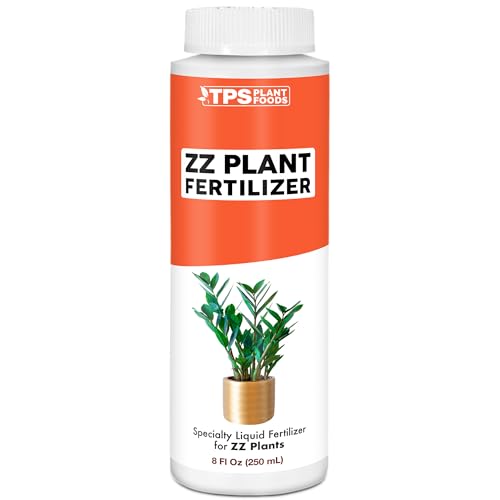
Signs of nutrient deficiency include yellowing leaves and slow or no growth. If these symptoms appear, a light feeding might help stimulate new shoot development. Always water thoroughly before applying fertilizer to prevent root damage.
When and How to Repot
ZZ plants typically need repotting every 2-3 years. Signs that repotting is needed include:
- Roots growing out of drainage holes
- Water running straight through the pot without being absorbed
- Plant becoming top-heavy or unstable
- No new growth despite proper care
The best time to repot is in spring or early summer when the plant is in active growth. Choose a pot only 1-2 inches larger than the current one, as ZZ plants prefer being slightly root-bound.
When repotting, gently remove the plant, loosen the root ball, and inspect for any unhealthy roots. Place in fresh potting mix and wait a week before watering to allow any damaged roots to heal.
Choosing the Right Potting Mix
ZZ plants require excellent drainage to thrive and produce new shoots. A suitable potting mix should be loose and well-aerated to prevent root rot, which can halt growth.
Create an ideal mix by combining:
- 2 parts standard potting soil
- 1 part perlite or pumice
- 1 part coarse sand or orchid bark
This combination provides both drainage and moisture retention. Commercial cactus or succulent mixes also work well for ZZ plants, either alone or amended with extra perlite.
Avoid heavy, moisture-retaining soils that can suffocate roots. When repotting, never pack the soil too tightly around the rhizomes and roots. Leave some space for air circulation and water movement.
The right potting mix helps ZZ plants develop healthy rhizomes, which are essential for producing new shoots and stems.

Propagation Techniques
When your ZZ plant isn’t producing new shoots, propagation offers a way to create new growth. These methods work by using parts of your existing plant to create entirely new plants.
Leaf Cuttings
Leaf cuttings are the simplest way to propagate a ZZ plant. Select a healthy leaf and cut it close to the stem. Allow the cut end to callus for 1-2 days.
Place the leaf cutting in water or directly into moist, well-draining soil. If using water, transfer to soil once roots develop (which may take 2-4 months). Keep the soil slightly moist but not wet.
Be patient with this method. ZZ plants (Zamioculcas zamiifolia) grow slowly, and leaf cuttings are the slowest propagation technique. New growth may take 6-12 months to appear as the leaf first develops rhizomes underground.
Separation of Rhizomes
ZZ plants grow from underground rhizomes, which can be separated to create new plants. Remove the plant from its pot and gently shake off excess soil to expose the rhizomes.
Look for natural divisions in the rhizome structure. Using a clean, sharp knife, cut the rhizomes apart, ensuring each section has both roots and stems attached. Allow cut surfaces to dry for a day before replanting.
Plant each rhizome section in fresh, well-draining soil. Water lightly and place in indirect light. This method produces faster results than leaf cuttings because you’re starting with established growth structures.
Cultural and Historical Significance
The ZZ plant has deep roots in African culture and carries symbolic meaning in various parts of the world. Native to Eastern Africa, this resilient houseplant has gained popularity globally for its adaptability and striking appearance.
ZZ Plant and Its Native Habitat
The ZZ plant (Zamioculcas zamiifolia) originates from the dry grasslands and forests of eastern Africa, particularly Tanzania, including Zanzibar. This plant evolved in seasonal drought conditions, developing its characteristic rhizomatous root system to store water during dry periods.
In its native habitat, the ZZ plant grows under tree canopies where it receives dappled light. This explains why it thrives in low-light indoor environments and shows slow growth patterns that many plant owners observe.
The plant’s adaptation to harsh conditions in Tanzania has made it incredibly resilient. Its natural slow growth rate is actually a survival mechanism that allows it to conserve energy in challenging environments.
Symbolism and Common Names
The ZZ plant carries several symbolic meanings across cultures. In many Asian countries, it represents prosperity and friendship, making it a popular housewarming gift. Its evergreen nature and longevity have earned it the nickname “Eternity Plant” in some regions.
The name “Zanzibar Gem” highlights its connection to Zanzibar, an island region of Tanzania. This name also reflects its glossy, jewel-like appearance that remains attractive even when the plant isn’t actively producing new shoots.
In feng shui practices, the ZZ plant is believed to bring positive energy and good fortune to a home. Its sturdy nature symbolizes strength and stability in challenging times.
The plant’s ability to thrive despite neglect has made it a symbol of resilience in modern plant culture.

Frequently Asked Questions
ZZ plants grow slowly by nature, but several issues can prevent new growth entirely. Understanding these common problems can help you get your ZZ plant thriving again.
Why is my ZZ plant not producing new shoots?
ZZ plants may not produce new shoots due to insufficient light. While they tolerate low light, they need some brightness to generate energy for growth.
The pot size could be another factor. If the pot is too large, the plant focuses energy on root development before producing new stems.
Seasonal dormancy is normal for ZZ plants. They grow less in fall and winter, so don’t expect much new growth during these periods.
How can I encourage my ZZ plant to grow faster?
Provide bright indirect light to boost your ZZ plant’s growth rate. A location near a north or east-facing window is ideal.
Water only when the soil is completely dry. Overwatering causes more harm than underwatering for these drought-tolerant plants.
Apply a balanced liquid fertilizer diluted to half strength every 2-3 months during the growing season. ZZ plants don’t need frequent feeding.
What can be done to stimulate more leaf growth in a ZZ plant?
Ensure your plant receives adequate but indirect sunlight. More light typically results in more foliage growth.
Maintain proper watering habits. Allow the soil to dry completely between waterings to prevent root issues that hinder growth.
Remove any yellow or dying leaves promptly. This redirects the plant’s energy to producing new, healthy growth.
Is there a specific fertilizer that is recommended for a ZZ plant to boost growth?
A balanced houseplant fertilizer with equal NPK numbers (like 10-10-10) works well for ZZ plants. Applying at half the recommended strength prevents fertilizer burn.
Slow-release fertilizers are a good option for busy plant owners. One application every 3-4 months during spring and summer is sufficient.
Avoid fertilizing during fall and winter when the plant’s growth naturally slows down.
How is ZZ plant propagation related to its growth rate?
Propagation temporarily slows overall growth as the plant divides energy between existing and new growth points. This is normal and temporary.
Leaf cuttings take the longest to develop new growth, sometimes 6-12 months before visible progress appears.
Division through rhizome separation creates new plants faster than leaf propagation but still requires patience as the separated sections establish.
What should I do if my ZZ plant shows no signs of growth after repotting?
Wait patiently for at least 2-3 months after repotting. ZZ plants often experience transplant shock and focus on root development before visible top growth.
Avoid fertilizing immediately after repotting to prevent root burn. Wait at least 4-6 weeks before resuming a light feeding schedule.
Check that the new pot has proper drainage and isn’t significantly larger than the previous one. Too much soil can retain excess moisture and cause root problems.

Conclusion
ZZ plants grow slowly by nature, often producing only 2-3 new stems per year. This growth typically comes in spurts rather than steady progression.
If your ZZ plant isn’t growing, check its light conditions first. While these plants tolerate low light, they need moderate indirect light to produce new shoots.
Watering habits also impact growth. ZZ plants prefer to dry out between waterings, but consistent underwatering prevents new growth.
The soil condition matters too. A well-draining potting mix helps establish strong roots, which are necessary for producing new stems.
Pruning can stimulate fresh growth. Cut stems just above a leaf joint using clean shears to encourage your plant to develop new shoots.
Temperature fluctuations may slow growth. ZZ plants prefer stable conditions between 65-75°F (18-24°C).
Remember that seasonal dormancy is normal. Your plant may naturally slow down during winter months and resume growth in spring.
Patience is key with ZZ plants. Provide proper care, give it time, and your plant will eventually reward you with new growth.

Hello there! I’m Elsa, and gardening is my passion. As an avid gardener, I created GardeningElsa.com to share my knowledge and experience with fellow enthusiasts. My website is a comprehensive resource for gardeners of all levels, offering expert advice on a wide range of topics, including plants, flowers, herbs, and vegetable gardening. Whether you’re a beginner looking to start your first garden or a seasoned pro seeking to expand your knowledge, GardeningElsa.com has something for everyone. Read more about me.