Growing Brussels sprouts in a square foot garden combines efficient space use with nutritious vegetable production. This method allows gardeners to maximize their harvest in small areas, making it perfect for urban settings or limited yard space. Square foot gardening divides the growing area into manageable sections, simplifying plant care and maintenance.
Square foot gardening can yield more Brussels sprouts per square foot than traditional row planting. This technique focuses on creating rich soil, proper spacing, and targeted care for each plant. By following specific steps, gardeners can enjoy a bountiful crop of these miniature cabbages right in their own backyard. The process requires attention to detail but rewards growers with fresh, homegrown vegetables.
1. Choose a sunny location
Brussels sprouts thrive in full sun. Pick a spot in your garden that gets at least 6 hours of direct sunlight each day. This helps the plants grow strong and produce tasty sprouts.
Make sure the area is open and not shaded by trees or buildings. Good airflow is important for healthy plants. It reduces the risk of diseases and pests.
When selecting the location, consider the layout of your square foot garden. Brussels sprouts can grow quite tall, so place them where they won’t shade other plants.
The soil in your chosen spot should drain well. Brussels sprouts don’t like waterlogged roots, so add compost or organic matter to improve drainage if needed.
Remember that brussel sprouts are cool-season crops. They can handle some frost, so a spot that stays cooler in the summer can be ideal.
Check out Companion Planting in Square Foot Gardening
2. Select high-quality seeds
Choosing the right seeds is key for growing healthy Brussels sprouts. Look for seeds from trusted suppliers or garden centers. Check the packaging for information about the variety and growing conditions.
Pick seeds that match your local climate and growing season. Some types do better in cooler weather, while others can handle warmer temps. Read the descriptions to find a good fit for your area.
Fresh seeds usually grow better than old ones. Check the expiration date on the packet. If you have leftover seeds from past years, they might still work, but may not sprout as well.
Consider disease-resistant varieties if pests or plant illnesses are common in your garden. These types can help your plants stay strong and healthy as they grow.
Organic seeds are a good choice for gardeners who want to avoid chemicals. They come from plants grown without synthetic pesticides or fertilizers.
Buy enough seeds to plant your square foot garden. Most packets list the number of seeds they contain, but plan for a few extra in case some don’t sprout.
Check out 5 Best Ways to Grow Square Foot Gardening Marigold
3. Prepare the soil with compost
Compost is key for growing healthy Brussels sprouts in square foot gardens. Mix 1-2 inches of compost into the top 6 inches of soil before planting. This adds nutrients and improves drainage.
For a 4×4 foot raised bed, use about 2-3 cubic feet of compost. Spread it evenly over the soil surface, and work it in thoroughly with a garden fork or tiller.
Choose well-aged compost that smells earthy. Avoid fresh manure, which can burn plants. Store-bought compost works well if you don’t make your own.
Brussels sprouts need rich soil to thrive. Compost feeds beneficial soil microbes, which break down organic matter into nutrients the plants can use.
Good compost also helps retain moisture in the soil. This is important for Brussels sprouts, which need consistent water. The compost acts like a sponge to hold water near the roots.
Test your soil pH after adding compost. Brussels sprouts prefer slightly acidic soil between 6.0-6.8. Add lime if needed to raise pH or sulfur to lower it.
Check out Grow Watermelon in Square Foot Gardening
4. Install a square foot grid
A square foot grid is key for organizing your Brussels sprouts garden. This grid divides the growing area into 1-foot squares.
You can make a grid using wood, string, or plastic. Wood is sturdy but costs more. String is cheap but needs replacing often. Plastic grids last long and are easy to use.
Measure your garden bed carefully. Cut your chosen material to fit the bed’s size. Make sure each square is exactly 1 foot by 1 foot.
Place the grid on top of your prepared soil. Secure it in place to prevent shifting. This will help you plant and tend to your Brussels sprouts easily.
The grid helps you space plants correctly. It also makes it simple to rotate crops each season. This method lets you grow more Brussels sprouts in less space.
With your grid in place, you’re ready to start planting. Each Brussels sprout plant will take up one full square in your grid.
Check out Grow Basil in a Square Foot Garden
5. Sow seeds half an inch deep
Planting Brussels sprout seeds at the right depth is crucial for successful growth. Sow the seeds about half an inch deep in the soil. This depth helps protect the seeds while allowing them to sprout easily.
Use your finger or a small tool to make shallow holes in the soil. Place one or two seeds in each hole. Gently cover the seeds with soil and pat it down lightly.
Space the seeds about 2 to 3 inches apart in your square foot garden. This gives the seedlings room to grow before thinning later. Water the soil gently after sowing to keep it moist.
Use seed trays or small pots filled with potting mix if starting indoors. Sow the seeds at the same half-inch depth. Keep the soil consistently moist until germination occurs.
Brussels sprout seeds usually sprout within 7 to 10 days. Once the seedlings emerge, make sure they get plenty of light. Thin them to one strong plant per square foot when they reach about 6 inches tall.
Check out Square Foot Gardening Broccoli
6. Water evenly but sparingly
Brussels sprouts need consistent moisture to grow well. Give them about 1 to 1.5 inches of water per square foot each week, keeping the soil moist but not waterlogged.
Water at the base of the plants to keep leaves dry. Wet leaves can lead to fungal diseases. A drip irrigation system works great for this. It delivers water right to the roots.
Check soil moisture before watering. Stick your finger about an inch into the soil. If it feels dry, it’s time to water. If it’s still damp, wait another day or two.
Water deeply but less often. This encourages roots to grow deeper. It also helps plants become more drought-resistant. Aim for 1-2 thorough waterings per week instead of daily light sprinkling.
Mulch around plants to help retain moisture. This reduces water loss from evaporation. It also keeps soil temperature more stable. Use organic mulch like straw or wood chips.
Adjust watering based on weather. Water more during hot, dry spells. Cut back when it’s cooler or rainy. Pay attention to your plants – they’ll show signs if they need more water.
Read Peas Square Foot Gardening
7. Thin seedlings to one per square
When your Brussels sprout seedlings reach about 2-3 inches tall, it’s time to thin them. This step is important for giving each plant enough space to grow.
Choose the strongest seedling in each square and remove the others. Gently pull out the weaker seedlings, being careful not to disturb the roots of the one you’re keeping.
Thinning helps prevent overcrowding. It allows the remaining plant to access more nutrients, water, and sunlight. This leads to healthier growth and better sprout production.
After thinning, you should have one Brussels sprout plant per square foot. This spacing gives the plant room to develop a strong stem and lots of sprouts.
If you’re having trouble deciding which seedling to keep, look for the one with the thickest stem and healthiest leaves. This plant is likely to be the most vigorous.
Remember to water the remaining seedling after thinning. This helps settle the soil around its roots and reduces transplant shock.
Check out Grow Bell Peppers in Square Foot Gardening
8. Use mulch to retain moisture
Mulch is a key part of growing healthy Brussels sprouts in square foot gardens. It helps keep soil moist and cool, which these plants need to thrive.
Straw makes a good mulch for Brussels sprouts. After they are established, apply a 2-3 inch layer around the plants. This creates a barrier that slows water evaporation from the soil.
Mulch also suppresses weeds that compete for water and nutrients. With less competition, Brussels sprouts can grow stronger and produce better yields.
As organic mulches break down, they add nutrients to the soil. This improves soil quality over time, benefiting current and future crops.
Wood chips or shredded leaves work well as mulch too. Avoid using fresh grass clippings, as these can mat down and prevent water from reaching the soil.
Apply mulch after watering deeply. This traps moisture in the soil, reducing how often you need to water. It’s especially helpful during hot, dry periods.
To prevent rot, keep mulch away from plant stems and leave a small gap around each Brussels sprout plant when spreading mulch.
Check out How to Grow Corn in Square Foot Garden?
9. Rotate crops yearly
Crop rotation is key for square foot gardening with Brussels sprouts. It helps prevent soil depletion and reduces pest and disease problems.
Move your Brussels sprouts to a new spot in your garden each year. Don’t plant them where other brassicas grew recently, such as cabbage, broccoli, and kale.
A good rule is to wait 3-4 years before planting Brussels sprouts in the same spot again. In the meantime, grow different plant families there.
This practice keeps the soil healthy and balanced. It also confuses pests that may have settled in the area.
When rotating, consider the nutrients each crop needs. Brussels sprouts are heavy feeders. Follow them with plants that need less nutrients, like beans or peas.
Keep a garden map or journal to track where you plant each year. This makes it easier to plan your rotations.
Remember, rotation is possible even in a small square-foot garden. Just shift your planting grid slightly each season.
By rotating crops, you’ll maintain soil health and grow stronger, healthier Brussels sprouts year after year.
Check out 10 Best Vegetable Varieties for Square Foot Gardening Beginners
10. Use row covers for pest control
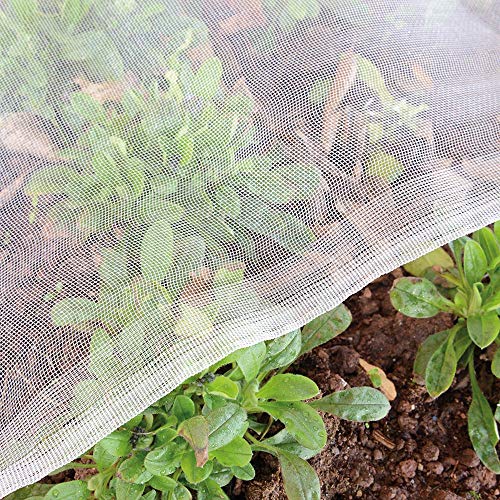
Row covers are a great way to protect brussels sprouts from pests. These lightweight fabrics let in light, air, and water while keeping bugs out.
Put row covers over young plants early in the season. This will prevent pests from reaching the sprouts before they’re strong enough to resist damage.
Remove the covers when the plants start to flower. This allows bees and other pollinators to reach the blooms.
Row covers also shield plants from birds that might eat young sprouts. They create a barrier without harming the plants or wildlife.
For best results, secure the edges of the row cover to the ground. This prevents pests from crawling underneath.
Check plants regularly even with covers in place. Remove any pests you find by hand to stop them from spreading.
Row covers work well with other pest control methods like companion planting and healthy soil practices. Together, these steps help keep brussels sprouts safe from harm.
Check out 5 Best Ways to Grow Zucchini in a Square Foot Garden
Understanding Square Foot Gardening
Square foot gardening is a space-saving method for growing more plants in a smaller area. It uses a grid system to divide the garden into small, manageable sections.
Square foot gardening saves space and water. Compared to traditional row gardening, you can grow more plants in less area. This method works well for small yards or balconies.
It’s easier to plan and maintain. The grid layout helps you organize your plants and track what’s growing where. Weeding is simpler since there’s less open soil between plants.
Square foot gardens need less water. The close plant spacing creates a living mulch that shades the soil and reduces evaporation, saving time and money on watering.
Pest control is easier too. The diverse plant mix in a small area can confuse pests and make it harder for them to spread.
The main idea is to divide your garden into 1-foot by 1-foot squares. Based on their size, each square holds a certain number of plants.
Use raised beds filled with a mix of good soil. A blend of compost, peat moss, and vermiculite works well. This gives plants the nutrients they need to grow strong.
Plant densely but don’t overcrowd. Follow spacing guides for each crop. For example, you might plant 4 lettuce plants or 16 carrots in one square foot.
Rotate crops each season to keep the soil healthy. This helps prevent diseases and nutrient depletion.
Water carefully. Focus on the plant roots and avoid getting leaves wet. This can help prevent fungal problems.
Brussel Sprouts Growth Requirements
Brussel sprouts need specific conditions to grow well. Good soil, the right amount of sun, and proper watering are key to success.
Soil Preparation
Brussel sprouts grow best in rich, well-draining soil. To add nutrients, mix compost into the soil before planting. The soil pH should be between 6.0 and 6.8.
Use a rake to smooth the soil. Add a layer of mulch around plants to keep moisture in. This also helps stop weeds from growing.
Leave about 2 feet of space between each plant. This gives them room to grow big and healthy.
Ideal Climate Conditions
Brussel sprouts like cool weather. They grow best when daytime temps are 60-65°F (15-18°C).
Plant them in full sun. They need at least 6 hours of direct sunlight each day. In hot areas, some afternoon shade can help.
Water plants regularly. They need about 1-1.5 inches of water per week. Check the soil with your finger. If it’s dry an inch down, it’s time to water.
Protect plants from strong winds. Use row covers or plant them near a fence for shelter.
Frequently Asked Questions
Growing Brussels sprouts in a square foot garden can be rewarding but also challenging. These questions cover key aspects of cultivation, from plant height to spacing and common issues.
How tall do Brussel sprouts typically grow during their growing stages?
Brussels sprouts plants usually reach 2 to 3 feet tall. They grow slowly at first, then speed up as they mature. As the plant gets taller, the sprouts form along the main stem.
What is the step-by-step process to grow Brussel sprouts successfully?
Pick a sunny spot in the garden.
Get high-quality seeds from a trusted source.
Mix compost into the soil to add nutrients.
Set up a square foot grid in the garden bed.
Plant seeds half an inch deep in each square.
Water regularly to keep soil moist.
Add mulch around plants to retain moisture.
Feed plants with balanced fertilizer every few weeks.
Remove yellow leaves to prevent disease.
Harvest sprouts when they’re firm and 1-2 inches wide.
What are the common growing problems encountered when cultivating Brussel sprouts and how can they be addressed?
Pests like aphids and cabbage worms often attack Brussels sprouts. Spray plants with soapy water to get rid of aphids. Pick off cabbage worms by hand. Clubroot disease can stunt growth. It’s best to avoid planting in infected soil for several years. Yellow leaves might mean the plant needs more nutrients. Add compost or fertilizer to the soil.
Which fertilizer is considered best for Brussel sprouts and why?
A balanced fertilizer with equal parts nitrogen, phosphorus, and potassium works well for Brussels sprouts. Look for a 10-10-10 or 14-14-14 mix. These nutrients help with leaf growth, root development, and sprout formation. Apply fertilizer every 3-4 weeks during the growing season.
Can you grow Brussel sprouts in pots and, if so, how?
Yes, Brussels sprouts can grow in pots. Choose a container at least 12 inches deep and wide. Fill it with rich potting soil mixed with compost. Plant one Brussels sprout per pot. Place the pot in full sun and water often. Stake the plant as it grows to keep it upright.
What is the recommended spacing for Brussels sprouts in square foot gardening?
In square foot gardening, plant one Brussels sprout per square foot. This gives each plant enough room to grow and get air flow. If using a larger grid, space plants about 18-24 inches apart. This prevents overcrowding and helps reduce disease problems.

Conclusion
Growing Brussels sprouts in a square foot garden is a rewarding experience. This method maximizes space and productivity in small areas. With proper planning and care, gardeners can enjoy a bountiful harvest of these nutritious veggies.
Key steps include choosing the right location, preparing the soil, and spacing plants correctly. Each Brussels sprout plant needs one square foot of space to thrive. This allows for good air circulation and prevents overcrowding.
Consistent watering is crucial for healthy growth. Brussels sprouts require about 1 to 1.5 inches of water per square foot weekly. Regular fertilization and pest management also contribute to success.
Patience is important when growing Brussels sprouts. These plants take several months to mature. However, the wait is worth it for fresh, homegrown sprouts.
Square foot gardening makes it easier to tend to plants and monitor their progress. It’s an efficient way to grow Brussels sprouts, even in limited spaces. Gardeners can enjoy a productive and satisfying Brussels sprout harvest with these steps.

Hello there! I’m Elsa, and gardening is my passion. As an avid gardener, I created GardeningElsa.com to share my knowledge and experience with fellow enthusiasts. My website is a comprehensive resource for gardeners of all levels, offering expert advice on a wide range of topics, including plants, flowers, herbs, and vegetable gardening. Whether you’re a beginner looking to start your first garden or a seasoned pro seeking to expand your knowledge, GardeningElsa.com has something for everyone. Read more about me.