
Eggplant leaves curl when something is stressing the plant. The most common causes are heat, dry or uneven soil, and sap-sucking pests like aphids, spider mites, and whiteflies. Less often, the cause is soggy roots, herbicide drift, a virus, or a nutrient problem.
Most of the time, eggplant leaves curling is a fixable stress signal: check the soil moisture and the leaf undersides first, because water stress and small pests cause the majority of cases. The way the leaf bends, where it shows up on the plant, and what else you see with it will point you to the right fix.
That means you can skip guessing and change one thing at a time.
What Does the Curl Tell You?
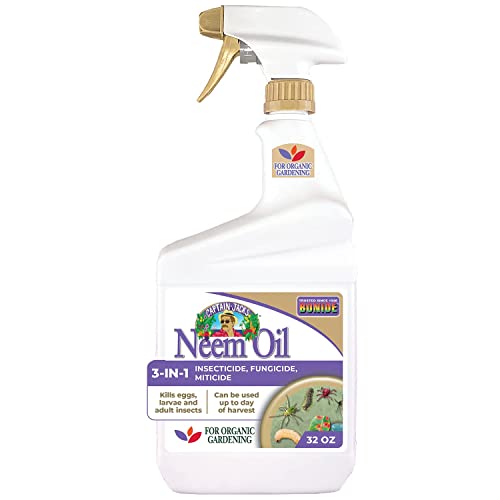
The shape and location of the curl are your best first clues. Upward rolling, cupping, and twisted tips each lean toward different causes, and extra symptoms like yellowing or spots narrow it down even more. If you are stocking up, a bottle of neem oil is the first thing I would pick up.
Leaves Curling Up or Down
Eggplant leaves that roll upward along the edges often point to heat, dry soil, or pests feeding underneath. Spider mites and leafhoppers both cause edges to roll up, so flip a few leaves before you blame the weather.
Leaves that curl downward or droop with a cupped shape lean toward root stress. Overwatering, transplant shock, and cold nights can all cause this.
If the leaves feel soft and limp along with the curl, check the roots and soil before anything else. My article on eggplant leaves drooping covers that limp look in more detail.
Cupped Leaves and Twisted New Growth
When the curl shows up mostly on the newest leaves at the top, think about what reaches fresh growth first. Aphids and whiteflies cluster on tender tips. Herbicide drift also hits growing points hardest.
Here’s how I’d read new-growth damage:
- Sticky leaves or tiny bugs on the tips point to aphids or whiteflies.
- Twisted, strappy leaves with odd veins and no bugs point to herbicide.
- Mottled, puckered leaves that stay small point to a possible virus.
- Cupped leaves after a cold snap point to temperature stress.
Older, lower leaves curling while the top looks fine usually means water, roots, or nutrients.
When Curling Happens Alongside Yellowing, Spots, or Wilting
Curling by itself is mild. Curling plus another symptom tells you much more.
- Curl plus yellow older leaves: nitrogen shortage or overwatering.
- Curl plus fine stippling or webbing: spider mites.
- Curl plus dark spots: a leaf spot disease.
- Curl plus wilting that doesn’t recover overnight: possible root rot or a fungal wilt.
If the fruit is also discoloring, my guide to eggplants turning brown helps sort out fruit problems.
Heat, Dry Soil, and Uneven Watering
Water stress is the cause I’d check first, since it’s the most common and the easiest to fix. Eggplants want about 1 to 2 inches of water a week, delivered deeply and evenly.
Dry spells, inconsistent watering, and hot afternoons all make leaves roll up to save moisture.
How to Check for Underwatering and Inconsistent Moisture
Push your finger about 2 inches into the soil near the plant. If it’s dry at that depth, the plant needs water. If it’s dry on top but damp below, you’re fine for now.
Signs of underwatering include:
- Leaves rolling up along the edges by midday
- Crispy brown leaf edges
- Soil pulling away from the sides of a container
- Flowers dropping before fruit sets
Containers dry out fastest. A 5-gallon pot in full summer sun may need water every day, especially in the Southeast and Southwest. Uneven watering, like a soak followed by a week of nothing, stresses roots almost as much as drought does.
Transplant shock looks similar. Young plants with small root systems curl for a week or two after moving outside, even with good watering.
When Heat Causes Temporary Leaf Curl
Eggplants love warmth, but temperatures above about 90°F can make leaves roll up in the afternoon. This is a defense against water loss.
The key test is timing. Check the plant again in the early morning. If the leaves are flat by sunrise, heat is the likely cause and the plant is coping. If they’re still curled at dawn, look deeper at roots, pests, or disease.

During long heat waves, a light shade cloth over the hottest part of the day helps. Gardeners in Texas, Arizona, and the Deep South get the most benefit from this.
How to Water Deeply Without Keeping Soil Soggy
I’d water at the base of the plant in the morning, soaking the soil 6 to 8 inches deep. Then let the top inch or two dry before watering again.
A few habits keep moisture steady:
- Use a soaker hose or drip line in place of overhead sprinklers.
- Water 2 to 3 times a week in beds, more often in pots.
- Lay 2 to 3 inches of straw or shredded leaves once the soil warms.
- Skip light daily sprinkles, which only wet the surface.
Mulch makes the biggest difference for evenness, and straw mulch is my go-to. Here’s how to mulch your vegetable garden without smothering young plants.
Overwatering, Root Trouble, and Disease Lookalikes
Too much water curls leaves too, because soggy soil starves roots of air. Overwatering also opens the door to fungal diseases that look a lot like simple water stress at first.
How to Check for Waterlogged Roots
Soil that stays wet and heavy for days is the first warning. Clay beds after a rainy week and pots without drainage holes are common trouble spots.
Watch for these signs:
- Lower leaves yellowing and curling downward
- Soft or dark stem near the soil line
- Sour or rotten smell from the soil
- Brown, mushy roots in place of white, firm ones
If you suspect root rot in a container, ease the plant out and look. Trim mushy roots, repot in fresh, well-drained mix, and water less often. In beds, stop watering until the top 2 inches dry, and add compost before next season to improve drainage.
How Fungal Wilts Differ from Water Stress
Verticillium wilt and fusarium wilt live in the soil and clog the plant’s water-carrying tissue. Leaves curl, yellow, and wilt even when the soil is moist.
A few clues help tell them apart from thirst:
- Wilt hits one side or one branch first and spreads.
- Leaves stay wilted after watering and through cool mornings.
- Brown streaks show inside the stem when you cut it near the base.
Verticillium wilt is a known problem for eggplant, especially in cooler soils of the Northeast and Midwest. There’s no cure once a plant has it. Rotating nightshades (tomatoes, peppers, potatoes, and eggplant) out of that bed for 3 to 4 years is your best defense.
When Leaf Spots Point to a Separate Disease
Dark spots with curling leaves suggest a disease working alongside the curl. Bacterial leaf spot causes small, water-soaked spots that turn dark and sometimes have yellow halos. Phomopsis blight causes larger brown spots with light centers on leaves and fruit.
Both spread in warm, wet weather and through splashing water. Pick off spotted leaves, water at the soil line, and space plants for airflow. Clean up fallen leaves at the end of the season so the disease doesn’t overwinter in the bed.
Which Pests Curl Eggplant Leaves?
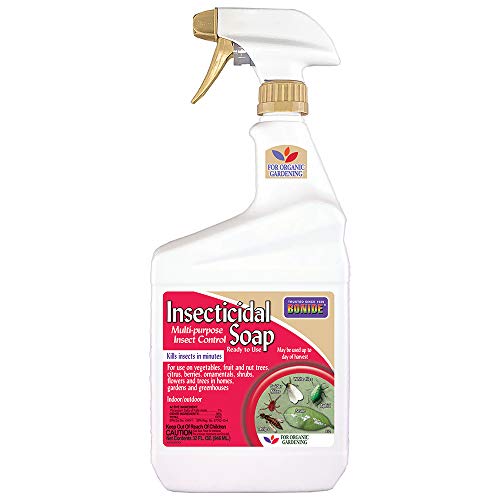
Sap-sucking pests are the most common living cause of curled leaves. Aphids, whiteflies, spider mites, thrips, and leafhoppers all drain plant juices, and that pest damage makes leaves pucker, yellow, and roll. Always check the undersides of leaves, since most of these bugs hide there.
Aphids and Whiteflies on New Growth
Aphids are soft, pear-shaped bugs in green, black, or pink. They pack onto new tips and leaf undersides. Heavy colonies make young leaves curl and deform, and they leave sticky honeydew behind.
Whiteflies are tiny white insects that fly up in a cloud when you brush the plant. They also cause yellowing, curling, and sticky leaves. Black sooty mold often grows on the honeydew both pests leave.
For light infestations, a strong spray of water from the hose knocks many off. Repeat every few days for a week or two.
Spider Mites, Thrips, and Leafhoppers
Spider mites are almost too small to see. Look for fine yellow speckling, bronzing, and thin webbing under leaves. They thrive in hot, dry, dusty weather, so they’re a big summer problem in the Southwest and during droughts anywhere.
Thrips are slender and fast. They leave silvery streaks and tiny black specks on leaves. They also spread spotted wilt virus, which I cover below.
Leafhoppers are small, wedge-shaped insects that hop sideways. Their feeding makes leaf edges roll up and turn yellow or brown.
To check for mites, tap a leaf over white paper. Moving specks mean mites.
Holes and Seedling Damage from Other Pests
Some eggplant pests chew instead of suck, so they leave holes in place of curls.
- Flea beetles make many tiny shotgun holes in young leaves. They hit seedlings hardest in spring.
- Cutworms chew through stems at the soil line overnight, toppling young transplants.
- Colorado potato beetles strip leaves, and their orange larvae are easy to spot.
Row covers over young plants keep flea beetles off until plants are bigger and tougher. Remove covers when flowers open so pollinators can reach them.
A cardboard collar around each transplant stem stops cutworms. For a wider look at what attacks food crops, see my overview of vegetable garden pests.