Squash vines stretching everywhere and swallowing a raised bed is a picture many gardeners know well. It can make the idea to plant squash in a raised bed feel risky, as if those big plants need a whole field to themselves. The truth is very different, and that is very good news for small-space gardeners.

When someone decides to grow squash in a raised bed, they gain control over soil quality, drainage, and spacing in a way that is hard to match in the ground. With a simple plan for soil, timing, pruning, and support, even a compact four-by-four bed can supply weeks of tender zucchini, patty pans, or winter squash for storage.
“To plant a garden is to believe in tomorrow.”
— Audrey Hepburn
The goal here is to turn that idea into a clear, practical plan. The advice here comes from formal horticulture training combined with years of growing food in real backyards and balconies. That means every step in this guide is written to work for brand-new gardeners as well as those who already grow a lot of food.
Keep reading to see how to choose the best varieties for limited space, set up rich, well-draining soil, plant seeds or seedlings, water and feed correctly, prune for big yields, keep pests in check, and harvest at the perfect time. By the end, planting squash in a raised bed will feel simple, doable, and well worth the space it takes.
Why A Raised Bed Is Perfect For Growing Squash
A raised bed gives squash nearly everything it loves. Instead of fighting heavy clay, rocks, or poor soil, you fill the bed with a loose, rich mix that lets roots spread easily. When someone wants to plant squash in a raised bed, that control over the growing medium is a big advantage.
Some of the biggest benefits of a raised bed for squash are:
- Better drainage: Raised beds shed extra water instead of holding it around the roots. That helps prevent root rot, one of the main reasons squash plants suddenly wilt and die.
- Warmer soil: Because the soil is lifted above ground level, it warms faster in spring, so heat-loving squash can go in a little earlier.
- Easier pest and weed control: The wooden or metal sides slow down creeping lawn grasses and some crawling insects. The higher working height makes it simpler to spot squash bug eggs or early powdery mildew so a gardener can act before the problem spreads.
- More efficient use of space: In a clearly defined box, it is much easier to trellis vining squash, tuck bush types near the corners, and prune plants to grow more upright — with research on yield, growth, and labor showing that structured planting systems consistently outperform less organized approaches.
This style of planning suits patios, townhouse yards, and shared community plots very well, which is exactly the type of space Gardening Elsa focuses on.
If a bed gets six or more hours of sun, there is more than enough room to plant squash in a raised bed and enjoy a generous harvest.
Choosing The Right Squash Varieties For Your Raised Bed
Picking the right type of squash shapes everything else that follows, and agronomic guidance on optimizing squash production confirms that variety selection is one of the most influential decisions a grower can make.
Some plants behave like compact bushes, while others send vines many feet past the bed. When the goal is to plant squash in a raised bed without overcrowding, variety choice matters as much as soil or fertilizer.
“The glory of gardening: hands in the dirt, head in the sun, heart with nature.”
— Alfred Austin
Bush-Type Summer Squash Best For Smaller Beds
Bush-type squash grows in a tighter, mound-like shape and stays closer to the center of the plant. This habit makes them well-suited to four-by-four and four-by-eight raised beds, especially for new gardeners.
Good bush-type summer squash choices include:
- Yellow crookneck squash – Classic curved neck and bright yellow skin. The plants stay fairly compact yet pump out tender fruit for weeks when picked often.
- Zucchini – Often the first squash people grow. Many varieties form sturdy bushes that fill space quickly and keep producing as long as fruits are picked before they become very large.
- Lemon squash – Forms round, lemon-sized fruits on small plants. This heirloom works nicely for very tight spaces where someone still wants to plant squash in a raised bed.
- Scallop or patty pan squash – Produces charming saucer-shaped fruits in white, green, or yellow. The plants are bushy but can still fit a standard bed when spaced well.
In a small four-by-four, one bush plant is usually plenty. That spacing leaves airflow and room for herbs or flowers around the edges, such as basil, marigolds, or nasturtiums.
Vining-Type Squash For Larger Beds Or Trellising
Vining squash sends long stems across the soil or up supports. These types often shine as fall and winter keepers, but they need a plan so they do not take over the entire bed.
Popular vining squash options include:
- Delicata squash – Grows medium-length vines and produces striped fruits with sweet, nutty flesh. The vines can climb a strong trellis, which saves ground space.
- Butternut squash – A fall staple with smooth, rich flesh that stores well. The vines are vigorous, so they work best at a corner where they can trail out or climb a very sturdy support.
- Tahitian melon squash – Forms large, long-necked fruits on strong vines. It does best when planted at the edge and allowed to sprawl onto nearby ground or along a fence.
When planning which type to grow where, Gardening Elsa often suggests sketching the bed and marking where vines will climb or spill over. That quick step keeps the space balanced and productive.
Preparing Your Raised Bed For Squash Success
Healthy squash starts with healthy soil. When someone wants to plant squash in a raised bed, giving the roots a deep, rich, and airy mix is the single best investment. Even the right variety will struggle in thin or compacted soil.
Building The Ideal Soil Mix
Squash plants are heavy feeders. They grow big leaves, many flowers, and large fruit, which all draw on the soil. For a new raised bed, a simple three-part mix works very well.
Combine equal parts:
- Topsoil – Provides the mineral base that holds water and nutrients.
- Compost – Adds organic matter, slow-release nutrients, and helpful microbes that support root health.
- Drainage material – Perlite, vermiculite, or coarse sand keeps the mix fluffy so water can drain instead of pooling.
Bags labeled for raised bed or vegetable use are a fine shortcut when time is short. They already combine similar ingredients in the right balance. Fill the bed to a few inches below the rim so there is space for mulch later.
At Gardening Elsa, a lot of time goes into teaching soil basics because once a gardener understands this piece, the decision to plant squash in a raised bed pays off season after season.
Amending Soil In An Existing Raised Bed
If the bed already held crops last year, the soil needs a fresh boost. Squash can strip out nutrients quickly, so planting into tired soil often leads to pale leaves and small harvests.
Before planting:
- Spread two to three inches of finished compost over the surface.
- Gently mix it into the top six to eight inches with a fork or hand tool.
- Rake the surface smooth and water lightly to settle the soil.
A soil test every year or two gives even more detail. It shows the pH and which nutrients run low so amendments can be added with purpose instead of guesswork. Squash prefers a slightly acidic to neutral pH in the range of about 6.0 to 6.8, which many garden beds reach with steady compost use.
For beginners who do not feel ready for testing yet, generous compost and organic mulch still go a long way. That care alone makes it much easier to plant squash in a raised bed and see strong results.
How To Plant Squash In A Raised Bed With Seeds Or Seedlings
With the soil ready and varieties chosen, it is time to get plants into the bed. Gardeners can start from seed or buy seedlings, and both paths can work very well when a few simple rules are followed.
Timing Your Planting Correctly
Squash hates cold soil. It is a warm-season crop, so do not plant squash in a raised bed until:
- All danger of frost has passed for your area.
- The soil has warmed to at least the mid-60s°F (around 18°C).
- Night temperatures are consistently mild.
Putting seeds or starts into chilly, soggy soil invites rot and slow growth. Seed packets list the best planting window for each region, and raised beds often warm up a bit faster than ground-level soil, which is a small bonus.
Starting From Seed
Starting from seed gives access to more varieties and can save money.
Indoors:
- Sow seeds three to four weeks before the usual last frost date.
- Use individual pots so roots are disturbed as little as possible.
- Do not start too early, since squash grows fast and can outgrow containers.
- Biodegradable pots help because the whole pot can go into the soil, which reduces transplant shock.
Direct sowing in the bed:
- Wait until the bed feels warm when a hand digs a few inches down.
- Plant seeds about one inch deep.
- Place two or three seeds at each spot and thin to the strongest seedling once the first true leaves appear.
Think about placement while sowing. Put vining types near bed corners or edges so they can spill over the sides or climb a trellis. This keeps the center open for peppers, basil, or flowers while still letting someone plant squash in a raised bed without it smothering everything else.
Planting From Seedling Transplants
Buying seedlings from a local nursery can speed things up. Before planting squash in a raised bed, though, the young plants need a step called hardening off.
For seven to ten days:
- Place seedlings outside for a short time each day, starting in light shade.
- Gradually increase their time outdoors and sun exposure.
- Bring them in if strong wind or cold nights are forecast.
This gentle training helps the stems toughen and prevents sunburn.
When the seedlings handle a full day outdoors:
- Dig holes so that each plant sits at the same depth it grew in the pot.
- Gently loosen the roots if they circle the container.
- Set each plant in place, backfill with soil, and press lightly to remove air pockets.
Water well as soon as planting finishes. Squash needs at least six hours of direct sun daily, and steady moisture in the first week helps roots settle and grow into the surrounding soil. That start sets the stage for a strong season in the raised bed.
Essential Care For Watering, Feeding, And Pruning Your Squash
Planting is just the first step. To keep plants thriving, gardeners need a simple routine for water, nutrients, and pruning. When someone decides to plant squash in a raised bed, these care habits often decide whether they pick a few fruits or fill whole baskets.
Watering Squash In A Raised Bed
Raised beds drain faster than in-ground plots, so squash needs regular water. Aim for about one to two inches of water per week from rain and irrigation combined, and add extra during heat waves. Instead of frequent light sprays, water more deeply and less often so moisture reaches the full root zone.
A few watering tips:
- Always direct water at the soil, not the leaves.
- Water early in the day so foliage that does get wet can dry quickly.
- Use soaker hoses or drip lines to release water slowly where roots can use it.
- Avoid letting the soil swing from very dry to very wet, which can cause blossom-end rot and misshapen fruits.
Grid-style watering systems designed for raised beds also spread moisture evenly without splashing the leaves. Consistent moisture is especially important just after planting and while fruits are swelling.
Feeding Squash For Abundant Harvests
Because squash pulls so many nutrients from the soil, a feeding plan keeps plants strong from first flower to last harvest. When you plant squash in a raised bed, mix an organic, balanced granular fertilizer into the soil around each planting hole. This gives roots an early boost.
Through the growing season:
- Side-dress every four to six weeks.
- Spread a light ring of fertilizer on the soil around the plant, staying a few inches away from the stem.
- Scratch it into the top inch of soil and water well.
Organic fertilizers break down slowly and support the soil life that helps make nutrients available. That gentle, steady feeding fits well with the eco-friendly focus at Gardening Elsa.
Pruning The Secret To Big Yields In Small Spaces
Pruning may feel strange at first, since cutting off healthy leaves seems wasteful. For raised beds, though, it is one of the best ways to get more fruit from less space. Regular pruning encourages the plant to invest energy in flowers and fruit rather than endless foliage.
Pruned plants often:
- Yield more.
- Stay within their area.
- Dry out faster after rain.
- Have fewer hiding places for pests.
For anyone who wants to plant squash in a raised bed alongside other crops, pruning keeps neighbors from being buried.
Begin when the first flowers appear:
- Use clean, sharp pruners or scissors and wipe the blades with rubbing alcohol between plants.
- Study the stems and learn the difference between thick, hollow stems that carry only a large leaf and the thinner stems that end in a flower bud. The thin flowering stems should stay.
- Each week, remove two or three of the lowest non-flowering stems. Follow each one back to where it joins the main stem and cut close to that point without leaving a long stub.
Over a few weeks, the plant lifts its canopy higher, grows more upright, and starts to set more squash closer to the center. With this one habit, growing squash in raised beds becomes far easier to manage.
Managing Pests, Diseases, And Pollination In Raised Beds
Even with great care, squash can face pests, leaf diseases, or poor pollination. Raised beds make daily checks easier, and a few simple habits prevent most serious problems. When someone wants to plant squash in a raised bed organically, staying observant is the best tool.
“The best fertilizer is the gardener’s shadow.”
— Old gardening proverb
Common Squash Pests And Organic Control
A short walk through the garden each day often keeps pests from multiplying. Focus on the base of stems and the undersides of leaves.
Squash vine borers are one of the worst offenders. The adult moth lays eggs at the bottom of the stem, and the larvae tunnel inside, causing sudden wilting. To reduce damage:
- Wrap the lower stem with a strip of aluminum foil.
- Gently wipe the stem every few days to remove eggs.
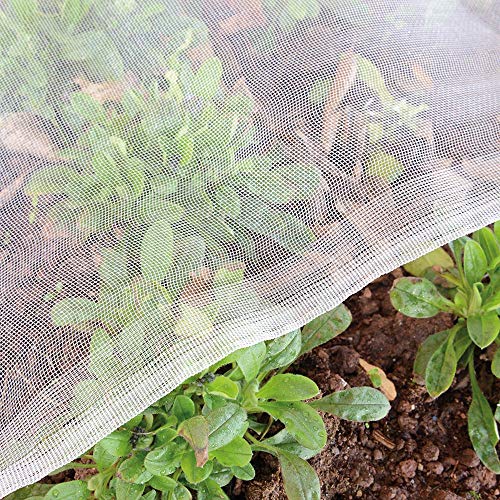
- Use floating row covers over young plants to keep the moths away until flowering begins.
- Keep lower leaves pruned so the base is open and easier to inspect.
Squash bugs are gray, shield-shaped insects that suck sap from leaves. Look for clusters of small, copper-colored eggs on the back of leaves. Scrape these off with a fingernail and drop adult bugs into soapy water.
Cucumber beetles, either striped or spotted, chew on leaves and flowers and can spread bacterial wilt. Row covers over young plants and frequent hand-picking keep numbers low.
These hands-on, chemical-free methods fit well with the sustainable style to keep pollinators safe.
Preventing Common Squash Diseases
Most squash diseases thrive in damp, crowded conditions.
- Powdery mildew shows up as white, dusty patches on leaves, usually later in the season.
- Downy mildew can cause yellowing and dark patches.
- Bacterial wilt leads to sudden, severe wilting.
Good airflow helps a lot, so spacing, pruning, and watering at the soil line all matter. Remove the worst affected leaves as soon as they appear and throw them in the trash, not the compost.
Crop rotation also helps. Try not to plant squash, cucumbers, or melons in the same raised bed spot every single year. When buying seeds, look for varieties described as disease resistant, especially in humid areas.
Hand Pollination For Reliable Fruit Set
Sometimes squash plants look healthy and bloom heavily, yet no fruits form. Often, this is not a soil or water problem but a pollination gap. Low bee activity, especially early in the season, can leave female flowers unpollinated.
Squash produces separate male and female blooms:
- Male flowers grow on thin stems and have a central stamen dusted with yellow pollen.
- Female flowers sit on a short stem with a tiny baby squash at the base behind the petals.
To hand pollinate:
- Visit the plants early in the morning when the flowers are open.
- Use a small paintbrush or cotton swab to pick up pollen from the male flower.
- Gently touch the brush to the center of the female flower, brushing pollen onto the stigma.
With a few of these visits, gardeners who plant squash in a raised bed often see a clear jump in fruit set.
Harvesting Your Raised Bed Squash
Harvest time is the reward for all the planning and care. Knowing when to pick is just as important as how to plant squash in a raised bed, because timing changes texture and flavor.
Summer squash such as zucchini, yellow squash, lemon squash, and patty pans taste best when picked young and tender:
- Zucchini and straight or crookneck yellow squash: aim for fruits about 6–8 inches long.
- Patty pans: best when still small, firm, and about the size of a golf ball to a small fist.
- Lemon squash: can be picked at about the size of a lemon.
These plants grow fast, so check daily. Leaving big fruits on the plant signals it to slow down, so regular picking keeps the harvest going.
Winter and vining squash such as butternut, delicata, and Tahitian melon stay on the plant until fully mature. Look for:
- Deep, even color on the skin.
- Skin hard enough that a fingernail barely scratches it.
- Drying and browning of the stem that connects the fruit to the vine.
Seed packets list the typical days to maturity, which helps estimate when fruits are close. For delicata, watch for the change from greenish stripes to a cream or tan background.
Use a clean, sharp knife or pruners to cut squash from the plant rather than pulling. Leave an inch or two of stem attached like a handle. This small detail helps winter squash store longer and prevents tearing that could damage the vine and reduce future yields.
Conclusion
Planting squash in a raised bed turns a simple wooden box into a very productive food patch. The basic path is clear: choose varieties that match the space, build or refresh a loose, rich soil mix, then plant at the right time once the bed has warmed. After that, steady water, organic feeding, and regular pruning keep plants compact, healthy, and loaded with flowers.
With a bit of attention to pests, diseases, and pollination, raised bed squash can deliver weeks or even months of harvest in a very modest area. This works just as well on a sunny patio as it does in a larger backyard, which means even new gardeners can enjoy homegrown squash without a large plot.
FAQs
How many squash plants can fit in a raised bed?
In most cases, one bush-type squash plant is enough for a four-by-four-foot bed. Two bush plants or one vining plant at a corner of a four-by-eight bed is usually the limit. Planting more than that crowds the foliage, reduces airflow, and raises the chances of disease, even if the goal is to plant squash in a raised bed for high yield.
How deep should a raised bed be for squash?
Squash roots prefer at least twelve inches of soil, and a bed that is around eighteen inches deep gives them even more room to explore. Deeper soil holds moisture better and supports taller plants in windy weather. Shallower beds can still work, but they demand more frequent watering and careful feeding.
Do squash need a trellis in a raised bed?
Bush-type squash does not require a trellis, although a strong tomato cage can encourage the plant to grow a bit more upright. Vining types benefit a lot from vertical support. A sturdy frame or panel keeps vines off the soil, saves floor space, and makes harvest easier. For heavy fruits, simple fabric slings support the squash so the vines do not snap.
Why are my squash plants flowering but not producing fruit?
This problem often appears when someone first decides to plant squash in a raised bed. Early on, many flowers are male, so they will not make fruit, and female flowers may not receive enough pollen if bee numbers are low. Learning to tell male and female flowers apart and using the hand pollination method from this guide usually fixes the issue and leads to better fruit set.

Hello there! I’m Elsa, and gardening is my passion. As an avid gardener, I created GardeningElsa.com to share my knowledge and experience with fellow enthusiasts. My website is a comprehensive resource for gardeners of all levels, offering expert advice on a wide range of topics, including plants, flowers, herbs, and vegetable gardening. Whether you’re a beginner looking to start your first garden or a seasoned pro seeking to expand your knowledge, GardeningElsa.com has something for everyone. Read more about me.