
Mushroom compost is a popular soil amendment among gardeners. It’s made from the leftover materials used to grow mushrooms commercially. Many people wonder about its nitrogen content and how it might affect their plants.
Mushroom compost typically contains between 0.5% to 1.5% nitrogen on a dry-weight basis. This puts it in the low to moderate range for nitrogen content compared to other organic fertilizers. The exact amount can vary based on factors like the compost’s age and the materials used to make it.
For most plants, this nitrogen level is beneficial without being too strong. It provides a slow-release source of nutrients that can improve soil health over time. But some plants that are sensitive to nitrogen may not do well with mushroom compost. It’s always a good idea to test your soil and research your specific plants’ needs before adding any new amendments.
Understanding Mushroom Compost
Mushroom compost is a nutrient-rich soil amendment made from organic materials. It contains important elements for plant growth and soil health.

Composition of Mushroom Compost
Mushroom compost is made of various organic materials. These often include straw, hay, corncobs, and animal manure. The mix also has gypsum to adjust pH levels.
The nutrient content can vary. Nitrogen levels typically range from 0.5% to 1.5% on a dry-weight basis. Fresh compost usually has more nitrogen than older compost.
Phosphorus and potassium are also present. The compost contains about 0.67% phosphate and 1.24% potash. Other nutrients include calcium (2.29%), magnesium (0.35%), and iron (1.07%).
Production Process
Making mushroom compost involves several steps. The process starts by mixing the raw materials. These are then wet and allowed to break down.
The mix goes through two main phases. In Phase 1, the materials decompose. This creates heat and kills harmful organisms. Phase 2 involves pasteurization and more breakdown.
The ideal carbon-to-nitrogen (C/N) ratio changes during production. It starts at 18-20 in Phase 1. By Phase 3, the target ratio is 14-16. This balance is key for good compost quality.
Nitrogen Content in Mushroom Compost
Mushroom compost contains moderate levels of nitrogen that can benefit plants. The exact amount varies based on factors like compost age and production methods.
Comparative Analysis With Other Composts
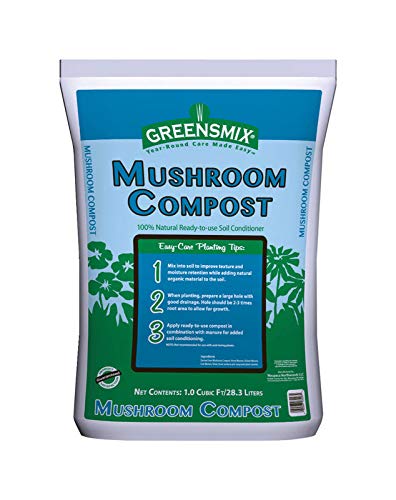
Mushroom compost typically has 1-2% nitrogen content. This is higher than some other composts but lower than manure-based composts. Leaf compost usually has 0.5-1% nitrogen, while chicken manure compost can reach 4-5%.
The nitrogen in mushroom compost is mostly in organic form. This means it releases slowly to plants over time. Fast-release synthetic fertilizers have much higher nitrogen percentages, often 20-40%.
Mushroom compost also provides other key nutrients. It contains about 0.7% phosphorus and 1.2% potassium on average. These balanced nutrient levels make it good for general garden use.
Factors Affecting Nitrogen Levels
The age of mushroom compost impacts its nitrogen content. Fresh compost has more nitrogen than aged material. As compost breaks down, some nitrogen is lost to the air.
Production methods also affect nitrogen levels. Some growers add nitrogen-rich materials like urea or chicken manure. This boosts nitrogen content but can make the compost too “hot” for some plants.
The target nitrogen range for mushroom growing is 1.8-2.2%. Farmers test and adjust levels during composting. After mushroom harvest, spent compost has less nitrogen but is still useful for gardening.
Climate and storage can change nitrogen content too. Rain may leach out nutrients. Hot, dry conditions can concentrate nitrogen as moisture evaporates.
Check out Is Mushroom Compost Good for Azaleas?
Benefits of Mushroom Compost
Mushroom compost offers many advantages for gardens and plants. It boosts soil health and helps plants grow better. Let’s look at two key benefits.
Soil Fertility Enhancement
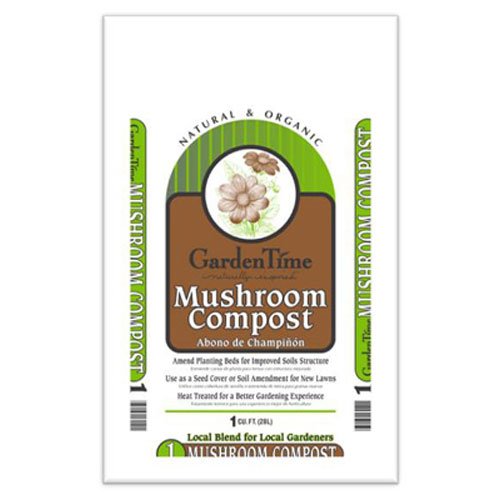
Mushroom compost makes soil more fertile. It adds organic matter that improves soil structure. This helps soil hold water and nutrients better.
The compost contains important minerals plants need. These include calcium, magnesium, and iron. It also has some nitrogen, phosphorus, and potassium.
Mushroom compost works well in different soil types. It can break up clay soils. In sandy soils, it helps keep moisture. This creates good growing conditions for plants.
Plant Growth Promotion
Plants grow stronger with mushroom compost. The nutrients release slowly over time. This steady supply supports healthy growth.
The compost improves root development. Stronger roots help plants take up more water and nutrients. This leads to bigger, healthier plants.
Mushroom compost also helps balance soil pH. Many plants prefer slightly acidic soil. The compost can help create this ideal growing environment.
Some gardeners use it as a mulch. As a top layer, it keeps soil moist and controls weeds.
Application Guidelines
Proper application of mushroom compost depends on the scale and type of growing operation. The nitrogen content impacts how much to use for best results.

For Home Gardens
Mushroom compost works well for home gardens when used carefully. Mix 1-2 inches into garden soil before planting. For existing plants, spread a 1-inch layer around the base. Avoid direct contact with stems or roots. Water thoroughly after applying.
Use less for plants that prefer low-nitrogen soil. Acid-loving plants may not do well with mushroom compost. Test soil pH and adjust if needed.
Compost tea can feed plants during the growing season. Steep 1 cup compost in 1 gallon water for 24-48 hours. Strain and dilute 1:10 with water before applying to soil or as a foliar spray.
For Commercial Farms
Large-scale farms need different application methods. Spread 10-20 tons per acre and till into soil before planting. This adds organic matter and improves soil structure.
For row crops, apply 2-4 inches in furrows or beds. Incorporate with equipment like rotary tillers. Allow time for the compost to settle before planting.
Use lower rates for nitrogen-sensitive crops. Monitor soil and plant tissue tests to avoid over-application. Adjust other fertilizers to account for nutrients in the compost.
Irrigate after applying to activate nutrients and prevent nitrogen loss. Reapply annually or as needed based on soil tests and crop removal.
Case Studies
Research on mushroom compost has shown its effects on crop yields and soil health. Farmers and gardeners have tested this nutrient-rich amendment in various settings.
Impact on Plant Yields
A study in California looked at tomato crops grown with mushroom compost. The plants had 15% higher yields compared to those without it. The compost boosted nutrient uptake and improved soil structure.
Another case in the UK tested mushroom compost on potato fields. Farmers saw a 10% increase in potato size and quality. The compost helped retain soil moisture and reduced the need for chemical fertilizers.
A community garden project used mushroom compost for leafy greens. Their lettuce and spinach grew faster and had darker leaves. The high nitrogen content in the compost seemed to fuel rapid plant growth.
Long-Term Soil Health
A 5-year study on corn fields compared mushroom compost to synthetic fertilizers. The compost-treated soil had 20% more organic matter by the end. It also had better water retention and less erosion.
Orchard owners in Washington state used mushroom compost for a decade. Their soil tests showed higher levels of beneficial microbes and earthworms. The improved soil life led to healthier trees and tastier fruit.
A vineyard in Italy switched to mushroom compost from chemical inputs. After 3 years, their soil pH became more balanced. The grapes had higher sugar content and produced better wine.

Environmental Considerations
Mushroom compost can have both positive and negative effects on the environment. Its use helps recycle waste materials from mushroom production. This reduces landfill waste and greenhouse gas emissions.
The compost adds organic matter to soil, improving its structure and water retention. This can decrease erosion and runoff. It also supports beneficial soil microbes.
Nitrogen in mushroom compost is mostly in organic forms. This means it releases slowly, reducing the risk of nitrogen leaching into waterways. However, high salt levels may be a concern in some areas.
Proper aging of mushroom compost is important. Fresh compost can be too “hot” and damage plants. Allowing it to mature helps stabilize nutrients and reduce potential negative impacts.
Using local mushroom compost cuts down on transportation emissions. But large-scale use could lead to over-application of nutrients in some cases.
Overall, when used responsibly, mushroom compost can be an environmentally friendly soil amendment. Following recommended application rates helps maximize benefits while minimizing risks.
Frequently Asked Questions
Mushroom compost can affect plants in different ways. It has both benefits and risks when used in gardening. Here are some common questions about mushroom compost.
How does mushroom compost affect plant growth?
Mushroom compost helps plants grow better. It adds nutrients to the soil. The compost also improves soil structure. This lets roots spread more easily. Plants can take up water and nutrients better.
What are the potential risks of using mushroom compost?
Mushroom compost can be too strong for some plants. It may burn tender seedlings or young plants. The high salt content can harm salt-sensitive plants. Some people worry about pesticide residues in the compost.
What is the typical NPK ratio in mushroom compost?
The NPK ratio in mushroom compost is about 1-1-1. It has roughly 1% nitrogen, 1% phosphorus, and 1% potassium. The exact amounts can vary based on the compost’s age and ingredients.
Which vegetables benefit most from mushroom compost?
Heavy-feeding vegetables do well with mushroom compost. Tomatoes, peppers, and squash like the extra nutrients. Leafy greens such as spinach and lettuce also grow well in it. Root vegetables can benefit too.
Can mushroom compost adversely affect lawn grass?
Mushroom compost can help lawns in small amounts. But too much can harm grass. The high salt levels may damage grass roots. It’s best to use a thin layer or mix it with soil first.
What are some common disadvantages of using mushroom compost in gardening?
Mushroom compost can be expensive. It may have a strong smell at first. The compost can be too alkaline for acid-loving plants. Some gardeners find it attracts flies or gnats. It might contain weed seeds if not fully composted.

Conclusion
Mushroom compost has a moderate nitrogen content. It typically contains between 0.5% to 1.5% nitrogen on a dry-weight basis. This level is lower than synthetic fertilizers but higher than some organic options.
The nitrogen in mushroom compost comes from ingredients like poultry manure and horse manure. These materials help balance the carbon-to-nitrogen ratio, which is important for mushroom growth.
Farmers aim for specific nitrogen levels at different stages:
- Phase 1 compost: 1.8-2.2%
- Phase 2 compost: 1.5-1.7%
- Phase 3 compost: 1.4-1.6%
Too much nitrogen can harm mushroom production. It may delay fruiting and reduce fruit quality. Gardeners should use mushroom compost carefully, especially with fruiting plants.
Mushroom compost can be a good soil amendment. It provides nutrients and improves soil structure. But it’s not as nitrogen-rich as some other fertilizers. Gardeners may need to supplement with additional nitrogen sources for heavy-feeding plants.

Hello there! I’m Elsa, and gardening is my passion. As an avid gardener, I created GardeningElsa.com to share my knowledge and experience with fellow enthusiasts. My website is a comprehensive resource for gardeners of all levels, offering expert advice on a wide range of topics, including plants, flowers, herbs, and vegetable gardening. Whether you’re a beginner looking to start your first garden or a seasoned pro seeking to expand your knowledge, GardeningElsa.com has something for everyone. Read more about me.
