
Gardeners often wonder if mushroom compost is good for blueberries. Mushroom compost is a popular soil amendment that can benefit many plants. But blueberries have specific soil needs that don’t always match well with this type of compost.
Mushroom compost is not ideal for blueberries because it tends to be alkaline and can raise soil pH. Blueberries thrive in acidic soil with a pH between 4.5 and 5.2. The high pH of mushroom compost can make it harder for blueberry plants to absorb nutrients from the soil.
Blueberries do need organic matter in their soil, which mushroom compost provides. But there are better options for these acid-loving plants. Peat moss or pine bark mulch work well to add organic material while keeping the soil acidic. These alternatives help create the right growing conditions for healthy, productive blueberry plants.
Understanding Mushroom Compost
Mushroom compost is a nutrient-rich soil amendment made from organic materials used in mushroom farming. It offers many benefits for soil health but also has some potential drawbacks to consider.

Mushroom compost is the leftover growing medium after mushroom harvests. It contains a mix of organic materials like straw, hay, corn cobs, and chicken manure. These ingredients break down during the mushroom growing process.
The compost has high levels of organic matter. It’s full of helpful bacteria and fungi. These microorganisms continue to break down the compost, releasing nutrients into the soil.
Mushroom compost is different from regular compost. It goes through a special process for growing mushrooms before becoming a soil amendment.
Benefits for Soil Health
Mushroom compost improves soil in many ways. It adds organic matter, which helps soil hold more water and nutrients.
The compost makes soil texture better. This allows plant roots to grow more easily. It also helps with drainage in clay soils.
Mushroom compost feeds plants slowly over time. It’s rich in nutrients like nitrogen, phosphorus, and potassium. These help plants grow strong and healthy.
The compost also supports helpful soil life. This includes earthworms and good bacteria. These creatures further improve soil health.
Potential Drawbacks
While mushroom compost has many benefits, it’s not perfect for all situations. It can have high salt levels. This may harm some plants, especially seedlings.
The compost is often alkaline. This makes it bad for acid-loving plants like blueberries and azaleas. These plants need acidic soil to grow well.
Some mushroom composts may contain weed seeds. This could lead to more weeds in your garden. It’s best to get compost from a trusted source.
The compost can be heavy when wet. This makes it hard to spread. It may also compact soil if used in large amounts.
Check out Is Mushroom Compost Good for Tomatoes?
Blueberries Soil Requirements
Blueberries have specific soil needs for optimal growth. They prefer acidic conditions and require certain nutrients to thrive.
Acidic Soil Preferences
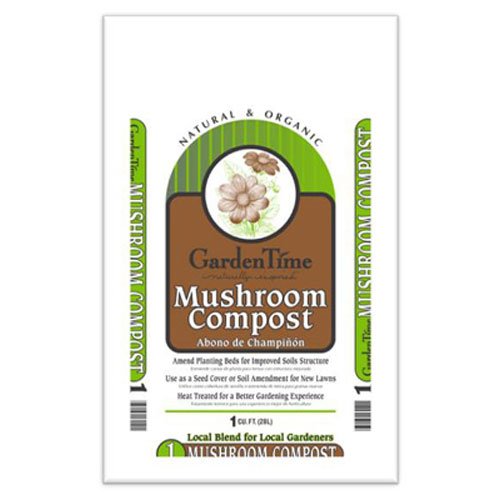
Blueberries are acid-loving plants that grow best in soil with a low pH. The ideal pH range for blueberries is between 4.5 and 5.5. This acidic environment helps the plants absorb nutrients effectively.
To achieve the right pH, gardeners can add sulfur or peat moss to the soil. It’s important to test the soil regularly and adjust as needed. Blueberries won’t do well in alkaline soils, so avoiding materials like lime is crucial.
Organic matter is also key for blueberry soil. Adding well-rotted sawdust or bark can improve soil structure and maintain acidity. Avoid using mushroom compost, as it often has a high pH that’s unsuitable for blueberries.
Nutritional Needs
Blueberries have specific nutritional requirements. They need a balanced supply of nutrients for healthy growth and fruit production.
Nitrogen is essential for leaf growth, but blueberries prefer it in ammonium form rather than nitrate. Phosphorus supports root development and flower formation. Potassium aids in overall plant health and fruit quality.
Blueberries also need micronutrients like iron and manganese. These are more readily available in acidic soils. Use organic fertilizers designed for acid-loving plants to meet these needs.
Avoid over-fertilizing, as blueberries are sensitive to excess nutrients. A light application of a balanced, acidic fertilizer in spring is usually sufficient. Mulching with pine needles or oak leaves can provide additional nutrients and help maintain soil acidity.
Read Is Mushroom Compost Acidic?
Mushroom Compost and Blueberries
Mushroom compost can be tricky for blueberries. It affects soil pH and nutrient levels in ways that may not suit these acid-loving plants. Let’s look at whether it’s a good choice and how to use it safely.

Is Mushroom Compost Suitable?
Mushroom compost is not ideal for blueberries. It makes soil more alkaline, but blueberries need acidic soil with a pH between 4.5 and 5.2. The compost’s high pH can make it hard for blueberries to absorb nutrients.
Mushroom compost also contains a lot of calcium. This can block blueberries from taking up other important nutrients. The high salt content in mushroom compost is another problem for blueberries.
Some gardeners use mushroom compost on blueberries, but it requires careful management. It’s often better to choose other soil amendments that don’t change soil pH as much.
How to Use Mushroom Compost
If you decide to use mushroom compost with blueberries, do so cautiously. Mix it sparingly into the soil before planting. Don’t use more than a thin layer.
To balance the pH:
- Add sulfur to the soil
- Use peat moss along with the mushroom compost
- Test soil pH regularly and adjust as needed
As a mulch, apply no more than 1-2 inches around plants. Keep it away from the base of the stems. Water deeply after applying to help leach out excess salts.
Remember, other composts or organic matter might be safer choices for blueberries. Pine needles, sawdust, or bark mulch are good alternatives that won’t affect soil pH as much.
Check out 15 Vegetables That Don’t Like Mushroom Compost
Amending Garden Soils
Garden soil needs the right mix of nutrients and texture to help plants grow well. Different plants have different needs, so amending soil is key for a thriving garden.
Improving Clay Soils
Clay soils can be tough for plants. They hold water and get compacted easily. To fix this:
- Add organic matter like compost or aged manure
- Mix in sand to improve drainage
- Use gypsum to break up clay particles
Mixing these into the top 6-8 inches of soil helps a lot. Do this in fall or spring. It may take a few years to see big changes. Keep adding organic matter each season.
For Acid-loving Plants
Some plants like blueberries and rhododendrons need acidic soil. To lower soil pH:
- Add peat moss
- Mix in pine needles or oak leaves
- Use coffee grounds as a mulch
Test soil pH first. Aim for 4.5-5.5 for most acid-loving plants. Add sulfur if needed, but be careful not to overdo it.
Alternative Amendments for Specific Needs
Different plants need different soil types. Here are some options:
- For fruit trees: Add compost and bone meal
- For veggies: Mix in well-rotted manure
- For sandy soil: Work in lots of organic matter
Always check what each plant likes best. Some, like lavender, prefer poor soil. Others need rich, fertile ground to grow well. Adjust your amendments based on plant needs and soil tests.
Check out How to Make Organic Mushroom Compost
Compost and Nutrient Management
Proper nutrient management is key for healthy blueberry plants. Compost can help supply nutrients, but it’s important to balance levels and avoid over-fertilizing.
Balancing Nutrients with Compost
Compost adds organic matter and nutrients to soil. For blueberries, look for compost low in potassium and high in nitrogen. Avoid mushroom compost, which is too alkaline.

Good options include:
- Pine bark
- Peat moss
- Leaf mold
These acidic composts match blueberries’ pH needs. Mix compost into soil before planting. Add a 2-3 inch layer on top each year.
Test soil regularly. Blueberries need:
- High nitrogen
- Low potassium
- Moderate calcium and magnesium
Amend as needed with organic fertilizers like blood meal or fish emulsion.
Avoiding Over-Fertilization
Too much fertilizer can harm blueberry plants. Signs of over-fertilization:
- Leaf burn
- Stunted growth
- Poor fruit production
Use slow-release organic fertilizers. Apply in small amounts over the growing season. This prevents nutrient spikes.
Good choices:
- Cottonseed meal
- Soybean meal
- Composted manure (in moderation)
Avoid high-phosphorus fertilizers. Blueberries need little phosphorus. Excess can block iron uptake.
Water deeply after fertilizing. This helps nutrients reach roots and prevents salt buildup.
Gardening Best Practices
Proper timing and technique are key to successful blueberry gardening. Good practices help plants thrive and avoid common issues.

When to Apply Compost
Spring is the best time to add compost to blueberry plants. Work organic matter into the soil before planting new bushes. For existing plants, spread a 2-3 inch layer around the base.
Don’t let compost touch the stems. This can cause rot. Reapply compost yearly to maintain soil health.
Fall is another good time to add compost. It breaks down over winter, improving soil for spring growth.
Use compost that’s slightly acidic. Blueberries like soil pH between 4.5 and 5.5. Test your soil first to know how much to add.
Common Gardening Mistakes
Over-fertilizing is a big problem for blueberries. Too much nitrogen can harm plants. Use a balanced, slow-release fertilizer made for acid-loving plants.
Planting in poor soil is another mistake. Blueberries need well-draining, rich soil. Add peat moss or pine bark to improve drainage.
Ignoring mulch is a missed opportunity. A 2-4 inch layer of mulch helps retain moisture and suppress weeds. Use pine needles or wood chips.
Overwatering can lead to root rot. Water deeply but less often. Let the soil dry slightly between waterings.
Not protecting plants from birds can result in lost harvests. Use netting or reflective tape to keep birds away.
Check out 10 Plants That Like Mushroom Compost for Maximum Garden Growth
Comparing Compost Types
Different compost types can affect blueberry growth. Each has unique benefits and drawbacks for these acid-loving plants.
Mushroom Compost Versus Regular Compost
Mushroom compost is not ideal for blueberries. It’s often too alkaline, with a pH around 6.5 to 7.5. Blueberries need acidic soil with a pH of 4.5 to 5.5.
Regular compost from yard waste is better for blueberries. It’s usually more acidic and closer to their preferred pH range. This compost improves soil structure and adds organic matter.
Mushroom compost has high salt levels. This can harm blueberry roots. Regular compost typically has lower salt content.
Both types add nutrients, but regular compost is safer for blueberries.
Other Organic Amendments
Straw makes good mulch for blueberries. It helps keep soil moist and cool. It breaks down slowly, adding organic matter over time.
Chicken manure is very high in nitrogen. It can burn blueberry roots if not aged properly. Use it sparingly and well-composted.
Horse manure is less nutrient-rich than chicken manure. It’s safer for blueberries when aged. It adds organic matter and improves soil structure.
Pine needles are great for blueberries. They’re acidic and help lower soil pH. They also make good mulch.
Peat moss is another good choice. It’s acidic and holds moisture well. Mix it into the soil before planting.
Supporting Wider Plant Varieties
Mushroom compost can benefit many plants beyond blueberries. It improves soil health and supports diverse crops in gardens and farms.
Beyond Blueberries
Mushroom compost works well for most vegetables and flowers. It’s great for tomatoes, peppers, and squash in vegetable gardens. Many fruit trees also thrive with mushroom compost added to the soil.
Some berries like raspberries and blackberries grow nicely with mushroom compost. But it’s not ideal for cranberries or gooseberries. These fruits prefer more acidic soil.
Ericaceous plants like azaleas and rhododendrons don’t do well with mushroom compost. The compost is often too alkaline for them.
Cover Crops and Soil Health
Cover crops help keep soil healthy between growing seasons. Rye is a good cover crop that works with mushroom compost. It adds organic matter to the soil as it grows.
Farmers sometimes mix soybean meal or canola meal into mushroom compost. This boosts nutrients for cover crops and later plantings.
Cover crops prevent erosion and improve soil structure. When paired with mushroom compost, they create a rich environment for future plant growth.
Conclusion
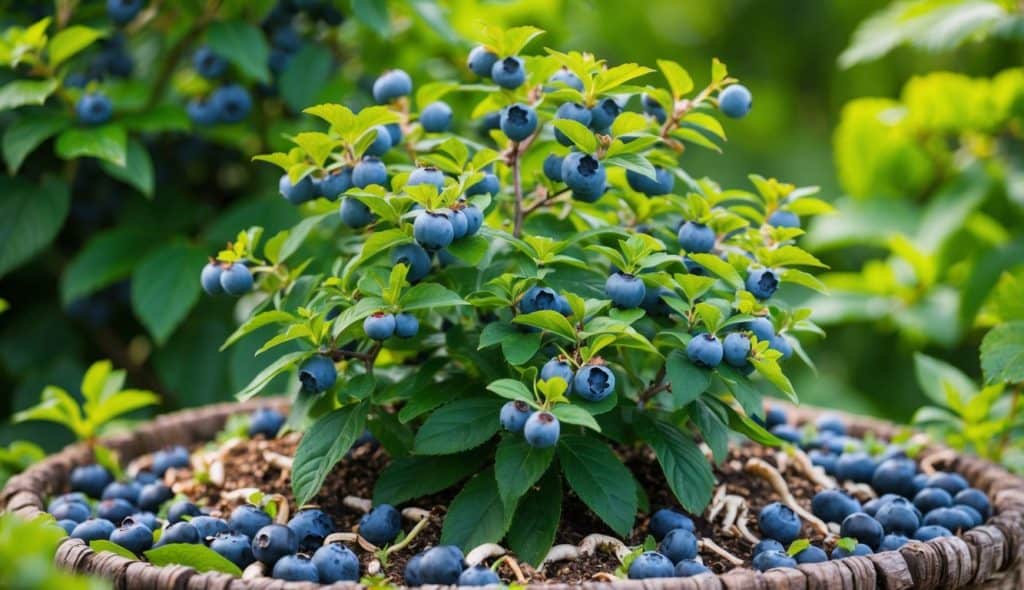
Mushroom compost is not ideal for blueberries. Blueberries prefer acidic soil with a pH between 4.5 and 5.2. Mushroom compost tends to be alkaline, which can raise soil pH above the optimal range for blueberries.
The high salt content in mushroom compost can also harm blueberry plants. Blueberries are sensitive to excess salts in the soil.
For blueberries, better alternatives exist. Peat moss or pine bark can help create the acidic conditions blueberries need. Sulfur amendments can also lower soil pH if needed.
Gardeners growing blueberries should avoid mushroom compost. Instead, focus on acidifying materials and low-salt organic matter. This will create a more suitable growing environment for healthy blueberry plants.
While mushroom compost benefits many plants, it’s best to use other options for acid-loving species like blueberries. Choosing the right soil amendments is key for blueberry success.
Frequently Asked Questions
Gardeners often have questions about using mushroom compost for blueberries. The following answers address key points about soil needs, acidity, container growing, climate zones, and other plants.
What type of compost is best suited for growing blueberries?
Blueberries prefer acidic compost. Pine needle compost or peat moss work well. These acidic options help maintain the low pH blueberries need to thrive.
How does mushroom compost affect the soil acidity required by blueberries?
Mushroom compost is alkaline. It raises soil pH. This makes it less ideal for blueberries, which need acidic soil. Gardeners should test soil pH before using mushroom compost with blueberries.
Are there specific benefits of using mushroom compost for blueberries in container gardening?
Mushroom compost improves soil structure in containers. It holds water well. But its alkalinity can harm blueberries. Mixing it with acidic materials might help balance the pH for container-grown blueberries.
Can mushroom compost be used for blueberries in various climate zones, such as Florida or Texas?
Climate affects soil pH. In hot areas like Florida or Texas, soil tends to be more alkaline. Adding mushroom compost might further increase pH. This could stress blueberry plants in these regions.
What should be considered when adding compost to fruit-bearing plants like blueberries?
Nutrient balance is key for fruit-bearing plants. Compost should not be too rich in nitrogen. This can lead to lots of leaves but less fruit. pH balance is also crucial for nutrient uptake in blueberries.
Which plants might not benefit from the addition of mushroom compost?
Acid-loving plants struggle with mushroom compost. This includes azaleas, rhododendrons, and camellias. These plants, like blueberries, prefer acidic soil conditions.
You may also like:

Hello there! I’m Elsa, and gardening is my passion. As an avid gardener, I created GardeningElsa.com to share my knowledge and experience with fellow enthusiasts. My website is a comprehensive resource for gardeners of all levels, offering expert advice on a wide range of topics, including plants, flowers, herbs, and vegetable gardening. Whether you’re a beginner looking to start your first garden or a seasoned pro seeking to expand your knowledge, GardeningElsa.com has something for everyone. Read more about me.
