
Spider mites on areca palm leaves start as a faint, dusty speckling on the feathery leaflets. Left alone, they spread into fine webbing and yellow fronds.
The good news is that a mite problem on a Dypsis lutescens is very fixable when you catch it at the speckling stage.
My advice is to isolate the palm, rinse every frond hard in the shower, then spray the leaflet undersides with insecticidal soap every 5 to 7 days for at least three rounds while you raise the humidity to 50% or higher.
That combination kills the mites you can reach, catches the eggs that hatch later, and takes away the dry air these pests need to multiply.
How Can You Confirm Spider Mites on an Areca Palm?
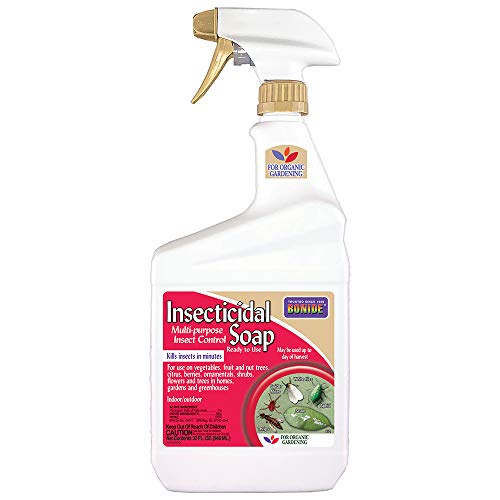
You confirm spider mites by finding pale stippling on the leaflets, fine silk near the frond bases, and tiny moving specks on white paper. Each check takes a minute, and doing all three keeps you from treating the wrong problem. If you are stocking up, a insecticidal soap is the first thing I would pick up.
Look for Stippled Leaflets and Fine Webbing
Hold a frond up to a bright window. Stippled leaflets show dozens of tiny pale dots, and each dot is a plant cell a mite drained. From a few feet away, the palm just looks dull and dusty.
Fine webbing shows up later. Check the angles where leaflets meet the midrib and where fronds join the canes. If you see webbing there, the mite infestation has been growing for a few weeks.
Check Leaflet Undersides with a White-Paper Test
Spider mites live on the leaflet undersides, so that’s where you test. Hold a sheet of white paper under a frond and tap it sharply a few times.
- Moving dots: Tiny red, yellow, or tan specks that crawl slowly are mites.
- Smear check: Press a speck with your fingertip. A green or reddish streak means a mite.
- Still specks: Dust and debris won’t move or streak.
A phone camera on macro mode or a cheap magnifying glass makes the oval bodies and legs easy to see.
Distinguish Mite Damage from Brown Tips and Other Yellowing
Brown, crispy tips alone point to dry air, fluoride, or salt buildup. Those causes are covered in my guide to brown tips on areca palm leaves. Mite damage looks different: speckling across the whole leaflet surface.
Yellow leaves that start on the oldest, lowest fronds and show orange spotting point to magnesium or potassium shortage. Soggy soil with yellowing throughout points to root trouble.
If your test paper stays clean, check my notes on areca palm leaves turning yellow before you spray anything.
Why Do Areca Palms Get Spider Mites?
Areca palms get spider mites because most homes run warm and dry, and those are the exact conditions mites breed fastest in. A palm under water stress makes an easier meal on top of that.
Warm, Dry Air and Hidden Feeding Spots
Palm spider mites thrive when relative humidity drops below about 40% and rooms sit between 70 and 85°F. In that range, a mite goes from egg to egg-laying adult in five to seven days. One female lays 100 to 200 eggs.

Winter heating pushes many US homes down to 20 to 30% humidity, especially in the Northeast and Midwest. Air conditioning dries the air in Southeast and Southwest summers too. The areca’s dense clump of fine leaflets gives mites thousands of sheltered undersides to hide on.
Nearby Plants and Water Stress
Mites hitch rides on new plants, clothing, and pets, then crawl from leaf to leaf when plants touch. A new houseplant set right next to your palm is a common starting point.
Underwatering is the other trigger. A palm whose soil dries out completely between drinks has weaker, stressed tissue that mites feed on easily. Low humidity speeds up water loss from the fronds too, so dry air and dry soil stack on each other.

Isolate the Palm and Rinse Every Frond
The first move is to separate the palm from your other plants and wash off as many mites as you can. Rinsing removes adults, young mites, eggs, and webbing before any spray goes on.
Move It Away from Other Plants
Put the palm in a room with no other houseplants, or at least 6 feet from the nearest one. Keep it there until you’ve gone two full weeks with no new stippling or moving specks.

Check every plant that sat near it. Spider mites feed on more than 200 kinds of plants, so ivy, crotons, and calatheas nearby can carry a spider mite infestation back to your palm.
My guide to spider mites on indoor plants covers treating those other plants.
Wash the Undersides and Frond Bases Without Damaging Leaflets
Here’s how I’d rinse a potted areca:
- Cover the soil with a plastic bag or shower cap so it doesn’t get soaked.
- Set the pot in the tub or shower.
- Use lukewarm water at a firm but gentle pressure.
- Tip each frond and spray the leaflet undersides from below for about a minute per frond.
- Aim at the frond bases and the spots where canes split.
- Let the palm drip-dry out of direct sun before spraying anything.
Support each frond with your hand while you rinse. Heavy pressure tears the thin leaflets. For a large palm, a garden hose on a mild day works outdoors if the temperature is above 60°F.
How Should You Use Insecticidal Soap?
Insecticidal soap kills spider mites only when the wet spray coats their bodies. It has no killing power once it dries, so coverage and timing decide whether it works.
Cover the Mites, Not Just the Visible Webbing
Buy a commercial insecticidal soap made from potassium salts of fatty acids. Dish soap is a detergent, and it strips the waxy coating off palm leaves and causes burn.
If you mix a concentrate, follow the label, which usually lands around 2.5 tablespoons per gallon for a 1% solution.
Palms can be sensitive to soap sprays, so do a patch test. Spray a few leaflets and wait 24 to 48 hours. If no spotting or browning appears, treat the whole palm.
- Spray in the early morning or evening, never in direct sun or above 90°F.
- Work from below so the mist lands on every leaflet underside.
- Spray to the point of wetness, just shy of dripping.
- Water the palm the day before, since a dry, stressed plant burns more easily.
- Use distilled or filtered water to mix if your tap water is hard.
Repeat Treatment to Catch Newly Hatched Mites
One spray kills the mites it touches and leaves eggs behind. Those eggs hatch in about three days. I recommend spraying every 5 to 7 days for at least three rounds.
| Day | What to do |
|---|---|
| Day 1 | Rinse, let dry, first soap spray |
| Day 5 to 7 | Second spray, paper test |
| Day 10 to 14 | Third spray, paper test |
| Day 17 to 21 | Fourth spray only if specks still move |
Mix fresh spray each time. Diluted soap breaks down in the bottle.
When Should You Try Horticultural or Neem Oil?
Reach for horticultural or neem oil when three rounds of soap haven’t cleared the mites, or when webbing was heavy from the start. Oils smother mites and coat some eggs, which gives you more reach than soap alone.
Choose a Labeled Product and Test a Small Area
Pick a highly refined horticultural oil or a neem oil product that lists spider mites and houseplants on the label. Follow the label rate, which usually means a 1 to 2% mix for horticultural oil. Shake the sprayer often because oil separates from water.
Horticultural oil gives a faster knockdown. Neem works more slowly by cutting down feeding and egg-laying. I’d use one or the other and rotate it with soap on separate days, never mixed in the same bottle.
Patch-test a few leaflets first and wait 48 hours before spraying the whole palm.
Avoid Spray Burn and Know When a Miticide Makes Sense
Oils burn fronds in heat and bright light. Skip spraying if the room will top 85°F within a day, and keep the palm out of direct sun for 12 to 24 hours after treatment. Never oil a thirsty palm.
A miticide makes sense only after soap, oil, and rinsing have all failed over about four weeks. Choose one labeled for indoor ornamentals and spider mites.
Spider mites build resistance quickly, so if you use miticides more than once, rotate to a different active ingredient each time.
Can Wiping the Fronds Help?
Wiping helps by physically removing mites, eggs, and fine webbing from the leaflets you can reach. It’s a slow job on a big areca, so treat it as an add-on.
Clean Accessible Leaflets Gently
Use a soft microfiber cloth dampened with lukewarm water. Hold the leaflet flat on your palm and wipe from the midrib out to the tip, top and underside. Rinse the cloth often so you aren’t spreading mites around.
Focus on fronds with the worst stippled leaflets. Skip any leaflet that feels brittle, because it tears easily.
Use Wiping Alongside Rinsing and Scheduled Treatment
I’d wipe the worst fronds between soap sprays, around day 3 or 4 of each cycle. That pulls off mites that hatched since the last spray. Don’t wipe right before spraying, since mites need to be present for soap to hit them.
Wiping alone won’t reach the inner fronds and tight frond bases. Keep the rinsing and the spray schedule going.