
Lemongrass needs at least six hours of direct sun a day, and it grows best with eight or more. For thick, flavorful stalks, I’d give lemongrass a spot with six to eight or more hours of direct sunlight, adding afternoon shade only in desert heat.
That rule holds in garden beds, in pots, and indoors. Less light keeps the plant alive, but you’ll get thinner stalks, floppy leaves, and a smaller harvest, so placement is the first thing I’d get right.
The Short Answer: Aim for Six or More Hours of Direct Sun
Six hours of direct sun is the minimum for healthy lemongrass growth, and more sun gives you more and fatter stalks. West Indian lemongrass (Cymbopogon citratus, the cooking type) comes from the tropics, where it gets strong light most of the day. If you are stocking up, a pot with drainage holes is the first thing I would pick up.
Why Eight or More Hours Helps Produce Thicker Stalks
Lemongrass builds its bulb-like stalk base from the energy its leaves collect. With eight or more hours of sun, the clump makes new stalks faster and each one swells wider at the base.
That’s the part you cook with. You want stalks at least ½ inch thick before you harvest lemongrass, and a full-sun clump reaches that size weeks sooner than one in partial shade.
My advice is to pick the sunniest open spot you have:
- Away from tree canopies and tall shrubs
- Out of the shadow of fences, walls, and the house for most of the day
- Facing south or west if you’re working with a wall or deck
- With some wind shelter so tall leaves don’t crease and tear
How Sunlight Affects Lemongrass Growth and Harvests
Sun, warmth, water, and nitrogen work together. Lemongrass grows slowly until summer heat arrives, then gets much bigger, and indoor plants produce fewer stalks because of low light.
Lemongrass is an easy herb that needs warm, humid conditions, full sun, and plenty of moisture. Give it all four and a clump can reach 3 to 6 feet tall by late summer.
My lemongrass care guide covers the watering and feeding side.
What Happens If Lemongrass Gets Partial Shade?
Partial shade slows lemongrass down without killing it. Expect a smaller clump with softer, thinner stalks, and a milder lemon scent.
Can Four to Six Hours of Sun Keep It Growing?
Yes, four to six hours of direct sun will keep lemongrass growing, especially in hot, humid places. In Florida, where the sun is intense, full or part sun both work.

In a cooler state, four hours is a tougher deal. The plant spends much of the season catching up, and you might only get a handful of usable stalks before frost.
If four to six hours is your best option, I’d water and feed on schedule so the plant isn’t short on anything else.
Why Deep Shade Produces Thin Stalks
Under three hours of sun, lemongrass stretches toward the light. Leaves get long and floppy, and the stalk bases stay pencil-thin.
Thin stalks are tough and fibrous, with little of the tender core you want for cooking. Shaded plants also stay damp longer, which invites rust spots on the leaves.

If your yard is mostly shade, a pot you can move into a sunny patch is a better bet than an in-ground spot.
How Can You Tell Lemongrass Needs More Light?
A lemongrass plant short on light leans, pales, and stalls. Those signs overlap with other problems, so check a few things before you move it.
Look for Leaning Stems, Pale Leaves, and Slow Growth
Watch for these clues:
- Leaning: the whole clump tilts toward the brightest side.
- Pale leaves: a washed-out green in place of a rich blue-green.
- Floppy blades: leaves bend over halfway up instead of arching.
- Slow growth: few new shoots during the summer, when growth should speed up.
- Thin bases: stalks still under ½ inch thick by midsummer.
Indoor plants also tend to pick up spider mites when they’re weak and the air is dry.
Rule Out Watering and Temperature Problems Before Moving It
Pale leaves can mean the plant needs nitrogen. Feed every 2 to 3 weeks in summer with a nitrogen-rich or balanced fertilizer, and see if the color returns.
Cool nights also stall growth. Lemongrass sulks below about 60°F at night, so slow growth in May may just be the weather.
Soggy soil turns the base yellow and gives off a sour smell, which points to water, not light. If you’re seeing browning that spreads, my article on why a lemongrass plant is dying walks through each cause.
How Should You Adjust Sun Exposure by US Region?
Full sun works across almost the whole US, with one exception: the hottest desert areas. Lemongrass is hardy only in USDA zones 10 to 11 (zone 9 with protection), so most gardeners grow it as a summer plant or bring it inside for winter.
| Region | Sun target | Notes |
|---|---|---|
| Florida and Southeast | Full sun all day | Humidity helps; water during dry spells |
| Southwest and inland California | 6 to 8 hours, afternoon shade in extreme heat | Mulch and water deeply |
| Midwest, Northeast, Pacific Northwest | Sunniest spot available, 8+ hours | Short season; pots help |
Florida and the Southeast: Keep Plants in Full Sun
In Florida, Gulf Coast states, and the Carolinas, I’d plant lemongrass in full sun with no shade at all. The humidity it loves is already there, and it can grow six feet tall and four feet wide.
Water when the top inch of soil is dry, which can mean two or three times a week in a summer dry spell. In zone 9, plant against a south-facing wall for winter warmth and mulch the base.
The Southwest and Inland California: Allow Shade in Desert Heat
Places like Phoenix, Las Vegas, and the Central Valley push past 105°F with very dry air. There, I’d give lemongrass morning and midday sun plus light shade after about 2 or 3 p.m.
It still needs six or more hours of direct sun. Shade cloth at 30 to 40 percent, or the east side of a building, works well. Mulch 2 inches deep and water deeply, since dry air pulls moisture out of the leaves fast.
The Midwest, Northeast, and Pacific Northwest: Seek the Sunniest Spot
In Chicago, New York, or Seattle, the growing season is short, so every hour of sun counts. Pick the brightest spot you have and aim for eight or more hours.
A south-facing patio or a bed along a south wall soaks up extra heat. In the Pacific Northwest, cool summer nights slow growth, so a dark pot on hot pavement warms the roots and helps.
Where Should You Put Lemongrass in Pots?
Put potted lemongrass in your sunniest outdoor spot, and move it when shadows take over. Pots give you control that in-ground plants don’t have.
Choose a Sunny Patio, Balcony, or Garden Position
A south- or west-facing patio or balcony is ideal. Look for a spot that gets direct sun from at least late morning through late afternoon.
Use a container at least 12 inches wide, or a 5-gallon size, with big drainage holes. Lemongrass gets tall and catches wind, so a heavy pot or a slightly sheltered corner keeps it from tipping.
My guide on how to grow lemongrass in pots covers soil mix and sizing.
Move Containers and Fabric Grow Bags as the Sun Shifts
Sun angles change through the season. A spot that’s sunny in June can sit in a neighbor’s shadow by September.
Fabric grow bags are handy here because they’re lighter than ceramic and come with handles. A 7- to 10-gallon bag holds a mature clump.
They dry out faster, so check moisture daily in hot weather. For heavy pots, a plant caddy on wheels makes moving easy.
I’d also rotate the container a quarter turn every week so all sides get light and the clump grows upright.
Can Indoor Lemongrass Get Enough Light?
Indoor lemongrass can get enough light, but only from a very bright window or a grow light. Most indoor spots fall well short of six hours of direct sun.
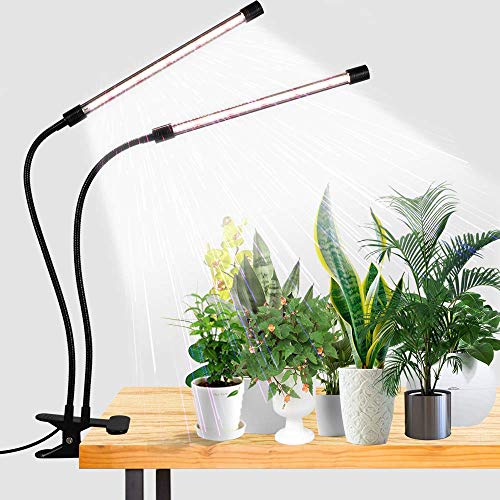
Start with a South-Facing Window
A south-facing window gives the most direct sun in the US, especially in winter. Place the pot right against the glass, since light drops off quickly even a few feet back.
A west-facing window is the next-best choice. East windows give gentler morning sun, and north windows don’t provide enough on their own. If you’re starting from a grocery-store stalk, check how to grow lemongrass indoors for the rooting steps.
Set an LED Grow Light at a Suitable Distance and Daily Duration
An LED grow light fills the gap on short winter days. My recommendation:
- Type: a full-spectrum LED panel or bar
- Distance: about 6 to 12 inches above the leaf tips; check the maker’s guidance for your fixture
- Hours: 12 to 16 hours a day, on a plug-in timer
- Signs to adjust: bleached tips mean too close; leaning means too far
Indoor lemongrass grows slowly in winter even with a light. Keep the soil barely moist and skip fertilizer until spring.
How Do You Move Lemongrass into Stronger Sun?
Move lemongrass into full outdoor sun gradually, over about 7 to 10 days. Leaves grown indoors burn easily if they go straight into midday sun.
Harden Off Seedlings and Indoor Plants Gradually
Seedlings and overwintered plants need the slowest transition. If you grow lemongrass fro