Leaf Compost vs Mushroom Compost [Key Differences]

Gardeners often debate the merits of different soil amendments to improve their plant growth. Leaf compost and mushroom compost are two popular options that can boost garden health. Each type has its own unique qualities and benefits for plants.

Leaf compost is made from decomposed leaves, while mushroom compost comes from spent mushroom growing materials. Leaf compost tends to be more nutrient-rich and balanced compared to mushroom compost. It contains higher levels of essential plant nutrients and has a lower salt content. Mushroom compost, on the other hand, can be a good source of organic matter but may have higher salt levels.

Both composts can improve soil structure and water retention in gardens. Leaf compost works well as an all-purpose soil amendment. Mushroom compost is often used as a fertilizer to give plants a nutrient boost. When choosing between these two compost options, gardeners should consider their specific plant needs and soil conditions.

Understanding Compost Fundamentals

Compost is a key soil amendment that adds nutrients and organic matter to gardens. It improves soil structure and supports healthy plant growth.


All Natural Mushroom Compost (12 Quarts), Low Odor Rich Supplement for Indoor/Outdoor Potted Plants and Gardening

What is Compost?

Compost is decomposed organic material. It forms when microorganisms break down things like leaves, grass clippings, and food scraps. This process creates a dark, crumbly substance rich in nutrients.

Compost contains important plant nutrients like nitrogen, phosphorus, and potassium. It also has trace minerals plants need to thrive.

The decomposition process takes several months. Composters mix “green” materials high in nitrogen with “brown” materials high in carbon. This balance helps create ideal conditions for decomposition.

Finished compost has a pleasant earthy smell. It looks like dark, rich soil. Compost can be made at home or bought in bags or bulk from garden centers.

Benefits of Using Compost in Gardens

Compost improves soil in many ways. It boosts fertility by adding nutrients plants can easily use.

Compost also enhances soil structure. It makes clay soils drain better and sandy soils hold more water. This helps plant roots grow and access nutrients.

The organic matter in compost feeds beneficial soil microbes. These microbes break down nutrients for plants to absorb.

Compost acts as a slow-release fertilizer. It provides a steady supply of nutrients over time. This reduces the need for chemical fertilizers.

Using compost can lead to:

  • Stronger, healthier plants
  • Better crop yields
  • Improved drought resistance
  • Less soil erosion
  • Reduced need for pesticides

Compost is an eco-friendly way to recycle yard and food waste. It keeps these materials out of landfills.

Comparing Leaf Compost and Mushroom Compost

Leaf compost and mushroom compost have different compositions, nutrient profiles, and uses in gardening. Each type offers unique benefits for soil health and plant growth.


Garick Bg40mcov Organic Valley Mushroom Compost, 40 Lb

Compost Composition and Source Materials

Leaf compost comes from decomposed leaves and other yard waste. It’s rich in organic matter and improves soil structure. Gardeners often make leaf compost at home.

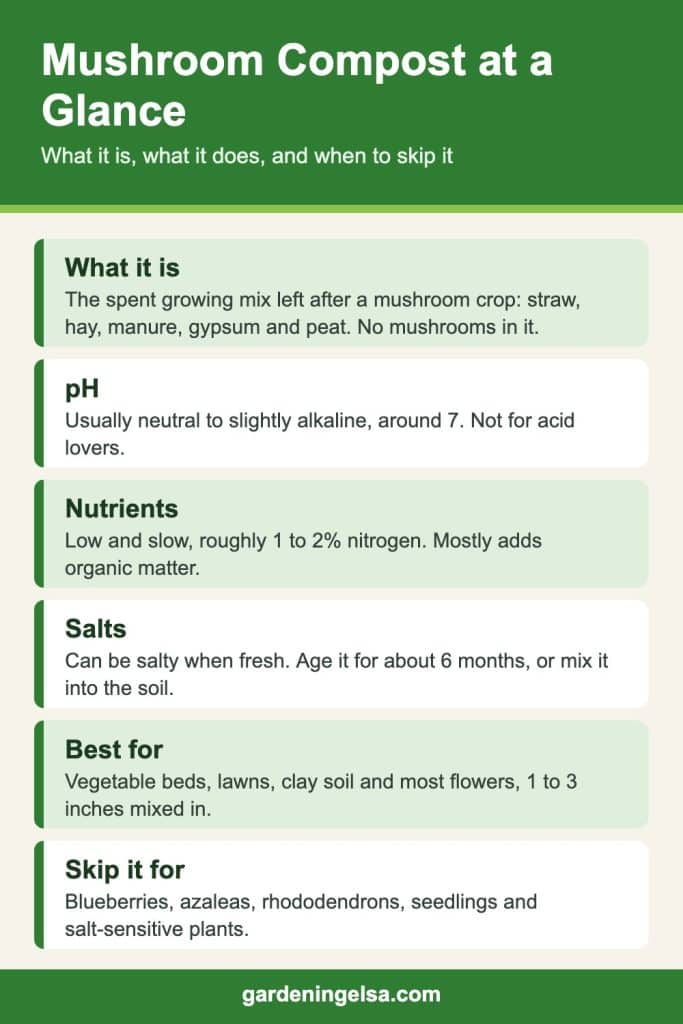
Mushroom compost is a byproduct of mushroom farming. It contains straw, manure, and other organic materials used to grow mushrooms. After mushroom harvest, farmers sell the leftover substrate as compost.

Leaf compost tends to be more acidic. Mushroom compost is usually more alkaline due to added lime. This pH difference affects which plants they work best for.

Nutrient Profiles and Value

Leaf compost has a balanced mix of nutrients. It releases these slowly as it breaks down in soil. This compost is high in carbon but lower in nitrogen.

Mushroom compost is rich in organic material. It contains higher levels of calcium and phosphorus than leaf compost. Its nitrogen content varies but can be quite high.

Both composts boost soil fertility. Leaf compost is great for adding organic matter. Mushroom compost provides more immediate nutrients.

Some gardeners worry about salt in mushroom compost. This can be an issue for salt-sensitive plants. Leaf compost doesn’t have this problem.

For most garden uses, a mix of both types often works well. This combines their different strengths for optimal soil health.

The Impact on Soil Health and Plant Growth

Leaf compost and mushroom compost affect soil health and plant growth differently. Their unique properties influence pH levels, soil structure, and microbe populations. These factors play a key role in how plants respond to each type of compost.


MycoHaus Compost for Mushroom Growing | Sterilized Substrate for Mushrooms | Mushroom Soil Organic | Home Cultivation Supplies | 10 Pound (1 Pack)

pH Level Considerations

Leaf compost tends to be slightly acidic. It often has a pH between 6.0 and 7.0. This makes it good for most garden plants. Acid-loving plants like blueberries and azaleas do well with leaf compost.

Mushroom compost is more alkaline. Its pH can range from 7.0 to 8.0. This higher pH suits alkaline-loving plants. Vegetables like asparagus and cabbage thrive in slightly alkaline soil.

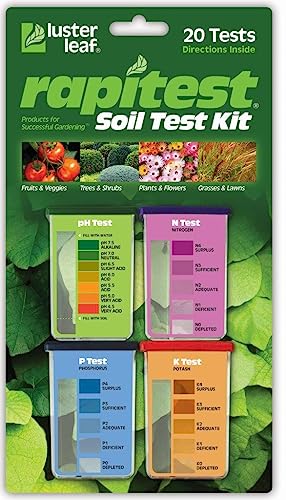
For acidic soils, mushroom compost can help balance pH. In alkaline soils, leaf compost may be a better choice. Gardeners should test their soil pH before adding compost.

Influence on Soil Microbes and Structure

Leaf compost boosts soil microbe diversity. It breaks down slowly, feeding microbes over time. This steady food source helps build a rich soil ecosystem.

Mushroom compost has a different effect. It’s often sterilized, so it starts with fewer microbes. But it can still improve soil structure. It helps sandy soils hold water better.

Both types of compost add organic matter to soil. This improves soil texture and water retention. Leaf compost tends to last longer in the soil. Mushroom compost breaks down faster, releasing nutrients quickly.

Compatibility with Different Plant Types

Leaf compost works well for most plants. It’s gentle and unlikely to burn roots. It’s great for seedlings and young plants. Perennials and shrubs benefit from its slow nutrient release.

Mushroom compost is high in salts. This can harm salt-sensitive plants. It’s best used in small amounts for these plants. Tomatoes and squash often do well with mushroom compost.

In vegetable gardens, a mix of both composts can be ideal. Leaf compost provides long-term benefits. Mushroom compost gives a quick nutrient boost. This combination supports diverse plant needs throughout the growing season.

Practical Usage and Application Tips

Leaf compost and mushroom compost offer different benefits for soil improvement. Proper application techniques, timing, and safety measures help maximize their effects on plant growth and soil health.


GRO WELL BRANDS CP Cuft, Mushroom Compost, an Ideal Soil Amendment & for Planting Flowers

How to Properly Apply Composts

Mix leaf or mushroom compost into the top 6-8 inches of soil before planting. For established plants, spread a 1-2 inch layer around the base, avoiding direct contact with stems. When using as mulch, apply a 2-3 inch layer on top of soil.

For potted plants, blend 20-30% compost with potting soil. This improves water retention and adds nutrients. When starting seeds, use a thin layer of fine compost in seed trays to boost germination.

Compost tea made by steeping compost in water can be used as a liquid fertilizer. Apply it to soil or spray on leaves every 2-4 weeks during the growing season.

Timing and Frequency of Application

Add compost to garden beds in spring before planting or in fall after harvest. For lawns, apply a thin layer in early spring or late fall. Avoid application during hot, dry periods or when plants are under stress.

Reapply compost annually to maintain soil health. Heavy feeders like tomatoes may benefit from a mid-season top-up. For container plants, refresh the compost mix every spring.

In areas with poor soil, more frequent applications may be needed. Start with twice a year and adjust based on plant growth and soil tests.

Precautions and Considerations

Test soil pH before applying mushroom compost, as it can raise pH levels. It’s best for acid-loving plants like blueberries. Leaf compost is more pH-neutral and suitable for most plants.

Fresh mushroom compost can be high in salts. Let it age for 2-3 months before use or mix with other soil to dilute. Avoid using near young seedlings or salt-sensitive plants.

Some mushroom composts may contain pesticide residues. Choose organic sources for edible crops. Leaf compost is generally safe but may contain weed seeds if not properly composted.

Wear gloves when handling compost to avoid skin irritation. Store compost in a dry, covered area to prevent nutrient leaching and weed growth.

Economic and Environmental Aspects

Leaf compost and mushroom compost differ in their production costs, availability, and environmental impacts. These factors affect their economic value and sustainability for gardeners and farmers.


WAUPACA NORTHWOODS WGM03227 Mushroom Compost

Cost-Effectiveness of Different Composts

Leaf compost is often cheaper to produce. Many cities collect leaves for free, reducing costs. Homeowners can make leaf compost easily in their yards. Mushroom compost has higher production costs. It requires specific materials and controlled conditions. Mushroom farms sell spent mushroom compost as a byproduct.

Prices vary by region and supplier. Leaf compost typically costs $20-40 per cubic yard. Spent mushroom compost ranges from $30-60 per cubic yard. Bulk purchases lower costs for both types.

Environmental Impacts and Sustainability

Leaf compost is very eco-friendly. It recycles yard waste that might otherwise go to landfills. The process uses minimal energy and produces no pollution.

Mushroom compost reuses agricultural byproducts. This reduces waste from farms and stables. However, mushroom farming uses more resources. It requires energy for climate control and sterilization.

Both composts improve soil health. They add organic material and nutrients. This reduces the need for chemical fertilizers. Mushroom compost may contain trace pesticide residues. Leaf compost is typically free of chemicals.

Transporting compost creates some emissions. Local sources are more sustainable. Home composting of leaves has the lowest environmental impact.

Leaf Compost vs Mushroom Compost – Summary

AspectLeaf CompostMushroom Compost
SourceMade from decomposed leavesLeftover material from mushroom farming
Nutrient ContentHigher overall nutrient levelsLower nutrient content
pH LevelSlightly acidic to neutralSlightly alkaline
Salt ContentLowHigher salt levels
Water RetentionGood water retentionExcellent water retention
CostOften cheaperGenerally more expensive
AvailabilityWidely availableMay be less common in some areas
Best UsesGeneral soil amendmentBoosting soil nutrients

Leaf compost and mushroom compost differ in several key aspects. Leaf compost is made from decomposed leaves, while mushroom compost is a byproduct of mushroom farming.

Leaf compost typically has higher nutrient levels and a more balanced composition. It has a pH that ranges from slightly acidic to neutral, making it suitable for a wide variety of plants.

Mushroom compost tends to have a higher salt content and a slightly alkaline pH. It excels in water retention but may have lower nutrient levels compared to leaf compost.

Cost and availability can vary by location. Leaf compost is often more widely available and may be less expensive. Mushroom compost can be pricier and harder to find in some areas.

Both types of compost can improve soil structure and fertility. Leaf compost is great for general soil amendment, while mushroom compost works well as a nutrient booster.

Leaf Compost vs Mushroom Compost

Conclusion

Leaf compost and mushroom compost are both valuable soil amendments for gardeners. They improve soil structure, boost nutrient content, and enhance plant growth.

Leaf compost tends to be less expensive and easier to make at home. It’s great for adding organic matter and improving soil texture.

Mushroom compost is rich in nutrients, especially nitrogen. It can help balance soil pH and increase water retention. However, it may have higher salt levels.

For most gardens, a mix of both types works well. This provides a good balance of nutrients and soil-improving qualities.

The choice depends on your specific soil needs and plant types. Leaf compost is better for acid-loving plants. Mushroom compost works well for heavy feeders like vegetables.

Always test your soil before adding amendments. This ensures you’re giving your plants what they need to thrive.

Remember to apply compost in moderation. Too much can lead to nutrient imbalances or drainage issues.

With the right compost mix, you can create a thriving garden with healthy soil and happy plants.

You may also like:

vegetable garden ideas

10 Vegetable Garden Layout Ideas