
Boston ferns are popular houseplants known for their lush, feathery fronds. These plants can brighten up any indoor space, but they have specific temperature needs to stay healthy.
Boston ferns can tolerate temperatures as low as 35°F (1.7°C) for short periods, but they thrive best between 60-75°F (15-24°C). Keeping these plants in their ideal temperature range is key for optimal growth. When temperatures drop too low, the fronds may start to brown and wilt.
For indoor Boston ferns, it’s important to keep them away from cold drafts and heating vents. Outdoor ferns need protection when temperatures dip below freezing. Bringing potted ferns inside or covering in-ground plants can help shield them from harsh winter weather. By understanding and meeting their temperature needs, gardeners can enjoy healthy, vibrant Boston ferns year-round.
Boston Fern Overview
Boston ferns are popular indoor plants known for their lush green foliage. They belong to the fern family and are native to tropical regions. These plants have graceful, arching fronds that can grow up to 3 feet long.

Boston ferns are often confused with other fern species like maidenhair ferns or staghorn ferns. However, they have their own unique characteristics. Their fronds are made up of small, feathery leaflets that give them a delicate appearance.
As indoor plants, Boston ferns thrive in bright, indirect light. They prefer humid environments and regular watering. These ferns can be grown in hanging baskets or placed on plant stands to showcase their cascading fronds.
Boston ferns are relatively easy to care for compared to some other fern species. They don’t require frequent pruning and can adapt to various indoor conditions. With proper care, these plants can live for many years.
Here are some key facts about Boston ferns:
- Scientific name: Nephrolepis exaltata
- Light needs: Bright, indirect light
- Water needs: Keep soil consistently moist
- Ideal temperature range: 60-75°F (15-24°C)
- Humidity: Prefers high humidity
Boston ferns are valued for their air-purifying qualities. They can help remove toxins from indoor air, making them a healthy addition to homes and offices.
Ideal Growing Conditions
Boston ferns thrive in specific conditions that mimic their natural habitat. These plants need the right mix of temperature, humidity, and light to grow lush and healthy.

Temperature Preferences
Boston ferns like cool temperatures. They grow best when daytime temps are between 60°F and 75°F (15°C to 24°C). At night, they can handle a slight drop to 55°F (13°C).
These plants can survive brief cold spells down to 20°F (-6°C). But they may get damaged below 35°F (1.7°C). Fronds can turn brown and wilt in freezing weather.
Hot temps are also bad for Boston ferns. They struggle when it’s over 95°F (35°C). In USDA zones 9-11, they can grow outdoors year-round. In colder areas, they need to come inside for winter.
Humidity Levels
Boston ferns love humid air. They do best with 50% to 80% humidity. This matches the damp forest floors where they grow wild.
In dry homes, these ferns need extra moisture. Mist them daily or use a pebble tray with water. A room humidifier also helps.
Without enough humidity, the fronds can turn brown and crispy. The plant may drop leaves. Keep Boston ferns away from heating vents and AC units that dry out the air.

Sunlight and Shade Requirements
Boston ferns need bright, indirect light. They burn in direct sun. Full shade is okay, but growth may slow down.
Indoors, place them near a north or east-facing window. Outdoors, they do well under trees or on a shaded porch.
Too much light causes yellow or pale fronds. Too little light leads to sparse growth and small leaves. Rotate the plant every few weeks for even growth.
In winter, Boston ferns can handle less light. But they still need some brightness to stay healthy.
Cold Tolerance of Boston Ferns
Boston ferns have specific temperature needs for healthy growth. They can handle some cold but are not frost-hardy plants. Knowing their limits helps keep them thriving.
Defining Cold Tolerance
Cold tolerance refers to a plant’s ability to survive low temperatures. For Boston ferns, this means staying alive and healthy when it gets chilly. These ferns are not as tough as some outdoor plants.
They can’t handle freezing weather. Temps below 35°F (1.7°C) can harm them. Cold drafts from windows or doors can also cause damage.
Boston ferns do best in steady, moderate temperatures. Big swings from hot to cold stress them out.

Temperature Range for Safe Growth
Boston ferns grow best between 60-75°F (15-24°C). This range keeps them happy and healthy. They can handle short dips to 50°F (10°C) without major issues.
Nighttime temps should stay above 55°F (13°C). Daytime highs over 95°F (35°C) are too hot. Ferns require extra care in very warm or cool environments.
Here’s a quick guide to Boston fern temperatures:
- Ideal range: 60-75°F (15-24°C)
- Minimum safe temp: 50°F (10°C)
- Maximum safe temp: 95°F (35°C)
Keeping ferns in this range helps them thrive year-round.
Signs of Cold Damage
Cold-damaged Boston ferns show clear signs of stress. Knowing these signs helps catch problems early.
Fronds may turn brown or black when too cold. The leaves can wilt and droop. In severe cases, entire fronds may die.
Cold ferns grow slowly or stop growing. New growth may be stunted or deformed. The plant might drop leaves faster than normal.
Root damage from cold is harder to spot. But it can lead to yellowing leaves and weak growth. If you suspect cold damage, check the soil temperature and move the plant to a warmer spot.
Winter Care and Protection
Boston ferns need special care to survive cold weather. Proper winter protection keeps them healthy when temperatures drop.
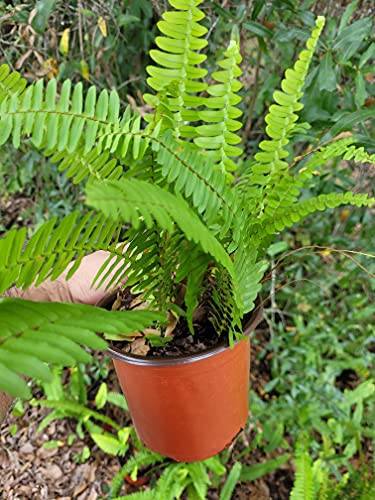
Maintaining Ideal Humidity and Temperature
Boston ferns prefer temperatures between 50-70°F. Keep them away from cold drafts and heat vents. Move plants indoors before frost hits.
Place ferns in a bright spot away from direct sun. Mist leaves daily or use a humidity tray to maintain 50-80% humidity. Group plants together to increase moisture around them.
Use a thermometer and hygrometer to monitor conditions. If the air is dry, run a humidifier nearby. Wrap pots in bubble wrap for extra insulation. At night, cover ferns with a cloth or move to a warmer room if needed.
Adjusting Watering and Feeding
Water less often in winter, but don’t let the soil dry out completely. Check moisture with your finger – water when the top inch feels dry. Use room temperature water to avoid shock. Ensure pots have drainage holes to prevent root rot.
Stop fertilizing in late fall. Resume feeding with half-strength fertilizer in early spring as new growth appears. Trim any brown or yellow fronds to keep the plant tidy and healthy.
Check for pests like spider mites, which thrive in dry indoor air. Wipe leaves with a damp cloth to remove dust and boost humidity.
Managing Indoor Environment for Boston Ferns
Boston ferns need the right indoor setup to stay healthy in cold weather. Proper care and placement help protect them from damage.

Preventing Cold Damage Indoors
Keep Boston ferns away from cold drafts and chilly windows. Move plants at least 3 feet from exterior doors and walls. Use weatherstripping on windows and doors to block cold air.
Set the thermostat no lower than 60°F at night. Use a space heater near ferns if needed, but keep it at least 3 feet away.
Boost humidity with a pebble tray or humidifier. Mist leaves daily with room temperature water. Group ferns with other plants to raise humidity.
Indoor Positioning and Care Tips
Place Boston ferns in bright, indirect light. East or north-facing windows work well. Use sheer curtains to filter strong sunlight.
Water when the top inch of soil feels dry. Empty drainage trays after watering. Reduce watering in winter, but don’t let the soil dry out fully.
Trim yellow or brown fronds to encourage new growth. Gently wipe leaves with a damp cloth to remove dust.
Fertilize monthly in spring and summer with half-strength liquid fertilizer. Stop feeding in fall and winter when growth slows.
Common Mistakes and Solutions
Taking care of Boston ferns can be tricky. Some common issues include watering problems, lack of pruning, and not protecting them from the cold. Let’s examine how to prevent these mistakes and maintain your fern’s health.
Overwatering and Underwatering
Watering Boston ferns correctly is key. Too much water can lead to root rot. Signs include yellow or drooping fronds. Not enough water causes dry, crispy leaves.
To avoid overwatering:
- Check soil moisture before watering
- Use pots with drainage holes
- Water less in winter
For proper watering:
- Keep the soil moist but not soggy
- Water when the top inch of soil feels dry
- Use room temperature water
Lack of Pruning
Pruning helps Boston ferns stay healthy and look good. Many people forget this step. Without pruning, ferns can get messy and grow poorly.
Pruning tips:
- Remove brown or yellow fronds
- Trim old, woody stems
- Cut back overgrown areas
Prune in spring or early summer. Use clean, sharp scissors. Don’t cut more than one-third of the plant at once.
Ignoring Signs of Cold Stress
Boston ferns can’t handle very cold temperatures. Ignoring cold stress signs can harm or kill the plant. Watch for these signs:
- Browning fronds
- Wilting leaves
- Slow growth
To protect from cold:
- Move plants inside when temperatures drop below 50°F
- Keep away from cold drafts
- Use a humidifier in dry indoor air
If cold damage occurs, trim affected areas and provide warmth. With proper care, Boston ferns can bounce back from mild cold stress.

Frequently Asked Questions
Boston ferns have specific cold tolerance needs. Knowing when and how to protect them from chilly weather is key to keeping these plants healthy.
When should Boston ferns be brought indoors to avoid cold damage?
Bring Boston ferns inside before the first frost. This typically occurs when nighttime temperatures drop below 45°F. Gradually move plants indoors to help them adjust to the new environment.
What is the minimum temperature Boston ferns can survive?
Boston ferns can handle brief exposure to temperatures as low as 35°F. For best growth, keep them between 60-75°F. Avoid letting them sit in temperatures below 50°F for long periods.
How should Boston ferns be cared for during the winter months?
Keep Boston ferns in a spot with bright, indirect light. Water less often, but don’t let the soil dry out fully. Mist the leaves or use a humidifier to boost moisture. Avoid placing ferns near heating vents or drafty windows.
Can Boston ferns overwinter in an unheated garage?
Unheated garages are too cold for Boston ferns. These plants need temps above 50°F to stay healthy. It’s best to bring them into a heated indoor space for winter.
What are the signs of cold stress in Boston ferns?
Cold-stressed Boston ferns may have brown or black fronds. The leaves might droop or fall off. New growth may slow down or stop. The plant’s center could start to rot if exposed to very cold temps.
How should hanging Boston ferns be managed when temperatures drop?
Take down hanging Boston ferns before cold weather hits. Move them to a protected porch or indoors. If leaving outside, wrap the pot in burlap and move it to a sheltered spot near the house.

Conclusion
Boston ferns can handle some cold, but they have limits. Temperatures below 60°F (15°C) can stress the plant. Frost and freezing will damage or kill it.
For best growth, keep Boston ferns between 60-75°F (15-24°C). This gives them the right conditions to thrive.
In winter, bring potted ferns indoors. Place them away from cold drafts and heat vents. Water less often, but don’t let the soil dry out fully.
Outdoor ferns need protection in cold climates. Mulch heavily around the base. Cover with a cloth or burlap on frosty nights.
With proper care, Boston ferns can survive cool temperatures. But they won’t tolerate prolonged cold or freezing. Protect them when needed for healthy plants year-round.

Hello there! I’m Elsa, and gardening is my passion. As an avid gardener, I created GardeningElsa.com to share my knowledge and experience with fellow enthusiasts. My website is a comprehensive resource for gardeners of all levels, offering expert advice on a wide range of topics, including plants, flowers, herbs, and vegetable gardening. Whether you’re a beginner looking to start your first garden or a seasoned pro seeking to expand your knowledge, GardeningElsa.com has something for everyone. Read more about me.
