
There’s a reason so many people say the garden is where they feel most like themselves. The benefits of gardening for mental health are real, and research links time with plants to lower stress, better mood, and a stronger sense of wellbeing.
In this guide, I’ll walk you through how gardening supports your mind and body, how to get started without feeling overwhelmed, and how to stay comfortable and safe while you dig.
You don’t need a big yard or a green thumb. You just need a little curiosity and a willingness to get your hands dirty.
How Gardening Supports Mental Health
Gardening supports mental health by giving you a calming focus, a sense of accomplishment, time outdoors, and something living to care for. Together, these small effects can add up to a steadier, calmer mind.
Gardening is not a cure or a replacement for professional care, though. It works best as one healthy habit among many.
What Happens When You Garden
When you garden, your attention shifts to simple, physical tasks. You pull a weed. You check a leaf. You water a pot. These small actions pull your mind out of worry loops and into the present moment.
Many people describe it as a kind of moving meditation. You don’t have to try to be mindful. The garden does a lot of that work for you.
Here’s a quick look at the main ways gardening can help:
| Garden Element | How It Can Help Your Wellbeing |
|---|---|
| Hands-on tasks | Gives your mind a calming, present-moment focus |
| Watching plants grow | Creates a sense of progress and accomplishment |
| Time outdoors | Adds fresh air and natural light to your day |
| Regular care | Builds routine and gives you something to look after |
| Shared spaces | Offers chances for social contact and friendship |
The Mind-Body Connection
Your mind and body are closely linked. When you move, breathe fresh air, and spend time in daylight, you often feel better mentally too.
Gardening combines all three. That’s a big part of why it feels so good. You’re getting light activity, sunlight, and a mental break at the same time.
Comfort matters here more than people realize. If gardening hurts your knees or wrists, you won’t want to do it.
My advice is to pick up a padded garden kneeler and a set of ergonomic hand tools with cushioned, angled grips. They make every session easier, so you’ll keep coming back.

If you’re building a kit from scratch, my guide to gardening tools and equipment covers the basics.
When to Seek Extra Support
Gardening can be a wonderful part of self-care. But if you’re struggling with anxiety, depression, or any mental health concern, please talk with a doctor or mental health professional.
If you’re in the US and in crisis, you can call or text 988 to reach the Suicide and Crisis Lifeline. It’s free, confidential, and available any time. The garden will still be there when you’re ready.
Stress Relief and a Calmer Mind
Gardening helps relieve stress by slowing you down and giving your mind a break from screens, deadlines, and constant noise. Even short sessions can leave you feeling calmer and more grounded.
Why Plants Help You Slow Down
Plants grow at their own pace. You can’t rush a tomato or hurry a seedling. That gentle pace encourages you to slow down too.

When you spend time in the garden, you stop multitasking. You notice small things, like a new bud or the smell of damp soil. That shift in attention can feel like a reset button for a busy brain.
Simple Calming Garden Tasks
Some garden jobs are especially soothing. They’re repetitive, low pressure, and easy to do without much thought. Here are a few of my favorites:
- Hand weeding: Slow, steady, and oddly satisfying.
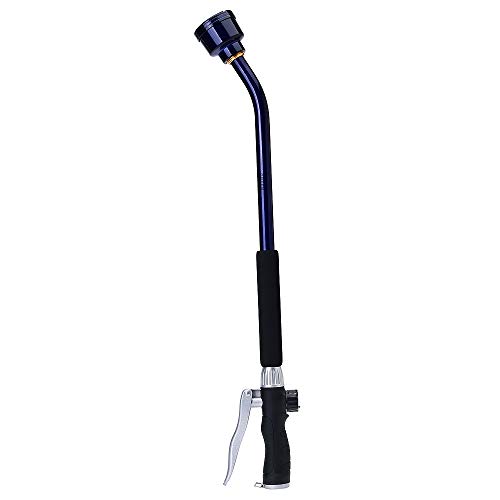
- Watering by hand: A quiet chance to check on each plant.
- Deadheading flowers: Snipping spent blooms is simple and relaxing.
- Sowing seeds: Small, careful work that keeps you focused.
- Raking leaves or mulch: Rhythmic movement that clears your head.
Choose the tasks you actually enjoy. If weeding makes you tense, skip it for now. Gardening for wellbeing should feel good, not like another chore list.
Using Your Senses to Stay Present
One easy way to deepen the calming effect is to tune into your senses. Notice what you see, hear, smell, and feel while you work.

Try planting things that engage your senses. Fragrant herbs like lavender, mint, and rosemary smell wonderful when you brush past them. Soft plants like lamb’s ear are lovely to touch.
| Sense | Plants and Features to Try |
|---|---|
| Smell | Lavender, rosemary, mint, basil |
| Touch | Lamb’s ear, ornamental grasses, soft moss |
| Sight | Bright zinnias, sunflowers, marigolds |
| Sound | Grasses rustling, a small water feature, birdsong |
| Taste | Cherry tomatoes, strawberries, fresh herbs |
Mood, Purpose and Routine
Gardening can lift your mood by giving you a sense of purpose, small wins to celebrate, and a gentle daily routine. Caring for something living often makes people feel more connected and capable.
The Satisfaction of Watching Things Grow
There’s something special about planting a seed and watching it sprout. Each new leaf is a tiny sign that your care made a difference.
These small wins add up. A first flower, a ripe pepper, or a healthy new shoot can give you a real sense of accomplishment. That feeling can carry into the rest of your day.
If you want those wins to come quickly, start with forgiving plants. My guide on what to plant in your first vegetable garden points you toward crops that grow fast and rarely fuss.
Having Something to Care For
Plants need you. They need water, light, and a little attention. That simple responsibility can give your days a sense of meaning.
Caring for living things can feel grounding, especially during stressful seasons of life. You show up, you tend, and you see results. It’s a quiet kind of purpose that many people find comforting.
Some gardeners also find extra peace of mind in growing food without harsh chemicals. If that idea appeals to you, read more about the benefits of organic gardening at home.
Building a Gentle Garden Routine
Routine can be a steadying force when life feels chaotic. The garden naturally gives you one. Plants need regular watering, checking, and tending.
You don’t need a strict schedule. A few short check-ins each week are plenty. Here’s a simple example routine:
- Morning: Walk through the garden with your coffee and check for dry soil.
- Midweek: Spend 15 to 20 minutes weeding or tidying.
- Weekend: Tackle a bigger task, like planting, harvesting, or mulching.
- Evening: Water if needed and take a few minutes to just look around.
The goal is consistency, not perfection. Missing a day is fine. Plants are more forgiving than you might think.
Physical Activity That Doesn’t Feel Like a Workout
Gardening is real physical activity, and the CDC lists general gardening as moderate-intensity exercise. The best part is that it rarely feels like a workout, because you’re focused on your plants instead of the clock.
Gardening as Moderate Exercise
Adults are advised to get at least 150 minutes of moderate-intensity activity a week. Gardening can count toward that goal.
That works out to about 30 minutes a day, five days a week. You can also break it into smaller chunks. Ten minutes of weeding here and twenty minutes of planting there all add up.
Garden Tasks and How Active They Are
Different tasks work your body in different ways. Some are light and easy. Others get your heart pumping. Here’s a general guide:
| Activity Level | Example Garden Tasks |
|---|---|
| Lighter | Watering, deadheading, harvesting, light pruning |
| Moderate | Weeding, planting, raking, pushing a lawn mower |
| More vigorous | Digging, turning compost, moving heavy soil or mulch |
Mixing tasks gives you a well-rounded routine. You’ll bend, reach, lift, carry, and walk. That variety helps with strength, flexibility, and endurance.
Why Movement Helps Your Mood
Physical activity is well known for its mood benefits. Moving your body can help ease tension and leave you feeling more relaxed afterward.
Gardening adds a bonus. You’re moving outdoors, often in natural light. Many people find that combination especially refreshing compared to an indoor workout.
And because you’re focused on a goal, like finishing a bed or planting a row, time tends to fly. That makes it easier to stick with than exercise you dread.
Social Connection and Community Gardens
Gardening can connect you with other people through community gardens, garden clubs, and simple chats with neighbors. That social contact is another valuable part of the benefits of gardening for mental health.
The Value of Gardening Together
Loneliness can weigh heavily on wellbeing. Gardening gives people an easy, low-pressure way to connect.
You already share a common interest. Conversations start naturally. You can swap tips, trade seeds, or admire each other’s tomatoes. These small moments of connection can mean a lot.
Ways to Find Your Gardening Community
You don’t have to join a big group to enjoy gardening with others. There are man