DIY Lotus Container Garden for Apartment Balconies

Want to bring lotus flowers to your apartment balcony? You can do it with a DIY container garden—even if you don’t have much space.

Lotus plants, renowned for their stunning blooms and symbolism, thrive well in waterproof containers. They simply require a few inches of soil and minimal attention. You can successfully grow lotus plants in sealed containers by placing 4-5 inches of garden soil at the bottom and pressing the tubers into the top inch of the soil.

Making a mini lotus water garden adds a peaceful vibe to small city spaces. These gardens give you a way to connect with nature, even if you’re surrounded by concrete.

It’s quite simple: select a waterproof pot, add soil, plant the lotus tuber, and maintain a steady water level.


ZEshops 20pcs Mixed Pink, Red & Green Color Bowl Lotus Seeds for Planting Beautiful Water Plants for Indoor Bonsai, Outdoor Ponds (Lotus Seeds (for Germination))

Even the tiniest balcony can feel more serene with a few lotus containers. Just make sure to change the water periodically and place your plants in a location that receives good sunlight.

This is totally a weekend project. You don’t need a huge budget or much maintenance to turn an ordinary balcony into a relaxing little retreat.

Table of Contents

Benefits Of A DIY Lotus Container Garden

Building a lotus container garden brings beauty and calm to your home—no pond or backyard needed. Lotus plants thrive in containers and offer several benefits for apartment dwellers.

best containers for lotus plants in small spaces

Enhancing Apartment Balconies

Lotus containers can totally transform a boring balcony into a mini oasis. The flowers rise up on elegant stalks, while the round leaves create layers of green at different heights.

The blooms come in all sorts of vibrant colors, which really jazz up your outdoor space.

After the flowers fade, those funky seed pods stick around and keep things interesting. It’s not just about the blossoms—the whole plant has personality.

People notice when you have a lotus garden. Guests always want to talk about them, and your balcony ends up being the one everyone remembers.

Even if you only have room for a small pot, lotus plants make a big impression.

Air Quality And Relaxation

Lotus plants boost the air around your balcony by adding oxygen and moisture. That’s a real bonus in cities, where the air can feel dry and a bit stale.

The water in lotus containers bumps up the humidity, which helps, especially in summer when the AC dries everything out.

Honestly, being around plants just feels good. Studies say they help with stress, and I believe it. Watching the lotus leaves sway in the breeze or tending to your water garden can be weirdly soothing.

There’s something about water and plants together—it’s almost meditative.

Adding Greenery In Limited Spaces

Lotus containers make the most of small balconies by growing up, not out. You don’t need much floor space at all. Even a bucket or a basic plastic pot can support a healthy lotus.

They aren’t high-maintenance, either. Once they’re settled, they need little care, so they’re perfect if you’re busy or new to gardening.

You don’t need a fancy pond or complicated setup. The compact size of container lotuses means you can have a little water garden just about anywhere.

Plus, lotus plants attract cool insects like dragonflies, which adds a bit of wildness to city living. They’re surprisingly tough and adapt well to containers.

Even if you haven’t grown much before, you can pull this off. Lotus are more forgiving than you’d think.

Selecting The Right Container For Lotuses

Your choice of container really matters for lotus plants. They need space for their tubers and enough depth to grow well.

maintaining a lotus garden on a balcony

Container Size And Material

Go for containers that are both wide and deep. Bigger lotus types want something at least 15-18 inches across and 9-12 inches deep. Dwarf varieties are happy in pots about 12-15 inches wide and 6-8 inches deep.

Black plastic livestock feed tubs work great—they’re deep, sturdy, and cheap. Ceramic or plastic pots are fine too, as long as they’re big enough.

Skip metal containers. They heat up too fast in the sun and can cook your plant’s roots. Dark-colored pots are better because they keep the water warmer, which lotus prefer.

Drainage And Water Retention

Unlike most plants, lotus don’t want drainage holes. They are aquatic and require standing water at all times. The container has to hold water—no leaks allowed.

If your pot has holes, just seal them up with waterproof silicone or rubber plugs. Before adding soil, test for leaks by filling it with water and letting it sit for a day.

Ensure the container can hold at least 6-8 inches of water above the soil level. That way, the leaves will float nicely and the roots stay submerged.

Planters For Small Balconies

For tight spaces, stick with compact or dwarf lotus varieties. Look for round containers about 15-18 inches wide. That gives you good growing space without hogging the balcony.

Lightweight plastic planters are perfect if your balcony has weight limits. They’re easy to move around, too. Stackable or nestable pots save space during the off-season.

Some planters even double as benches or tables around your lotus garden—handy if you’re short on space. That way, you get a water feature and a useful spot to sit or set down a drink.

Put your container somewhere that gets at least 6 hours of sun each day. Try to keep it out of strong winds so the leaves and flowers don’t get beaten up.

Understanding Lotus Plant Requirements

Lotus plants need certain things to thrive in containers. They’re a bit picky about sunlight, water, and space, but it’s all manageable on a balcony.

creating a mini lotus water garden at home

Light And Temperature Needs

Lotus love sunlight. They need at least 6-8 hours of direct sun every day to bloom and stay healthy. Put your container in the brightest spot you’ve got.

Temperature matters, too. Lotus like it warm—between 75°F and 85°F (24°C to 29°C). They really get going once water temps hit about 70°F (21°C).

Winter’s a different story. Hardy lotus types can survive in containers as long as the tubers don’t freeze. If you’re in a cold climate, move the pot to a cool, dark spot like a basement where it stays between 40°F and 50°F (4°C to 10°C).

Water Quality And Depth

Lotus wants clean water. Use dechlorinated water—let tap water sit out for a day or two before using it, so the chlorine can evaporate.

Keep about 6 inches of water above the soil for mature plants. When you first plant the tubers, start with 2-3 inches of water and add more as they grow.

Bigger containers hold more water, which helps keep temperatures steady. That’s good for your lotus.

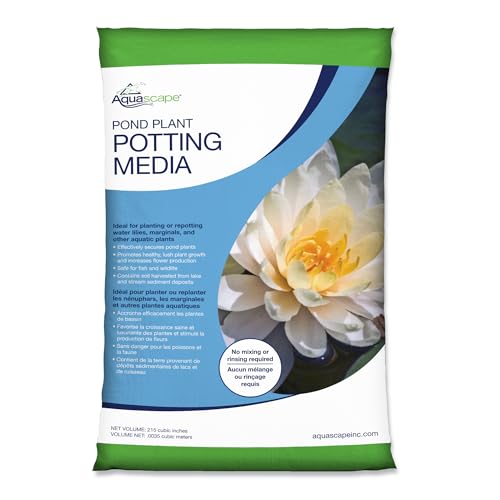
Use heavy, loamy soil or special aquatic plant soil in the bottom of your pot. Skip regular potting mix—it floats and makes the water murky.

Best Lotus Varieties For Containers

Bowl Lotus varieties are awesome for container gardens. They usually grow 1-3 feet tall and have flowers about 4-6 inches wide. A few favorites:

  • ‘Momo Botan’ – Pink double flowers
  • ‘Little Cracker’ – White blooms with pink edges
  • ‘Rosea Plena’ – Rose-like pink double flowers

Micro/Dwarf Lotus types are even smaller—great for tiny pots. They only get 6-18 inches tall, and their flowers are 2-3 inches across. Try these:

  • ‘Mini Crimson’ – Deep red blooms
  • ‘Celestial Baby’ – White flowers with pink accents
  • ‘Small Dainty’ – Pale pink single flowers

Tropical lotus have flashier colors but need warmth all year. If you’re just starting out, hardy types are easier and more forgiving.

Setting Up Your Water Garden

Getting your water garden right from the start makes everything easier later. The setup really does make a difference in how well your lotus grows.

growing lotus flowers in limited space

Choosing Aquatic Soil And Substrate

Lotus want the right soil. Use heavy garden loam—not potting mix, which just floats. Fill the bottom of your waterproof pot with 4-5 inches of this soil.

Avoid using soil with added fertilizers, as they can contaminate the water. Some people add a thin layer of pebbles or aquatic gravel on top of the soil to prevent it from clouding the water initially.

If your container is deep, you can start with a layer of small rocks at the bottom. That way, you don’t need as much soil but still give the roots plenty of space.

Planting The Lotus Tubers

Be gentle when planting lotus tubers. Press them horizontally into the top inch of soil, with the growing tip facing up or just a little to the side.

Don’t bury them all the way. If you see little bumps (growth nodes), point those up. For dwarf types, you can fit a couple in one pot—just space them 6-8 inches apart.

Hold the tubers down with a small stone so they don’t float up when you add water. Don’t stress if the tubers seem tiny—lotus grow fast when they’re happy and will fill out your container before you know it.

Filling And Maintaining Water Levels

Fill your container slowly so you don’t mess up the soil. Try pouring water along the edge or over a plate on the soil to soften the flow.

Keep the water 2-6 inches above the soil for dwarf lotus types. If the water’s too deep, growth might stall, but if it’s too shallow, the leaves won’t get enough support.

Top up with fresh water often, especially when it’s hot and evaporation speeds up. Rainwater or tap water that has sat out for a day is best, as chlorine is not ideal for sensitive aquatic plants.

Placing The Container On Your Balcony

Find a spot that gets at least 6 hours of direct sun. Without enough sunlight, lotus just won’t bloom the way you hope.

Check that your balcony can handle the weight of your water garden. Even a medium-sized container with soil and water can easily weigh over 50 pounds.

Put the container somewhere stable so it won’t tip over. If wind is a problem, tuck the pot into a sheltered corner or set up a windbreak—lotus leaves and flowers are surprisingly delicate.

Water gardens feel temperature swings. On scorching days, you’ll probably need to add water more often. When it’s cooler, growth naturally slows down.

Caring For Your Lotus Container Garden

Lotus container gardens really thrive with regular care. A little attention goes a long way toward getting lush leaves and beautiful blooms all season.

Caring For Your Lotus Container Garden

Fertilizing And Feeding

Lotus is a hungry plant and needs consistent feeding while it’s growing. Use aquatic plant tablets or slow-release fertilizer made for water plants.

Push fertilizer tablets into the soil, keeping them away from the tuber. For a typical 15-20 gallon container, use 1-2 tablets per month from May through August.

Skip regular garden fertilizers—they can burn lotus roots and trigger algae. If the leaves are turning yellow, it’s usually a sign they need more nitrogen.

For an organic route, add a bit of well-rotted manure at the start of the season. Stop fertilizing in late summer so your plant can rest up for dormancy.

Pruning And Managing Growth

Keep an eye on your lotus—they can get wild pretty quickly. Prune dead or yellowing leaves by cutting stems at water level, not pulling them, to avoid hurting the rhizomes.

Let the first few leaves float, even if they look small or a little scrappy. Early leaves help the plant get established and store up energy.

Snip off spent flowers right away to encourage more blooms. Cut the flower stems a few inches below the water.

Every 2-3 years, divide your lotus to keep it from crowding itself out. Gently split up the rhizomes during dormancy and replant them in fresh soil.

Seasonal Maintenance Tips

Spring (April-May): When it’s reliably above 70°F, move your container into full sun. Add new soil if needed and start feeding once you see fresh growth.

Summer (June-August): Keep water levels steady, topping up as needed. Water should sit 6-8 inches above the soil. If it’s blazing hot (over 95°F), offer some afternoon shade.

Fall (September-October): Ease off on fertilizer and start prepping for dormancy. If you live somewhere cold, move the pot to a protected spot before the first frost.

Winter (November-March): In colder zones (below 8), bring containers inside to a cool, dark place like a garage or basement (35-50°F). Don’t let the soil dry out, but lower the water level so it’s just above the soil.


10PCS Bonsai Lotus Seeds for Planting - Mixed Colors Water Lily Flower Seeds

Complementing Lotus with Additional Aquatic Plants

Mixing in more water plants with your lotus adds balance and makes the whole setup feel more alive. Good companions can help keep the water clean and attract helpful bugs.

Selecting Suitable Aquatic Companions

Water lilies are great with lotus in big containers. Go for dwarf types if you’re short on space—they have different leaves and flowers that bloom at other times, so your display keeps changing.

Floating plants, such as water lettuce or hyacinth, can help control algae by blocking sunlight and absorbing excess nutrients. They’re low-maintenance and easy to trim if they get out of hand.

Underwater oxygenators like hornwort or anacharis boost water quality by releasing oxygen and filtering out gunk. They stay below the surface, so they don’t crowd your lotus.

Small rushes or dwarf papyrus add height and interesting texture. Place them around the edges to frame your lotus without stealing the spotlight.

Balancing Aesthetics And Function

Arrange your plants by height—tall ones in the back, shorter or floating plants up front. This layering gives the container depth and shows off everyone’s best side.

Think about when different plants bloom. If you pick companions that flower at different times, your garden stays colorful for months.

Color matters too. Try pairing purple-leaved water plants with pink or white lotus flowers for a little drama.


10PCS Bonsai Lotus Seeds for Planting - Mixed Colors Water Lily Flower Seeds

Don’t cram too many plants in one container. Covering about 60-70% of the water surface with greenery is just right—any more, and your lotus might struggle.

Some plants, like mosquito fern, not only look good but also help keep bugs from breeding in your water.

Creative Design Ideas For Apartment Balconies

You can turn your balcony into a little oasis with some creative planning. Even a tiny space can feel lush and welcoming if you arrange containers thoughtfully.

Arranging Multiple Containers

Vary the height of your planters to add visual interest. Put the tallest ones near walls or railings, medium ones in the middle, and let trailing plants spill over the edges.

Group together plants that like the same amount of water to make watering easier. It saves time and keeps everyone happy.

Use tiered stands or shelves to go vertical and fit more plants without hogging floor space. Wall planters also work well for small balconies.

Give your containers a little rotation now and then so all plants get their share of sun. Otherwise, you might end up with lopsided growth.

Incorporating Decorative Elements

Little decorative touches really make a balcony garden pop. A tabletop fountain adds soothing sound and movement, and even small ones fit just fine.


ZEshops 10pcs Mixed Color Bonsai Bowl Lotus Live Plants Pre-Sprouted - Aquatic Beauties for Indoor and Outdoor Serenity

Scatter decorative stones or colored glass pebbles on the soil. They look nice and help hold in moisture, which means less watering.

Solar string lights or lanterns bring a cozy glow at night. They’re easy to hang and don’t need any wiring.

Consider incorporating weatherproof art, such as small sculptures or wind chimes, to add a personal touch. Select pieces that complement your personal style.

Got a dark corner? A small mirror can make the balcony feel bigger and bounce more light onto your plants.

Troubleshooting Common Issues In Lotus Container Gardens

Lotus in containers sometimes hit bumps—pests, murky water, slow growth. Knowing what to look for helps you fix problems before they get out of hand.

Pest And Disease Management

Aphids and spider mites love lotus, especially in warm weather. Check under leaves for tiny bugs or webbing.

Blast pests off with a strong spray of water. Neem oil works too—mix 2 teaspoons per quart of water and spray weekly.

Fungal spots show up as dark patches on leaves. Remove the affected leaves immediately and ensure good airflow. Try not to splash water on the leaves.

If roots are mushy and smell bad, you’re likely dealing with root rot. Repot the plant in fresh soil—don’t forget gloves, as lotus edges can be sharp.

Solving Water Quality Problems

Lotus needs clean, fresh water. If you spot algae, the water quality’s off, and your lotus is missing out on nutrients.

Swap out 25-30% of the water every week to keep things clear. Floating plants like water lettuce can help by blocking sunlight and slowing algae growth.

Water temperature matters a lot. Lotus like it between 70-85°F (21-29°C). On super hot days, move containers into partial shade to keep them from overheating.

If your tap water’s hard or loaded with minerals, you might see yellowing leaves. Let tap water sit out for a day before adding it, so chlorine can fade away.

Addressing Poor Growth Or Flowering

If your lotus isn’t blooming, it’s probably not getting enough sun. Move containers to the brightest spot you can—6+ hours of direct sunlight is a must.

Yellow leaves or stunted growth often mean the plant’s hungry. Feed monthly with aquatic fertilizer tablets pressed into the soil.

When containers get overcrowded, lotus can’t spread their tubers. Divide every couple of years in early spring before new growth starts.

Big temperature swings stress lotus and cut down on flowers. Ease plants outside gradually in spring to help them adjust.

Once you’ve planted your lotus, avoid disturbing the soil—tubers are touchy. And honestly, patience pays off; new plants might need a whole season to really get going and bloom.


ZEshops 10pcs Mixed Color Bonsai Bowl Lotus Live Plants Pre-Sprouted - Aquatic Beauties for Indoor and Outdoor Serenity

Frequently Asked Questions

Starting a lotus container garden on a balcony comes with lots of questions—about pots, varieties, water, and more. Here are some quick answers to help you get started.

What type of container is suitable for growing a lotus in an apartment balcony?

A wide, shallow container with no drainage holes works best for lotus. Aim for at least 12 inches in depth and 16 inches in width, so the plant has sufficient room to grow. Plastic tubs or containers specifically designed for aquatic plants are ideal for balconies. They hold water well and give the rhizomes space to spread. Heavy ceramic or clay pots can also work, but keep in mind—they become difficult to move once filled.

Which varieties of lotus are best suited for container gardening on balconies?

Dwarf or bowl lotus varieties are honestly your best bet for container gardening on balconies. These compact plants usually reach 1-3 feet and their flowers measure about 2-6 inches across. Some favorites? ‘Momo Botan’, ‘Baby Pink’, and ‘Mini Jade Tower’ show up often among balcony gardeners. They fit into tight spaces and still manage to put out gorgeous blooms. If your balcony can handle a bit more weight, you might try a medium-sized variety like ‘Carolina Queen’ in a larger container.

What are the necessary steps to grow a lotus flower in a bowl or small container?

Start with a healthy lotus tuber in early spring, right around your area’s frost-free date. Add 3-4 inches of heavy clay loam soil to your container, then gently press the tuber in horizontally. Cover it with 1-2 inches of soil, but keep the growing tip sticking out. Pour in water until it’s sitting 2-4 inches above the soil line. Place the container in a warm, sunny location and monitor the water level regularly. If everything goes well, you should spot new pads in a couple of weeks.

How much sunlight exposure is needed for a lotus plant in a balcony setting?

Lotus plants really need full sun—at least 6-8 hours of direct sunlight every day. South or west-facing balconies usually do the trick. It’s also important to keep the water temperature between 75-90°F. In more incredible places, the container itself can help trap extra warmth.

Can you grow a lotus in a container without soil, and how is it done?

It turns out that you can grow lotus without soil, though it needs something for support. Seeds will germinate in just water, and you can use pebbles or aquatic media to anchor the roots. To try this, place lotus tubers in a container filled with clean pebbles or gravel, then cover everything with water. You’ll need to fertilize more often since there’s no soil—usually with aquatic plant fertilizer tablets.

What is the water requirement for lotus plants in container gardens?

Keep water 2-5 inches above the soil or whatever medium you’re using. Don’t let the leaves go underwater, or they’ll rot. When it’s hot, water evaporates fast, so check levels daily and top up as needed. Let tap water warm up in the sun before adding it, since cold water can stress the plant or stop it from flowering.

Conclusion

Creating a lotus container garden on your balcony is such a rewarding project. It brings a touch of natural beauty right into the heart of urban life.

Lotus plants require ample sunlight and warm temperatures to thrive. Select a container that is at least 12 inches deep and wide enough for the plant to spread out as it grows.

Most folks use soil for growing lotus, but here’s a neat fact—lotus seeds can actually sprout in water without any dirt at all. That makes them pretty flexible for different container setups.

Moving a lotus container can be a hassle due to its weight. It’s smart to plan your layout before filling it with water and soil.

If you want some flexibility, consider placing the container on wheels or a rolling platform.

Once everything is set up, maintenance is relatively simple. Just keep the water level steady, fertilize as needed, and protect your lotus from harsh weather.

A lotus container garden truly transforms a balcony into a peaceful retreat. The flowers, those quirky seed pods, and the big round leaves—there’s always something to catch your eye all season long.

Even if you live in an apartment, you can enjoy the classic beauty of lotus plants. There’s something special about having these aquatic wonders as the stars of your own little oasis.

vegetable garden ideas

10 Vegetable Garden Layout Ideas