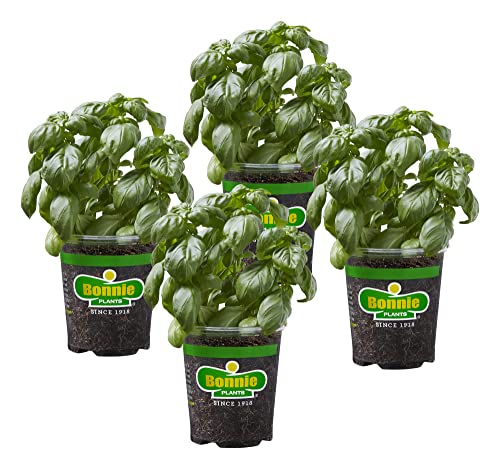
Houseplants can help your mood, but in a modest way.
Small studies link indoor plants for mental health to calmer feelings, lower stress after mental work, and a sense of comfort at home, so a few easy plants are a reasonable, low-cost addition to your mental wellness habits.
They aren’t a cure for anxiety or depression, and the research behind them is small. My advice is to start with one or two forgiving plants, put them where you’ll see them every day, and treat the care as a pleasant routine.
Can Houseplants Help Your Mental Health?
Yes, houseplants can help a little, mostly with everyday stress and mood. Studies show people feel more relaxed around living greenery and after short plant-care tasks, but the effects are small and short-term, and they don’t replace care for a mental health condition.
What Benefits Are Reasonable to Expect?
The most consistent finding is that people report feeling calmer and happier when real plants are nearby. A large review of indoor plant studies found the strongest effect was on self-reported happiness and comfort.
In one well-known Korean study, adults who repotted a plant felt more comfortable and relaxed than when they did computer work. Their blood pressure and nervous system signals also shifted toward a calmer state.
Here’s what I think you can fairly expect from plants for mental health:
- A room that feels softer and more pleasant to be in
- Small moments of calm when you water, mist, or look at a plant
- A gentle daily task that gets you up and moving
- Some help with emotional well-being during long indoor stretches, like winter
Appearance plays a role too. One study found people rated lush, healthy, rounded-leaf plants like pothos as the most calming, and they rated sickly plants negatively.
Why Plants Aren’t a Treatment for Anxiety or Depression
Anxiety and depression are medical conditions. They respond to proven care such as therapy, medication, or both, chosen with a professional.
The plant studies are mostly small, short, and done in labs or offices. Many measure how people feel for a few minutes, and few follow people over months. That makes plants a nice support for stress reduction, and nothing more than that.
If a plant brightens your day, that’s a good thing. If your low mood or worry sticks around, a plant can sit next to real help, never in place of it.
What Does the Research Say About Plants and Stress?
The research points to small, real drops in stress and a bit of mental recovery when people see or tend plants. It also shows that popular claims about plants cleaning your home’s air don’t hold up in a normal house.
Stress Responses and Attention Restoration
The biophilia hypothesis is the idea that people have a built-in pull toward nature. It’s a theory, but it helps explain why green leaves feel restful to many of us.
Attention restoration theory adds another piece. Hard focus on screens and tasks tires your attention, and looking at natural things lets it recover without effort.
A Japanese study of office workers tested this with a small plant on each desk. When workers felt tired and looked at their plant, their pulse rate dropped and their reported anxiety eased slightly.
What Horticultural Therapy Studies Can and Can’t Tell Us
Horticultural therapy is a guided program where a trained therapist uses gardening tasks to help people reach specific goals. It’s been used in hospitals, rehab centers, and psychiatric units.
Patients in these programs often describe touching leaves and smelling plants as calming. Those programs include a trained leader, a group, and a set plan, though, so the results don’t transfer neatly to a pothos on your bookshelf.

A scoping review of studies on indoor plants and mental health also flagged a gap. Most research is short-term, and large, long studies in real homes are still rare.
Why Air-Cleaning Claims Don’t Apply to Most Homes
The famous 1989 NASA study tested plants in small sealed chambers, which are very different from a house with doors, vents, and drafts. A 2019 review by Cummings and Waring estimated you’d need 10 to 1,000 plants per square meter to match normal building ventilation.
So “air-purifying plants” won’t meaningfully change your indoor air quality. A houseplant also makes only a tiny amount of oxygen compared with what one person breathes.
If you want to read more on that topic, I cover it in my guide to indoor air purifier plants. For cleaner air, opening windows, running bathroom and kitchen fans, and cutting down on harsh chemicals work far better.
Why Can Caring for a Plant Feel Calming?
Plant care gives you a small, steady routine with visible results, and that combination feels steadying. It also pulls your attention into the present for a few minutes at a time.
A Manageable Routine and Small Signs of Progress
A new leaf unrolling or a vine growing an inch is proof that your care worked. Those small wins add up, especially on days when bigger goals feel out of reach.
A mixed-method study of students found that tending one indoor plant for a month helped them feel less stuck in repetitive, worried thinking. The students described the plant as something to look after and look forward to.
I like indoor gardening as a routine because it scales to your energy. On a good day you can repot or prune. On a hard day, checking the soil with one finger still counts.
Grounding Your Attention During Everyday Care
Grounding means bringing your focus back to what’s in front of you. Plant care does this naturally because it asks you to look and touch.
Try slowing down during your next check-in:
- Press a finger into the soil and notice whether it’s cool, damp, or dry.
- Run your hand along one leaf and feel its texture.
- Look for one new thing, like a bud, a root at the drainage hole, or a fresh leaf.
- Breathe in slowly if the plant has a scent.
That takes two minutes, and the indoor greenery gives your mind a quiet job while you do it.
Four Easy Houseplants for a Low-Pressure Start
The best indoor plants for mental health, in my opinion, are the ones that are hard to kill, since a struggling plant adds worry. Pothos, snake plant, spider plant, and peace lily all handle normal home conditions and forgive missed waterings.

| Plant | Light | Water | Why I like it |
|---|---|---|---|
| Pothos | Low to bright indirect | When top 1 to 2 inches dry | Fast, visible growth |
| Snake plant | Low to bright | Every 2 to 6 weeks | Very drought tolerant |
| Spider plant | Bright indirect | When top inch dries | Bounces back, makes babies |
| Peace lily | Low to medium | When it starts to droop | Clear thirst signal, blooms |
For more choices, see my list of easy indoor plants for beginners.
Pothos for Visible Growth
Pothos is my top pick if you want to see progress. In bright indirect light, vines can grow several inches a month in spring and summer.
It tolerates low light, though growth slows and variegation fades. Water when the top 1 to 2 inches of soil feel dry, and snip long vines to root in a glass of water, which is a satisfying little project.
Snake Plant for Infrequent Watering
Snake plant suits anyone who forgets to water. It stores water in its thick leaves and only needs a drink every 2 to 6 weeks, depending on light and season.
It’s a CAM plant, so it opens its pores at night to save water. Overwatering is the main way people lose one, so let the soil dry almost completely and use a pot with a drainage hole.
Spider Plant for Forgiving Care
Spider plant handles a wide range of conditions and recovers quickly from mistakes. Brown tips are common and mostly cosmetic, often caused by dry air or salts in tap water.
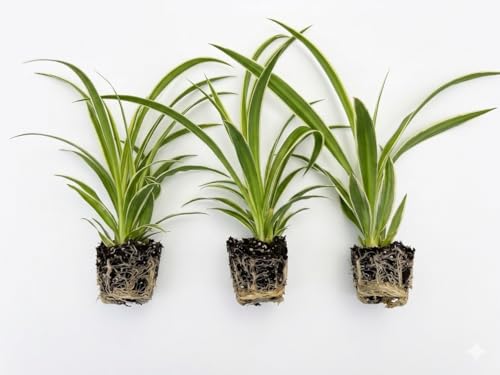
A happy plant sends out arching stems with baby plantlets. You can pot those up and share them, which turns your plant into a small gift for someone else.
Peace Lily for Blooms and Clear Watering Cues
Peace lily (Spathiphyllum) tells you when it’s thirsty by drooping, then perks up within hours of watering. That clear signal takes the guesswork out of care.
It blooms with white hooded flowers in medium indirect light and tolerates lower light with fewer blooms. Water when it begins to sag, and wipe the broad leaves with a damp cloth now and then.
Which Plants Offer Scent or Texture to Enjoy?
Fragrant herbs and textured leaves give you something to smell and touch, which makes plant care more engaging. Most scented plants need a sunny window indoors, while textured foliage plants handle less light.