
A potted plant on your windowsill does very little to keep mosquitoes away. The oils that bother mosquitoes stay locked inside the leaves until you crush or rub them, and even then the effect reaches only a few inches and fades within minutes.
If you want a real defense, I recommend tight window screens, emptying plant saucers every week, and an EPA-registered repellent such as lemon eucalyptus repellent, with herbs like catnip, basil, and lemongrass as fragrant extras you can rub on the spot.
Growing indoor plants that repel mosquitoes is still worthwhile, as long as you know which ones carry useful oils and how to grow them well inside.
Will a Potted Plant Actually Repel Mosquitoes?
A whole, undisturbed plant releases too little scent to stop a hungry mosquito. Plants that repel mosquitoes do it through essential oils stored in tiny glands on their leaves, and those oils mostly stay put until something breaks the leaf open.
Why Undisturbed Leaves Offer Little Protection
Mosquitoes find you by tracking the carbon dioxide you breathe out, plus body heat and skin odors. Those signals are strong and spread across a room.
A resting basil or citronella plant gives off only a faint whiff by comparison. Entomologists point out that little if any citronella is released by a plant just sitting there, which is why potted “mosquito plants” fail as room protection.
What Changes When Leaves Release Their Oils
Crushing, bruising, or brushing the leaves ruptures the oil glands. That’s when you smell the strong lemon, mint, or herbal scent.
A freshly crushed leaf rubbed on your skin gives a short burst of natural mosquito repellent. Expect protection measured in minutes, and plan to reapply often. It’s a handy trick for a few minutes on the porch, and it won’t replace a tested product.
What Does the Research Say About Plant-Based Repellents?
The research supports purified plant oils far more than live plants. Lab studies show compounds like nepetalactone, geraniol, and citronellal can push mosquitoes away, while field tests of potted plants show weak or no results.
What Citronella Geranium and Catnip Studies Tested
The popular citronella geranium (sold as citrosa) was tested in a field study against Aedes mosquitoes. People sitting near the plants got no meaningful protection, and the plant’s oil analysis came out close to ordinary rose geranium oil.
Catnip is the stronger story. In lab tube tests, nepetalactone, the oil in catnip, repelled mosquitoes about ten times better than DEET.
That test used concentrated oil in a small space, so it doesn’t tell you a catnip pot protects a room.
Why Lemon Eucalyptus Repellent Isn’t the Same as a Houseplant
The CDC lists oil of lemon eucalyptus (OLE) and its refined form, PMD, among its recommended EPA-registered repellents. Those products are made from processed oil at a set strength, then tested on skin.

A eucalyptus tree in a pot doesn’t give you that. The CDC also advises against using OLE or PMD products on children under 3 years old.
Why Other Popular Picks Aren’t My First Choice
You’ll see these on many lists, and here’s why I skip them indoors:
- Marigold: Marigolds have a strong scent, but they need full sun and do poorly as houseplants.
- Ageratum: It contains coumarin, a compound in some repellents, yet the plant itself is toxic if pets or kids chew it.
- Venus flytrap: It catches a few small insects. It won’t dent a mosquito problem, and it needs bog conditions and winter dormancy.
- Eucalyptus: Tall, thirsty trees that rarely thrive in average homes.
Lemongrass and Citronella Grass Need a Sunny Spot
Lemongrass and citronella grass are the plants behind real citronella oil, and both want bright sun and warmth. Grow them in your sunniest window and a large pot, and use the leaves by cutting or crushing them.

How to Tell True Citronella Grass from a Mosquito Plant
True citronella is Cymbopogon nardus or C. winterianus, a clumping grass with long, narrow blades. Lemongrass (C. citratus) looks almost the same and has a sweeter lemon smell.
The citronella plant sold in hanging baskets is a scented geranium with lacy, fuzzy leaves. If it has soft, ruffled leaves, it’s a geranium. My breakdown of the citronella plant vs lemongrass covers the differences in more detail.
Light, Space, and Watering Needs Indoors
These grasses need at least 6 hours of direct light; a south-facing window works best. Learn how much sun lemongrass needs before you place it.
- Pot: At least 12 inches wide, since clumps can reach 3 feet tall.
- Soil: Well-draining soil, such as potting mix with a handful of perlite.
- Water: When the top inch feels dry. Never let roots sit in water.
- Temperature: Keep above 50°F; they’re hardy outdoors only in USDA zones 10 to 11 (zone 9 with protection).
In the Northeast and Midwest, many gardeners keep lemongrass outside in summer and bring it in before frost. My guide to grow lemongrass indoors walks through winter care.
Catnip Is Promising, but It Won’t Protect a Whole Room
Catnip has the best lab evidence of any herb here, yet a pot of it only helps when you use the leaves. Its nepetalactone works at close range.
What Its Leaves Can and Can’t Do
Crush a few fresh leaves and rub them on your wrists and ankles, and you’ll get brief, light protection. Test a small patch first, since some people get skin irritation.
The plant won’t create a mosquito-free zone around it. Cats also love it, so a pot near the floor may get rolled on, chewed, or knocked over.
How to Keep Catnip Growing Indoors
Catnip is a sturdy mint-family herb that grows fast with enough light.
- Use regular potting soil with good drainage and a pot with holes.
- Give it 5 to 6 hours of sun or a strong grow light.
- Water when the top inch dries out.
- Pinch the tips every few weeks to keep it bushy and cut off flower spikes.
Indoors, it can get leggy by late winter. Cut it back by half in spring and it will push out fresh growth.
Basil Makes a Practical Sunny-Window Pick
Basil earns its spot because you can cook with it, and its oils have shown some repellent activity in research on Ocimum species. Treat a basil plant as a kitchen herb with a small mosquito bonus.
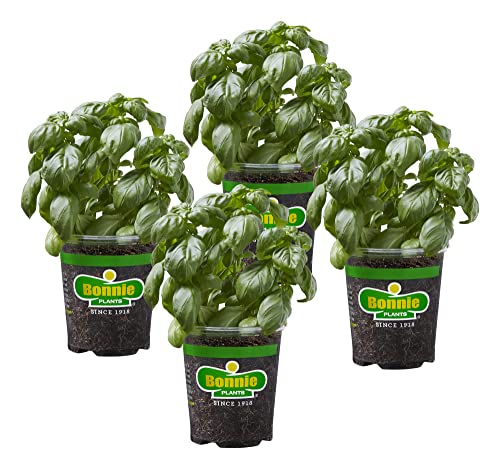
Why Basil Smells Stronger When You Handle It
Basil’s scent comes from oils like eugenol and linalool held in glands on the leaf surface. Brush the plant and those glands burst, which is why your hands smell like pesto afterward.
Lemon basil and cinnamon basil have stronger scents than sweet basil. Even so, the effect stays local and short, the same as other herbs.
How to Keep a Basil Plant Leafy Indoors
Basil loves heat and light. Keep it at 65°F to 80°F and away from cold drafts by winter glass.
- Give it 6 to 8 hours of sun, or 12 to 14 hours under a grow light.
- Keep the soil evenly moist but never soggy.
- Pinch stems just above a pair of leaves once the plant has 3 sets of leaves.
- Remove flower buds right away, since flowering slows new leaf growth.
Feed it in spring and summer with liquid fertilizer at half strength every 2 to 4 weeks.
Rosemary Rewards Bright Light and Careful Watering
Rosemary is one of the hardest herbs to keep alive indoors, and the usual causes are low light and overwatering. Its piney oils are pleasant, and like the others, they release when you snip or rub the needles.
Where Rosemary Grows Best Indoors
Place it in a south or west window with 6 or more hours of direct sun. It’s a good match among indoor plants that like direct sunlight.
- Use a clay pot and gritty, fast-draining mix.
- Water only when the top inch is dry, but don’t let it dry completely.
- A cool room around 60°F to 65°F in winter suits it.
- Good air flow helps prevent powdery mildew.
In zones 8 and warmer (parts of the Southeast, Southwest, and Pacific coast), rosemary does better outdoors year-round.
Other Culinary Herbs Worth Considering
Thyme contains thymol, a strong-smelling compound with repellent activity in oil tests. Lemon thyme is a nice small windowsill pick. Sage has similar needs to rosemary and fills a pot nicely.
Garlic and other allium plants show up on some lists. They don’t help against mosquitoes indoors, though they’re fine to grow for the kitchen.
Lavender Needs More Sun Than Most Rooms Provide
Lavender is a tough houseplant because it wants full sun, dry air, and fast drainage. Most indoor rooms are too dim and too damp for it to thrive long term.