
There’s little evidence that indoor plants that repel spiders keep spiders out of a house. A potted peppermint or lavender gives off far too little scent to change where spiders go.
Spiders come inside to hunt insects and find quiet shelter, so the fixes that work are cutting their food supply and closing the gaps they use to get in.
That doesn’t make these herbs useless. I’d grow mint, lavender, rosemary and basil because they’re lovely, useful plants. Just pair them with real indoor spider control, and you’ll see far fewer webs than you would from plants alone.
Do Indoor Plants Actually Repel Spiders?
No living houseplant has been shown to keep spiders out of a home. The research behind “plants that repel spiders” was done with concentrated essential oils in lab setups, and a potted herb on a windowsill works very differently from that. If you are stocking up, a set of yellow sticky traps is the first thing I would pick up.
What Does the Evidence Say About Living Plants?
I couldn’t point you to a single controlled study showing a living plant reduces spiders in a room. The claims you see online usually jump from “this oil bothered spiders in a lab” to “this plant will protect your home.”
House spiders are predators that follow insect prey. A spider that finds gnats and flies near your window will stay, mint or no mint.
Spiders also rest right on plants all the time. Garden spiders build webs between lavender stems outdoors, which tells you the scent of a healthy plant doesn’t bother them much.
Why Plant Oils Aren’t the Same as Potted Plants
Essential oils are steam-distilled and packed with scent compounds. Lab tests on wolf spiders and common house spiders found that several oils, peppermint among them, made spiders avoid a treated area, and none attracted them.
Those tests put spiders very close to a strong dose in a closed space. A living plant releases a faint amount of the same compounds, mostly when you brush or crush the leaves.
Even oil sprays fade within a day or two, so a spider deterrent based on scent needs constant reapplying. Natural pest control indoors works better when it targets food and entry points.
Why Do Spiders Come Inside?
Spiders come inside because your home has bugs to eat and quiet places to hide. Most house spiders hunt flies, gnats and other small insects, and they settle wherever prey keeps showing up, which is why spider control starts with insects and entry points.
How Insect Prey and Shelter Draw Spiders Indoors
Houseplants attract spiders indirectly. Damp potting soil breeds fungus gnats, and those gnats feed cellar spiders, cobweb spiders and jumping spiders.

Fungus gnat larvae live in the top 1 to 2 inches of damp soil. If you’ve seen tiny flies around your pots, my guide to bugs in houseplant soil walks through the cleanup.
Shelter matters too. Spiders like dark, undisturbed corners behind tall plants, stacked pots, boxes in closets and the space under furniture. Warm spots near radiators and heating vents draw them as well.
Where Spiders Find Their Way In
Common spider entry points include:
- Gaps around window frames and door sweeps
- Torn window and door screens
- Openings where cables, pipes and dryer vents pass through walls
- Cracks in foundations and basement walls
- Firewood, potted plants and boxes carried in from outside
Fall is when many people notice more spiders. Adult males wander in search of mates in late summer and early fall, and cooling nights push insects, and their hunters, toward warm houses.
Peppermint and Spearmint: Easy Potted Mints
Peppermint and spearmint are the easiest herbs on this list to grow indoors, and that’s the main reason to keep them. Their scent comes from menthol in peppermint and carvone in spearmint, and peppermint oil is the most tested scent against spiders.
What Can a Peppermint Plant Realistically Do?
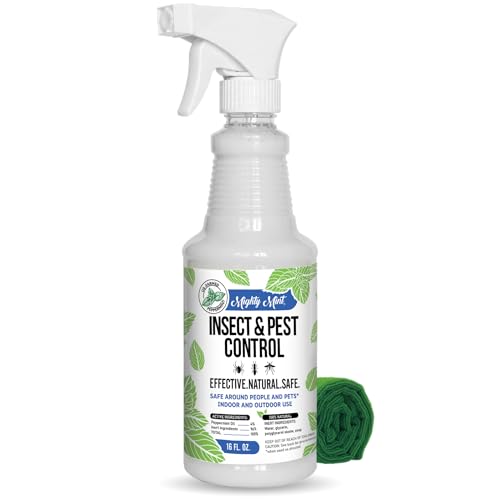
A peppermint plant on your counter smells nice when you rub a leaf, and that’s about where its spider power ends. It won’t create a barrier at a door or window.
If you want to try scent, a peppermint oil spray is the stronger option. A common home mix is 10 to 15 drops of peppermint oil in 16 ounces of water with a drop of dish soap, sprayed on window sills and door frames.
Expect to respray every couple of days. I’d treat it as a small extra, and never spray it on houseplant leaves, since oil can burn foliage.
How to Grow Mint Without Letting It Spread
Mint spreads by underground runners, so give each plant its own pot. I’d use a container at least 8 to 10 inches wide with drainage holes.
- Light: 4 to 6 hours of bright light, such as an east or south window
- Water: Keep the soil lightly moist, but let the top inch dry so gnats don’t move in
- Harvest: Pinch stem tips every week or two to keep plants bushy
- Feeding: Use liquid fertilizer at half strength every 2 to 4 weeks in spring and summer, and little or none from late fall to late winter
Mint grown inside gets leggy in winter. Cut it back by half and it’ll regrow from the base.
Lavender Needs a Sunny Spot
Lavender is the hardest herb here to keep happy indoors, and it needs the brightest window you have. Its sweet scent comes mostly from linalool and linalyl acetate, with some camphor in certain types.
How to Keep Potted Lavender Healthy Indoors
Give lavender at least 6 to 8 hours of direct sun. A south-facing window is best, and I’d add a grow light in Northeast and Pacific Northwest winters. My list of indoor plants that like direct sunlight covers other herbs that fit the same spot.
Lavender wants dry roots. Use a clay pot with a gritty mix (about one part perlite or coarse sand to two parts potting soil) and water only when the top 2 inches are dry.
Indoor heat and still air invite spider mites, which are tiny relatives of spiders that suck leaf sap. Run a small fan nearby, keep the room cool at night, around 50°F to 60°F if you can, and check leaf undersides for fine webbing.
French and Spanish lavender handle pots better than tall English types. Trim off spent flower stems to keep the plant compact.
Is Eucalyptus Practical as a Houseplant?
Eucalyptus works as a houseplant only if you have a very bright room and are willing to prune hard. These are trees by nature, and even smaller types like Eucalyptus gunnii (cider gum) grow fast and want strong sun.
Light, Space, and Care for Potted Eucalyptus
The leaf scent comes from cineole, also called eucalyptol. You’ll smell it when you brush the leaves, though a single plant won’t scent a room.
Here’s what a potted eucalyptus needs:
- Light: Full, direct sun for 6 or more hours, or a strong grow light in winter
- Pot: At least 12 inches wide, with drainage holes, sized up every spring
- Water: Water deeply when the top inch is dry; it dislikes drying out completely and also hates soggy soil
- Pruning: Cut stems back by a third in spring and early summer to keep it under 4 to 5 feet
Leaf drop is the most common problem. It usually means too little light or a sudden move, so place it in its sunniest spot and leave it there.
Many people move eucalyptus outside for summer. It’s hardy in roughly USDA zones 8 to 10, so in colder areas bring it back in before the first frost.
Lemon Balm for a Bright Windowsill
Lemon balm is a forgiving mint-family herb that grows well on a bright windowsill. Its lemony smell comes from citronellal and citral, which are related to the scent compounds in citronella oil.
How to Care for Lemon Balm in a Pot
Lemon balm takes 4 to 6 hours of sun and tolerates a little less light than lavender or rosemary. An east or west window works for most homes.
Start with a pot 8 inches wide or larger, because lemon balm fills small pots within one season. Water when the top inch feels dry and empty saucers so roots never sit in water.
Pinch off flower buds as they form. Flowering makes the leaves less fragrant and the plant leggy.
If leaves turn pale in winter, the plant is short on light. Move it closer to the glass, or set it 6 to 12 inches below an LED grow light for 12 to 14 hours a day.
Crushing a few leaves releases a nice scent, but I wouldn’t count on it to move spiders along. Use the leaves for tea instead.
Rosemary Needs More Light Than Most Rooms Provide
Rosemary struggles indoors mainly because most rooms are too dark for it. This Mediterranean shrub grows on sunny hillsides, and its piney smell comes from camphor and cineole.
How to Keep Indoor Rosemary from Declining
Indoor rosemary often looks fine for a month, then slowly browns. These steps keep it going:
- Max out light. Give it 6 to 8 hours of direct sun, or add grow lights for indoor plants for 14 hours a day in winter.
- Water carefully. Let the top inch dry, then water until it drains. Don’t let the whole root ball go bone dry, because rosemary rarely recovers from that.
- Keep it cool. It likes 55°F to 65°F in winter, away from heating vents.
- Move air. Powdery mildew, a white coating on leaves, shows up in still, humid rooms. A small fan helps.
- Prune lightly. Snip stems often, but never cut into bare brown wood.
Rosemary is hardy outdoors in about USDA zones 7 to 10. In the Southeast and Southwest, you can grow it outside all year, which I’d prefer if you have the space.
Basil Is Useful, but Not a Spider Barrier
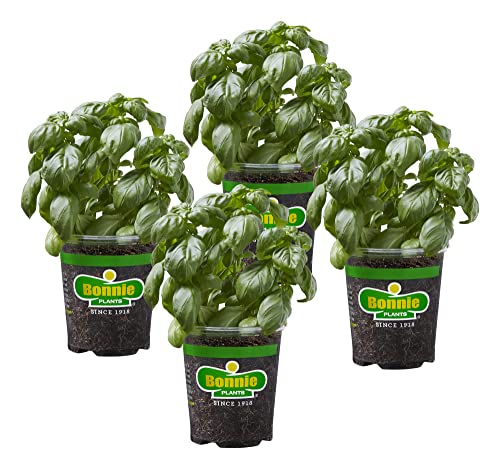
Basil is a great kitchen herb, and that’s the best reason to grow it. Its scent comes from eugenol, which smells like clove, and linalool, the same floral compound in lavender.
Growing Basil Indoors Without Drawing In Gnats
Basil loves warmth, so keep it at 65°F to 85°F and away from cold windows in winter. It needs 6 or more hours of bright light to stay bushy.
Basil wants steady moisture, which is exactly what fungus gnats love. I handle that balance like this: