
The tiny black bugs on indoor plants are most often fungus gnats, followed by thrips, black aphids, and black scale. Fungus gnats hover over damp soil.
Thrips, aphids, and scale stay on leaves and stems, where they suck plant juices and leave marks you can see.
Where you spot the bugs tells you most of what you need to know.
Flying bugs near the soil point to a watering problem, crawlers on leaves need a spray, and jumping specks in the pot are usually harmless springtails you can fix by watering less.
Where Are the Bugs: Above the Soil, on Leaves, or in the Pot?
Start with location: flying insects near the soil are almost always fungus gnats or shore flies, slow insects on leaves are thrips, aphids, or scale, and jumpers or crawlers inside the pot are springtails or soil mites.
A cheap hand lens and a close look at the leaves will confirm the rest.
Flying Around the Soil: Check for Fungus Gnats or Shore Flies
If small dark flies rise when you water or bump the pot, I’d bet on fungus gnats. They’re weak fliers with long legs, and they look like tiny mosquitoes.
Shore flies look similar but are stockier, with short antennae and faster flight. They tend to sit on the pot rim or leaves. Both point to soil that stays wet too long.
Moving on Leaves or Stems: Look for Thrips, Aphids, or Scale
Bugs on leaves are the ones that hurt your plant. Here’s how they differ:
- Thrips: thin, slender, and dark, often on leaf undersides or flowers.
- Aphids: soft, pear-shaped, and packed in clusters on new growth.
- Scale: round bumps stuck to stems that don’t seem to move at all.
Don’t confuse these with whiteflies or mealybugs, which are white. My guide to tiny white bugs on plants covers those.
Hopping or Crawling in Soil: Check for Springtails and Soil Mites
Poke the soil with a pencil. If tiny specks jump an inch or more, those are springtails.
If they crawl slowly and never jump, they’re soil mites. Both eat fungi and rotting organic matter in the mix, and neither feeds on healthy roots.
How Can a Hand Lens and Leaf Damage Help You Confirm the ID?
A 10x hand lens costs a few dollars and turns black specks into recognizable bugs. Hold it close to a leaf underside in good light.

Then read the damage:
- Silvery streaks with black dots: thrips.
- Sticky, shiny leaves and curled new growth: aphids or scale.
- Fine webbing and tiny pale speckles: spider mites on indoor plants, which can look dark under a lens.
- No leaf damage at all: likely gnats, springtails, or soil mites.
Quick ID Table: Location, Movement, and Damage
This table matches what you see to the most likely bug, so you can pick a treatment fast.
| Bug | Where you see it | How it moves | Damage |
|---|---|---|---|
| Fungus gnats | Hovering over soil | Weak, slow flight | Root harm on seedlings |
| Shore flies | Pot rims, leaves | Fast, direct flight | None to plants |
| Thrips | Leaf undersides, flowers | Crawls, may fly short hops | Silvery streaks, black dots |
| Black aphids | New growth, stems | Barely moves | Curling, sticky honeydew |
| Scale insects | Stems, leaf veins | Adults don’t move | Yellowing, sticky leaves |
| Springtails | Soil surface, saucer | Jumps | None |
| Soil mites | Inside potting mix | Slow crawl | None |
If you’re dealing with something not on this list, my broader guide on how to get rid of bugs on indoor plants covers more pests.
Fungus Gnats: Black Flies Hovering Over Damp Soil
Fungus gnats are the most common black bug in US homes, and the fix is to dry the top layer of soil while treating adults and larvae together. The adults are a nuisance, but the larvae chew roots in wet mix.

What Do Adults and Larvae Look Like?
Adults are about 1/8 inch long, dark gray to black, with long legs and clear wings. UC IPM describes them as delicate, mosquito-like flies that run across the soil.
Larvae are white or see-through worms with shiny black heads, about 1/4 inch long when grown. You’ll find them in the top 1 to 2 inches of damp soil.

A slice of raw potato set on the soil for a couple of days will pull them to the surface.
Why Does Damp Soil Keep Them Coming Back?
Females lay eggs in moist potting mix, and larvae feed on fungi and decaying matter there. Constant overwatering keeps that buffet open.
Peat-heavy mixes, saucers full of water, and pots too big for the plant all keep soil wet. Gnats also spike in fall and winter, when plants use less water but many of us keep watering on the summer schedule.
How Do You Treat Adults and Larvae at the Same Time?
I treat both stages at once, because killing only adults lets the next batch hatch. Here’s my routine:
- Let the top 1 to 2 inches dry before you water again.
- Stick yellow sticky traps in the pot just above the soil to catch adults.
- Add Bti to your watering. Bacillus thuringiensis israelensis is sold as mosquito bits. Steep the amount the label lists in a gallon of water for about 30 minutes, then water with it. Repeat every time you water for 3 to 4 weeks.
- Try beneficial nematodes (Steinernema feltiae) for heavy infestations. Follow the storage directions, since they’re alive.
Bti targets only the larvae of flies such as gnats and mosquitoes, and the EPA considers it very low risk to people and pets.
Thrips: Thin Black Bugs That Scar Leaves
Thrips are slender, fast-breeding insects that scrape leaves, and they take several rounds of treatment because their eggs hide inside leaf tissue. Catch them early and they’re very beatable.
What Does Thrips Damage Look Like?
Look for silvery or bronze streaks with a papery feel. Tiny black dots of droppings often sit right on the scarred patches.
New leaves may come out twisted or stunted. Flowering houseplants such as African violets are frequent targets, and monstera and philodendron get them too.
How Do You Find and Treat Thrips on Leaf Undersides?
Tap a leaf over white paper and watch for moving slivers. Hang blue sticky traps within 2 feet of the plant; blue cards attract thrips better than yellow ones.
To treat:
- Rinse the plant in the shower, especially leaf undersides.
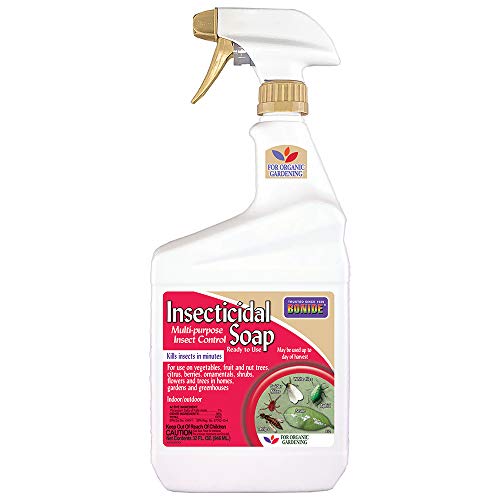
- Spray insecticidal soap spray on all surfaces, including buds and tips.
- Repeat every 5 to 7 days for 2 to 3 weeks.
- For stubborn cases, switch to spinosad, labeled for houseplant use.
Predatory mites such as Amblyseius cucumeris also eat young thrips.
Black Aphids: Clusters on New Growth
Black aphids gather in groups on soft new shoots and buds, and you can clear most colonies with water and soap. They multiply fast, so act the day you see them.
How Do You Recognize Aphids and Their Sticky Residue?
Aphids are soft, pear-shaped, and about 1/16 to 1/8 inch long. Many have two tiny “tailpipes” at the back end.
They drip honeydew residue, a sugary goo that makes leaves feel tacky. Black sooty mold often grows on top of it.
How Do You Remove a Colony Without Damaging Leaves?
I’d start gently:
- Wipe or pinch off clusters with a damp paper towel.
- Rinse the plant with lukewarm water, supporting stems with your hand.
- Spray insecticidal soap, coating every aphid. Soap only works on contact.
- Repeat every 5 to 7 days for 2 to 3 weeks.
Always test soap on a few leaves first and wait 24 hours. More details are in my guide to aphids on indoor plants.
Black Scale: Dark Bumps Attached to Stems
Black scale shows up as hard, dome-shaped bumps glued to stems and leaf veins, and it needs scraping plus repeat oil sprays. Adults hide under a waxy shell, so sprays alone miss many.