
For most homes, the best indoor plants that like direct sunlight are desert and dry-climate plants.
Aloe, jade, echeveria, ponytail palm, bird of paradise, tropical hibiscus, rosemary and Meyer lemon all grow best when sun lands right on their leaves for several hours a day.
If you have an unobstructed south- or west-facing window, I’d start with jade, aloe or a ponytail palm, because their thick, water-storing leaves and trunks handle strong sun and dry indoor air with very little fuss.
The catch is that “likes sun” and “can sit on a hot windowsill in July” aren’t always the same thing. Some plants scorch if you move them too fast, and a few popular picks only tolerate sun.
Matching the plant to your window, then easing it into stronger light, keeps the leaves green and free of crispy brown patches.
What Does Direct Sun Mean Inside Your Home?
Direct sun indoors means the sun’s rays pass through the glass and land straight on the leaves, casting a sharp, crisp shadow.
Window direction, the glass itself, the time of year and where you live in the US all change how strong that light is, which is why the same plant can thrive in one room and sulk in another.
Here’s how I sort indoor light:
| Light type | Where you find it | Good fit for |
|---|---|---|
| Direct sun | Sunny south or west window, sun on the leaves | Cacti, succulents, citrus, herbs, hibiscus |
| Bright indirect light | Near a window but out of the sun’s rays | Croton, snake plant, most tropical foliage |
| Low light | North window or deep in a room | Plants that tolerate shade |
If your brightest spot is a north window, look at indoor plants that don’t need sun before buying sun-loving indoor plants.
How Do South- and West-Facing Windows Differ?
A south-facing window gives the most hours of sun in most US homes. In winter, the low sun shines deep into the room for much of the day.
In summer, the sun rides higher, so the light hits the sill strongly but reaches less far into the room.
A west-facing window gets sun from early afternoon until sunset. That afternoon sun is hotter because the room has been warming all day. I think of west windows as the toughest test, since heat and light hit together.
East windows get gentle morning sun. They suit plants that want some direct light without the afternoon blast, like croton or snake plant.
Why Do Glass, Seasons, and Latitude Change the Light?
Window glass filters sunlight, and light through a window can be half as strong as the same sun outdoors. Screens, low-E coatings, dirty glass and trees outside cut it further.
A plant two or three feet back from the glass gets far less light than one on the sill.
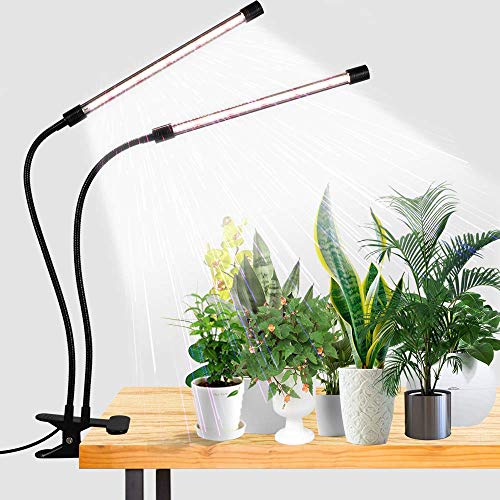
Seasons swing things a lot. In the Northeast and Midwest, December days are short and the sun is weak, so even a south window may not keep sun-lovers growing. Many people add grow lights for indoor plants from November through February.
Latitude matters too. A south window in Phoenix or Miami is far more intense than one in Minneapolis or Seattle. If you live in the Southwest or Southeast, expect to pull plants back from the glass in summer.
Cacti and Succulents for the Sunniest Sills
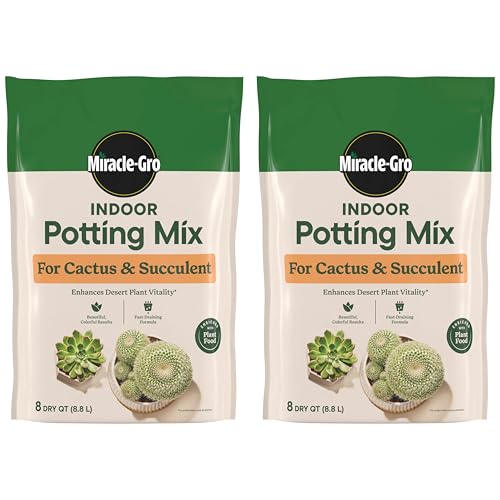
Cacti and succulents are the easiest plants for direct sun because they store water in thick leaves and stems. Most want at least 4 to 6 hours of sun, fast-draining soil and long dry spells between waterings.
A few rosette types and grafted cacti need a little protection.
Aloe, Jade, and Echeveria for Strong Direct Light
Jade plant is my top pick for a south window. Given plenty of sun, its leaves often get red edges, and it grows into a sturdy little tree over the years.
Aloe vera likes bright sun but can turn orange or brown if moved straight from a store shelf into hot afternoon light. Ease it in, and it stays plump and green-gray.
Echeveria needs the most light of the three. In too little sun, it stretches and loses its tight rosette shape.
Barrel cactus and the African milk tree also love a sunny south sill. Crown of thorns takes full sun and will flower off and on most of the year.
Trailing Succulents and Cacti That Need a Closer Look
Burro’s tail and string of pearls want bright light, but their beads and leaves can shrivel and bleach against hot glass. I hang them a foot or two back from a south or west window.
Kalanchoe grows compact and colorful in sun, though it needs long, dark nights in fall to set new flowers. Moon cactus and coral cactus are grafted plants.
The colorful top lacks chlorophyll, so it burns more easily than a regular cactus. Give them bright light with some shade at midday.
Which Rosettes Need Protection from Afternoon Sun?
Haworthia, including zebra haworthia and haworthia cooperi, grows in partial shade in the wild. Full afternoon sun turns them red-brown and dull. An east window or a spot just off a south sill suits them better.
Aeonium and tree aeonium like sun but slow down and drop leaves in summer heat. Hens and chicks handle strong light well but want cool nights to look their best. For all these rosettes, I’d skip a west window in July.
Ponytail Palm and Yucca for Sunny Floor Space
Ponytail palm and yucca are the two best floor plants for a sunny room. Both take some direct sun and dry air, and neither is a true palm. They differ in growth speed and pet safety.
How Much Sun Can a Ponytail Palm Take?
A ponytail palm handles full sun once it’s used to it. I place it within 3 to 5 feet of a south or west window. Its swollen base stores water, so it goes 2 to 4 weeks between drinks.
It grows slowly, adding only a few inches a year. It’s also listed as non-toxic to dogs and cats by the ASPCA, so it’s one of my favorite picks for pet homes.
Don’t mix it up with the sago palm, which the ASPCA lists as highly toxic to pets, especially the seeds.
Where Should You Place a Yucca Cane?
A yucca cane wants your brightest spot. In dim rooms, it stretches toward the window and drops lower leaves. Put it right beside a south or west window and turn it every few weeks so it grows straight.
Yucca grows faster than a ponytail palm and can reach 5 to 8 feet indoors. The stiff, pointed leaves can poke kids and pets, and the ASPCA lists yucca as toxic to dogs and cats.
Bird of Paradise for a Bright, Spacious Room
Bird of paradise needs the brightest light in your house and some direct sun to grow well. Strelitzia reginae, the orange-flowering type, handles full sun to partial shade.
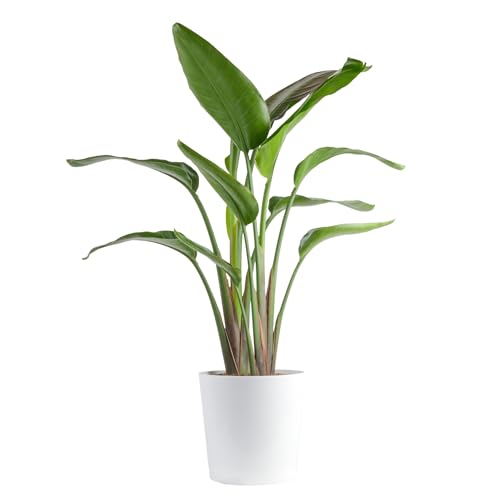
The giant white bird of paradise, Strelitzia nicolai, prefers bright light and is the big leafy one sold for corners.
Place it close to a south or west window, but keep leaves from pressing against hot glass. Increase direct sun over 1 to 2 weeks if it came from a dim store.
Pale tan patches on the leaves facing the window mean it got too much too fast.
A few tips I follow:
- Water when the top 2 inches of soil feel dry.
- Keep it above 60°F and away from cold drafts.
- Expect flowers only on mature reginae plants in very bright spots.
- Wipe the big leaves monthly so dust doesn’t block light.
Split leaves are normal and help the plant handle wind in the wild. People often compare it with the fiddle-leaf fig, but the fig prefers bright indirect light and scorches more easily in afternoon sun.
The ASPCA lists bird of paradise as toxic to dogs and cats.
Croton for Color, with Limits on Afternoon Heat
Croton needs bright light to keep its red, orange and yellow colors, but harsh midday and afternoon sun bleaches them. It’s a good fit for a sunny room, set a few feet back from the hottest glass.
How Do You Keep Croton Leaves Colorful?
Give croton 4 to 6 hours of bright light. An east window is ideal. In a south window, pull it 2 to 3 feet back in summer. If new leaves stay plain green for a month, move it closer to the light.
If older leaves fade to a washed-out tan, the sun is too strong. A sheer curtain fixes that.
Croton also drops leaves when it gets chilled, so keep it away from drafty doors and AC vents and above 60°F. The sap irritates skin, and the ASPCA lists croton as toxic to pets.
Crotons are prone to spider mites in dry winter air. Check leaf undersides for fine webbing, and see my guide to spider mites on indoor plants if you spot them.
Which Other Foliage Plants Prefer Filtered Sun?
Ti plant shares croton’s love of bright light and bold color. Morning sun keeps its pink and red leaves bright. China doll plant likes bright filtered light and drops leaves if moved often.
Dracaena and dragon tree (Dracaena marginata) handle a little direct morning sun, but hot afternoon light brown their leaf tips. I keep them near an east window or a few feet back from a south one.
Hibiscus and Other Flowers for Sunny Windows
Tropical hibiscus is the best flowering houseplant for a sunny window, and it blooms only with several hours of direct sun. Geranium shares its love of light, while jasmine and gardenia want a softer setup.
What Helps Tropical Hibiscus Bloom Indoors?
Tropical hibiscus, also called Chinese hibiscus or Hibiscus rosa-sinensis, wants a south or southwest window with at least 4 to 6 hours of direct sun. Each flower lasts about a day, but a healthy plant keeps making buds through spring and summer.
It drinks more than succulents. Water when the top inch dries, and don’t let the pot dry out completely while it’s blooming. Bud drop usually means a dry spell, a cold draft or a sudden move. Prune in late winter to keep it bushy.
Hibiscus is a magnet for aphids and whiteflies, so check new growth weekly. The ASPCA lists tropical hibiscus as non-toxic to pets.
Can Geranium, Jasmine, and Gardenia Share the Same Spot?
Geranium can share a hibiscus window. It wants full sun and soil that dries a bit between waterings. The ASPCA lists geranium as toxic to cats and dogs.
Jasmine likes a few hours of direct sun but appreciates a cooler room in fall to set buds. Gardenia is the fussiest.
It wants bright filtered light, steady moisture, acidic s