Snake Plant vs ZZ Plant

Looking for the perfect low-maintenance houseplant?

Snake plants and ZZ plants are two popular choices that thrive even when neglected. These resilient plants have gained a reputation as the kings of low-maintenance greenery for busy or forgetful plant owners.

Snake plants are more tolerant of neglect and lower light conditions, while ZZ plants need slightly more frequent watering.

Though both can survive in dim spaces, neither will truly thrive without some indirect light.

The snake plant (Sansevieria) comes in more varieties than the ZZ plant, giving plant lovers more options for different looks and sizes.

Both plants make excellent choices for beginners or those with challenging light conditions in their homes.

They can survive weeks of neglect and still maintain their attractive appearance, making them ideal companions for those who travel frequently or simply forget to water their plants.

Overview of Snake Plant and ZZ Plant

Snake Plants and ZZ Plants have earned their reputation as the champions of low-maintenance houseplants.

Both thrive in less-than-ideal conditions and offer striking visual appeal with minimal care requirements.


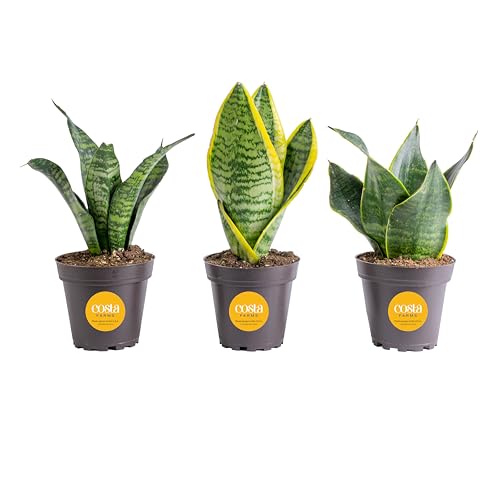
Costa Farms Premium Live Indoor Snake Sansevieria Floor Plant Shipped in Décor Planter, 2-Feet Tall, Grower's Choice, Green, Yellow

Basic Characteristics of Snake Plant

Snake Plants (Sansevieria) feature tall, upright leaves with distinctive patterns and sharp points. These hardy plants grow in a rosette pattern with stiff, sword-like foliage that can reach 1-4 feet tall depending on the variety.

Native to West Africa, Snake Plants tolerate neglect exceptionally well. They prefer indirect light but adapt to low light and can handle direct sun for short periods.

Snake Plants require minimal watering—once every 2-4 weeks is typically sufficient.

Overwatering is their main enemy, so it’s better to underwater than overwater.

Their air-purifying abilities are notable, as they convert carbon dioxide to oxygen at night, making them excellent bedroom companions. Snake Plants are also known for removing toxins like formaldehyde from indoor air.

Check out How to Care for Snake Plants

Basic Characteristics of ZZ Plant

ZZ Plants (Zamioculcas zamiifolia) showcase glossy, dark green leaves arranged on arching stems that grow from a thick rhizome. Their waxy foliage gives them an almost artificial appearance that many find attractive.

Originally from Eastern Africa, ZZ Plants are drought-tolerant and can survive with minimal attention. They handle low-light conditions beautifully, making them perfect for offices and dim corners.


Nature’s Way Farms ZZ Plant, Zamioculcas Zamiifolia, Indoor, Outdoor, Live Houseplant, in Grower Pot (25-30 in. Tall)

ZZ Plants need infrequent watering—about once a month in most conditions.

Their underground rhizomes store water, allowing them to withstand long periods without moisture.

These plants grow slowly but steadily, usually reaching 2-3 feet in height and width. They rarely flower indoors and require repotting only every few years when they become root-bound.

ZZ Plants also purify air, but should be handled with care as all parts contain calcium oxalate crystals that can cause skin irritation.

Check out Why Is My ZZ Plant Turning Yellow

Optimal Growing Conditions

Both snake plants and ZZ plants are known for their adaptability to various environments.

These indoor plants have different preferences for light exposure and watering schedules that affect their growth and appearance.

Light Requirements for Snake Plant and ZZ Plant

Snake plants thrive in bright indirect light but are remarkably adaptable to lower light conditions. They can survive in dim corners where other plants would fail.

However, they grow faster and develop stronger leaf coloration when placed in medium to bright indirect light.

Too much direct sunlight can scorch their leaves, causing brown spots or edges. In very low light, snake plants will survive but grow more slowly.

ZZ plants also tolerate low light exceptionally well. They can grow in offices with only fluorescent lighting or in rooms with minimal natural light.

Like snake plants, ZZ plants perform best in bright indirect light.

Neither plant should be placed in harsh, direct sunlight for extended periods.

Both can adapt to artificial lighting, making them perfect for offices or rooms with few windows.

Watering Needs and Soil Preferences

Snake plants prefer a “drought then drench” watering approach. Allow the soil to dry out completely between waterings – typically every 2-4 weeks depending on conditions. During winter, they need even less water.


Live Snake Plant, Sansevieria trifasciata Superba, Fully Rooted Indoor House Plant in Pot, Mother in Law Tongue Sansevieria Plant, Potted Succulent Plant, Houseplant in Potting Soil by Plants for Pets

Signs of overwatering include:

  • Yellowing leaves
  • Soft, mushy stems
  • Root rot

ZZ plants have similar watering needs but can tolerate drought even better than snake plants.

Water only when the soil is completely dry, approximately every 3-4 weeks.

Both plants prefer well-draining soil.

A cactus or succulent mix works well, or regular potting soil amended with perlite or sand.

Good drainage is essential to prevent root rot.

Neither plant requires frequent repotting or fertilizing. A diluted houseplant fertilizer applied once every 3-6 months during the growing season is sufficient.

Check out Why Is My ZZ Plant Not Growing

Maintenance and Care

Both Snake Plants and ZZ Plants have earned their reputation as low-maintenance houseplants.

These sturdy plants forgive occasional neglect and thrive with minimal attention, making them perfect for busy people or beginners.

Routine Care for Healthy Growth

Watering: Snake Plants need water only when soil is completely dry. This might mean watering once every 2-3 weeks in summer and even less frequently in winter.

ZZ Plants require slightly more frequent watering—when the top inch of soil dries out.

Light: Both plants tolerate low light conditions but grow best in bright, indirect light.

Snake Plants can handle more direct sunlight than ZZ Plants, which may burn in intense direct light.

Soil: Use well-draining potting mix for both plants.

A cactus or succulent mix works well, or add perlite to regular potting soil to improve drainage.

Fertilizing: Feed lightly during growing season (spring and summer) using diluted houseplant fertilizer. Apply once every 2-3 months.

Both plants grow slowly and don’t need much fertilizer.


Costa Farms ZZ Live Indoor Tabletop Plant in 6-Inch Grower Pot

Common Issues and Solutions

Overwatering: The most common problem for both plants.

Signs include yellowing leaves, soft stems, and root rot.

Solution: Allow soil to dry completely between waterings and ensure pots have drainage holes.

Pest Problems: Snake Plants rarely attract pests. ZZ Plants occasionally face issues with mealybugs or spider mites. Treat with insecticidal soap or neem oil as needed.

Leaf Issues: Brown tips on Snake Plants usually indicate too much direct sun or fluoride in water. Yellow leaves on ZZ Plants typically signal overwatering.

Growth Problems: Stunted growth in either plant often means they need repotting.

Both plants prefer to be root-bound, so repot only every 2-3 years or when roots grow through drainage holes.

Check out Do ZZ Plants Like Humidity?

Aesthetic and Design Considerations

When choosing plants for your home, both Snake Plants and ZZ Plants offer distinctive visual elements that can enhance your space.

Their unique appearances create different moods and can complement various interior design styles.

Decorative Aspects of Snake Plants

Snake Plants bring strong vertical elements to any room with their tall, sword-like leaves. Their striking upright growth creates dramatic visual lines that draw the eye upward, making them perfect for corners or as statement pieces.

The bold yellow or white leaf margins on many Snake Plant varieties add a decorative touch that brightens dark corners.


Altman Plants Sansevieria Laurentii Variegated Snake Plants (Approx. 10 in. Tall), Easy Plant, Air Purifying Plant & Desk Plant Decor, Striped Live Snake Plant Live Plants, Indoor Plants & Houseplants

These plants come in various sizes, from small desktop varieties to floor specimens reaching 3-4 feet tall.

Snake Plants work well in minimalist, modern, or bohemian interiors.

Their structured form contrasts nicely with softer furnishings and curved elements in a room.

They look particularly striking in simple, tall planters that highlight their architectural quality.

Decorative Aspects of ZZ Plants

ZZ Plants offer a more rounded, feathery appearance with their glossy, dark green leaves arranged in a distinctive feather-like pattern. Their waxy foliage has a sophisticated sheen that catches light beautifully.

The arching stems create a cascading effect that softens room edges and adds a touch of elegance.

ZZ Plants grow in a naturally balanced way, requiring minimal pruning to maintain their attractive shape.

These plants pair well with contemporary, traditional, and even industrial design styles.


Live ZZ Plant - ‘ZZ Plant’ Zamioculcas zamiifolia - ragnaroc Tropical Plant 6-12” Tall - 1ct - Live Arrival Guaranteed - House Plants for Home Decor & Gift

Their glossy finish adds a touch of refinement to any space.

ZZ Plants look best in mid-sized containers that complement their rounded growth habit.

The rich green color creates a calming atmosphere and provides a perfect backdrop for brighter furniture or accessories.

When grouped with Snake Plants, ZZ Plants create an attractive contrast between upright and arching forms.

Check out 10 ZZ Plant Benefits at Home

Health and Environmental Benefits

Both snake plants and ZZ plants offer significant health advantages beyond their decorative appeal. These plants work silently to improve our living spaces and well-being in several important ways.

Air-purifying Qualities

Snake plants excel at air purification, removing multiple toxins, including benzene, formaldehyde, trichloroethylene, xylene, and toluene.

This remarkable ability has earned them recognition in NASA’s Clean Air Study.

The plant converts carbon dioxide to oxygen even at night, making it exceptional for bedroom placement.

ZZ plants also contribute to cleaner air by filtering certain pollutants, though research suggests their purification capabilities may be less extensive than snake plants.

Both plants help reduce indoor air pollution, which can decrease respiratory issues and allergies.

Peace lilies and spider plants are other excellent air purifiers.

Peace lilies remove ammonia, benzene, and formaldehyde, while spider plants effectively combat carbon monoxide and xylene.

Psychological Effects of Indoor Plants

Indoor plants like snake plants and ZZ plants provide significant mental health benefits.

Studies show these plants reduce stress levels and increase feelings of well-being simply by being present in a space.

Their low-maintenance nature makes them ideal stress-reducers.

Unlike fussy plants that might cause anxiety about their care, these resilient specimens create calm environments without adding pressure.

ZZ plants and snake plants can boost productivity and concentration in work environments.

Their presence may improve focus and creative thinking by connecting people with natural elements.

Both plants enhance room aesthetics without demanding attention, creating visually pleasing environments that promote relaxation.

This subtle beauty contributes to spaces that feel more balanced and peaceful.

Check out How to Propagate ZZ Plant from Leaf?

Propagation and Repotting

Both snake plants and ZZ plants can be propagated at home using simple methods. These tough houseplants also don’t need frequent repotting, making them even more appealing for busy plant owners.


Easy to Grow Zanzibar ZZ Live Plant (2 Pack) - Live Potted Indoor Houseplants in Grower's Pots, Low Maintenance

How to Propagate Snake Plants

Snake plants can be propagated in several ways.

The most common method is leaf cuttings. Cut a healthy leaf into 2-3 inch sections and remember which end was closest to the soil. Plant the bottom end about one inch deep in well-draining soil.

Water propagation is another option. Place leaf sections in a container with just enough water to cover the bottom inch. Change the water weekly to prevent rotting.

Division works well for mature plants. Remove the plant from its pot, gently separate the rhizomes with roots attached, and pot them individually.

Snake plant cuttings may take 1-3 months to root, so patience is key.

Remember that leaf cuttings from variegated snake plants may revert to solid green when propagated.

How to Propagate ZZ Plants

ZZ plants propagate more slowly than snake plants but are still straightforward.

The most reliable method is division. When repotting, carefully separate the plant’s rhizomes, ensuring each section has roots and stems attached.

Leaf propagation is also possible but extremely slow. Remove a healthy leaf with its petiole (stem) intact and place it in water or soil.

Be prepared to wait – ZZ plant leaves can take 6-12 months to develop rhizomes and new growth.

For stem cuttings, cut a healthy stem into 3-4 inch sections. Allow the cuttings to callous for a day, then plant them in well-draining soil. Water sparingly until new growth appears.

ZZ plants develop potato-like rhizomes underground, which store water and nutrients, making them drought-resistant.

When and How to Repot

Both plants should be repotted only when necessary – typically every 2-3 years or when they become root-bound.

Signs it’s time to repot include:

  • Roots growing out of drainage holes
  • Water running straight through without being absorbed
  • Plant becoming top-heavy and unstable

Choose a pot just 1-2 inches larger than the current one with good drainage holes.

Use well-draining soil mixtures – both plants hate soggy roots. A mix of potting soil with added perlite or sand works well.

Spring and summer are ideal repotting times when both plants are actively growing.

Water lightly after repotting and hold off on fertilizing for about a month to allow the plants to adjust to their new homes.


Altman Plants Sansevieria Zeylanica Variegated Snake Plants (Approx. 6" Tall), Easy Plant, Air Purifying Plant & Desk Plant Decor, Low Light Live Snake Plant Live Plants, Indoor Plants & Houseplants

Check out 7 Best Potting Soil for ZZ Plant

Comparison with Other Houseplants

While Snake Plants and ZZ Plants are popular for their low-maintenance needs, comparing them to other common houseplants reveals important differences in care requirements, growth habits, and visual appeal.

These comparisons can help plant owners choose the right additions to their indoor garden.

Snake Plant vs Pothos

Snake Plants (Sansevieria) differ significantly from Pothos (Epipremnum aureum) in structure and growing habits.

Pothos vines trail or climb, while Snake Plants grow upright with stiff, sword-like leaves.

Pothos plants need more frequent watering than Snake Plants, typically requiring moisture when the top inch of soil feels dry.

They also grow much faster, with vines that can extend several feet in a single growing season.

Light requirements show some similarities.

Both plants tolerate low light, but Pothos may become leggy with less variegation in darker conditions. Snake Plants maintain their appearance better in low light.

Propagation methods differ, too.

Pothos propagates easily through stem cuttings in water, while Snake Plants require leaf cuttings in soil or division of rhizomes.

ZZ Plant vs Monstera

ZZ Plants and Monstera varieties represent different maintenance levels and visual statements.

Monstera plants, with their large, fenestrated leaves, create a dramatic tropical look, while ZZ Plants offer a more structured, glossy appearance.

Monstera requires more frequent care, needing regular watering when the top 2-3 inches of soil dry out.

ZZ Plants can go weeks without water, making them more suitable for forgetful owners or frequent travelers.

Light needs differ considerably.

Monsteras prefer bright, indirect light to develop their characteristic leaf holes and splits. ZZ Plants remain healthy even in low light conditions, maintaining their appearance without special lighting.

Size becomes a major consideration.

ZZ Plants stay relatively compact, while Monsteras can grow quite large, sometimes reaching 8 feet tall with proper support and care.

Comparative Maintenance Requirements

When comparing maintenance needs, Snake Plants and ZZ Plants stand out as exceptionally low-maintenance options.

Watering Frequency:

  • Snake Plant: Every 2-6 weeks
  • ZZ Plant: Every 2-3 weeks
  • Pothos: Every 1-2 weeks
  • Monstera: Every 1-2 weeks

Both Snake Plants and ZZ Plants store water in their leaves and stems, allowing them to thrive even when neglected. Other houseplants typically need more consistent care.

Pest resistance also sets these plants apart.

Snake Plants and ZZ Plants rarely attract insects, while Pothos and especially Monstera may deal with spider mites, mealybugs, or scale insects.

Fertilizing requirements remain minimal for Snake Plants and ZZ Plants – just 1-2 times per year is sufficient.

Pothos and Monstera benefit from monthly feeding during the growing season.

Relative Growth Rates and Sizes

Growth speeds vary dramatically among these popular houseplants, affecting how quickly they’ll fill your space.

Approximate Annual Growth:

  • Snake Plant: 1-2 new leaves
  • ZZ Plant: 2-4 new stems
  • Pothos: 12+ inches of vine growth
  • Monstera: 1-2 feet in ideal conditions

ZZ Plants grow horizontally, creating a bush-like appearance over time. Their stems emerge from underground rhizomes, gradually filling their containers.

Snake Plants maintain their vertical orientation throughout their growth cycle. New leaves emerge from the soil line, creating a gradually fuller appearance without spreading much horizontally.

Size containment differs, too.

Pothos vines can be pruned to maintain the desired length, while Monsteras require space to expand. Snake Plants and ZZ Plants stay relatively contained, making them ideal for spaces where growth must be limited.

Check out Why Are My ZZ Plant Leaves Turning Brown?

Snake Plant vs ZZ Plant – Summary

Snake plants and ZZ plants are both popular houseplants known for their low-maintenance requirements. Both thrive in various lighting conditions and require minimal care.

Here’s how these two resilient plants compare:

FeatureSnake PlantZZ Plant
Light TolerancePrefers indirect light but tolerates low lightExtremely tolerant of low light conditions
Water NeedsVery drought-tolerant; can go weeks without waterHighly drought-resistant; needs less frequent watering
Growth RateSlow to moderateSlow
HeightCan reach 2-4 feet tallTypically 2-3 feet tall
ToxicityMildly toxic to petsToxic to pets and humans if ingested
Soil PreferenceWell-draining soilWell-draining soil
Humidity NeedsAdapts to any humidity levelTolerates low humidity well
PropagationLeaf cuttings or divisionLeaf cuttings or division
Distinctive FeatureUpright, sword-like leaves with yellow edges on some varietiesGlossy, waxy leaves on arching stems
Snake Plant vs ZZ Plant

Conclusion

Both Snake Plants and ZZ Plants are excellent choices for indoor gardeners seeking low-maintenance options.

These hardy plants thrive in similar conditions and can survive periods of neglect.

Snake Plants tend to be more tolerant of very low light conditions and can go longer without water.

Their striking vertical growth and various leaf patterns make them distinctive additions to any space.

ZZ Plants require slightly more frequent watering but offer a bushier appearance with their glossy, dark green foliage.

Their arching stems and rounded leaves create a different aesthetic appeal compared to Snake Plants.

Either plant is suitable for beginners or busy plant owners.

Your final choice may depend on your specific lighting conditions, watering habits, and preferred appearance rather than one being definitively “better” than the other.

Both plants rarely attract pests and can thrive for years with minimal care.

Consider displaying them together as complementary pieces in your indoor garden for visual interest and variety.

Check out How to Make Organic Soil at Home for Plants?

Frequently Asked Questions

Snake plants and ZZ plants are popular houseplants with distinct characteristics and care requirements. Here are answers to common questions about these low-maintenance plants.

What are the differences in care requirements between a snake plant and a ZZ plant?

Snake plants require less frequent watering than ZZ plants, often needing water only when the soil is completely dry.
They can tolerate extreme neglect and lower light conditions than most houseplants.
ZZ plants need slightly more regular watering, typically when the top 2-3 inches of soil are dry.
Both plants thrive in indirect light, but snake plants can manage in darker conditions.
Neither plant needs frequent fertilization. A diluted houseplant fertilizer applied 2-3 times per year is sufficient for both.

Can snake plants and ZZ plants be placed together in the same environment?

Yes, snake plants and ZZ plants make excellent companions since they have similar environmental needs.
Both thrive in indirect light and prefer to dry out between waterings.
They also have comparable temperature preferences, doing well in normal household temperatures between 65-80°F. These plants are not competitive with each other and can share space effectively.
The main consideration is ensuring adequate drainage for both plants, as neither tolerates soggy soil.

What are the specific benefits of keeping a ZZ plant in the bedroom?

ZZ plants release oxygen at night, potentially improving air quality while you sleep.
They’re excellent at filtering indoor air pollutants like benzene, toluene, and xylene.
Their low-maintenance nature means they won’t disturb sleep with demanding care needs.
ZZ plants don’t produce pollen or strong scents that might trigger allergies.
The soothing green color and attractive glossy leaves create a peaceful atmosphere conducive to rest and relaxation.

Are there any negative aspects to owning a snake plant?

Snake plants contain saponins, which are mildly toxic if ingested by pets or children.
While rarely causing severe problems, they can lead to gastrointestinal discomfort if consumed.
They can become somewhat invasive in outdoor settings in warm climates, potentially spreading beyond intended growing areas. Some varieties develop sharp points on leaf tips that could cause minor injuries.
Over-watering can easily lead to root rot, which may be difficult to reverse once it begins.

How do snake plants contribute to indoor air quality compared to ZZ plants?

Snake plants are exceptional air purifiers, converting carbon dioxide to oxygen at night while most plants do the opposite.
They effectively remove formaldehyde, benzene, xylene, and trichloroethylene from indoor air.
NASA research has shown snake plants to be more efficient at removing certain toxins than ZZ plants.
Snake plants can filter more air per leaf surface area due to their unique leaf structure.
Both plants contribute positively to humidity levels, but snake plants may release more moisture through transpiration.

What medicinal uses have been associated with ZZ plants?

In some traditional African medicine systems, ZZ plant parts have been used to treat inflammatory conditions like rheumatism.
The sap has occasionally been applied topically for minor skin irritations.
Research suggests ZZ plants contain compounds with potential antimicrobial properties. However, scientific evidence supporting these medicinal uses remains limited.
It’s important to note that consuming any part of the ZZ plant is not recommended, as it contains calcium oxalate crystals that can cause irritation.

You may also like:

vegetable garden ideas

10 Vegetable Garden Layout Ideas