10 Reasons and Expert Solutions Why Is My ZZ Plant Not Growing

ZZ plants are popular indoor foliage plants known for their durability and low maintenance needs. Many plant owners become concerned when their ZZ plants seem to stop growing or show minimal new growth over extended periods. This worry is understandable, as healthy plants should show some signs of development over time.

ZZ plants naturally grow slowly, typically producing only 2-3 new stems per year, and this growth often occurs in spurts rather than continuously. However, several factors can further slow or halt their growth, including insufficient light, improper watering, pot size limitations, and environmental conditions.

1. Check light levels: Ensure your ZZ plant is getting sufficient indirect sunlight.

ZZ plants have a reputation for tolerating low light conditions, but this doesn’t mean they thrive in dark corners.

Many ZZ plants stop growing simply because they aren’t receiving enough light for healthy growth.

Bright, indirect sunlight is the optimal lighting condition for a ZZ plant. This light level supports lush, green growth while maintaining the plant’s vibrant appearance.

Signs of insufficient light include slow or stalled growth, yellowing leaves, and long periods between new shoots. Your plant might look healthy but remain the same size for months or even years if light levels are too low.


6" ZZ Plant Zamioculcas Zamiifolia, ZZ Plants Live House Plants Indoors Live House Plants Indoors, Indoor Plants Live, Real Live Plants Indoor Plants Live Houseplants Live Indoor by Plants for Pets

To improve your ZZ plant’s light exposure, place it near a north or east-facing window. These locations typically provide gentle morning sun or consistent bright indirect light throughout the day.

If you only have access to bright south or west-facing windows, position the plant a few feet away from the window or filter the light with a sheer curtain. This prevents the intense direct sunlight that can scorch ZZ plant leaves.

Room brightness can be deceiving to human eyes. What appears bright to us might not provide adequate photosynthesis for plants. Consider using a light meter app on your smartphone to measure the actual light levels your plant receives.

During winter months when daylight hours decrease, consider moving your ZZ plant to a brighter location. Reduced seasonal light is a common reason for growth slowdowns that many plant owners overlook.

Rotate your plant every few weeks to ensure all sides receive equal light exposure. This promotes balanced growth and prevents the plant from leaning toward the light source.

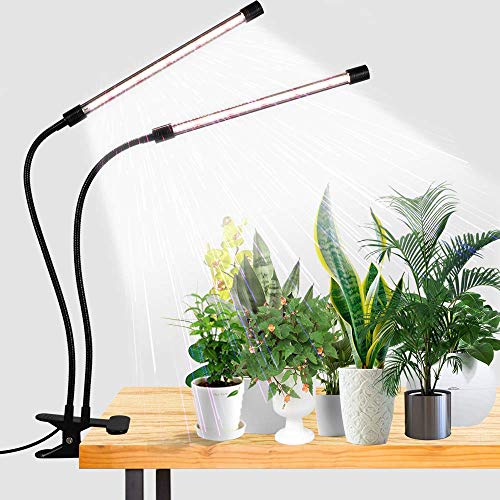
Consider supplementing with grow lights if natural light is limited in your space. LED grow lights positioned 12-24 inches above your ZZ plant can provide the additional light needed for growth.

Remember that while ZZ plants can survive in low light, they won’t actively grow without adequate brightness. Proper light levels will encourage more compact, robust growth and regular production of new stems.

2. Inspect for root rot: Overwatering can lead to root decay

ZZ plants are known for their ability to tolerate neglect and drought conditions. However, one common issue that stops their growth is root rot caused by overwatering.

Root rot occurs when the plant’s roots sit in water for too long. The excess moisture prevents oxygen from reaching the roots, causing them to suffocate and decay.

Yellowing leaves, soft stems, and a general lack of growth are signs of root rot. If you notice these symptoms, it’s time to check your plant’s roots.


Costa Farms ZZ Plant, Live Indoor Houseplant in Modern Decor Planter, Natural Air Purifier in Potting Soil, Gift for Plant Lovers, Birthday Gift, Tabletop Living Room Decor, Desk Decor, 12-Inches Tall

Healthy ZZ plant roots should be firm and light-colored. Rotted roots appear brown, mushy, and may have an unpleasant smell. These damaged roots cannot properly absorb water and nutrients.

To inspect for root rot, carefully remove your ZZ plant from its pot. Gently shake off excess soil to expose the root system. This examination will help you determine the extent of the damage.

If you find rotting roots, you’ll need to take action quickly. Use clean scissors or pruning shears to cut away all affected roots. Make sure to sanitize your tools before and afterward to prevent the spread of disease.

After trimming the damaged roots, let the plant air dry for a few hours. This helps the cut areas callus over before replanting.

When replanting, use fresh, well-draining soil specifically formulated for houseplants. A mix containing perlite or sand can improve drainage.

Choose a pot with drainage holes to allow excess water to escape. Proper drainage is essential for preventing future root rot issues.

Adjust your watering schedule to prevent overwatering. ZZ plants prefer their soil to dry out completely between waterings. In most homes, this means watering once every 2-3 weeks, depending on light and temperature conditions.

The season also affects watering needs. During winter, ZZ plants grow more slowly and require even less water, sometimes only once a month.

When you do water, make sure to empty any water that collects in the saucer beneath the pot. Standing water can contribute to rot problems.

Root rot recovery takes time. Your ZZ plant may not show new growth for several weeks or even months as it rebuilds its root system. Be patient and maintain proper care.

Check out Can ZZ Plant Grow in Water Permanently?

3. Adjust watering schedule: Let the soil dry out completely between waterings

One of the most common reasons a ZZ plant stops growing is improper watering. ZZ plants are drought-tolerant and prefer their soil to dry out completely between waterings.

Overwatering is particularly harmful to ZZ plants. When the soil stays too wet, root rot can develop, preventing the plant from absorbing nutrients needed for growth.


Rare ZZ Plant - Zamioculcas zamiifolia - Hardy House Plant - 6" Pot

To determine if your ZZ plant needs water, stick your finger about an inch deep into the soil. If it feels dry at this depth, it’s time to water. If it’s still moist, wait a few more days before checking again.

The appropriate watering frequency varies with the seasons. During summer, the soil may dry out in 7-10 days, while in winter it might take 2-3 weeks before watering is needed again.

When you do water, make sure to do it thoroughly. Soak the soil completely, allowing water to drain through the bottom of the pot. Empty any water that collects in the saucer to prevent the roots from sitting in water.

Yellowing leaves and drooping stems are signs of overwatering. If you notice these symptoms, reduce your watering frequency immediately.

In contrast, an underwatered ZZ plant may have dry, crispy leaves or show stunted growth. While ZZ plants can tolerate drought, they still need water to grow.

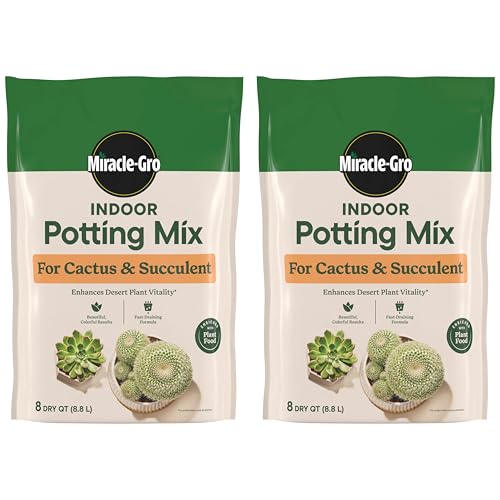
Using a well-draining potting mix can help prevent waterlogged soil. A mix designed for succulents or cacti works well for ZZ plants.

Remember that environmental factors affect how quickly soil dries out. Plants in bright light or low humidity environments will need water more often than those in low light or humid conditions.

Establishing a consistent watering routine based on your plant’s needs, not a strict calendar schedule, will help your ZZ plant thrive and resume healthy growth.

4. Improve soil mix: Use a well-draining potting mix with perlite and orchid bark

ZZ plants need the right soil to grow properly. Poor soil can cause your plant to stop growing or develop other problems. The soil mix should drain well but still hold some moisture.

ZZ plants are similar to succulents in their soil needs. They naturally grow in conditions where water doesn’t stick around too long. Using regular potting soil alone can keep too much water near the roots.

A good mix for ZZ plants includes a base of cactus or succulent soil with additions. Adding perlite increases drainage and prevents water from sitting in the pot. Orchid bark provides air pockets and helps water flow through the soil.


rePotme ZZ Plant Potting Soil - Imperial Houseplant Mix - Mini Bag (2 Quarts) - Great Potting Mix for Indoor Plants

Many store-bought potting mixes are too dense for ZZ plants. These heavy soils can suffocate roots and lead to root rot. When roots are damaged, the plant cannot take up nutrients and stops growing.

To make your own mix, combine two parts of succulent soil with one part perlite and one part of orchid bark. This creates the perfect balance of drainage and moisture retention for ZZ plants.

When repotting your ZZ plant, choose a container that’s only slightly larger than the root system. Too large a pot holds excess soil and moisture, harming growth.

Make sure any pot you use has drainage holes. Even the best soil mix will stay too wet without proper drainage and potentially harm your plant.

The soil may have broken down or washed away if your ZZ plant hasn’t been repotted in 3-4 years. Fresh soil provides new nutrients and a better structure for continued growth.

When repotting, gently loosen the old soil from the roots before placing the plant in fresh mix. This helps the roots make better contact with the new soil and absorb nutrients more efficiently.

After repotting in improved soil, water thoroughly and then allow the soil to dry completely before watering again. This helps the plant establish in its new environment and encourages healthy growth.

Check out Can I Use Cactus Soil for ZZ Plant?

5. Avoid direct sunlight: Too much direct exposure can scorch the leaves

ZZ plants are known for their ability to tolerate low light conditions. However, this doesn’t mean they should be placed in direct sunlight. When ZZ plants receive too much direct sun, their leaves can become scorched or dried out.

The plant’s natural habitat is under the canopy of trees in Africa where it receives filtered light. This explains why ZZ plants prefer bright, indirect light rather than harsh, direct sunlight.

If you notice your ZZ plant’s leaves turning yellow or developing brown, crispy edges, it might be getting too much direct sun. These are classic signs of sun damage on a ZZ plant.

The best location for a ZZ plant is near a north, east, or west-facing window. These positions typically provide adequate bright, indirect light without the harsh afternoon rays that can damage the plant.


ZZ Plant (4" Grower Pot) - Low Light and Healthy Houseplant - Easy to Care, Easy to Grow Houseplant for Beginners - Live Healthy Houseplant for Home Office Decoration - Air-Purifying Indoor Plant

If you only have a south-facing window available, place the plant several feet away from the window or use a sheer curtain to filter the light. This way, the plant still gets brightness without the scorching direct exposure.

Sometimes, moving a ZZ plant just a few feet can significantly improve its growth. If your plant isn’t growing, try relocating it to a spot with brighter indirect light.

Remember that while ZZ plants can survive in low light, they grow better with moderate indirect light. Finding the right balance is key to encouraging new growth without risking sun damage.

During summer months when the sun is most intense, be especially careful about direct sunlight. Even a few hours of direct afternoon sun can cause leaf burn on a ZZ plant.

If you’ve recently moved your plant outdoors or to a brighter location, introduce it to more light gradually. This process, called acclimatization, helps the plant adjust without shock.

Check out Are ZZ Plants Toxic to Dogs?

6. Fertilize sparingly: Apply a diluted houseplant fertilizer during the growing season.

ZZ plants are not heavy feeders. They store nutrients in their rhizomes and can thrive with minimal fertilization.

Over-fertilizing a ZZ plant can cause more harm than good. Too much fertilizer can lead to salt buildup in the soil, which damages the roots and prevents growth.

During the growing season in spring and summer, ZZ plants can benefit from occasional feeding. A balanced liquid fertilizer with equal parts nitrogen, phosphorus, and potassium (like 10-10-10 or 20-20-20) works well.


TPS NUTRIENTS ZZ Plant Fertilizer for All Zamioculcas Plants, Liquid Plant Food 8 oz (250mL)

Always dilute the fertilizer to half the recommended strength. This provides enough nutrients without risking fertilizer burn.

Apply the diluted fertilizer solution only every 6-8 weeks during the active growing months. This schedule gives the plant enough nutrients without overwhelming it.

Stop fertilizing completely in fall and winter. During these months, the plant enters a dormant phase and requires fewer nutrients.

Check your fertilization habits if your ZZ plant has stopped growing. Both under-fertilizing and over-fertilizing can stunt growth.

A slow-release fertilizer can also be useful for ZZ plants. According to the package directions, apply it once at the beginning of the growing season.

New ZZ plants don’t need immediate fertilization. Wait at least 3-4 months after repotting before applying any fertilizer to allow the plant to adjust to its new environment.

Yellow leaves can be a sign of over-fertilization. If this occurs, flush the soil thoroughly with water to remove excess fertilizer salts.

7. Ensure proper pot size: A pot that’s too large can hinder growth

ZZ plants actually prefer to be slightly root bound. A pot that is too large for a ZZ plant can slow down or stop growth completely.

This happens because excess soil holds too much moisture around the roots.

In an oversized pot, the soil takes longer to dry out. This creates conditions that can lead to root rot, which prevents your plant from growing properly.

ZZ plants store water in their rhizomes (underground stems) and don’t need large pots with lots of soil. Their natural growth pattern is to fill their current space before expanding outward.

When repotting a ZZ plant, choose a container that’s only 1-2 inches larger than the current one. This gives roots enough room to grow without drowning them in excess soil.

Signs your ZZ plant’s pot may be too large include soil that stays wet for more than two weeks after watering and a plant that hasn’t shown new growth for several months.


ZZ Plant - 4" from California Tropicals

The ideal pot for a ZZ plant should have drainage holes. This allows excess water to escape and prevents the soggy conditions that harm growth.

If you realize your ZZ plant is in too large a pot, consider downsizing. Carefully remove the plant, trim away any damaged roots, and replant in a more appropriately sized container.

Many experienced plant owners follow the rule of repotting ZZ plants only when they become very rootbound. You might notice rhizomes bulging out of the sides of the pot when it’s time to repot.

Repot your ZZ plant every 2-3 years at most for optimal growth. Some healthy ZZ plants can thrive in the same pot for even longer periods.

8. Consider root-bound benefits: ZZ plants sometimes thrive when root bound

ZZ plants have a unique relationship with being root-bound. Unlike many houseplants that suffer when their roots become crowded, ZZ plants sometimes actually prefer this condition.

Their thick rhizomes and robust root systems can function well in tight spaces.

When a ZZ plant becomes slightly root bound, it may direct more energy toward producing new growth above the soil instead of expanding its root system. This can result in more visible stem and leaf development rather than unseen root growth.

The plant’s natural habitat contributes to this preference. In the wild, ZZ plants often grow in confined spaces between rocks where their roots naturally become somewhat restricted. This has made them adaptable to similar conditions in home environments.

A moderately root-bound ZZ plant might produce more stems and leaves as a survival response. The plant senses limited space below and focuses its growth efforts above the soil surface where there’s room to expand.

However, balance is key. While ZZ plants can thrive when somewhat root bound, extreme crowding will eventually harm them.

The plant cannot absorb enough water and nutrients when the pot becomes completely filled with rhizomes and roots.

Signs your ZZ plant has become too root bound include water running straight through the pot without being absorbed, roots circling the bottom of the pot, or roots growing out of drainage holes. At this point, repotting becomes necessary.

When repotting a root-bound ZZ plant, choose a container just 1-2 inches larger in diameter than the current pot. This provides enough new space for healthy growth without overwhelming the plant with too much soil.

If you notice your ZZ plant hasn’t grown in some time but appears healthy, it might be content in its current root-bound state. As long as it maintains its glossy leaves and sturdy stems, immediate repotting may not be necessary.

Some plant owners deliberately keep their ZZ plants slightly root bound to control their size. This can be a practical approach for maintaining the plant at a manageable size for indoor spaces.

Remember that a healthy, somewhat root-bound ZZ plant will still need proper light and occasional watering. The plant may be comfortable in tight quarters, but it still requires basic care to maintain its health and appearance.

9. Temperature consistency: Maintain stable temperatures, avoiding extreme changes

ZZ plants prefer stable temperature conditions to thrive properly. These plants do best when kept in environments between 65°F and 75°F (18°C to 24°C).

This temperature range mimics their natural habitat and promotes healthy growth.

Sudden temperature changes can significantly stress ZZ plants. When exposed to temperature fluctuations, the plant diverts energy to survival rather than producing new stems or leaves.

Growth stalling often occurs when ZZ plants experience drafty conditions. Keep them away from areas with cold drafts like doorways, windows, or air conditioning vents.

Similarly, avoid placing them near heaters or radiators that create hot spots.

Temperature drops below 60°F (15°C) can considerably slow growth. During colder periods, the plant enters a semi-dormant state, which explains why winter months typically show minimal growth.

Nighttime temperature drops are natural but should not be extreme. For optimal plant health, aim to maintain temperatures that fluctuate no more than 10 degrees between day and night.

Moving ZZ plants between locations with different temperatures can trigger stress responses. If relocating your plant, try to find a spot with similar temperature conditions to minimize adjustment shock.

If your home experiences seasonal temperature variations, consider adjusting care accordingly. During colder months, reduce watering slightly as the plant’s growth naturally slows due to temperature changes.

Air conditioning and heating systems can create artificial temperature swings. Using a room thermometer near your ZZ plant helps monitor conditions and ensures you’re maintaining appropriate temperatures.

10. Humidity control: Moderate humidity levels can prevent stress on the plant

ZZ plants can handle different humidity levels, but they do best when the air isn’t too dry or too wet.

The ideal humidity range for ZZ plants is between 40% and 60%. In this range, the plant can function without extra stress.

ZZ plants might respond by slowing their growth when humidity gets too low. The dry air can cause the tips of leaves to turn brown or the edges to become crispy. This is the plant’s way of conserving moisture.

Too much humidity isn’t good either. Excessive moisture in the air can make the plant more vulnerable to fungal problems. This is especially true if there isn’t enough air circulation around the plant.

Simple solutions can help homes in dry climates or during winter when heating systems dry out the air.

Placing a small humidifier near the plant can add moisture to the air. Grouping plants together also creates a microclimate with better humidity.

Another easy option is a pebble tray. Fill the tray with pebbles, add water just below the top of the pebbles, and place the plant pot on top.

As the water evaporates, it increases humidity around the plant without making the soil wet.

Misting is less effective for ZZ plants because the humidity boost is temporary. If you choose to mist, do it in the morning so leaves can dry before night.

Bathrooms and kitchens naturally have higher humidity levels. If your ZZ plant isn’t growing and your home is very dry, moving it to one of these rooms might help.

Remember that stable conditions are important. Sudden changes in humidity can stress the plant and slow growth. Try to maintain consistent conditions rather than making dramatic adjustments.

Frequently Asked Questions

ZZ plants have specific care requirements that affect their growth patterns. Proper lighting, watering, and soil conditions all play crucial roles in helping these resilient plants thrive.

How can I encourage faster growth in my ZZ plant?

To encourage faster growth in a ZZ plant, provide bright indirect light. ZZ plants grow slowly in low light conditions but can develop more quickly with proper lighting. Consider fertilizing lightly during the growing season (spring and summer) with a balanced houseplant fertilizer diluted to half-strength. Allow the soil to dry completely between waterings to ensure proper watering. Overwatering can harm root development and slow growth.

What are the reasons for a ZZ plant’s stunted growth?

Insufficient light is a common reason for stunted growth. ZZ plants need moderate indirect light to grow properly. Overwatering causes root rot, preventing the plant from absorbing nutrients. Check for soggy soil or yellowing leaves as indicators. Poor soil quality can inhibit growth. ZZ plants need well-draining soil with perlite or orchid bark to prevent compaction. Temperature stress from cold drafts or extreme heat can also slow growth significantly.

How often should a ZZ plant typically develop new shoots?

ZZ plants are naturally slow growers. A healthy plant typically produces only 2-3 new stems per year. Growth tends to occur in spurts rather than continuously. You might notice periods of no visible growth followed by the sudden emergence of new shoots. Seasonal factors affect growth patterns, with most new growth appearing during spring and summer when light conditions are optimal.

What steps should I take if my ZZ plant is not growing after repotting?

Give your plant time to adjust. ZZ plants often experience transplant shock and may pause growth for several weeks or even months after repotting. Check that the pot has adequate drainage holes and isn’t too large. A pot that’s too big can lead to excess soil moisture. Maintain consistent care routines and avoid the temptation to overwater. The plant needs time to establish new roots before focusing on above-ground growth.

What are the signs of an unhealthy ZZ plant, and how can I address them?

Yellowing leaves often indicate overwatering. Reduce watering frequency and ensure the pot has proper drainage. Brown, crispy leaf edges suggest either too much direct sunlight or extremely dry conditions. Move the plant away from harsh light and adjust humidity. Soft, mushy stems point to severe overwatering and potential root rot. Check the roots and remove any black, mushy sections before repotting in fresh soil. Leggy growth with sparse leaves indicates insufficient light. Gradually move the plant to a brighter location with indirect light.

What type of fertilizer is recommended for a thriving ZZ plant?

A balanced, water-soluble houseplant fertilizer with equal NPK ratios (such as 10-10-10) works well for ZZ plants. Apply fertilizer at quarter to half strength to avoid chemical burn to the roots. ZZ plants are adapted to nutrient-poor conditions and don’t need heavy feeding. Fertilize only during the growing season (spring and summer) every 2-3 months. Avoid fertilizing in fall and winter when the plant’s growth naturally slows.

Why Is My ZZ Plant Not Growing

Conclusion

ZZ plants are known for their slow growth, which is normal for this species.

Many factors can affect their growth rate, including light levels, watering habits, pot size, and temperature.

To encourage your ZZ plant to grow, provide bright indirect light and water only when the soil is completely dry.

Ensure your plant has proper drainage and an appropriate pot size.

Fertilize sparingly, only during the growing season.

Check regularly for pests and diseases that might be hindering growth.

Remember that growth spurts in ZZ plants often happen in cycles rather than continuously.

Your plant may be focusing on root development before producing new stems and leaves.

Patience is key with ZZ plants.

With proper care and suitable conditions, a healthy ZZ plant can eventually produce 2-3 new stems per year, though sometimes less.

If all care requirements are met and your plant still shows no growth after several months, consider checking the roots to ensure they’re healthy and have enough space to expand.

vegetable garden ideas

10 Vegetable Garden Layout Ideas