
When a ZZ plant starts falling over, the most common culprit is wet soil that has started to rot the rhizomes and stalk bases.
A ZZ plant falls over most often because overwatering has softened its rhizomes, followed by too little light, a top-heavy clump in a small or light pot, and less often thirst, cold, extra fertilizer, or repotting stress.
The good news is that Zamioculcas zamiifolia is tough, and a leaning plant is rarely a lost cause. Once you check the soil, the stalk bases, and the light, you’ll know which fix your plant needs and whether any stalks are worth saving.
How Can You Tell What’s Making Your ZZ Plant Fall Over?
You can sort out the cause in about five minutes by checking three things: how wet the soil is a few inches down, how firm the stalk bases and rhizomes feel, and whether the stalks are stretched thin or naturally arching.
Each cause leaves a different fingerprint.
Check Soil Moisture Below the Surface
The top inch of soil dries fast and can fool you. Push a finger or a wooden chopstick 2 to 3 inches into the pot, near the edge so you don’t stab a rhizome.
- Wet or cool and damp: suspect overwatering, especially if you watered in the last week.
- Bone dry, pulling away from the pot sides: suspect thirst.
- Dry on top, damp at the bottom: the pot is draining slowly, and rot is still a risk.
If the chopstick comes out with dark, sticky soil and a sour smell, that’s a strong clue the roots are sitting in water.
Feel the Stalk Bases and Inspect the Rhizomes
Gently squeeze each fallen stalk right at the soil line. A healthy base feels firm and plump, like a thick green bean.
A base that feels soft, squishy, or looks dark and wet points to rot. A base that feels hollow, thin, or wrinkled points to dryness.
If several stalks feel off, slide the plant out of the pot and look at the potato-like rhizomes. Firm and pale is healthy; mushy, brown, or smelly means rot.
Compare Weak Growth with a Firm, Naturally Arching Stalk
Older ZZ stalks often lean outward as the clump fills in. That’s normal, and those stalks stay stiff and glossy.
Trouble looks different. Weak stalks are long, thin, pale, and have wide gaps between leaflets. They bend partway up or flop flat. A creased stalk from a bump will fold at one spot while the rest stays healthy.
When Wet Soil Makes Stalks Collapse
Overwatering is the number one reason ZZ plants topple, because soggy soil rots the rhizomes that anchor and feed each stalk.
ZZ plants store water underground, so they need far less than most houseplants, usually only every 2 to 4 weeks indoors once the soil is fully dry.
How to Spot Overwatering and Rhizome Rot
Rot starts out of sight, so the first visible sign is often a stalk that leans for no clear reason. Watch for these clues together:
- Soft, mushy stalk bases at the soil line
- Yellow leaflets, often starting on lower stalks
- Dark spots or water-soaked patches on stems
- Soil that stays wet a week or more after watering
- A musty or rotten smell from the pot
If yellowing is your main symptom, my guide on a ZZ plant turning yellow covers the other causes too. Rot moves fast in cool rooms, so act as soon as a base feels soft.
How to Remove Rot and Repot the Plant
I’d unpot the plant right away. Here’s the process:
- Slide the plant out and gently shake or rinse off the old soil.
- Cut away every soft, brown, or black rhizome and root with clean, sharp shears. Keep cutting until you hit firm, pale tissue.
- Remove any stalk that’s mushy at the base.
- Let the trimmed rhizomes air-dry in a shady spot for a day so the cuts seal.
- Repot in fresh, well-draining soil. I like regular potting mix with a third perlite or pumice, or part cactus mix. My picks for the best potting soil for a ZZ plant are a good starting point.
- Use a pot with drainage holes, and toss old soil instead of reusing it.
- Wait about a week before watering lightly.
Wear gloves for this job, since ZZ sap can irritate skin.
When a Thoroughly Dry Plant Needs Water
A ZZ plant that’s gone months without water will droop because its stored reserves run low. It’s less common than overwatering, but it happens, especially in warm, bright rooms or in summer.
Wrinkled Stalks and Shriveled Rhizomes
An underwatered ZZ plant looks deflated. The stalks may show fine lengthwise wrinkles, and leaflets can curl or turn yellow and drop, starting with older growth.
The soil will be dry all the way down and may shrink away from the pot’s sides. If you peek at the rhizomes, they’ll look shriveled and feel lighter, though they should still be firm. That firmness separates thirst from rot.
How to Rehydrate without Leaving the Pot Soggy
A thirsty plant needs one deep drink, not many small ones. Dry soil can repel water, so here’s how I’d do it:
- Water slowly at the base until water runs from the drainage holes.
- If it runs straight through, set the pot in a sink or tub with 2 to 3 inches of water for 20 to 30 minutes so the soil soaks it up from below.
- Let the pot drain completely, and empty any saucer.
- Wait until the soil is dry 2 to 3 inches down before watering again.
Stalks often firm up within a week or two. My notes on how often to water a ZZ plant will help you set a rhythm so it doesn’t swing back to soggy.
How Too Little Light Produces Leaning Growth
Low light makes ZZ stalks stretch long and thin as they reach for brightness, and those weak stems eventually lean or flop. ZZ plants tolerate dim rooms, but they grow best in medium to bright indirect light.
Recognizing Long, Thin, Stretched Stalks
This stretching is called etiolation. You’ll notice:
- New stalks much longer and skinnier than older ones
- Wide gaps between leaflets
- Paler green color
- Stalks all bending toward the nearest window
- Very slow growth, maybe one new shoot a year
A ZZ plant leaning in one direction, with the rest of the plant healthy and firm at the base, is almost always a light problem.
Moving the Plant to Better Indirect Light
Move the plant within a few feet of an east- or north-facing window, or back from a south or west window behind a sheer curtain. A little morning sun is fine, but direct afternoon sun can scorch the leaflets.
Turn the pot a quarter turn every couple of weeks so it grows evenly. In a dark room, a basic LED grow light on for 10 to 12 hours a day works well.
Stretched stalks won’t shrink, but new shoots will come up shorter and sturdier. My ZZ plant light requirements guide covers placement in more detail.
When Heavy Stalks Outgrow Their Pot
A mature ZZ plant can get so full and heavy that it tips its pot or splays outward, especially in a small, shallow, or lightweight plastic container. The plant itself is often perfectly healthy.
Telling Normal Arching from a Top-Heavy Clump
Healthy older stalks lean out at a gentle angle as new ones push up from the center. That’s normal and needs no fix.
A top-heavy clump looks different. The whole pot wobbles or tips when you touch it, rhizomes bulge at the soil surface or crack the pot, roots poke from drainage holes, and the soil dries out in just a few days.
If the stalks are firm but the plant falls over as a unit, the pot is the problem.
Choosing a Stable Pot without Oversizing It
Go up just 1 to 2 inches in diameter. A pot that’s too big holds extra wet soil around the rhizomes and invites rot.
For stability, I prefer terracotta or glazed ceramic, since the weight anchors tall plants. A wide base helps more than extra depth.
Always pick one with drainage holes. If you love a decorative cover pot, keep the plant in a grower pot with holes inside it and dump any water that collects.
Plan on repotting every 2 to 3 years or whenever rhizomes crowd the pot.
Can Cold Damage or Drafts Make Stalks Droop?
Yes, cold makes ZZ stalks go limp, and it can turn tissue soft and dark. ZZ plants are native to warm eastern Africa and grow best between 65 and 79°F. Below 50°F, they start to suffer.
Recognizing Cold-Stressed Growth
Cold damage often shows up a few days after a chilly night. Look for:
- Stalks that suddenly droop all at once
- Leaflets that turn yellow, brown, or black, sometimes with a glassy look
- Mushy patches on stems, especially on the side facing a window
- Sudden leaf drop
Cold and wet together are the worst combo, since chilly soil stays damp longer and rot sets in faster. Trim blackened or mushy parts, move the plant somewhere warm, and hold off on water until the soil dries.
Protecting Indoor Plants and Outdoor Pots from Chilly Nights
Indoors, keep the plant a foot or more from cold glass in winter, and away from drafty doors and AC vents. Northeast and Midwest windowsills can drop well below room temperature on January nights.
If you put a ZZ plant outside for summer, bring it in before nights fall below 50°F. That can be early September in the Northeast and Pacific Northwest. ZZ plants stay outdoors year-round only in USDA zones 10 to 12, in shade.
Can Too Much Fertilizer Weaken a ZZ Plant?
It can. Extra fertilizer leaves salts in the soil that burn roots, and damaged roots can’t hold stalks up. ZZ plants grow slowly and need very little feeding.
Signs of Fertilizer Buildup
Too much food shows up as:
- Brown, crispy leaflet tips or edges
- A white or yellow crust on the soil surface or pot rim
- Wilting stalks even when the soil is damp
- Soft, floppy new growth
- Sudden leaf drop
These signs often appear after feeding in winter, when the plant is barely growing, or after using full-strength fertilizer.
How to Ease Off Feeding
Stop feeding right away. Then flush the soil: run plain room-temperature water slowly through the pot for a few minutes, about two to three times the pot’s volume, and let it drain fully. Scrape off any crust on top.
Going forward, I’d use a balanced liquid fertilizer at half strength about once a month in spring and summer only, and skip it entirely from fall through winter.
A plant that’s struggling from rot or low light shouldn’t be fed until it’s pushing new growth again.
Why Stalks May Lean after Repotting
Some leaning after repotting is common, because the plant has lost roots and is sitting in loose soil. Most plants settle within a few weeks.
Disturbed Rhizomes and Broken Roots
Pulling a ZZ plant from a tight pot often snaps fine roots and can crack rhizomes. Until new roots grow, the plant can’t take up water well or grip the soil, so stalks droop or tilt.
Fresh, fluffy mix also settles after the first watering, leaving the clump loose. Planting rhizomes too deep or too shallow adds to the wobble. Aim to set the tops of the rhizomes just below the soil surface, about where they sat before.
How to Settle a Loose Plant without Packing the Soil Tight
Press the soil down gently with your fingertips around the base, just enough to remove big air pockets. Packing it hard squeezes out air and keeps the mix wet too long.
Water once lightly to settle the soil, then top off any low spots with a little extra mix. A temporary stake helps a wobbly clump stand straight.
Keep it in bright indirect light, skip fertilizer for a couple of months, and wait until the soil is fully dry before watering again.
How to Support Floppy Stalks Safely
Staking works well for firm stalks that lean from light, weight, or repotting, but it won’t save a stalk that’s rotting or badly creased. Fix the cause first, then use support to buy time while new growth catches up.
When Temporary Staking Helps
Staking makes sense when a stalk is firm at the base but leans or splays. Here’s my approach:
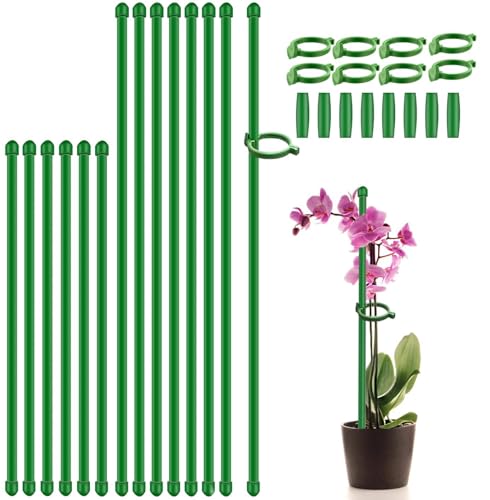
- Pick a bamboo stake or wooden dowel about two-thirds the plant’s height.
- Push it in near the leaning stalk, angled slightly, and stop if you hit a rhizome.
- Tie the stalk loosely with soft plant tape, twine, or a strip of old pantyhose.
- Leave room for a finger between stalk and stake.
For a clump that fans out in every direction, a wire hoop just inside the pot rim corrals the stalks without individual ties.
For a bent but unbroken stalk, a splint made from a chopstick or popsicle stick taped along the bend for 3 to 4 weeks often lets it firm back up.
When to Remove a Creased or Rotting Stalk
Cut a stalk off if it’s mushy, black, or soft at the base, since rot can spread. Remove stalks that are folded sharply or split, too, as those rarely straighten.
Use clean shears and cut near the soil line. An older stalk that yellows slowly over weeks while the rest of the plant looks great is often just aging out; you can leave it to dry or trim it.
Removing damaged stalks doesn’t hurt the plant, since new shoots come up from the rhizomes.
Can You Save a Broken Stalk as a Cutting?
Yes, a healthy broken stalk can root and become a new plant, though it takes patience. Only firm, green tissue is worth the effort.
Choosing Healthy Tissue and Making a Clean Cut
Pick a stalk that’s firm, green, and free of rot or yellowing. A fresh break from a bump or a pet is ideal. Skip anything soft, mushy, or from a plant with rhizome rot.
Put on gloves, then cut straight across below the break with clean, sharp shears, keeping a few inches of firm stem. Let the cut end dry for a few hours so it can seal.
Trim the stub left on the mother plant down to about half an inch above the soil.
If you have pets, keep cuttings out of reach. The ZZ plant isn’t on the ASPCA toxic plant list, but it contains calcium oxalate crystals, and chewing it can cause mouth irritation, drooling, and vomiting.
What to Expect While a Cutting Roots
Set the cut end in 2 to 3 inches of water in a jar, or in barely damp, fast-draining mix. Give it bright indirect light and change the water every week or two.
Roots usually appear in about 1 to 2 months. A small rhizome forms next, and a brand-new shoot can take 6 months or more.
Pot it up once roots reach about 2 inches. My guide on how to grow a ZZ plant from a cutting walks through each stage.
How to Keep New Stalks Growing Upright
Upright growth comes from steady care: water only when the soil is dry, give medium to bright indirect light, and use a stable, draining pot. Small seasonal adjustments make the biggest difference.
Match Watering to Dry Soil and Seasonal Growth
Check the soil before every watering, and only water when it’s dry 2 to 3 inches down. Most indoor ZZ plants need water every 2 to 4 weeks in spring and summer and closer to every 4 to 6 weeks in winter.
Regional climate shifts this. In humid Southeast summers, soil dries more slowly.
In the dry Southwest or in heated winter homes, it can dry faster. Water deeply, let it drain, and never leave the pot sitting in a full saucer.
A watering schedule set by the calendar is the fastest route back to rot.
Maintain Balanced Light, Drainage, and Pot Stability
Keep the plant near a bright window with no harsh afternoon sun, and rotate it a quarter turn every few weeks so stalks grow evenly. In dim rooms, add a grow light before leggy growth starts.
Use a fast-draining mix in a heavy pot with drainage holes, and repot every 2 to 3 years as rhizomes fill the space. Feed lightly in spring and summer only, and keep the plant above 50°F away from drafts.
For the full routine, my ZZ plant care guide covers everything season by season.
Frequently Asked Questions
Will a drooping ZZ plant stem stand back up?
A stem that drooped from thirst often firms up within a week or two after a deep watering. Stems that flopped from low light, creasing, or rot won’t stand back up on their own. Staking can hold a firm stem upright, but rotted stems should come off.
Should I cut off ZZ plant stems that fell over?
Cut them if they’re mushy, black at the base, or sharply folded. Firm stems that only lean can be staked, and healthy broken pieces can be rooted as cuttings. The plant will send up new shoots from its rhizomes either way.
Can overwatering make a ZZ plant fall over?
Yes, it’s the most common cause. Soggy soil rots the rhizomes and stalk bases, so stalks lose support and topple. Unpot the plant, trim rot back to firm tissue, and repot in fresh, fast-draining mix.
Do ZZ plants need to be staked?
Healthy ZZ plants in good light rarely need stakes. Staking helps temporarily for leggy stalks, a top-heavy clump, or a plant settling after repotting. Use soft ties and remove the stake once new growth comes in sturdy.
How do I make my ZZ plant grow straighter?
Give it medium to bright indirect light, ideally from above or close to a window, and rotate the pot every few weeks. Water only when the soil is dry, and use a heavy pot sized just 1 to 2 inches larger than the root clump. New stalks grown in these conditions come up shorter and stiffer.

Hello there! I’m Elsa, and gardening is my passion. As an avid gardener, I created GardeningElsa.com to share my knowledge and experience with fellow enthusiasts. My website is a comprehensive resource for gardeners of all levels, offering expert advice on a wide range of topics, including plants, flowers, herbs, and vegetable gardening. Whether you’re a beginner looking to start your first garden or a seasoned pro seeking to expand your knowledge, GardeningElsa.com has something for everyone. Read more about me.