
Pothos is the plant I’d pick first if you want a room to look full fast.
Golden pothos is the best fast-growing indoor plant for most homes because it handles average indoor light and can trail a foot or more a month in spring and summer when it gets bright, indirect light.
Close behind it are heartleaf philodendron, arrowhead plant, spider plant and tradescantia for shelves and baskets. Monstera, umbrella plant and peace lily fill floor space. All eight are common houseplants, and each one speeds up or stalls depending on the light you give it.
What Does Fast Growth Mean Indoors?
Fast growth indoors means a plant puts out new leaves or longer stems every week or two during the warm months, and light sets that pace more than anything else.
The same plant can double in a bright room and sit still in a dim hallway.
Why Light Sets the Pace
Plants turn light into the sugar they use to build new leaves. Less light means less fuel, so growth slows no matter how much you water or feed.
Most of the fastest-growing indoor plants want bright indirect light. That’s a spot within 3 to 6 feet of an east, west or south window where the sun doesn’t hit the leaves directly for hours.
Indirect light from a north window or the middle of a room keeps most indoor plants alive. It won’t make them race.
That’s why slow growers like snake plant, ZZ plant and Chinese evergreen do so well in dim rooms: they ask for little and grow little.
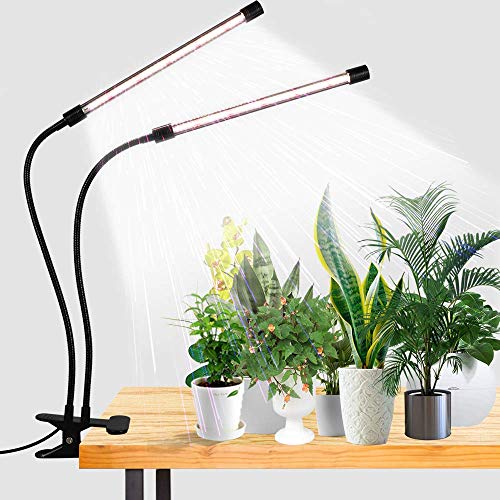
If your room is dark, I’d put a fast grower under a light before I’d add more fertilizer.
What Growth Can You Expect in a Season?
In good light, a healthy pothos or tradescantia can add 6 to 12 inches of vine a month from April through September. Philodendron and arrowhead plant run a little slower, often a few new leaves a month.
Upright plants grow differently. A monstera or umbrella plant might add one large leaf every few weeks, and each leaf takes up far more space than a pothos leaf.
Expect growth to slow from late fall to late winter, when days are short. In the Northeast and Midwest, window light drops sharply from November to February, so a plant that stalls then isn’t sick.
Pothos: Quick-Growing Vines for Shelves and Baskets
Pothos (Epipremnum aureum) is the easiest fast grower to keep happy, and golden pothos is the quickest of the common types. Placement and pruning decide whether you get long bare strings or thick, full vines.

Where to Place Pothos for Longer Vines
Set your pothos near a bright window but out of direct afternoon sun, which scorches the leaves. Hanging baskets and high shelves suit it best, since the cascading foliage has room to fall.
Golden and jade types grow faster than heavily variegated ones like ‘Marble Queen’. Pale, variegated foliage has less green to make food, so those plants need brighter light to keep up.
Keep pothos above 60°F. Cold drafts from a winter window or an AC vent stop growth fast.
When you bring home a live pothos plant, pick one with several stems in the pot. More stems mean a fuller look from day one.
How to Keep New Growth Full
Pothos vines get bare at the top as they stretch. Trim long runners back by a few inches, just above a leaf, and the plant will push new branches from below the cut.
Don’t toss the cuttings. Root 6-inch pieces in water, then plant them back into the same pot to thicken the crown.
Water when the top inch of soil is dry. Soggy soil leads to root rot, which shows up as yellow leaves and limp stems.
Heartleaf Philodendron: An Easy Trailing Choice
Heartleaf philodendron (Philodendron hederaceum) grows as fast as pothos in decent light and puts up with dry indoor air. It’s a smart pick if your pothos keeps getting yellow leaves.
Light and Water for Steady Growth
Give this philodendron bright, indirect light. Leaves around 2 to 4 inches long tell you the light is good; smaller, widely spaced leaves mean it wants a brighter spot.
Let the top inch of soil dry before you water. Its leaves go soft when it’s thirsty and perk up within hours of a drink, which makes it easy to read.
Use room-temperature water. Temperatures below 50°F can damage the plant, so keep it away from cold glass in winter.
Trailing vs. Climbing Growth
Left alone, heartleaf philodendron trails over the edge of a pot or basket. Given a moss pole or small trellis, it climbs, and climbing stems tend to grow larger leaves.
I’d let it trail on a shelf if you want quick coverage. For a taller look, tie stems loosely to a pole and pinch the tips above a leaf to make it branch.
Arrowhead Plant: Fast Foliage That Can Climb
Arrowhead plant (Syngonium podophyllum), also called arrowhead vine, starts as a tidy tabletop plant and turns into a climber as it ages. It fills its pot fast, so plan on more frequent repotting.

How Its Growth Habit Changes
Young arrowhead plants form a compact mound of arrow-shaped leaves. As they mature, stems lengthen and start to vine, reaching 3 to 6 feet.
Leaves on older, climbing stems change shape. They split into more lobes and lose some of their color.
Variegated and pink types want more light than solid green ones. In low light, all types stretch and get leggy.
When to Prune or Add Support
If you like the bushy look, cut long stems back to a leaf node every month or two in spring and summer. The cuttings root in water in a few weeks.
If you want height, add a moss pole and let the plant climb. Repot every year in spring with fresh mix, since arrowhead plants grow bigger when their roots have room.
Spider Plant: Fast Growth Plus Easy-to-Root Plantlets
The spider plant (Chlorophytum comosum) fills a pot quickly and sends out baby plants on long stems. It’s also the only plant on this list the ASPCA lists as non-toxic to cats and dogs.
How to Encourage a Fuller Plant
Put your spider plant in bright, indirect light. It survives in dimmer rooms, but growth slows and you’ll see fewer babies.
Keep the soil evenly moist in spring and summer, never soggy. Brown leaf tips come from dry soil, low humidity or salts in tap water; flushing the pot with plain water every few months helps.
Hanging baskets show off the arching leaves best. Repot about every other year, because the thick roots fill a pot fast.
When to Root the Plantlets
Wait until a plantlet is about 2 inches across and has little root nubs at its base. Then snip it off and set it in moist potting mix.
You can also pin a plantlet into a small pot next to the mother plant and cut it free once it roots. Spider plant babies root so easily that one plant can start a whole windowsill.
Tradescantia: Colorful Stems That Fill Out Quickly
Tradescantia is the fastest trailer here, with stems that can reach 3 feet in one growing season. It needs regular pinching to stay full.
Which Types Work Well Indoors
The most common indoor types are:
- Tradescantia zebrina: purple and silver striped leaves, often sold under the old name wandering jew
- Tradescantia pallida ‘Purple Heart’: deep purple leaves on thick stems
- Tradescantia fluminensis ‘Quicksilver’: green and white variegated foliage
- ‘Nanouk’: pink, green and white striped leaves
Turtle vine (Callisia repens) is a close relative with tiny leaves that also grows fast in baskets. All of these belong to the spiderwort family.
Bright, filtered light keeps the colors strong. In shade, purple and pink fade toward green. Tradescantia is invasive outdoors in parts of the Southeast, so I keep it in pots.
Why Pinching Back Prevents Bare Stems
Tradescantia stems grow long fast and drop their lower leaves, which leaves bare strings hanging from the pot. Pinching off the tips makes each stem branch into two or more.
Pinch every few weeks in spring and summer. Stick the 3- to 4-inch tips in water, and they’ll root in about a week. Plant them back into the pot to fill gaps at the base.
Monstera deliciosa: Big Leaves for a Living Room
Monstera deliciosa, the Swiss cheese plant, fills a room through leaf size more than leaf count. A happy plant puts out a new leaf every few weeks in summer, and each one gets larger than the last.
Light and Space for Larger Leaves
Set monstera near an east or south window with filtered light. Low light gives you small leaves without the famous holes and splits.
Plan for a plant 3 to 6 feet wide indoors. Keep temperatures between 65°F and 85°F, and water when the top 2 inches of soil are dry.
If you want a smaller vine, Monstera adansonii has similar care with much smaller leaves, so it suits a shelf.
Why a Climbing Support Helps
Monstera is a climber in the wild. A moss pole or sturdy stake keeps stems upright and helps the plant grow bigger, more split leaves.
Push the pole in when you repot so you don’t tear roots later. Tie stems with soft ties, and guide the aerial roots toward the pole.
Umbrella Plant: An Upright Choice for Empty Corners
The umbrella plant (Schefflera) is my pick for an empty corner because it grows up and out from a single trunk. Indoors it reaches 4 to 6 feet tall and 3 to 6 feet wide.
There are two common types:
- Schefflera actinophylla: the large umbrella tree, with long leaves fanning out from a central stalk
- Schefflera arboricola: the dwarf type, with 1- to 2-inch leaflets in tight clusters
Both want bright, indirect light. A schefflera in a dim spot gets leggy and floppy, which is your sign to move it closer to a window.
Water deeply once the top inch of soil dries, then let it drain. Yellow, dropping leaves usually point to overwatering or cold. Keep it above 60°F and away from heating vents and drafty doors.
Schefflera bounces back from pruning. Cut leggy stems back in spring, and the plant fills out with new side shoots within weeks. If you want to slow it down, skip a year of repotting and let it get slightly rootbound.
Watch for aphids. They leave sticky honeydew on leaves and the floor below.