
Growing podocarpus from seed works best when you start with a fresh, ripe seed from a female plant, strip off the fleshy stalk, and sow it right away in a warm, airy, evenly moist mix.
To grow podocarpus from seed, sow fresh, cleaned seed about ½ inch deep in a well-drained mix, keep it at 70 to 80°F in bright indirect light, and expect sprouts in 1 to 3 months or longer.
The catch is patience. Podocarpus seed sprouts slowly and unevenly, and the seedlings put on only a few inches in their first year.
If you’re willing to wait, you’ll end up with a whole batch of young evergreens for a hedge, a screen, or a set of patio pots.
Where Do Podocarpus Seeds Come From?
Podocarpus seeds come from female plants that have been pollinated by a male plant growing nearby. Because each plant is either male or female, a seed only forms when both sexes live close enough for wind to carry pollen between them.
Why Do You Need Male and Female Plants?
Male podocarpus plants make small, yellowish, catkin-like pollen cones in spring. Female plants carry tiny seed cones that only turn into a viable seed after pollen reaches them.
A lone female can still form some fruit-like stalks, but without a male nearby the seeds inside are often empty and won’t sprout.
If you’re scouting for seed, look for a female plant in a neighborhood where podocarpus hedges are common, since a male is likely within range.
You can tell a female by the round seeds sitting on fleshy stalks in late summer and fall. Males never carry these. For the seed trays later on, a simple soil moisture meter helps you avoid the soggy mix that rots seeds.
Which Podocarpus Are You Growing?
Several plants share the podocarpus name, and knowing which one you have helps you set expectations for size and hardiness. All of these are evergreen conifers in the Podocarpaceae family.
| Plant | Other names | Typical use |
|---|---|---|
| Podocarpus macrophyllus | Yew pine, Buddhist pine, Japanese yew, plum pine | Hedges, screens, specimen trees |
| P. macrophyllus ‘Maki’ | Chinese podocarpus, shrubby yew | Compact hedges, containers |
| Afrocarpus gracilior (formerly Podocarpus gracilior) | Fern pine | Street and patio tree in zones 10 to 11 |
Podocarpus macrophyllus is native to southern Japan and China, and despite the “Japanese yew” nickname, it isn’t a true yew (Taxus). Fern pine comes from eastern Africa and needs warmer winters.

If the parent is a named, patented cultivar, keep in mind that seedlings won’t match it exactly anyway.
How to Collect Ripe Podocarpus Seeds
Pick podocarpus seeds when the fleshy stalk underneath has turned soft and colored and the seed itself looks plump and dusty blue-green. Timing it right gives you the best shot at seed that sprouts.
What Does a Ripe Seed Look Like?
Each podocarpus “fruit” has two parts. On top sits the round seed, about the size of a pea, often coated with a whitish or bluish bloom. Under it is a swollen, fleshy stalk that ripens from green to purple, red, or deep purple-red.
Ripe podocarpus seeds come away from the branch with a light tug. If you have to pull hard, or the stalk is still hard and green, the seed needs more time. Skip any that look shriveled, cracked, or chewed by insects.
When Should You Collect It?
Most podocarpus seed ripens from late summer into fall, roughly August through October in the Southeast and Gulf Coast. In Southern California and other mild Southwest areas, the window can stretch a little later.
Check the plant every week once the stalks start coloring. Birds love them, so I’d gather seeds as soon as several look ripe.
You can also pick up freshly fallen seeds from under the plant, as long as they’re firm and haven’t been sitting for days in hot sun or wet mulch.
How to Clean Seeds and Keep Them Viable
Clean your seeds the same day you pick them, then get them into soil quickly. Podocarpus seed doesn’t store well, and both the fleshy pulp and drying out work against you.
Remove the Fleshy Stalk and Pulp
Wear gloves for this step. Twist or pinch off the fleshy stalk, then rub away any soft coating on the seed itself.
- Pull the colored stalk away from the base of each seed.
- Soak the seeds in room-temperature water for a few hours to loosen any remaining pulp.
- Rub them gently between gloved fingers or against a kitchen strainer.
- Rinse with clean water and pat them lightly with a paper towel.
- Discard any seeds that float, since those are often empty.
The pulp can hold compounds that slow germination and invite mold, so a clean seed coat gives you a healthier start.
Why Sow Fresh Seed Promptly?
Podocarpus seed loses viability fast once it dries out. Unlike many garden seeds, it isn’t built to sit in an envelope for months.
My advice is to sow within a few days of collecting.
If you must wait, keep the cleaned seeds in a zip-top bag with barely damp sand or peat moss in the refrigerator for no more than a few weeks, and check that the material stays moist.
Which Sowing Mix and Containers Work Best?
A light, well-draining soil in a pot with drainage holes is the best setup for podocarpus seed. The biggest threat at this stage is soggy mix, which leads to rot and root rot in tiny seedlings.
Choose an Airy Mix and Pots That Drain
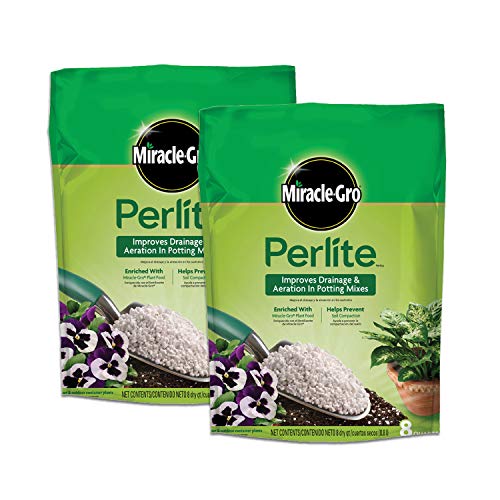
I like a simple blend of 2 parts seed-starting mix or potting mix to 1 part perlite or coarse sand. It holds moisture without staying wet.

If you want more detail on blends, my guide to the best soil for indoor plants covers what each ingredient does.
For containers, use:
- 3- to 4-inch individual pots, one seed per pot
- Deep cell trays or tree-seedling tubes, since podocarpus forms a taproot
- Any recycled pot, as long as it has holes in the bottom
Individual pots are my pick because seeds sprout at different times. You can move each one along on its own schedule without disturbing the others.
How Deep Should You Sow the Seeds?
Press each seed into the mix about ½ inch deep, or roughly its own thickness. Cover lightly so the top of the seed is just hidden.
Water gently until moisture drains from the bottom, then let the excess drip away. Label each pot with the date, since you’ll be waiting a while and it’s easy to lose track.
What Conditions Help Seeds Germinate?
Podocarpus seeds sprout best with steady warmth around 70 to 80°F, even moisture, and bright indirect light. Swings in any of these slow things down.
Keep the Mix Warm and Evenly Moist
A seedling heat mat set near 75°F works well indoors, especially in the Northeast and Midwest where homes run cool in fall and winter. In the Southeast or Southwest, a bright porch or shaded greenhouse bench often stays warm enough on its own.
To keep moisture steady, cover the pots with a clear plastic dome or a loose plastic bag. Open it for a few minutes every day or two to let fresh air in.
Water when the surface just starts to feel dry, and never let pots sit in a saucer of water.
Provide Light Without Harsh Sun
Seeds and new sprouts like indirect light, such as a spot near an east window or a few feet back from a south window. Strong afternoon sun through glass can cook a covered pot.
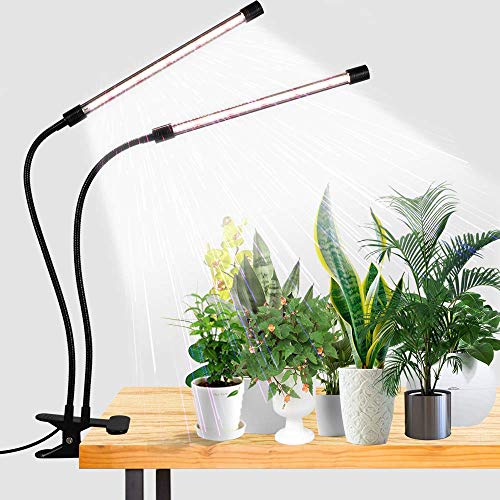
A basic LED grow light hung 6 to 12 inches above the pots for 12 to 14 hours a day is a good choice if your windows are dim. Take the cover off once most sprouts show their first needles.
When Should You Expect Sprouts?
Most podocarpus seeds sprout in 1 to 3 months at 70 to 80°F, though some take longer. Don’t toss a pot just because nothing has happened by week six.
Allow for Slow, Uneven Germination
Seeds from the same plant often come up weeks apart. You might see a root push down first, then a small shoot with a pair of narrow leaves a bit later.
Keep every pot under the same care for at least 4 to 6 months. Cooler rooms, older seed, and seeds that dried out before sowing all stretch the timeline.
What Should You Check If Nothing Sprouts?
If months pass with no growth, gently dig up one seed and look at it. That tells you more than guessing.
- Firm and pale inside: still alive. Rebury it and keep waiting.
- Soft, mushy, or smelly: rotted. Your mix stayed too wet or drained poorly.
- Hollow or dry: the seed was empty, which happens when no male plant was nearby.
- Shriveled: it dried out before or after sowing.
Also check the temperature. A mix sitting below 65°F slows sprouting a lot, so a heat mat often fixes a stalled batch.
How to Care for New Seedlings
Once seedlings appear, your job shifts to steady water, brighter light, and keeping an eye out for problems. Young podocarpus grows slowly, so small changes in care show up gradually.
Adjust Water and Light as Seedlings Grow
Water when the top ½ inch of mix feels dry, then soak until it drains. As roots fill the pot, you’ll water a bit more often. Overwatering is still the most common way to lose podocarpus seedlings.
Move seedlings into brighter light over 1 to 2 weeks, adding a little morning sun if they’re headed outdoors. Start feeding at about 2 to 3 months old with a balanced liquid fertilizer at quarter strength once a month.
My full guide to podocarpus care covers feeding older plants.
Watch for Yellowing and Pests
Some yellowing is normal as the first seed leaves fade. Widespread yellow needles usually point to soggy soil, low nutrients, or too much sun too fast. My post on podocarpus leaves turning yellow walks through each cause.
When growing podocarpus indoors, check the undersides of needles every week or two for:
- Spider mites: fine webbing and speckled, dull needles in dry indoor air
- Scale insects: small brown or waxy bumps along stems
- Aphids and mealybugs: clusters of soft insects or white cottony spots
Sticky residue or black sooty mold means sap-feeding insects are present. Treat with insecticidal soap or horticultural oil, following the label carefully for