
Podocarpus survives cold weather well in the South and along the West Coast, and it struggles once winters get truly hard.
Established podocarpus plants survive outdoors in USDA zones 8 to 11 and handle brief dips to about 10 to 15°F, but young plants and potted roots can be damaged in the low 20s°F.
Podocarpus macrophyllus, sold as yew pine, Buddhist pine, or Japanese yew, is an evergreen conifer from southern Japan and China. It isn’t a true yew.
With the right spot, a little mulch, and a cover on the worst nights, you can keep one green through most US winters in its range, and you’ll know exactly when to step in.
Which USDA Zones Let Podocarpus Stay Outside All Winter?
Podocarpus stays outside year-round in USDA zones 8 through 11 with little help. In zones 9 to 11, I’d treat it as carefree. In zone 8, it handles normal winters but appreciates mulch and a frost cloth during rare deep freezes.
USDA zones are based on the average coldest winter night. Zone 8a averages 10 to 15°F at its coldest, and 8b averages 15 to 20°F. That lines up closely with what an established podocarpus can take.
Check your zone by zip code on the 2023 USDA Plant Hardiness Zone Map, since many areas shifted half a zone warmer from the 2012 map. For basics beyond winter, my guide to podocarpus care covers soil, light, and feeding.
What Changes in Borderline Zone 7b?
Zone 7b averages lows of 5 to 10°F, which sits right at or past the edge of what podocarpus tolerates. Some winters it sails through. Other winters it browns badly or dies back to the ground.
If you’re in 7b, I’d only plant it in your warmest, most sheltered spot. Plan on 3 inches of mulch every fall and a frost cloth ready for any night forecast below 15°F.
A cheap outdoor thermometer near the plant helps you see how cold that exact spot gets.
Why Does a Plant’s Exact Location Matter?
Your yard has warm and cold pockets that can differ by 5°F or more on the same night. Cold air sinks, so low spots and the bottoms of slopes collect it and become frost pockets.
The north and northwest sides of a house run coldest. A south or east wall, a spot under tall trees, or a corner sheltered from wind runs warmer. Tree canopies slow heat loss on clear, calm nights, which raises the low temperature underneath them.
How Cold Is Too Cold for Podocarpus?
Most mature podocarpus start taking real damage once temperatures fall below about 15°F, and nights near 10°F can kill branches or whole plants.

Leaf burn can show up even in the 20s if the cold arrives suddenly or comes with strong wind. How long the cold lasts and which species you grow both shift that line.
Why Is a Brief Freeze Different From a Long One?
A single night at 25°F that warms above freezing by noon rarely hurts an established plant. Several days below freezing are much harder on it. The ground can freeze, roots can’t pull water, and the needles keep losing moisture to dry air.
Timing plays a big part too. Plants harden off when fall cools down slowly over weeks.
A sudden November drop, or a hard freeze after a warm spell in February, does more harm than the same temperature in mid-January. Repeated freezing and thawing, and very fast thawing in morning sun, add to the damage.
How Do Cold-Hardy Podocarpus Varieties Compare?
Podocarpus varieties differ a lot in hardiness, so the label in your hand tells you more than the genus name. Here’s how the common ones stack up.
| Plant | Typical USDA zones | Notes |
|---|---|---|
| Podocarpus macrophyllus (yew pine) | 8 to 11 (7b sheltered) | The most common landscape type |
| ‘Maki’ (Chinese podocarpus) | 8 to 11 (7b sheltered) | Shrubby, dense, about 8 to 10 feet |
| Fern pine (Afrocarpus gracilior) | 10 to 11 | Tender; damaged in the 20s |
| Podocarpus nivalis (alpine totara) | About 7 to 9 | Low, spreading mountain shrub |
Podocarpus nivalis comes from high country in New Zealand and is one of the hardier podocarpus you can buy, but it’s a low groundcover-type shrub.
If you want a hedge or screen in a cool zone, a macrophyllus type is still your best pick. Fern pine belongs in warm coastal areas only.
Why Do Young Plants Need More Cold Protection?
Young podocarpus have small, shallow root systems and thin stems, so they lose water faster and have less stored energy to recover. A freeze that barely marks an older hedge can kill a first-year plant to the soil line.
How Does Establishment Change Freeze Tolerance?
When you’re growing podocarpus from scratch, plan on two to three years before the roots spread well beyond the original root ball. Until then, the plant depends on a small block of nursery soil that dries out and chills fast.
That’s why I’d treat any plant in its first two winters like it’s a half zone less hardy. Damage in the low 20s°F is common on new plantings.
Plants you grow podocarpus from cuttings or seed need even more care, because they stay small for a long time.

Plant in spring or early fall so roots have time to grow before winter. Water deeply every week or two through the first year, and keep a 2 to 3 inch mulch ring over the root zone.
Does Plant Size Tell You How Hardy It Is?
Size is only a rough guide. A tall plant that went in the ground last spring is still a young plant underneath, because its roots haven’t caught up with its top.
Age in the ground and root spread count for more than height. A 3-foot shrub that has grown in place for five years will likely handle a freeze better than a 7-foot nursery tree planted this year.
Tall, open plants also miss out on the heat that radiates from the soil, so their tops burn first.
Why Are Potted Podocarpus More Vulnerable?
Roots in a pot sit above ground with only a thin wall between them and the cold air.
Roots are far less hardy than stems and needles, so a pot can freeze solid on a night the same plant in the ground would shrug off. I’d plan on protecting potted podocarpus below about 25°F.
When Should You Move or Insulate a Pot?
Move pots or wrap them once the forecast shows nights below 25°F. For short cold snaps, these steps help:
- Push pots together against a south or east wall.
- Wrap the sides in bubble wrap, burlap, or an old blanket.
- Set pots on wood or foam to lift them off cold concrete.
- Pile mulch or leaves around the base.
For longer cold or anything below 20°F, move the pot into an unheated garage or shed with a window. My notes on podocarpus in pots cover choosing a container that holds up to winter.
How Should You Water a Container in Winter?
Water when the top 2 inches of soil are dry, which in cool weather may mean every 2 to 3 weeks. A container needs well-draining soil and open drainage holes, since cold, soggy soil is the fastest route to root rot.
Water on a mild day so excess drains before night. Moist soil holds heat better than dry soil, so a pot watered a day before a freeze does better than a bone-dry one.
Empty any saucer so the pot never sits in a puddle of ice.
How Do Winter Wind and Sun Damage the Foliage?
Wind and bright winter sun dry out evergreen needles faster than the roots can replace the water, especially when the ground is cold or frozen. That drying, called desiccation, browns needle tips and edges even when the temperature never gets dangerously low.
What Causes Winter Browning Without a Severe Freeze?
Podocarpus keeps its needles all winter, and every needle keeps losing water. On a sunny, windy day after a cold night, the needles warm up and lose moisture while cold roots take up very little.
The result is tan or bronze tips, often worst on the side facing the wind or the afternoon sun. Plants in dry soil going into winter show it most. Bright sun on frozen needles can also thaw them too quickly, which adds to the burn.
Where Is a Safer Spot to Plant?
I like a spot with morning sun and partial shade in the afternoon, sheltered from the north and northwest. Shaded plants dry out less in winter, and podocarpus grows fine with some shade.
Good choices include:
- The east side of a house or fence.
- Under the edge of tall pines or oaks.
- Behind a hedge or wall that blocks winter wind.
Skip open, exposed corners and low spots where cold air pools.
What Should You Do Before a Freeze?
Water the soil, mulch the roots, and cover the plant to the ground before the coldest night arrives. Good fall habits set the plant up long before any forecast, and skipping them causes much of the damage I see described.
When Should You Water and Mulch?
Water deeply one or two days before a hard freeze, so the soil is moist but not muddy. Wet soil holds and releases more heat than dry soil, and it keeps needles supplied with water.
Lay 2 to 3 inches of shredded bark, pine straw, or leaves over the root zone in late fall. Keep the mulch an inch or two away from the trunk to avoid rot.
After a freeze, check the soil again, because thawed ground often needs water.
How Should You Cover the Plant?
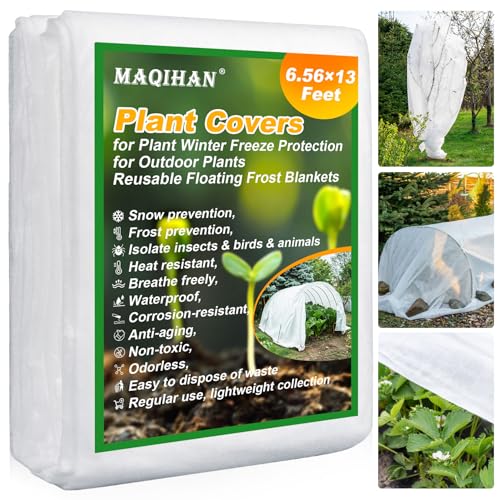
Use a frost cloth, old bedsheet, or burlap that drapes all the way to the ground. The cover traps heat rising from the soil, so a cover that stops at the branches does little.
Use stakes or a frame to keep the fabric off the needles where you can. Weight the edges with bricks. Skip plastic touching the foliage, since it conducts cold. Remove the cover once temperatures climb above freezing the next day so the plant doesn’t overheat.