Thinking about adding lotus flowers to your small backyard pond? These gorgeous aquatic plants can turn a plain water feature into something you’ll want to show off.
Traditional lotus types can grow huge, but you have options. Several dwarf varieties stay compact and won’t take over your limited space.
Dwarf lotus varieties usually max out at 3 feet tall and thrive in containers as small as 12 to 14 inches wide. You still get those iconic flowers and lily pad-like leaves, just in a size that actually fits your pond.
For 2025, we dug into the best small pond lotus picks, including the new “Little Pond Lotus” with its adorable cup-shaped pink blooms. If you want white, yellow, or pink, there’s a compact lotus that’ll bring calm beauty to your backyard water garden—without making everything else look tiny.
What Are Lotus Plants?
Lotus plants are stunning aquatic perennials that add elegance to ponds. People often mix them up with water lilies, but lotus belong to a different genus entirely.
Nelumbo Genus
Lotus plants fall under the Nelumbo genus, which only includes two species: Nelumbo nucifera (Sacred Lotus from Asia) and Nelumbo lutea (American Lotus). The Sacred Lotus pops up in a lot of Asian religious art, especially in Buddhism and Hinduism, and produces large, fragrant flowers in pink, white, or red.
The American Lotus (Nelumbo lutea) grows natively in North America and sports pale yellow blooms. Most lotus you’ll find for your pond are hybrids of these two species, mixing their best features for hardiness, color, and growth habits.
Lotus Versus Water Lilies
Lotus and water lilies look similar at first, but they’re pretty different. The most obvious thing? Lotus leaves and flowers rise above the water on sturdy stems, while water lilies float right on the surface.
Lotus flowers develop seed pods that look a bit like shower heads when they mature. People love using these for dried arrangements. Water lilies, on the other hand, don’t make those cool pods.
Lotus leaves have a waxy coating that makes water bead up and roll off—people call it the “lotus effect.” This self-cleaning trick even inspired some modern water-repellent materials.
Growth Habits
Lotus grow from tubers that spread via rhizomes at the pond bottom. They do best in still water and full sun.
They need space since they can grow pretty vigorously. In winter, the plants go dormant and die back, but the tubers stay alive underwater, safe from the cold.
Once spring returns and the water warms up, new growth starts shooting up. Dwarf varieties stay under 3 feet tall and work well in containers as small as 12-14 inches wide, so even small ponds can host them.
Choosing Lotus Varieties for Small Backyard Ponds
Selecting the right lotus for a small pond involves considering factors such as size, climate, and personal aesthetic preferences. The right choice can make a small water feature pop without it feeling crowded.
Dwarf and Miniature Lotus Options
Dwarf lotus varieties are perfect for little water gardens or containers. ‘Momo Botan’ is a favorite for small ponds since it stays compact and still puts out gorgeous blooms.
Most small lotus varieties have flowers about 4-6 inches across—just right for ponds with limited surface. They won’t take over your entire setup.
Micro or bowl lotus varieties are great for the tiniest spaces and can handle containers as small as 12-16 inches wide. Varieties like ‘Baby,’ ‘Tiny,’ and ‘Little’ series lotus are worth a look if you’re really tight on space.
Color and Flower Types
Lotus flowers come in a wild range of colors, so you can pick something that fits your vibe. White and pink types like ‘Alba Grandiflora’ and ‘Rosea Plena’ are timeless choices.
If you want something bolder, red or two-toned varieties like ‘Red Peony’ and ‘Maggie Belle Slocum’ offer color that shifts throughout the bloom cycle. That’s pretty cool, honestly.
Flower shapes vary too. Singles look simple and natural, while double or multi-petal types like ‘Momo Botan’ get fluffy and dramatic—almost like a peony. In small ponds, the double-flowered ones really stand out.
Cold-Hardy and Tropical Varieties
Climate matters a lot when choosing a lotus. American lotus (Nelumbo lutea) handles cold well, surviving in zones 4-11 if you take care of it.
Tropical varieties bloom like crazy in warmer places, but you’ll need to protect them in winter. ‘Mrs. Perry D. Slocum’ is a good all-rounder—its flowers change color and it can handle some cold.
Definitely check the hardiness zone before buying any lotus. If you’re in a cold area, try to pick something rated at least one zone hardier than where you live, just to be safe.
If you grow lotus in containers, you can bring them inside for winter. This works best with the smaller types that don’t need huge pots.
Popular Lotus Varieties for Compact Spaces
You don’t need a giant pond to enjoy lotus. Plenty of compact varieties bring that classic lotus elegance to smaller water features without taking over.
Space-Saving Lotus Cultivars
‘Momo Botan’ is probably the most popular dwarf lotus right now. It’s prized for its small size and lovely flowers that don’t crowd out everything else.
Small lotus types usually reach just 8-12 inches tall, with leaves only 2-3 inches across. Perfect if you want a lotus in a truly limited space.
‘Green Maiden’ is another great pick. Its moderate growth and sweet flowers add interest without making your pond feel cramped.
‘Beautiful Dancer’ and ‘Blushing Bride’ both give you stunning pink blooms and stay smaller than the usual lotus. Even a modest pond can show off these beauties.
Best Lotus for Container Water Gardens
Dwarf lotus do well in containers as small as 12-14 inches wide. If you can use a bigger container, go for it—roots appreciate the extra room and the plants look better for it.
‘Pink Lady’ and ‘Pink Parfait’ thrive in pots or tubs. You’ll get impressive flowers even in a confined space, which is pretty satisfying for a patio pond.
For the smallest setups, try ‘Rainbow Lotus’ or ‘Space Lotus 36.’ They’re super compact but still have that unmistakable Lotus look.
Keep the water depth in containers at 6-8 inches for dwarf types. That’s enough water for them to grow well, and you don’t need a deep, space-eating pot.
Varieties for Partial Sun Locations
Nymphaea pygmaea ‘Helvola’ does well with just 4-5 hours of sun a day. If your pond gets some shade, this one’s a good bet.
If you’ve got dappled light, check out Nymphaea thermarum. This tiny lotus relative is popping up more at nurseries and handles less direct sun than most.
‘Pink Parfait’ also tolerates partial sun. Its blooms still show up even without all-day sunlight, so it’s pretty versatile.
If you’re planting lotus somewhere shady, lighter-colored flowers generally do better than the darker ones. Worth keeping in mind.
Planting and Caring for Lotus in Small Ponds
Lotus can thrive in small backyard ponds if you set them up right. You’ll need the right container, good soil, and a little ongoing care.
Selecting the Right Container and Soil
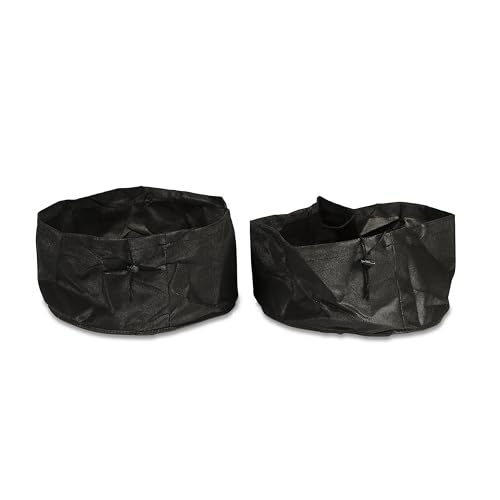
For small ponds, pick a big, wide container with no drainage holes. We suggest at least 16 inches across and 10 inches deep for dwarf lotus. Bigger types need at least 24 inches wide.
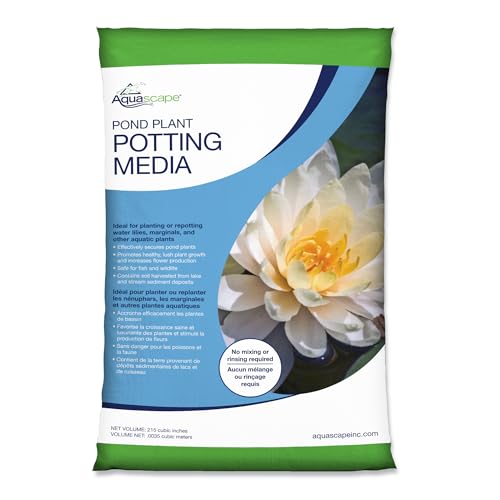
Soil matters a lot. Regular potting soil floats and has too much organic stuff for lotus. Go for heavy loam or a special aquatic mix—something sandy and clay-heavy works best.
When shopping for containers, look for round shapes (roots hate corners), dark colors (helps with algae), and materials that won’t leach toxins (plastic or ceramic is safe). Garden centers often have good options, but honestly, a big plastic tub works too.
Planting Depth and Placement
How deep you plant your lotus makes a difference. Start with 2-6 inches of water over the soil, then increase to 12-18 inches as the plant grows.
Here’s how to plant the tuber:
- Fill the container about two-thirds with soil
- Lay the tuber horizontally and press it gently into the soil
- Cover with 1-2 inches of soil but keep the growing tip exposed
- Add water carefully so you don’t wash everything away
Place your container where it’ll get at least 6 hours of sun each day. Lotus need a lot of light to bloom well.
Wait until the water’s warm—over 70°F—before planting. In colder places, late spring is usually the safest bet.
Maintenance and Fertilization
Lotus is a hungry plant. Use aquatic plant fertilizer tablets and push them into the soil once a month during the growing season. Skip water-soluble fertilizers—they just feed algae.
Keep up with these tasks:
- Remove yellow or damaged leaves
- Thin out extra growth to avoid crowding
- Keep the water level steady
- Watch for pests like aphids
Lotus needs at least three months of warm temps (above 75°F) for best growth and flowers. If you’re in a cold spot, bring containers inside or move them somewhere protected for winter.
In fall, trim away dead leaves, but leave stems attached to the tubers until spring. That helps the plant store up energy for next year. With a bit of care, your nelumbo should keep blooming beautifully every season.
Sunlight, Water, and Pond Requirements
Lotus plants need certain conditions to do well in small backyard ponds. They’re a little picky about sunlight and water, but if you get it right, they’ll reward you with amazing blooms.
Full Sun for Optimal Bloom
Lotus plants love the sun. They need at least 6 hours of direct sunlight daily to bloom well.
In warmer climates, lotus can handle a bit of shade, but honestly, full sun gives the best flowers. Without enough sunlight, you might see leaves but hardly any blooms.
It’s worth putting your small pond in the sunniest spot you can find. If trees or branches are blocking light, try trimming them back to help your lotus thrive.
Even in tight spaces, making sunlight a priority really boosts your lotus’s health and flowering. Sometimes, just a little more sun makes all the difference.
Water Quality and Depth
Lotus do best in containers without drainage holes, filled with heavy loam or aquatic soil. The water should be clean, but it doesn’t have to be perfect.
For backyard ponds, aim for 4-12 inches of water above the soil. Plant lotus tubers horizontally at the bottom of your pond or pot.
Warm water encourages lotus to bloom, which is why they go wild in summer. Small ponds heat up faster, so you might see flowers sooner than in big water gardens.
Changing the water now and then helps keep algae down and nutrients balanced. You can add a small pump or filter, but for lotus in little ponds, it’s not always a must.
Managing Lotus With Other Pond Plants
Lotus can take over if you let them, especially in small ponds. Keeping them contained helps maintain a balanced pond and gives other plants a fighting chance.
Combining Lotus With Submerged Plants
Plants like anacharis and hornwort pair well with lotus. They soak up extra nutrients and help keep water clear.
If you’re mixing these with lotus, place submerged plants away from the lotus container. This way, they don’t get shaded out by those big lotus leaves.
Put submerged plants in their own pots and set them in deeper water. This stops lotus roots from crowding them out.
Coexisting With Water Hyacinth
Water hyacinth floats and can look gorgeous with lotus. The purple flowers really pop against lotus blooms.
Don’t let water hyacinth take over—keep it to about 30-40% of the pond’s surface. It grows fast and will compete for space and nutrients if you’re not careful.
Try putting hyacinth on the opposite side of the pond from your lotus. Both get sunlight, and neither takes over.
Thin out hyacinth often, especially in summer when it goes a bit wild.
Integrating Lotus and Water Lilies
Lotus and water lilies can share a pond, but you’ve got to plan. Both want sun and nutrients, but they like different depths.
Keep lotus in pots so they don’t crowd out lilies. Water lilies like 12-24 inches of depth, while lotus prefer shallower water—less than 3 feet deep is best.
Smaller lotus varieties, like “Momo Botan,” work well with lilies. They keep the pond looking balanced and stop one plant from taking over.
Wildlife, Pests, and Pond Ecosystem Balance
Lotus adds more than beauty—they help create a healthy ecosystem in your pond. These flowers work with other pond elements to keep water quality up and support wildlife.
Lotus With Goldfish and Koi
Lotus makes great companions for goldfish and koi. Their big leaves shade the water, keeping it cooler and giving fish a place to hide from predators.
For ponds with fish, look at dwarf lotus like ‘Mini Crimson’ or ‘Baby Pink.’ These stay compact but still give good coverage.
Important note: Don’t overplant lotus in fish ponds. Koi especially will nibble new shoots, so protect young plants until they’re established.
We usually suggest covering about half your pond with plants to keep oxygen levels right for fish. Fish waste actually feeds lotus, so the relationship works both ways.
Mosquito Control Benefits
Lotus help control mosquitoes by shading the water, so there’s less space for them to lay eggs. When lotus leaves move in the wind, they disturb the water, making it tough for mosquito larvae to survive.
Lotus also attract helpful insects like dragonflies that eat mosquitoes. One dragonfly can eat hundreds a day—pretty impressive, right?
The pond becomes home to other mosquito predators too:
- Water striders
- Diving beetles
- Damselflies
- Predatory midge larvae
Pair lotus with underwater plants like hornwort for even better mosquito control. The submerged plants provide a habitat for these beneficial bugs.
Algae and Water Clarity Management
Lotus act as natural filters, helping keep pond water clear. Their roots soak up extra nutrients—mainly nitrogen and phosphorus—that algae would use to grow.
The shade from lotus leaves blocks sunlight, slowing down algae. In our experience, ponds with 40-60% surface coverage from lotus and floating plants usually have less algae trouble.
Nutrient competition perks:
- Absorbs extra fertilizer runoff
- Uses fish waste byproducts
- Helps stabilize water chemistry
- Reduces need for chemicals
For best results, plant lotus in containers with heavy clay soil. This keeps them from spreading too much and lets them filter the water efficiently.
Remove dead lotus leaves quickly—rotting leaves dump nutrients back into the water and can spark algae blooms.
Where to Buy Lotus Varieties
Finding good lotus plants takes a bit of research. Look for healthy specimens from reputable sources that know what works in small ponds.
Finding Reliable Nurseries
Specialty aquatic nurseries like The Pond Guy, Play It Koi, and Chalily offer lots of lotus options. You’ll find different sizes and colors to fit your pond.
Timing matters—most nurseries ship lotus in spring (March to early May). They stop shipping after May, and the best varieties sell out fast.
Local gardening clubs and online forums can point you to trusted suppliers. Sometimes, regional nurseries carry native lotus that handle your local climate better.
Selecting Healthy Plants
When buying lotus, check for firm tubers with at least one growing tip. Skip any that are squishy, moldy, or damaged.
Dwarf lotus are perfect for small ponds and even do well in patio containers. They give you all the beauty without taking over.
Ask sellers about the plant’s mature size and care needs. Good nurseries provide clear instructions and help you pick the right variety.
Stick with nurseries that guarantee their plants. Lots of aquatic plant sellers will replace lotus that don’t grow if you follow their care tips.
Frequently Asked Questions
Lotus plants make any pond pop, but picking the right ones for small spaces takes some know-how. Here are answers to common questions about growing lotus in backyard water features.
What are the most suitable lotus varieties for small ponds?
Dwarf lotus are best for small ponds. Most stay around 4-6 inches across, so they’re great for tight spots. “Momo Botan” gives you stunning pink double flowers and fits in containers as small as 12-16 inches wide. “Mini Snowflake” offers elegant white blooms that won’t crowd your pond.
How to care for mini lotus plants in confined water spaces?
Mini lotus need 4-6 hours of sun each day. Put them where they get plenty of light but don’t block other plants. Use aquatic plant fertilizer tablets near the roots once a month during growing season. Trim yellowing leaves to keep them healthy and the pond looking neat.
Are dwarf lotus seeds appropriate for compact pond ecosystems?
Dwarf lotus seeds can work in small ponds, but you’ll need patience. Germination can take one to three weeks if conditions are right. Scarify the seed coat first—gently file one end until you see white inside. For quicker blooms, try starting with tubers instead of seeds.
Where can one find micro lotus plants available for purchase?
Specialty aquatic plant nurseries usually have the best dwarf lotus selection. Many sell online and ship during planting season. Local pond shops and garden clubs sometimes carry mini lotus in spring and summer. You might get good local advice from them, too. Online marketplaces like Etsy and eBay occasionally offer lotus tubers, but always check seller reviews and details before making a purchase.
What are ideal conditions to grow lotus in a small pond?
Lotus need full sun—at least 6 hours a day. Even the mini ones need good light to bloom. Plant them in heavy clay loam in containers. Skip potting soil with added fertilizers; it can mess with water quality. Water should stay above 70°F (21°C) for best growth. In cold regions, move the container lotus to a sheltered spot in winter.
What depth is required for cultivating lotus plants in a backyard pond?
A small lotus can grow in 6-12 inches of water above the soil. This makes them perfect for shallow backyard ponds. Use 12-16 inchs pots for dwarf varieties to give roots enough space. Some types will grow in up to 24 inches of water, but they tend to do better in shallower spots. Try “Baby Doll” or “Empress” for the best results in shallow water—they’re made for it.

Conclusion
Picking the right lotus for your small backyard pond can really change the feel of your outdoor space. Micro lotus varieties like N. Autumn in Moling and N. Feicui work well if you don’t have much room.
Lotus plants love to eat and actually thrive with a bit of moving water. That helps them soak up nutrients and just keeps them happier in your pond. Nutrient uptake matters more than you might think.
The American lotus (Nelumbo lutea) pops with yellow blooms, while the Asiatic lotus (Nelumbo nucifera) shows off with pink. Both bring a lot of color and interest to your water garden.
Lotus do more than just look pretty, though. They give shelter to small fish, tadpoles, and other pond creatures, building a little ecosystem right in your backyard.
If you’re working with a small pond, go for a container that fits the space and put it where it’ll get the most sun. With a bit of attention, these aquatic plants can give you gorgeous flowers and maybe even help clear up your water.

Hello there! I’m Elsa, and gardening is my passion. As an avid gardener, I created GardeningElsa.com to share my knowledge and experience with fellow enthusiasts. My website is a comprehensive resource for gardeners of all levels, offering expert advice on a wide range of topics, including plants, flowers, herbs, and vegetable gardening. Whether you’re a beginner looking to start your first garden or a seasoned pro seeking to expand your knowledge, GardeningElsa.com has something for everyone. Read more about me.