
A lotus that suddenly looks half-dead is a scary sight, especially after you’ve waited weeks for those big leaves to show up.
The good news is that the part of the plant that matters most, the tuber, often stays alive long after the leaves look terrible.
Most of the time, a dying lotus plant has one of two problems: it’s heading into normal fall dormancy, or its tuber is rotting from cold, cool water, poor soil, or damaged growing tips. The fastest way to tell which one you’re facing is to gently feel the tuber.
Firm and pale means there’s hope. Soft, dark, and smelly means rot has set in.
Is Your Lotus Dormant or Dying?
Timing is your first clue. Leaves that brown out in fall are part of the lotus life cycle, while leaves that collapse in June or July point to a problem you need to fix.
Normal Fall Dieback vs. Midseason Decline
Hardy lotus (Nelumbo nucifera and Nelumbo lutea) stops blooming toward the end of summer. By late September or October, most plants stop making new leaves, and the old ones yellow, brown, and flop over.
That’s dormancy. The plant is pulling energy from the leaves down into the tubers for next year. I’d leave those leaves alone until they’re fully brown, then cut the stems above the water line.
Never cut a lotus stem below the water. The hollow stems carry air to the roots, and water rushing into a cut stem can rot the tuber.
Midseason decline looks different. Watch for these signs between June and August:
- New leaves come up small, pale, or curled
- Young red or bronze leaves blacken before they open
- The plant stops making standing leaves altogether
- The water smells sour or turns murky
What Do Yellow Leaves and Brown Leaf Tips Tell You?
Yellow leaves on the oldest, outer foliage are a normal aging sign. Yellowing that spreads across new leaves points toward hunger, low light, or root trouble. My guide to lotus leaves turning yellow covers the color patterns in more detail.
Brown leaf tips and crispy edges have a different set of causes. Heat waves can scorch leaves, too much fertilizer can burn them, and minerals building up in the water leave brown edges and spots.
If browning is your main symptom, my post on lotus leaves turning brown goes deeper.
| Symptom | Likely meaning |
|---|---|
| All leaves browning in October | Normal dormancy |
| Old leaves yellow, new ones green | Normal leaf aging |
| New leaves pale and small in July | Hunger or low light |
| Brown, crispy edges | Heat, salt, or overfeeding |
| New leaves blacken and rot | Root or tuber rot |
Is the Lotus Tuber Firm or Mushy?
The tuber tells you more than the leaves do. A healthy lotus tuber is firm, white to tan or light gray, and shaped like a fat banana or a chain of sausages, while a rotting one turns soft, dark, and smelly.
How to Check a Tuber Without Breaking Its Growing Tips
The growing tips on a lotus tuber snap off very easily. Each tuber has only a couple, and if all of them break, it won’t sprout no matter how plump it looks.
Here’s how I’d check one:
- Lift the pot out of the water and set it somewhere shaded.
- Pour off the top water slowly.
- Use your fingers, never a trowel, to loosen soil near the edge of the pot. Lotus runners tend to circle along the pot walls.
- Feel for the tuber and brush soil away gently.
- Press lightly with a thumb along its length.
- Cover it back up with soil and refill the water within a few minutes.
You don’t need to pull the whole tuber out. Seeing and feeling one section tells you a lot.
What Soft Tissue and a Sour Smell Mean
Firm, pale tissue means the tuber is alive, even if every leaf is gone. A small soft spot on one end means rot has started, and you might still save the healthy section.
A tuber that’s dark brown or black, collapses when pressed, and smells sour or like rotten eggs has root rot. That smell comes from bacteria breaking down the tissue in water with little oxygen. A fully mushy tuber won’t recover.
Did Winter Freeze or Dry Out the Tuber?
Winter kills a lot of lotus plants, and it happens in two opposite ways. Either the tuber freezes solid in ice, or it dries out in storage.
How Freezing Water Damages a Lotus Tuber
Hardy lotus grows in USDA zones 4 to 10, but only when the tuber itself never freezes. The leaves can take frost, and the water above can ice over. The tuber cannot turn to ice.
Cold damage shows up in spring as a tuber that feels soft and watery, then darkens and rots within a week or two. Pots on a deck or patio are most at risk because they freeze from every side.
How I’d protect tubers by region:
- Zones 8 to 10 (Southeast, Gulf Coast, much of California): Pots can stay outside.
- Zones 6 and 7 (Mid-Atlantic, lower Midwest, Pacific Northwest): Mulch around above-ground pots, or sink them into a pond.
- Zones 4 and 5 (Upper Midwest, northern New England, Northeast): Lower pots below the frost line in a deep pond, or move them to an unheated garage or basement that stays above freezing.
For more cold-weather detail, see my post on overwintering lotus in cold climates.
How to Keep Dormant Tubers From Drying Out
A tuber stored indoors needs to stay wet. If the soil dries out, the tuber shrivels and wrinkles, and a shriveled tuber rarely wakes up.
Keep the pot in a cool, dark spot around 35 to 50°F. Leave an inch or two of water over the soil, or at least keep the soil soaking wet. Check it every two weeks, because dry indoor air pulls water out fast.
Can the Soil or Planting Method Cause Rot?
Yes, and this is one of the most common reasons a new lotus dies. Light, fluffy soil and buried growing tips both set the stage for root rot.
Why Potting Mix and Organic Soil Cause Trouble
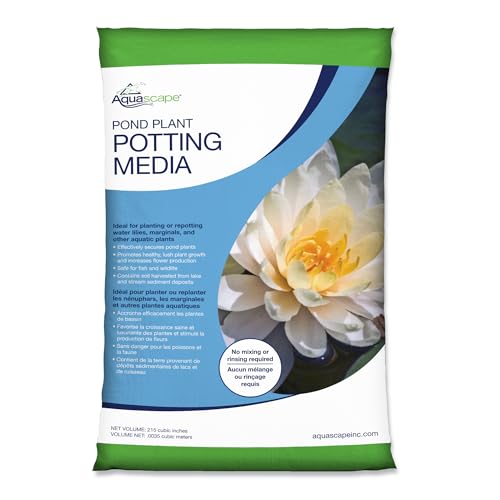
Bagged potting mix is made of peat, bark, and perlite. Underwater, those bits float to the surface and leave the tuber loose. The organic matter also breaks down in still water, uses up oxygen, and feeds the bacteria that cause rot.
I’d plant lotus in heavy clay loam or a bagged aquatic planting soil. Plain garden soil with low organic content works too, as long as it has some clay.
Skip compost and manure in the pot. My guide to the best soil for lotus explains how to judge your own dirt.
Use a wide, round container with no drainage holes. Square corners can trap and crush growing runners.
Why Growing Tips Must Stay Above the Soil
A lotus tuber should sit on top of the soil, mostly uncovered, with its growing tips pointing up and free. Bury the tips deep and they struggle to push through, and the tuber may rot first.
Here’s how I’d plant one:
- Fill the pot with 3 to 4 inches of moist clay soil.
- Lay the tuber on top, tips angled slightly up.
- Press the back end gently into the soil, or set a small rock beside it to hold it down.
- Leave the growing tips uncovered.
- Add water slowly so the tuber doesn’t float away.
Is Your Lotus Getting Enough Sun and Warmth?
A lotus that sits in shade or cold water grows weak, makes few leaves, and burns through its stored energy. Insufficient light and chilly water are two of the quietest causes of decline.
How Much Direct Sun Does a Lotus Need?
Lotus needs at least 6 hours of direct sun a day, and 8 or more is better. In shade, leaves come up thin and yellow, and the plant rarely blooms. Weak sun is also a top reason for why a lotus is not blooming.
Look at your spot at midday in midsummer. If trees, a fence, or the house shade it for half the day, move the pot.
The one exception is the hot desert Southwest. In Phoenix or Las Vegas, afternoon shade cloth helps keep leaves from scorching.
When Is the Water Warm Enough for Spring Growth?
Lotus grows best in water between 75 and 87°F. It needs about three months above 75°F to build strong tubers for winter.
A tuber planted in cold water just sits there. It can rot before it ever sprouts. Wait until nights stay above 50°F and days reach the mid-60s or warmer.

A pond thermometer takes the guesswork out. In spring, I’d keep lotus in shallow water, since 2 inches over the soil warms up far faster than 12 inches.
Setting the pot in full sun on a patio before moving it into the pond also helps it wake up.
Has Your Lotus Run Out of Nutrients?
Lotus is a heavy feeder. A plant in the same pot for two or three years without fertilizer gets weaker each season, with smaller leaves and fewer flowers.

How to Tell Starvation From Normal Leaf Aging
Normal aging hits one or two old leaves at a time. The new leaves stay a strong, healthy green.
Nutrient deficiency looks different. New leaves come up smaller than last year’s. Yellow leaves spread from older growth toward newer growth. Nitrogen shortage turns old leaves yellow from the tip toward the stem. Iron shortage shows as yellow between green veins.
An old, crowded pot often has exhausted soil packed with roots. In that case, divide and repot in early spring, just as leaf spikes appear.
When to Start and Stop Aquatic Fertilizer
Feeding too early is a real risk. In spring, a lotus first makes small floating “coin” leaves, then standing (aerial) leaves that rise above the water. Wait for standing leaves before feeding. Fertilizer on a tiny sprout can burn and kill it.
Once standing leaves appear, push aquatic fertilizer tablets deep into the soil near the edge of the pot. I’d feed every 3 to 4 weeks, following the label for your pot size. Stop by late August so the plant can wind down for dormancy.
More detail on products and amounts is in my lotus fertilizer guide.