
Plant a lotus tuber with about 2 inches of water over the soil, then raise the water a few inches at a time as leaves grow, until it sits 4 to 12 inches deep for small types and 12 to 18 inches deep for large ones.
That shallow start keeps the water warm and lets the tuber’s stored energy reach the surface fast.
Space counts just as much as depth. A standard lotus wants a pot about 2 feet across and a sunny patch of pond surface it can fill with leaves, while a bowl lotus is happy in a 15-inch container.
With the right numbers, you can set up your pond once and adjust it through the season without guessing.
The Short Answer: Start Shallow, Then Raise the Water
At planting time, a lotus tuber needs only 2 to 4 inches of water over the soil, measured from the soil surface, not the pot rim. If you are stocking up, a balanced liquid fertilizer is the first thing I would pick up.
Shallow water warms up fast in spring sun, and lotus grows best when the water stays between 75 and 87°F for about three months.
I’d keep it at that 2-inch level until the first round “coin” leaves are floating flat on the surface. Then add depth slowly, usually 2 to 3 inches at a time, so the new leaves never get pulled under.
Here’s where most lotus end up by the time standing (aerial) leaves are up:
- Bowl lotus: 2 to 4 inches over the soil
- Dwarf lotus: 2 to 12 inches over the soil
- Medium lotus: 4 to 12 inches over the soil
- Large lotus: 12 to 18 inches over the soil
Big standard varieties can push through deeper water, but every extra inch costs the plant energy and cools the root zone. For a first season, I’d stay at the shallow end of each range.
A few basics make this work. Lay the tuber on top of heavy clay loam with the growing tips pointed up, and press it in lightly without burying it. A small rock keeps it from floating until roots grab hold in a few days.
How Should Water Depth Change as Lotus Grows?
Depth tracks the leaves: shallow while the plant runs on its tuber, deeper once standing leaves can feed it, and deepest during winter dormancy. The key is measuring from the right spot every time you adjust.
A Depth-by-Stage Table, from Planting to Maturity
| Growth stage | What you’ll see | Water over the soil |
|---|---|---|
| Just planted | Tuber with pointed growing tips | 2 inches |
| Coin leaves | Small round leaves floating flat | 2 to 4 inches |
| First standing leaves | Leaves held above the water | 4 to 6 inches |
| Summer growth and buds | Several tall leaves, flower stems | 4 to 12 inches (small) or 12 to 18 inches (large) |
| Late fall dormancy | Brown stems, no new growth | Below the ice line (see winter section) |
Coin leaves are the plant’s first solar panels. If you raise the water too fast and drown them, the tuber has to burn more stored energy to send up replacements.
Once standing leaves appear, the plant can handle more depth. That’s also when to start feeding with aquatic fertilizer tablets, which I cover in my lotus fertilizer guide.
Where to Measure the Water Depth
Always measure from the soil surface inside the pot up to the water line. A 10-inch-deep pot sitting on the pond floor in 20 inches of water only has about 14 inches over the soil if the soil is 4 inches deep.
I like a yardstick or a marked dowel for this. Push it gently down to the soil, read the wet line, and note the number so you can repeat it after you move the pot.
A pond thermometer is worth having too. Check it at pot level in spring, since the surface can read several degrees warmer than the water around the tuber.
How Deep Should Water Be for Each Lotus Size?
Smaller lotus want shallower water because their stems are shorter; a 2-foot plant can’t reach up through 18 inches of water. Larger types handle more depth but still bloom best toward the middle of their range.
Bowl and Dwarf Lotus
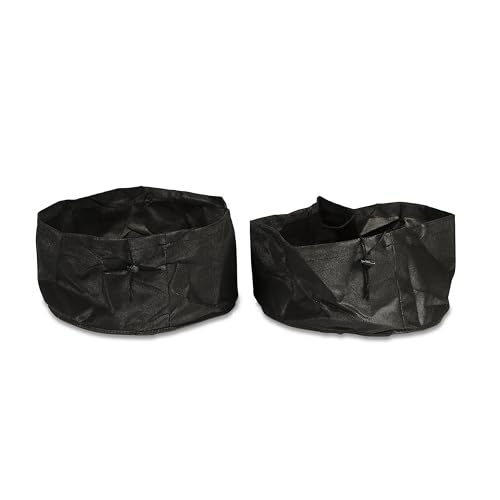
Bowl lotus are the smallest, often staying under 2 feet tall with leaves just a few inches wide. Keep 2 to 4 inches of water over the soil, and use a holeless pot 15 inches or less across and 7 to 10 inches deep.
Dwarf lotus get taller, about 3 to 4 feet at most. They’re comfortable in 2 to 12 inches of water, and they perform better in a pot about 24 inches wide even though they’ll survive in smaller ones.
These little types are perfect for tub gardens and patio containers. If that’s your setup, my guide on how to grow a lotus in a bowl walks through container sizes and care.
Medium and Large Lotus
Medium lotus are happy with 4 to 12 inches of water over the soil. Plant them in a round pot at least 16 inches across and 10 to 12 inches deep.
Large standard lotus can reach 5 to 6 feet tall, with flowers up to 12 inches across. They like 12 to 18 inches of water and a pot at least 20 inches wide, ideally 2 feet or more.
In cooler regions like the Northeast, upper Midwest and Pacific Northwest, I’d keep even large lotus around 12 inches deep. Shallower water warms faster, and you’ll get blooms sooner in a short summer.
How Can You Set the Right Depth on a Pond Shelf?
A built-in plant shelf is the easiest way to hit lotus depth in most backyard ponds, and bricks or stands fill in where your pond is too deep. The goal is a stable platform that puts the soil exactly where you want it.
Using Shelves, Bricks, and Stands
Most preformed and liner ponds have a marginal shelf 8 to 12 inches below the water line. Set a 6-inch-tall soil-filled pot there, and you’ll have a few inches of water over the soil, which is about right for a newly planted tuber.
If your pond is deeper, build up a platform. Good options include:
- Solid concrete blocks or pavers stacked flat
- Clay bricks laid in a tight square
- Inverted heavy plastic pots or milk crates weighted with stone
- Adjustable aquatic plant stands sold for water gardens
Skip anything that rusts or leaches. Treated lumber and painted metal don’t belong in a pond with fish.
Keeping the Pot Stable as Water Levels Change
A lotus pot gets top-heavy once tall leaves catch the wind. Make your platform at least as wide as the pot base, and set the pot dead center.
When you add a layer to lower the water depth, lift the whole pot off first, add blocks, then set it back. Sliding a pot sideways on a stack is how it tips into deep water.
Keep pond levels steady through summer, too. In hot spells across the Southwest and Southeast, evaporation can drop a pond several inches in a week, leaving shelf pots with too little water. Top off regularly with dechlorinated or rain water.
Should You Use a Pot or Plant Directly in the Pond?
I recommend a pot for almost every backyard pond. Lotus spread by running rhizomes, and if you plant one straight into a mud bottom, expect it to fill most of the pond over a few seasons.
Why a Wide, Hole-Free Pot Helps Control Spread
Runners will slip out through drainage holes and root in the pond floor. A container with no holes keeps the plant where you put it, though an occasional runner can still “jump the pot” over the rim and need trimming.
Shape matters too. A round pot that’s much wider than it is deep lets runners curl around the edge, while square corners can jam and damage growing tips.
Aquatic pots made for lotus are often about 2 feet across and only 7 to 10 inches deep.
A pot also makes winter moves and repotting every few years possible. A wild planting gives you none of that control.
Choosing Soil Without Loose Organic Matter
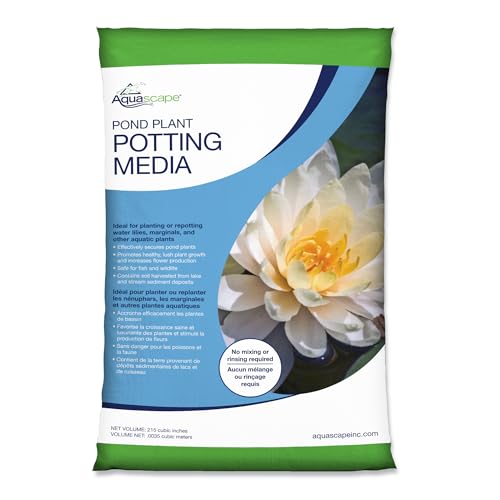
Fill the pot with about 4 inches of heavy garden soil or clay loam, or a bagged aquatic planting soil. You only need that much, because the soil rises as it fills with runners and new tubers.
Avoid potting mix and anything with loose organic matter like bark, peat or compost. Those bits float, cloud the water, and can rot the tuber. Plain topsoil with some clay is ideal; more detail is in my piece on the best soil for lotus.
A thin top layer of pea gravel holds the soil in place, especially if you keep koi that like to dig.
How Much Space Does Lotus Need in a Backyard Pond?
A standard lotus needs a pot about 2 feet wide and roughly 3 to 4 feet of open water surface around it, plus at least 6 hours of direct sun. Smaller types need far less.
Pot Width and Room for Spreading Leaves
Pot width sets how big the plant gets and how often it blooms. Use these as your minimums:
- Bowl lotus: up to 15 inches across
- Small to medium lotus: 16 inches or more
- Large lotus: 20 inches minimum, 24 to 36 inches for a showpiece
Leaves extend well past the pot. Large lotus leaves can reach 2 feet across on tall stems, so plan for the plant to shade a circle several feet wide.
Surface Coverage and Direct Sun
Lotus need full sun, at least 6 hours a day, to flower. A plant in part shade will grow leaves and skip the blooms, which is the top reason behind why a lotus is not blooming.
Place the pot on the sunniest side of the pond, away from waterfalls and fountains. Lotus prefer still water, and splashing knocks over young leaves.
Keep the plant’s coverage to about a third of the pond surface if you also grow water lilies or want visible open water. In the hottest desert areas of the Southwest, some afternoon shade cloth helps keep leaves from scorching.
Which Lotus Size Fits Your Pond?
Match the mature height and leaf spread of the variety to your pond’s surface area. A small pond with a giant lotus ends up as one big leaf canopy with no room for anything else.
Matching Bowl, Dwarf, and Larger Varieties to Pond Space
Here’s how I’d match size to pond:
- Patio container or tub under 50 gallons: bowl lotus
- Small pond, about 4 by 6 feet: one dwarf or bowl lotus
- Mid-size pond, about 8 by 10 feet: one medium lotus or two dwarfs
- Large pond, 10 by 15 feet or more: large standard lotus
Check the plant tag for mature height. Small varieties grow about 2 feet tall, while large ones like ‘Mrs. Perry D. Slocum’ can reach 5 feet or more above the water.
Planning Room Around Fish and Other Pond Plants
Goldfish rarely bother lotus. Large koi can dig in pots and nibble floating leaves, so set pots high with only 1 to 2 inches of water over the soil and cap the soil with rocks too heavy for koi to move.
Lotus leaves shade the water, which helps cool fish in July and August. Leave open water in front of your filter and skimmer so leaves don’t clog them.
Keep water lilies at least a few feet away. Both want full sun on the surface, and tall lotus leaves will shade lily pads out.