How to Grow Lemongrass from Seed: A Step-by-Step Guide for Beginners

Growing lemongrass from seed is a rewarding and cost-effective way to enjoy this fragrant herb. Lemongrass adds a zesty flavor to dishes and has many uses in the garden. To grow lemongrass from seed, plant the seeds just under the soil surface, about 1/16 inch deep, as they need light to germinate.

The seeds should be kept moist and warm, with soil temperatures between 68-86°F. Germination typically occurs within 7-14 days. Once the seedlings have sprouted, they can be thinned to about 12 inches apart to give the mature plants room to grow.

Lemongrass thrives in full sun and well-draining soil. With proper care, these aromatic plants will provide a bountiful harvest for both culinary and ornamental purposes. Growing lemongrass from seed allows gardeners to establish a robust stand of this versatile herb for years of enjoyment.

Benefits of Growing Lemongrass

Lemongrass is a versatile plant that offers many advantages to gardeners. It serves as an attractive ornamental grass, adding visual interest to landscapes with its tall, arching leaves.


Outsidepride Lemon Grass Seeds for Planting - 2000 Perennial Seeds, Mosquito Repellent, Deer Proof, Citronella Grass for Culinary and Ornamental Use, Blue-Green Foliage, Lemon Grass Live Plant

This tropical plant has natural insect-repellent properties. Growing lemongrass can help keep mosquitoes and other pests away from outdoor areas.

In the kitchen, lemongrass is prized for its bright citrusy flavor. The stalks and leaves can be used fresh or dried in teas, soups, curries, and other dishes.

Lemongrass also has medicinal uses. It contains compounds that may help reduce fever, relieve pain, and aid digestion when consumed as a tea or tincture.

The essential oil extracted from lemongrass is popular in aromatherapy. It’s believed to have calming effects and may help relieve stress and anxiety.

Growing lemongrass at home ensures a fresh supply for culinary and medicinal purposes. It’s also more cost-effective than buying it from stores.

Lemongrass is relatively easy to grow and maintain. It thrives in warm climates but can also be grown in containers and brought indoors in colder regions.

Check out How to Grow Lemongrass Indoors?

Choosing the Right Lemongrass Seeds

Picking the right lemongrass seeds is key for growing a healthy, flavorful crop. There are two main types to choose from, and seed quality makes a big difference.


Outsidepride Lemon Grass Seeds for Planting - 1000 Perennial Seeds, Mosquito Repellent, Deer Proof, Citronella Grass for Culinary and Ornamental Use, Blue-Green Foliage, Lemon Grass Live Plant

East Indian vs West Indian Lemongrass

East Indian lemongrass (Cymbopogon flexuosus) has a strong lemon scent and flavor. It grows well in warm climates. The leaves are thin and tough.

West Indian lemongrass (Cymbopogon citratus) has a milder taste. It’s more cold-hardy than East Indian types. The leaves are wider and softer.

Both types make good tea and seasoning. East Indian is better for essential oils. West Indian is easier to grow in cooler areas.

Quality of Seeds

Good lemongrass seeds are plump and firm. Fresh seeds sprout better than old ones. Buy from trusted sellers for the best results.

Soak seeds in warm water for a day before planting. This helps them sprout faster. Plant seeds no deeper than 1/8 inch in the soil.

Look for seeds labeled as high-germination. These have the best chance of growing into healthy plants. Avoid seeds that look shriveled or damaged.

Read How to Trim Lemongrass?

Preparation for Planting

Getting ready to plant lemongrass seeds involves a few key steps. The right soil, containers, and tools will set you up for success.

Suitable Soil Mix

Lemongrass thrives in well-drained soil. A good potting mix is key for healthy growth. Aim for a loamy soil that holds moisture but doesn’t get waterlogged.

Mix equal parts of potting soil, peat moss, and perlite. This blend provides nutrients and proper drainage. Sandy soil can work too, but add compost to boost fertility.

For best results, use a seed-starting mix. These are lighter than regular potting soil and help seeds sprout easily.

Optimal Planting Containers

Seed trays are great for starting lemongrass. They offer good drainage and make it easy to care for multiple plants.

Choose trays with small cells, about 2 inches deep. This depth is perfect for lemongrass seeds. Make sure the trays have drainage holes at the bottom.

If you don’t have seed trays, small pots work too. Pick ones that are 3-4 inches wide. Plastic or biodegradable pots are both fine choices.


Sow Right Seeds - Lemon Grass Seed for Planting - Non-GMO Heirloom Packet with Instructions for Easy Planting and Growing an Herb Garden - Indoor or Outdoors - Delicious Culinary Herb (1)

Required Tools and Accessories

Gather these items before you start planting:

  • Spray bottle for gentle watering
  • Clear plastic dome or plastic wrap to cover trays
  • Small trowel or spoon for filling containers
  • Labels to mark planting date and variety
  • Thermometer to check soil temperature

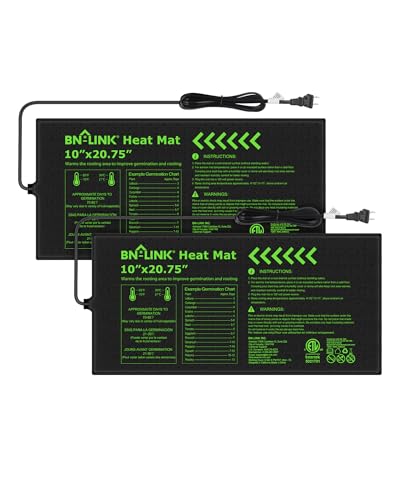
A heat mat can be helpful too. It keeps the soil warm, which lemongrass seeds like. Aim for a soil temperature between 68°F and 86°F.

Don’t forget gloves to keep your hands clean while working with soil. A small watering can with a fine rose will also come in handy as your plants grow.

Check out What to Do with Lemongrass Leaves?

Sowing Lemongrass Seeds

Planting lemongrass seeds is easy when you follow the right steps. The key is to provide warm soil, shallow planting, and proper spacing.

Planting Time and Technique

Plant lemongrass seeds in spring or early summer. The soil should be at least 68°F (20°C). Use a seed starting tray with moist potting mix.

Place seeds on top of the soil. Press them in gently. Don’t bury them deep – lemongrass needs light to sprout.

Cover the tray with clear plastic wrap. This keeps moisture in. Put the tray in a warm, sunny spot.

Check daily and mist with water to keep soil damp. Seeds usually sprout in 7-14 days.


TKE Farms & Gardens - Lemongrass Seeds for Planting, Over 750 Non-GMO Seeds, Grow Indoors & Outdoors for Fresh Herbs Year Round, Easy-to-Grow Aromatic Herb for Cooking, Teas & Wellness

Depth and Spacing for Seeds

Sow lemongrass seeds very shallow – about 1/8 inch (3mm) deep at most. Some gardeners just press them onto the surface.

Space seeds about 1 inch (2.5cm) apart in the seed tray. When planting outdoors, space rows 12 inches (30cm) apart.

Put 2-3 seeds in each planting spot. This improves chances of success. Thin extra seedlings later.

For best results, keep soil between 68-86°F (20-30°C). Use a heat mat if needed.

Caring for Young Lemongrass Plants

Young lemongrass plants need specific care to thrive. They require the right amount of water, warm temperatures, and proper nutrients to grow strong and healthy.

Watering Requirements

Lemongrass likes moist soil but can’t handle being waterlogged. Water young plants when the top inch of soil feels dry. In hot weather, this might mean watering every 2-3 days.

Use these tips for watering:

  • Water deeply to encourage deep root growth
  • Avoid getting water on the leaves to prevent fungal issues
  • Use a soaker hose or drip irrigation for even moisture

During dry spells, increase watering frequency. Reduce watering in cooler months when growth slows down.

Temperature and Humidity Control

Lemongrass is a tropical plant that loves warmth and humidity. It grows best in temperatures between 70-90°F (21-32°C).

To keep young plants happy:

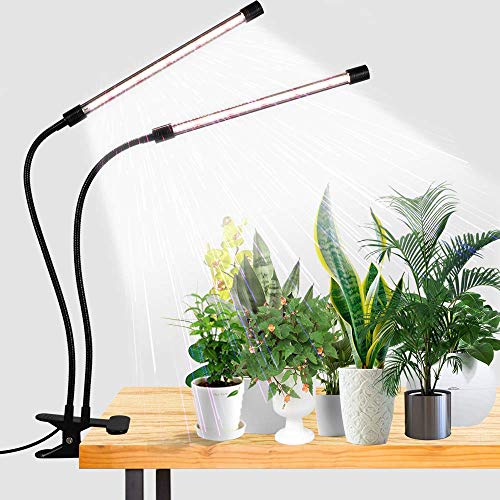
  • Place them in a sunny spot that gets at least 6 hours of direct sunlight
  • Protect from cold drafts and temperatures below 50°F (10°C)
  • Use a humidity tray or mist leaves to increase moisture in dry climates

In colder areas, grow lemongrass in pots so you can bring it indoors when temperatures drop. A warm, bright windowsill is ideal for indoor growing.

Fertilization Schedule

Lemongrass is a heavy feeder and needs regular fertilizing to grow well. Start feeding young plants about a month after planting or when they’re 6 inches tall.

Follow this feeding plan:

  • Use a balanced, water-soluble fertilizer (10-10-10)
  • Feed every 2 weeks during the growing season
  • Apply fertilizer at half strength to avoid burning young roots

In fall and winter, reduce feeding to once a month. Resume regular feeding in spring when new growth starts. Always water plants before fertilizing to prevent root damage.

Check out Can Rabbits Eat Lemongrass?

Lemongrass Germination Process

Lemongrass seeds need light to germinate. Plant them on the soil surface or cover lightly with a thin layer of soil.

Keep the soil moist but not waterlogged. Use a spray bottle to mist the seeds gently.

The ideal temperature for germination is between 68°F and 86°F (20°C to 30°C). A warm, sunny spot works well.

Lemongrass seeds usually sprout in 7 to 14 days. Be patient and keep the soil consistently moist during this time.

To improve germination rates, sow 2-3 seeds per planting hole. Space holes about 12 inches (30 cm) apart.

Some gardeners soak lemongrass seeds in water for 24 hours before planting. This can speed up germination.

Once seedlings appear, thin them to one plant per spot. Choose the strongest seedling to keep.

Lemongrass seedlings are delicate. Handle them carefully when thinning or transplanting.

With proper care, lemongrass seeds have a good chance of growing into healthy plants. The key is providing the right conditions during the crucial germination period.

Check out Why Is My Lemongrass Turning Red?

Growing Conditions for Lemongrass

Lemongrass thrives in specific conditions. It needs plenty of sunlight, well-draining soil, and warm temperatures to grow its best.

Sunlight Exposure

Lemongrass loves full sun. It needs at least 6 hours of direct sunlight each day. More sun leads to faster growth and thicker stalks.

Plant lemongrass in the sunniest spot in your garden. If you live in a hot climate, give it some afternoon shade. This helps prevent leaf burn.

In less sunny areas, lemongrass may grow slower. It might also have thinner stalks. To fix this, move potted plants to catch more rays.

Soil Conditions and Drainage

Well-draining soil is key for lemongrass. It doesn’t like wet feet. Mix in sand or perlite to improve drainage in heavy soils.

The soil should be rich in organic matter. Add compost before planting. This feeds the plant and helps retain moisture.

Lemongrass prefers slightly acidic to neutral soil. A pH between 6.0 and 7.0 is ideal. Test your soil and adjust if needed.

Water deeply but less often. Let the top inch of soil dry between waterings. This prevents root rot and encourages deep root growth.

Climate and Growing Zones

Lemongrass is a tropical plant. It grows best in warm climates. In the U.S., it thrives in USDA zones 8-11.

It can’t handle frost. In cooler areas, grow it as an annual or bring it indoors for winter.

Lemongrass likes temperatures between 70-80°F (21-27°C). It can handle short drops to 50°F (10°C) but will die if it freezes.

High humidity helps lemongrass grow lush and full. In dry areas, mist the leaves often or use a pebble tray for added moisture.

Propagation Methods Beyond Seeds

Lemongrass can be grown without seeds using cuttings or division. These methods are quick and produce plants identical to the parent.

Using Cuttings

Cuttings offer an easy way to propagate lemongrass. Start with fresh stalks from the store or a garden. Trim off brown leaves and place the stalks in water. Change the water every few days.

In about 2-3 weeks, roots will grow from the base. Once roots are 2-3 inches long, plant the stalks in soil. Use a well-draining potting mix.

Keep the soil moist but not soggy. Place the pot in a sunny spot. New leaves will sprout from the top of the stalk.

Division of Mature Plants

Dividing mature lemongrass plants is another effective method. Wait until the plant is at least 1 foot wide. Dig up the entire clump carefully.

Use a sharp knife or spade to cut the plant into smaller sections. Each section should have roots and several stalks. Make sure each division is at least 6 inches wide.

Replant the divisions right away. Space them 3 feet apart to allow for growth. Water well after planting. Lemongrass can grow quite large, reaching 3-6 feet tall and wide.

Troubleshooting Common Issues

Growing lemongrass from seed can face some challenges. Here are tips to handle pests, diseases, and growth problems.

Pest and Disease Management

Watch for common pests like aphids and spider mites. These tiny bugs can damage lemongrass leaves. To treat them, use insecticidal soap or neem oil. Spray the leaves every few days until the pests are gone.

Root rot is a common disease caused by too much water. Make sure pots have good drainage holes. Let the soil dry out between waterings. If leaves turn yellow or brown, check the roots. Healthy roots are white and firm. Cut off any brown, mushy roots.

Fungal leaf spots may appear in humid weather. Remove affected leaves. Avoid wetting the leaves when watering. Space plants for good air flow.

Managing Poor Growth

Slow growth often means the plant needs more light. Lemongrass likes full sun. Move plants to a brighter spot if needed. Pale leaves can signal a lack of nutrients. Feed with a balanced fertilizer every 4-6 weeks during the growing season.

Cold temps stunt growth. Keep lemongrass above 50°F (10°C). In cool climates, grow in pots and bring indoors for winter.

If plants are crowded, they may not grow well. Thin seedlings to 12 inches apart. Divide larger plants every 2-3 years to give them more space.

Adjust watering if leaves turn brown at the tips. This can mean too little water. Water deeply when the top inch of soil feels dry.

Harvesting Your Lemongrass

Lemongrass is ready to harvest about 3 months after planting. Wait until each clump is well-established before taking your first cut.

Look for stalks that are 1/2 inch thick at the base and at least 18 inches tall. These are ideal for harvesting.

Put on gloves before you start. Lemongrass leaves can be sharp.

To harvest, cut stalks at ground level using clean, sharp shears. Take only what you need, leaving plenty of growth on the plant.

The white bulbous base is the most flavorful part. You can use the leaves too, especially in teas.

For a continuous harvest, cut outer stalks first. This allows inner stalks to keep growing.

In cold climates, harvest all stalks before the first frost. If growing in pots, bring plants indoors to keep harvesting year-round.

Store freshly cut lemongrass in the fridge for 2-3 weeks. Wrap it in slightly damp paper towels and place in a plastic bag.

You can also freeze lemongrass for longer storage. Chop it finely and put it in freezer bags or ice cube trays.

Read Citronella Plant vs Lemongrass: Key Differences and Uses Explained

Using Lemongrass in the Kitchen and Beyond

Lemongrass adds a zesty citrus flavor to many dishes. It’s a key ingredient in Southeast Asian cuisine, especially Thai and Vietnamese food.

To use lemongrass in cooking, remove the outer leaves and roots. Chop the tender inner part finely or use a food processor. Add it to soups, curries, and stir-fries.

Lemongrass also makes a refreshing tea. Steep several inches of the stalk in hot water for a soothing drink. Remove the stalks before drinking.

The plant has uses outside the kitchen too. Lemongrass essential oil is popular in aromatherapy and personal care products. It has a fresh, lemony scent.

Some people use lemongrass for its potential health benefits. It’s believed to have anti-inflammatory and antioxidant properties. The oil or tea may help with digestion and stress relief.

Lemongrass can be used as a natural insect repellent. Its strong scent helps keep mosquitoes and other bugs away. Plant it around outdoor seating areas or use the oil on skin.

In traditional medicine, lemongrass is used to treat fever, aches, and colds. While more research is needed, some find it helpful for these issues.


Gaea's Blessing Seeds - Lemongrass Seeds - Non-GMO Seeds with Easy to Follow Planting Instructions - Untreated and Open Pollinated Lemon Grass - 83% Germination Rate

Check out Does Lemongrass Repel Snakes?

Overwintering Lemongrass

Lemongrass is a tender perennial that needs protection from cold temperatures to survive winter. Proper care helps the plant thrive year after year.

Indoor Overwintering Tips

Bring potted lemongrass plants inside before the first frost. Place them near a sunny window that gets at least 6 hours of light daily. Water sparingly, letting the soil dry between waterings. Trim leaves to about 6 inches tall to manage size.

Mist plants weekly to increase humidity. Use a pebble tray filled with water under pots for extra moisture. Keep plants away from cold drafts and heating vents. Fertilize monthly with diluted liquid fertilizer.

Inspect regularly for pests like spider mites or mealybugs. Treat any issues promptly with insecticidal soap or neem oil.

Outdoor Overwintering Strategies

In zones 8-11, lemongrass can stay outdoors year-round with some care. Cut plants back to 6 inches tall in late fall. Add a thick layer of mulch around the base for insulation.

Cover plants with burlap or frost cloth on cold nights. Remove covers during the day to allow air circulation. Water sparingly during winter, only when soil is dry.

For extra protection, build a shelter around plants using stakes and plastic sheeting. Remove in spring when temperatures warm up. Divide and replant lemongrass clumps in spring to rejuvenate growth.

Continual Care and Year-Round Maintenance

Lemongrass is a tropical plant that needs regular attention throughout the year. Water it deeply once or twice a week, allowing the soil to dry slightly between waterings.

Feed lemongrass every 4-6 weeks during the growing season with a balanced organic fertilizer. This helps maintain its robust growth and aromatic qualities.

Prune lemongrass regularly to keep it tidy and encourage new growth. Cut back yellowing or dead leaves as needed.

In colder climates, treat lemongrass as an annual or bring it indoors for winter. If keeping it outside, apply a thick layer of mulch to protect the roots from frost.

For indoor plants, place lemongrass in a bright spot and mist occasionally to increase humidity. Rotate the pot weekly to ensure even growth.

Repot lemongrass every spring, using fresh potting soil rich in organic matter. This annual refresh provides essential nutrients for healthy growth.

Watch for pests like spider mites or mealybugs. If spotted, remove them with a strong spray of water or use insecticidal soap.

With proper care, lemongrass can thrive year-round, providing a steady supply of fragrant leaves for culinary and medicinal uses.

Check out How Fast Does Lemongrass Grow?

Advantages of Homegrown Lemongrass

Growing lemongrass at home offers many benefits. Fresh lemongrass is always on hand for cooking or making tea. This saves trips to the store and ensures the best flavor.

Homegrown lemongrass provides a strong citrusy aroma to gardens. Its scent can help repel some insects naturally. The tall, grassy stalks also look nice as an ornamental plant.

Lemongrass is easy to grow and maintain. It needs little care beyond regular watering. This makes it great for beginners or busy gardeners.

Growing your own means you know exactly how the plant was raised. No worries about pesticides or other chemicals. You can grow it organically if you choose.

Fresh lemongrass has more flavor than dried. Home gardeners can harvest it right when needed for the best taste. This herb adds a bright, lemony flavor to many dishes.

Adding lemongrass to an herb garden brings variety. It grows well with other herbs and can fill empty spaces. Its tall growth provides visual interest among shorter plants.

Lemongrass is useful beyond cooking too. The leaves can make a soothing tea. Some people use it in homemade soaps or lotions for its pleasant scent.

Safety Precautions and Considerations

Growing lemongrass from seed requires some safety measures. The plant’s leaves are sharp and can cause cuts. Wear gloves when handling mature plants to protect your hands.

Lemongrass can grow up to 6 feet tall and spread 2 feet wide. Plan your garden layout carefully to give the plants enough space. This prevents overcrowding and reduces the risk of accidental injuries.

Keep pets away from lemongrass plants. While not highly toxic, ingesting large amounts may upset their stomachs. Create barriers or plant lemongrass in raised beds to limit pet access.

Be cautious when harvesting lemongrass. Use sharp scissors or pruning shears to avoid tearing the leaves. Cut at an angle to prevent water from pooling on cut stems, which can lead to rot.

Store lemongrass seeds in airtight containers in a cool, dry place. Label them clearly to avoid confusion with other seeds. When planting, space seeds 12 inches apart to allow proper growth.

Water lemongrass plants at the base to keep leaves dry. This helps prevent fungal growth and reduces the risk of slipping on wet leaves around the plants.

Frequently Asked Questions

Growing lemongrass from seed raises some common questions. Here are answers to help you successfully cultivate this aromatic herb.

What are the optimal conditions for germinating lemongrass seeds indoors?

Lemongrass seeds need warmth and moisture to sprout. Keep soil temperature between 68-75°F (20-24°C). Use a seed-starting mix and keep it damp but not soggy. Provide bright, indirect light. A sunny windowsill or grow lights work well. Seeds usually sprout in 7-14 days under these conditions.

What steps are involved in harvesting lemongrass seeds for planting?

Allow lemongrass flowers to dry on the plant. Cut off the flower heads when they turn brown. Place them in a paper bag to catch falling seeds. Gently shake or rub the heads to release seeds. Store seeds in a cool, dry place until planting time. Use within a year for best results.

Can lemongrass be effectively cultivated in water, and how is this achieved?

Yes, lemongrass can grow in water. Start with a healthy stalk. Place it in a glass of water, changing the water every few days. Once roots form, transfer to a container with pebbles and water. Add liquid fertilizer every few weeks. This method works best for short-term growth.

What are the best practices for growing lemongrass in pots?

Choose a pot at least 12 inches deep with drainage holes. Use well-draining potting soil. Place in full sun. Water regularly to keep soil moist. Fertilize monthly during the growing season. Divide clumps every 2-3 years to prevent overcrowding.

Is there a difference in growth rate between lemongrass started from seed versus stalk?

Lemongrass grown from stalks usually grows faster initially. Seeds take time to germinate and establish. After a few months, both methods produce similar plants. Seed-grown plants may be more diverse genetically.

What care instructions ensure lemongrass grown from seed thrives outdoors?

Plant seedlings outdoors after frost risk passes. Choose a sunny spot with well-draining soil. Space plants 24 inches apart. Water deeply once a week. Mulch to retain moisture. Fertilize monthly. Protect from cold in winter. Harvest outer stalks as needed.

Grow Lemongrass from Seed

Conclusion

Growing lemongrass from seed is an easy and rewarding process. With the right conditions, you can enjoy fresh, homegrown lemongrass in about 4-6 months.

Start by planting seeds 1/8 inch deep in well-draining, organic-rich soil. Space them 12 inches apart to give mature plants room to grow.

Provide plenty of sunlight and keep the soil moist. Lemongrass thrives in warm temperatures and high humidity.

Once seedlings emerge, thin them to the strongest plants. Continue regular watering and fertilizing as they grow.

Harvest lemongrass stalks when they reach 12-18 inches tall. Cut stems at the base, leaving enough for the plant to regrow.

With proper care, your lemongrass plants will provide aromatic leaves and stems for cooking, teas, and more. Growing from seed allows you to experience the full life cycle of this versatile herb.

You may also like:

vegetable garden ideas

10 Vegetable Garden Layout Ideas