
Lotus does best when it gets its own sunny pot and its neighbors stay out of that pot.
The best companion plants for lotus are compact water lilies, potted marginals like pickerelweed and blue flag iris, and a few well-controlled oxygenators, all kept in separate containers so nothing steals the 6+ hours of direct sun lotus needs to bloom.
Lotus grows fast, spreads by runners, and sulks in shade, so most pairing problems come from crowding.
When you match each plant to its water depth and give every one its own pot, you get a full, layered water garden while the lotus keeps its flowers.
How to Choose Plants That Won’t Crowd Your Lotus
Good companion planting with lotus comes down to three things: full sun on the lotus pot, the right water depth for each neighbor, and roots that never share soil. Get those right and almost any well-behaved pond plant can live nearby.
Give Lotus Its Own Sunlit Container
Lotus needs at least 6 hours of direct sun a day, and it grows best when the water stays between 75 and 87°F for about three months. I’d put the lotus pot in the sunniest, warmest spot you have and plan everything else around it.
Use a wide container with no drainage holes. Standard lotus wants a pot at least 2 feet across, while dwarf types handle smaller pots but still do better near 24 inches wide.
Fill it with 4 to 5 inches of heavy clay loam or aquatic planting soil. Skip bagged potting mix, since bark and perlite float and cloud the water. My guide to the best soil for lotus covers mixes that stay put.
Match Each Plant to Its Water Depth
Every pond plant has a comfort zone measured by how much water sits over its crown. Mixing depths is what makes a pond look layered.
| Plant group | Water over the crown | Where it goes |
|---|---|---|
| Lotus (standard) | 2 to 18 inches | Sunny, shallow shelf |
| Dwarf lotus | 2 to 12 inches | Tub or shallow shelf |
| Hardy water lilies | 12 to 24 inches | Deeper middle |
| Marginals | 0 to 6 inches | First shelf at the edge |
| Submerged plants | 12+ inches | Pond floor or deep pots |
Start lotus with about 2 inches of water over the soil and raise it as the leaves grow. You can read more in my article on how deep to plant lotus in a pond.
Keep Roots and Fast-Growing Leaves Apart
Lotus runners will push into any soil they can reach, and fast spreaders will push right back. Put each plant in its own aquatic pot, and leave a few inches of open water between pots.
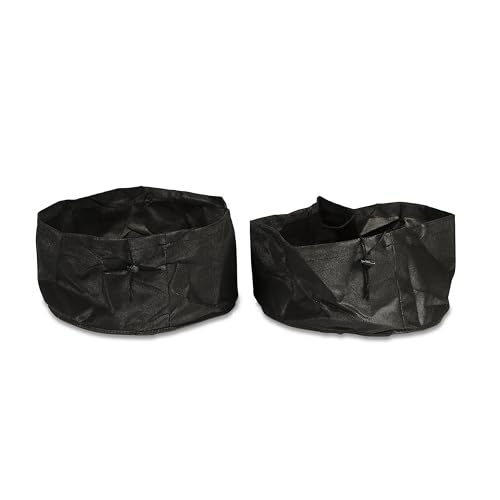
Top every pot with an inch of pea gravel to hold the soil down. Trim any lotus runner that “jumps the pot” before it roots into the pond floor.
Can Water Lilies Share a Pond with Lotus?
Yes, water lilies and lotus grow well in the same pond as long as they sit in separate pots. Lilies float their leaves flat on the water while lotus holds its leaves high in the air, so the two fill different layers.
Choose Compact Water Lilies for Smaller Ponds
In a pond under about 6 feet across, I’d pick small or dwarf hardy lilies that spread 1 to 3 feet. Larger lilies can cover 6 feet of surface and will crowd the base of the lotus.
Pair a dwarf lotus with a pygmy lily in a big tub or small pond. Both stay in scale, and the lily’s floating pads fill the space under the lotus leaves without blocking its sun.
Separate Their Pots and Leave Open Water
Set the lily in deeper water, 12 to 24 inches over its crown, and keep the lotus on a shallower shelf. Space the pots at least 2 to 3 feet apart in a pond so lily pads don’t drift under young lotus leaves.
Aim for plants to cover about half the water surface, somewhere in the 40 to 60 percent range. That much shade keeps water cooler and cuts algae, while the open water lets oxygen in and gives you a clear view of the blooms.
Marginal Plants for the Pond Edge
Marginal plants are the best partners for lotus because they grow upward at the edges and leave the open water alone. They also soak up nutrients that would feed algae and give pollinators and beneficial insects a place to land.
Pickerelweed and Blue Flag Iris
Pickerelweed (Pontederia cordata) is my first pick. It’s a native with glossy heart-shaped leaves and spikes of blue-purple flowers from summer into fall, and bees visit it constantly.
Grow it in 0 to 6 inches of water in a 1- to 5-gallon pot. It spreads by rhizomes, so the pot keeps it in bounds.
Blue flag iris (Iris versicolor) blooms in late spring, before most lotus flowers open, so it stretches your season. Its upright sword leaves look good next to round lotus leaves all summer. Keep it in 0 to 4 inches of water.
Dwarf Cattail, Sweet Flag, and Umbrella Palm
Dwarf cattail (Typha minima) gives you the cattail look at 1 to 2 feet tall. Keep it potted, since even the dwarf type runs.
Sweet flag (Acorus) forms grassy fans and handles part shade, which makes it handy on the side of the pond away from the lotus. The variegated form brightens dark corners.
Umbrella palm (Cyperus alternifolius) and dwarf papyrus add tall, airy texture behind the lotus. Both are tropical, so in most of the US you’ll treat them as annuals or bring them indoors once fall nights drop near freezing.
Place them on the north side so their height never shades the lotus.
Floating Plants That Need Careful Control
Floating plants shade the water and starve algae, but they grow so fast that they need weekly attention around lotus. Young lotus leaves start out floating, and a mat of floaters can smother them.
Check State Rules Before Adding Water Hyacinth or Water Lettuce
Water hyacinth and water lettuce are restricted or banned in several states because they choke rivers and lakes. Texas, for example, lists both as prohibited aquatic plants, and Southern states with mild winters have the strictest rules.
Check your state department of agriculture or natural resources list before buying either one. Where they’re legal, keep them in an enclosed tub or a pond with no outlet, and never dump them into a stream or ditch.
If you live in the Southeast or Gulf Coast, I’d skip both and use a native floater instead.
Use Frogbit Sparingly and Thin Floaters Often
Frogbit sounds harmless, but European frogbit is invasive in the Northeast and Great Lakes, and Amazon frogbit has escaped in California. Buy only what’s legal where you live, and keep it to a small patch.
Thin any floating plant once a week in summer. A good rule is to scoop out about a third of the floaters whenever they cover more than a quarter of the open water.
Pull them from the ring around the lotus pot first, and toss them in the compost pile, never in a waterway.
Submerged Plants Beneath the Lotus Canopy
Submerged plants, often called oxygenators, live fully underwater and fill the space lotus doesn’t use. They take up nutrients and release oxygen, which keeps the water clearer for both fish and lotus.
Choose Submerged Plants Suited to Your Pond
Hornwort, also called coontail (Ceratophyllum demersum), is the easiest. It’s native across most of the US, floats freely or anchors loosely, and handles cool water well.
American waterweed (Elodea canadensis) and Carolina fanwort (Cabomba caroliniana) are native in parts of the country but invasive in others, including the Pacific Northwest. Check your state list before adding fanwort.
I’d plan about one bunch of oxygenators per 1 to 2 square feet of pond surface. Keep them in deeper water, since lotus shade will thin them out in the shallows.
Prevent Tangled Growth Around Lotus Pots
Submerged plants wrap around anything they touch, including lotus stems and runners. Keep potted oxygenators at least a foot from the lotus pot.
Every two to three weeks in summer, pull out handfuls of extra growth. Never cut lotus stems below the waterline while you’re working, because the hollow stems carry air down to the tubers.
Shoreline Plants Beyond the Water
Shoreline plants soften the pond edge and pull pollinators in without touching the water at all. Choose them by light: shade lovers on the side opposite the lotus, sun lovers next to it but low enough not to cast shadows.
Place Ferns and Hostas in Shadier Spots
Ostrich fern, cinnamon fern, and royal fern all love the damp soil around ponds. They’re native to much of the eastern US and fill in fast once established.
Hostas add bold leaves that echo the round lotus shape. Keep in mind that the ASPCA lists hostas as toxic to dogs and cats, so plant them away from where pets roam.
Put these on the north or east side of the pond. Their spot should get shade from trees or buildings, never from anything blocking the lotus.
Use Ornamental Grasses and Japanese Iris in Sunny, Moist Soil
Japanese iris (Iris ensata) blooms in early summer with flat, wide flowers and likes moist soil that dries a little in winter. It pairs well with lotus because it peaks just before lotus flowers open.
Low grasses such as sedges (Carex) and switchgrass varieties under 3 feet hold the bank without towering over the water. Swamp milkweed and cardinal flower add color and feed butterflies and hummingbirds.
Keep anything taller than 4 feet at least 6 feet back from the lotus, and on the north side.
Patio Tub Combinations That Leave Room for Lotus
A patio tub works best with a dwarf lotus plus one small marginal, kept in separate pots inside the tub. Anything more turns a small surface into a crowded one.
Pair a Dwarf Lotus with One Small Marginal Plant
Use a tub at least 24 inches wide and 12 to 18 inches deep. Set the dwarf lotus in a wide, shallow aquatic pot in the center, with 2 to 4 inches of water over the soil.
Add one marginal on a brick or upturned pot so its crown sits just below the surface. Dwarf papyrus, dwarf cattail, or variegated sweet flag all stay in scale. Put the tall one at the back, away from the sun’s path.
A sprig of hornwort helps keep the water clear. Top up water as it evaporates, and if your tap water is hard, overfill the tub now and then to flush out mineral buildup.
Keep Small Bowls Simpler Than Large Patio Tubs
Bowls under 18 inches wide should hold the lotus alone. A dwarf lotus fills that space within weeks, and a second plant cuts into its light and nutrients.
If you want to grow a lotus in a bowl, add a few floating leaves of a legal floater only after the lotus has sent up standing leaves, and pull them back weekly.
Larger tubs, 30 inches or more, can take a pygmy lily in its own pot as well.
Plants to Keep Away from Lotus
The plants to avoid are spreaders that root into the lotus pot and floaters that blanket the surface. Both cost you bloo