
Most oyster plants that look like they’re dying are suffering from too much water. Soggy soil rots the roots and the base of the stem, and that rot is the top killer of Tradescantia spathacea. Cold, low light, pests, and fertilizer salts cause the rest.
If your oyster plant is dying, the most likely cause is root or stem rot from wet soil, so check the soil and the base of the stem before you change anything else.
The good news is that this tough plant from Mexico and Central America roots easily, so even a badly damaged one can usually be restarted from a healthy rosette.
Is Your Oyster Plant Dying or Just Shedding Old Leaves?
A few yellow or dry leaves at the bottom of the rosette are normal aging. Spreading yellow, mushy, or crispy damage is a sign of trouble. The location and texture of the damage show which case you have.
Which Leaf Changes Are Normal?
An oyster plant grows from the center out. As new leaves form in the middle, the oldest outer leaves at the bottom turn yellow, dry out, and drop. One or two at a time is fine.
The key sign is a healthy center. If the middle leaves are firm, upright, dark green on top and purple underneath, the plant is doing its job. Pull or snip off the dead leaves so they don’t trap moisture against the stem.
What Do Yellowing Leaves, Brown Tips, and Drooping Tell You?
Each symptom points in a different direction:
| Symptom | Most likely cause |
|---|---|
| Yellow, soft leaves plus wet soil | Overwatering or root rot |
| Yellow, limp leaves plus bone-dry soil | Underwatering |
| Crispy brown tips | Dry air, fertilizer salts, or thirst |
| Brown or black patches after a cold night | Cold damage |
| Pale, stretched growth | Too little light |
| Drooping with a soft base | Stem rot |
A soil moisture meter takes the guesswork out of the first two rows, though your finger an inch deep works too.
If you suspect dry air, a digital hygrometer tells you whether your room sits below the 40 to 60% humidity this plant likes. For more on wilting alone, see my notes on oyster plant drooping.
How Do You Spot Root and Stem Rot?
Rot shows up as yellowing leaves and wilting even though the soil is wet, plus a soft, dark base. Caught early, you can cut away the bad parts and keep the plant.

What Do Rotten Roots and a Mushy Stem Look Like?
Slide the plant out of its pot. Healthy roots are white to cream and firm. Rotten roots are brown or black, slimy, and the outer layer slips off when you squeeze, often with a sour smell.
Stem rot looks different. The stem turns dark and soft at or just above the soil line, sometimes pinching inward. The roots below can still look fine. Press the base gently; healthy tissue is firm, and rotted tissue gives way.

Can You Save the Healthy Parts?
Yes, if some firm roots or a clean section of stem remain. Here’s how I’d handle it:
- Wipe scissors with rubbing alcohol.
- Cut off every brown, mushy root back to firm white tissue.
- If the stem base is rotten, cut above the soft area until the inside looks pale and clean.
- Let cut surfaces air-dry for about an hour.
- Repot in fresh, dry potting mix in a clean pot with drainage holes. Never reuse the old soil.
- Wait about 5 to 7 days before watering.
If more than two-thirds of the roots are gone, remove some of the outer leaves too, so the small root system isn’t supporting a big top. If rot circles the whole stem, skip to propagation and save the top.
Could Underwatering Be Causing the Decline?
Yes, though it’s less common than overwatering. Oyster plants handle short dry spells once established, but long droughts in a small pot lead to limp, curling, brown-tipped leaves.
How Do Dry Soil and Dehydrated Leaves Look?
Thirsty leaves lose their stiffness and fold or curl along the middle. Tips turn brown and crispy. The soil feels dry several inches down, looks lighter in color, and may pull away from the pot’s edges.
Dry indoor air adds to the problem, especially in winter when the heat runs. If tips brown even when your watering is on track, look at oyster plant humidity and consider a room humidifier or grouping plants together.
How Should You Rehydrate the Plant?
When soil has dried hard, water poured on top runs down the sides and out. I’d bottom-water instead:
- Set the pot in a sink or tray with 2 to 3 inches of room-temperature water.
- Leave it for 20 to 30 minutes until the surface feels damp.
- Let it drain fully and never leave it sitting in water.
After that, water whenever the top inch of soil is dry. In summer that’s often once a week indoors; in winter it may stretch to every two weeks. My guide to watering an oyster plant covers seasonal timing in more detail.
Is Cold or Frost Damaging Your Oyster Plant?
Cold is a common cause of sudden decline. This is a tropical plant that grows best at 60 to 85°F. Damage starts around 40 to 45°F, and frost kills the top growth.
What Does Cold Damage Look Like?
Within a day or two of a cold snap, leaves look water-soaked, then turn brown or black and collapse. Indoors, you’ll see milder versions: dull color, drooping, or browned patches on leaves touching a cold window.
Don’t rush to cut. Wait a week or two until you can see which leaves stay firm and which go mushy, then remove the dead ones.
If the center of the rosette is still firm, new leaves usually follow. If the center is black and soft, take any healthy offsets and start over.
Drafts count too. Keep the pot away from exterior doors, AC vents, and heaters, since hot dry air from a radiator browns leaves just as fast.
When Should You Bring an Outdoor Plant Inside?
Oyster plants live outdoors year-round only in USDA zones 9 to 11, which covers much of Florida, the Gulf Coast, south Texas, southern Arizona, and coastal California. Everywhere else, keep them in pots.
Bring them in before night temperatures drop below 50°F. In the Northeast and Midwest that’s often mid-September; in the Pacific Northwest it can come early because of cool nights.
Check plants for bugs before they come inside. My notes on moving indoor plants outside cover easing them back out in spring.
In Florida, note that this plant is considered invasive in parts of the state. Keep it away from natural areas and cut off flowers to limit seeding.
Is the Plant Getting Too Much or Too Little Light?
Light problems rarely kill an oyster plant outright, but they weaken it and make other issues worse. Bright indirect light indoors, with some direct sun, gives the best color and compact growth.
Why Are the Leaves Fading or the Growth Leggy?
Insufficient light makes the purple undersides fade toward green, leaves get floppy, and the stem stretches toward the window with wide gaps between leaves. Growth slows and the plant stops making offsets.
Move it to an east or west window, or within a few feet of a south window.
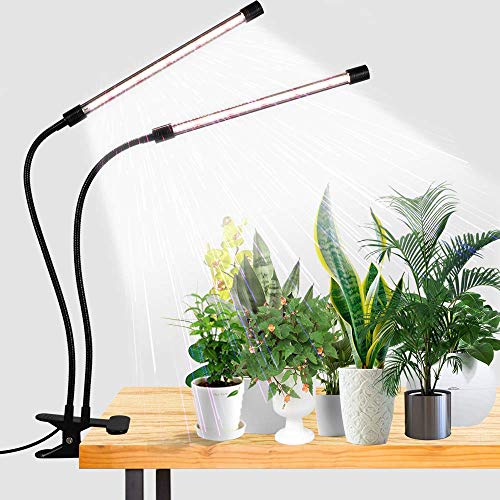
If your home is dim, a grow light 12 to 18 inches above the plant for 12 to 14 hours a day works well. Turn the pot every week or two so it grows evenly.
A stretched plant won’t shrink back, so cut the top rosette off and reroot it.
Are Brown Patches Caused by Harsh Sun?
They can be. Scorch shows up as bleached, tan, or brown patches on the upper leaf surface facing the sun, while shaded leaves stay fine. It’s most common in hot afternoon sun in the Southwest and Southeast, or right after moving a plant outdoors.
Outdoors, give it morning sun and afternoon shade in hot areas. Scorched spots don’t heal, but new leaves will come in clean once the plant is out of the harsh light. Brown leaf tips alone usually point to water or salts.
Are Pests or Leaf Disease Behind the Damage?
Pests are a real possibility, especially indoors in winter. Mealybugs, spider mites, scale, and aphids all feed on oyster plants and hide where the stiff leaves overlap.
Which Pests Hide in the Leaves?
Check the leaf bases and undersides with a flashlight:
- Spider mites: tiny dots, fine speckling on the leaves, and thin webbing. They love dry indoor air.
- Mealybugs: white cottony clumps tucked into the leaf joints and center.
- Aphids: small green, black, or brown soft insects on new growth, plus sticky residue.
- Scale: small brown bumps that don’t move and scrape off with a fingernail.
How Do You Treat Bugs Without Mistaking Leaf Spots for Pests?
First, confirm you’ve found bugs. Wipe a suspicious spot with a white tissue; mites leave red or brown streaks, and mealybugs smear.
Fungal leaf spots are round brown or tan marks with no movement and nothing to wipe off.
They come from water sitting on leaves and poor air flow, so water at the soil line, remove spotted leaves, and give the plant more space.
For real pests:
- Isolate the plant from your others.
- Dab mealybugs and scale with a cotton swab dipped in rubbing alcohol.
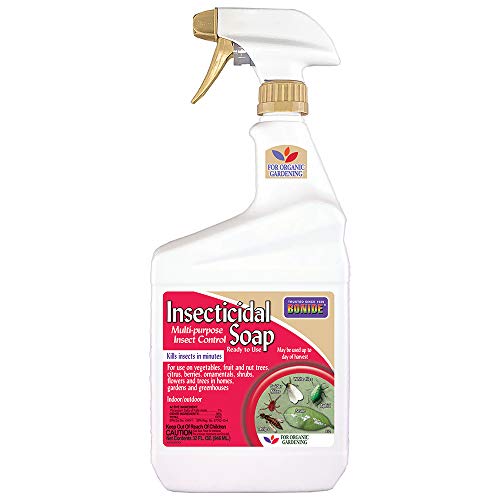
- Spray all leaf surfaces with insecticidal soap or neem oil, including the purple undersides and the center.
- Repeat every 5 to 7 days for three to four weeks to catch newly hatched bugs.
Spray in the evening or out of direct sun to avoid leaf burn. For stubborn mite