
Boston ferns are a popular houseplant known for their lush, green fronds. Many dog owners worry about the safety of these plants around their pets. The good news is that Boston ferns are not toxic to dogs.
If a dog eats some Boston fern leaves, it likely won’t get sick. This makes Boston ferns a safe choice for homes with curious canines. Still, it’s best to keep plants out of reach to avoid stomach upset from eating too many leaves.
It’s important to note that not all ferns are safe for dogs. Some types of ferns can be toxic if ingested. Always check which plants are toxic before bringing them into a home with pets. For dog owners who love greenery, Boston ferns offer a pet-friendly option to brighten up living spaces.
Understanding Plant Toxicity for Pets
Many common houseplants can be toxic to dogs and cats. Pet owners should be aware of which plants are safe and which are toxic.

Toxic plants can have various effects on pets. Some may lead to mild stomach upset. Others can cause more serious problems, like organ damage.
Non-toxic plants are safe for pets to be around. They won’t cause harm if pets chew on them. Boston ferns are an example of a non-toxic plant that’s safe for dogs and cats.
Signs of plant poisoning in pets:
- Vomiting
- Diarrhea
- Drooling
- Loss of appetite
- Lethargy
Pet owners can create a pet-friendly environment by choosing safe plants. It’s best to research before bringing new plants home.
Pet-safe gardening practices are important, too. Keep toxic plants out of reach or in areas pets can’t access. Remove fallen leaves or flowers that pets might eat.
If you suspect your pet has ingested a toxic plant, contact your veterinarian immediately. Quick action can make a big difference in treatment and recovery.
Boston Fern Overview
Boston ferns are popular houseplants known for their lush, feathery fronds. They add a touch of green to indoor spaces and offer some air-purifying benefits.

Characteristics of the Boston Fern
Boston ferns (Nephrolepis exaltata) have long, arching fronds with small leaflets. They can grow up to 3 feet tall and wide. These ferns prefer bright, indirect light and high humidity.
Boston ferns require regular watering to maintain moist soil. They thrive in temperatures between 60°F and 75°F (15-24°C). These plants are not toxic to dogs or other pets.
Caring for Boston ferns involves:
- Misting the leaves often
- Placing them on a pebble tray with water
- Feeding them monthly with a balanced fertilizer
Air-Purifying Properties
Boston ferns can help improve indoor air quality. They remove pollutants like formaldehyde and xylene from the air. These ferns also add moisture to dry indoor environments.
NASA’s Clean Air Study found that Boston ferns are one of the best air-purifying plants. They can remove up to 1,863 toxins per hour from the air.
Boston ferns work best as air purifiers when placed in areas with good air flow. Having several plants in a room can boost their air-cleaning effects.
Potential Risks to Dogs
While Boston ferns are generally safe, some ferns can pose risks to dogs. It is essential to recognize which types are toxic and to be aware of the corresponding symptoms.

Symptoms of Fern Toxicity in Dogs
Dogs that eat toxic ferns may show signs of illness. Common symptoms include vomiting, diarrhea, and drooling. Some dogs might have stomach upset or indigestion.
In more serious cases, dogs can have severe digestive issues. Watch for signs of extreme discomfort or lethargy. If you see these symptoms, call a vet right away.
Some ferns can cause skin irritation in dogs. This might happen if a dog rubs against the plant. Look for redness, itching, or swelling on your dog’s skin.
Ferns Toxic to Dogs
Not all ferns are safe for dogs. Some types can be harmful if eaten. Asparagus ferns and emerald ferns are toxic to dogs. These plants contain chemicals that can make dogs sick.
Other risky ferns include the autumn fern and holly fern. These can cause stomach problems if eaten. Some ferns have sharp fronds that can be a choking hazard.
It’s best to keep all ferns out of reach. Even non-toxic ferns can cause upset stomachs if dogs eat too much. Always check before bringing new plants into a home with dogs.
Safety of Boston Ferns
Boston ferns are generally safe for pets. They are not toxic to dogs or cats. Let’s look at what experts say about these plants and pets.

Boston Ferns and the ASPCA
The ASPCA lists Boston ferns as non-toxic to dogs and cats. This means they’re safe if pets eat them. But eating any plant can upset a pet’s stomach.
Dogs who chew on Boston ferns may have mild symptoms. These can include:
- Drooling
- Upset stomach
- Vomiting (rarely)
These issues typically resolve on their own. If you’re concerned, contact your veterinarian.
Boston Ferns Around Other Pets
Boston ferns are safe for other pets, too. Rabbits, guinea pigs, and birds can be around these plants.
Some tips for pet owners:
- Keep plants out of reach
- Watch new pets around plants
- Clean up fallen leaves
Cat owners can relax. Boston ferns are cat-friendly plants. Cats may play with the fronds, but it won’t hurt them.
Remember, even safe plants can cause issues if eaten a lot. It’s best to keep an eye on pets around any houseplants.
Alternatives to Boston Ferns
Pet owners can choose from many safe and attractive plants that won’t harm their dogs. These options can add greenery to homes while keeping furry friends safe.
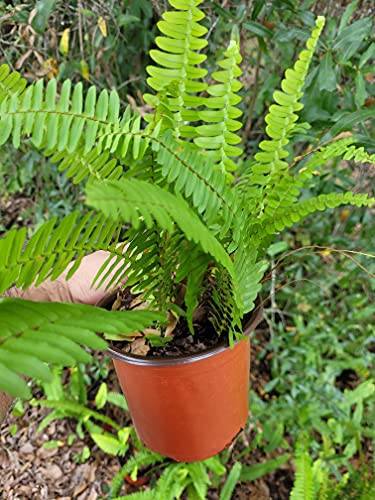
Non-Toxic Plant Options
Spider plants are easy to grow and safe for dogs. They look great in hanging baskets. African violets add color with their pretty flowers. They’re compact and do well on windowsills.
Areca palms bring a tropical feel. They’re larger plants that can fill empty corners. Orchids are elegant choices that come in many colors. They need some extra care but are safe for pets.
Bamboo is another good pick. It grows fast and can make a nice privacy screen. Maidenhair ferns have delicate fronds. They’re non-toxic and love humid spots like bathrooms.
Designing Pet-Safe Indoor Spaces
Create safe plant areas using tall shelves or hanging planters. This keeps plants out of reach. Use baby gates to block off rooms with plants when needed.
Try fake plants in spots dogs can reach. Many look very real now. Put catnip or dog-safe grasses in low pots for pets to enjoy safely.
Use positive training to teach dogs to leave plants alone. Reward them for ignoring plants. Give them chew toys as alternatives to nibbling leaves.
Set up a designated pet-free zone. Fill it with comfy beds and fun toys. This gives them their own space away from tempting greenery.
Care Tips for Houseplants and Pets
Pet owners can keep both their plants and animals safe with some simple steps. These tips help create a pet-friendly home with indoor greenery.
Avoiding Plant-Related Hazards
Choose non-toxic plants for your home. Many popular houseplants are safe for pets, like Boston ferns, spider plants, and African violets. Put plants out of reach on high shelves or hanging baskets.
Use pet-safe fertilizers and pest control methods. Avoid chemical sprays that could harm animals if ingested. Clean up fallen leaves and debris regularly.
Water plants carefully to prevent puddles that pets might drink from. Use saucers under pots to catch excess water. Move plants away from pet food and water bowls.
Training Pets Around Plants
Teach pets to leave plants alone through positive reinforcement. Reward good behavior when they ignore plants. Use deterrent sprays on leaves if needed.
Give pets their own safe “garden” with cat grass or catnip. This can reduce interest in other plants. Provide toys and scratching posts as alternatives.
Watch for signs of plant chewing, such as vomiting or loss of appetite. Contact a vet if you suspect your pet ate a toxic plant. With patience, most pets can learn to coexist safely with houseplants.

Frequently Asked Questions
Pet owners often have concerns about the safety of houseplants for their furry friends. These questions address common issues related to Boston ferns and dogs.
What should I do if my dog ingests part of a fern?
If your dog eats part of a fern, stay calm. Watch for signs of an upset stomach, like vomiting or diarrhea. Call your vet if symptoms appear or persist. They may recommend bringing your dog in for a check-up.
How does the toxicity of plants, like Boston ferns, vary between dogs and cats?
Plant toxicity can differ between dogs and cats. Boston ferns are generally safe for both. But some plants toxic to cats may be less harmful to dogs, and vice versa. It’s best to research each plant species for both pets.
Which indoor plants are safe to keep around dogs?
Many pet-friendly indoor plants exist. Some safe options include spider plants, African violets, and bamboo palms. Herb gardens with basil, oregano, and rosemary are also good choices. Always double-check before bringing new plants home.
What are the symptoms of fern toxicity in pets?
Fern toxicity symptoms in pets may include drooling, vomiting, and diarrhea. Some pets might show signs of mouth irritation or difficulty swallowing. If you notice these symptoms, contact your vet right away.
Can Boston ferns affect the health of cats in the same way as dogs?
Boston ferns are not toxic to cats or dogs. Both pets may experience mild stomach upset if they eat large amounts. Cats might be more likely to chew on the fronds due to their curious nature.
How can I identify which plants are most dangerous for my dog?
To identify dangerous plants, use trusted pet poison resources. The ASPCA has a comprehensive list of toxic plants. Local nurseries can also help. When in doubt, keep unknown plants out of reach of pets.

Conclusion
Boston ferns are safe for dogs. These popular houseplants pose no toxicity risk to canine companions. Dogs can nibble on Boston fern fronds without harm.
Pet owners can feel at ease keeping Boston ferns in their homes. The plants won’t cause poisoning if a curious pup takes a bite. This makes Boston ferns a good choice for dog-friendly households.
Some precautions are still wise. Large amounts of any plant can upset a dog’s stomach. It’s best to keep Boston ferns out of easy reach. This prevents mess and protects the plant too.
Other types of ferns may be toxic to dogs. It is essential to identify plants accurately. Boston ferns are safe, but some fern-like plants are not. Always check before bringing new plants home.
With proper care, Boston ferns and dogs can coexist happily. These lush green plants add beauty to a home without risk to furry family members.


Hello there! I’m Elsa, and gardening is my passion. As an avid gardener, I created GardeningElsa.com to share my knowledge and experience with fellow enthusiasts. My website is a comprehensive resource for gardeners of all levels, offering expert advice on a wide range of topics, including plants, flowers, herbs, and vegetable gardening. Whether you’re a beginner looking to start your first garden or a seasoned pro seeking to expand your knowledge, GardeningElsa.com has something for everyone. Read more about me.