
ZZ plants, scientifically known as Zamioculcas zamiifolia, have gained popularity as houseplants due to their low-maintenance nature.
Many people wonder if these tropical beauties need sunlight to thrive in indoor environments.
While ZZ plants can survive in low-light conditions, they grow best with bright, indirect sunlight.
This adaptability makes the Zanzibar Gem an excellent choice for homes with varying light situations.
The resilient ZZ plant has earned a reputation for tolerating neglect, including less-than-ideal lighting.

However, there’s a difference between merely surviving and truly flourishing.
When placed in medium to bright indirect light, these plants produce more stems and maintain their vibrant green color.
Too much direct sun can scorch their glossy leaves, so it’s best to keep them away from harsh afternoon rays.
If you’ve been keeping your ZZ plant in a dark corner, you might notice slower growth and fewer new shoots.
Moving it to a brighter spot with filtered light could transform your indoor plant experience.
Morning sunlight or a location near a window with sheer curtains provides ideal conditions for this adaptable houseplant to reach its full potential.
Sunlight Requirements for ZZ Plants
ZZ plants are adaptable to various light conditions, but they have specific preferences for optimal growth.
Light quality directly affects their health, growth rate, and overall appearance.
ZZ plants thrive in bright, indirect light for 6-8 hours daily.

This lighting condition promotes healthy growth and maintains their vibrant green foliage.
While they can survive in low-light conditions, they won’t grow as robustly or produce new shoots.
Many plant owners mistake tolerance for preference.
ZZ plants tolerate low light but prefer brighter conditions.
When placed in appropriate lighting, these plants reward owners with new growth and a fuller appearance.
Indoor locations several feet from east or west-facing windows typically provide ideal lighting.
North-facing windows may work if they receive enough ambient light.
South-facing windows often provide too much direct sun unless the plant is placed away from the window or protected by a sheer curtain.
Effects of Too Much or Too Little Light
Direct sunlight can damage ZZ plants by scorching their leaves.
Signs of excessive light include yellowing foliage, brown spots, or crispy leaf edges.
If you notice these symptoms, move your plant to a location with filtered light.
In contrast, insufficient light causes leggy growth, fewer new shoots, and slower overall development.
A ZZ plant surviving in low light will look sparse compared to one in proper lighting conditions.
To test if your plant needs more light, watch for new growth.
Plants in optimal conditions regularly produce new stems and leaves.
If your ZZ plant hasn’t shown new growth in months, it likely needs better lighting.
Rotating your plant quarterly ensures even growth, as ZZ plants naturally lean toward light sources.
Check out ZZ Plant Light Requirements
Watering and Humidity for ZZ Plants
ZZ plants are remarkably drought-tolerant houseplants that need careful attention to watering and humidity levels. Proper watering practices can prevent common issues like root rot while maintaining optimal growing conditions.

Watering Schedule for ZZ Plants
ZZ plants require infrequent watering compared to most houseplants.
Allow the soil to dry completely between waterings, which typically means watering every 2-3 weeks.
During winter months, reduce watering to once a month as the plant’s growth slows down.
The rhizome root system of ZZ plants stores water, making them extremely tolerant of drought conditions.
When watering, thoroughly soak the soil until water drains from the bottom holes of the pot. This ensures the roots receive adequate moisture.
Always check soil moisture before watering by inserting a finger 2 inches deep into the soil.
If it feels dry, it’s time to water. If it’s still damp, wait a few more days.
Humidity Preferences and Impact on Growth
ZZ plants are adaptable to average household humidity levels between 40-50%.
Unlike tropical plants, they don’t require high humidity to thrive.
Their thick, waxy leaves help them retain moisture even in dry environments.
This adaptation makes them excellent choices for air-conditioned spaces or homes with dry heating systems.
While ZZ plants tolerate low humidity, extremely dry conditions may cause leaf tips to brown.
If this occurs, consider using a pebble tray with water or placing the plant near other houseplants to create a slightly more humid microclimate.
Signs of Overwatering and Underwatering
Overwatering Signs:
- Yellowing leaves throughout the plant
- Soft, mushy stems
- Black or brown spots on leaves
- Foul smell from the soil
- Root rot (roots appear brown and mushy)
Overwatering is the most common cause of ZZ plant death.
If you notice these symptoms, reduce watering frequency immediately and check for root rot.
Underwatering Signs:
- Curling or wrinkling leaves
- Brown, crispy leaf edges
- Slow or stunted growth
- Drooping stems
Though ZZ plants can survive periods of drought, prolonged underwatering will stress the plant.
If you notice these signs, gradually increase watering frequency without overcorrecting.
Check out Overwatered ZZ Plant [Signs, Solutions, and Recovery Steps]
Soil and Drainage
ZZ plants need proper soil and drainage to thrive, even though they’re quite resilient. The right potting mix and adequate drainage prevent root rot and other moisture-related problems that can harm these otherwise tough plants.

Choosing the Right Potting Mix
ZZ plants prefer well-draining potting mixes that don’t retain too much moisture. A quality mix for ZZ plants typically contains:
- Standard potting soil (30-40%)
- Perlite or pumice (30%)
- Orchid bark or coarse sand (30%)
- A small amount of compost (optional)
This combination creates air pockets that allow roots to breathe while providing enough structure for the plant to anchor itself.
Commercial cactus or succulent mixes also work well for ZZ plants right out of the bag.
Avoid heavy garden soils or moisture-retaining mixes designed for tropical plants. These hold too much water and can lead to root problems.
Importance of Drainage
Proper drainage is critical for ZZ plant health, perhaps even more important than the soil itself. Without good drainage, even the best soil mix will eventually cause problems.
Every ZZ plant pot must have drainage holes at the bottom. These holes allow excess water to escape rather than pooling around the roots.
Adding a layer of gravel or broken pottery pieces at the bottom of pots can improve drainage further, though this isn’t strictly necessary with a well-draining soil mix.
When watering, look for water flowing freely from the drainage holes.
If water doesn’t drain within a minute or two after watering, the soil may be too compacted or the drainage holes might be blocked.
Check out Can I Use Cactus Soil for ZZ Plant?
Plant Care and Maintenance
ZZ plants need minimal care to thrive in your home. Proper maintenance includes occasional pruning, light fertilizing, and infrequent repotting to keep your plant healthy and attractive.
Pruning and Cleaning
ZZ plants rarely need pruning, but removing yellowing or damaged stems helps maintain their appearance.
Cut problematic stems at the base using clean, sharp scissors or pruning shears.
Always disinfect your tools before and after pruning to prevent disease spread.
Dust collects easily on ZZ plants’ waxy leaves, which can block light absorption.
Wipe leaves gently with a damp cloth every few weeks to keep them clean and shiny.
For a deeper cleaning, you can give your plant a gentle shower or use a diluted soapy water solution to remove stubborn grime.
If your ZZ plant becomes leggy or sparse, selective pruning can encourage fuller growth.
Don’t worry about pruning too much—these resilient plants recover well from even significant cutting back.
Fertilizing and Nutrient Requirements
ZZ plants need minimal fertilizer due to their slow growth rate.
Feed your plant with a balanced liquid fertilizer (NPK 10-10-10 or 20-20-20) diluted to half the recommended strength.
Apply fertilizer only during the growing season (spring and summer) every 2-3 months. Avoid fertilizing in fall and winter when growth naturally slows down.
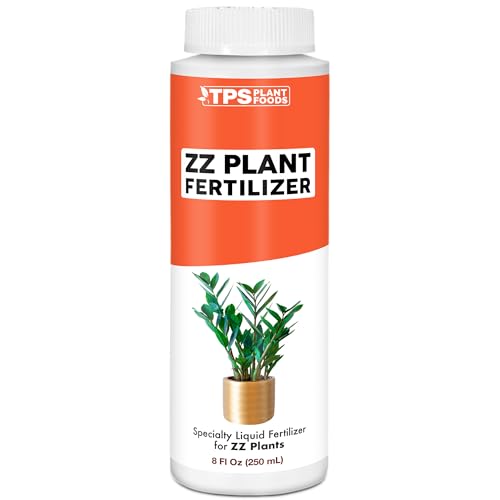
Fertilizing Schedule:
- Spring/Summer: Every 8-12 weeks
- Fall/Winter: No fertilizer needed
Over-fertilizing causes more harm than under-fertilizing for ZZ plants.
Signs of over-fertilization include brown leaf tips, salt buildup on soil, or stunted growth.
If you notice these symptoms, flush the soil thoroughly with water.
Repotting Necessities
ZZ plants prefer being slightly root-bound and typically need repotting only every 2-3 years.
The best time to repot is during spring when the plant enters its active growth phase.
Choose a container just 1-2 inches larger than the current pot with good drainage holes.
Use well-draining potting mix—combine regular potting soil with perlite or coarse sand (2:1 ratio) for ideal drainage.
Signs your ZZ plant needs repotting:
- Roots growing through drainage holes
- Water runs straight through without being absorbed
- Plant looks top-heavy or unstable
- Growth has significantly slowed despite proper care
When repotting, gently loosen the root ball and inspect for any damaged or rotting roots.
Trim these away with clean scissors before placing in fresh soil.
Water lightly after repotting and wait 1-2 weeks before resuming regular care.
Check out How to Take Care of a ZZ Plant?
Propagation Techniques
ZZ plants can be multiplied through several methods, giving you more plants without buying new ones. These techniques work well even if your ZZ plant grows in lower light conditions, though propagation success improves when the parent plant is healthy.
Stem Cuttings Method
Stem cuttings offer the fastest way to propagate a ZZ plant.
To start, select a healthy stem and cut a 4-6 inch section using clean, sharp scissors. Remove lower leaves, leaving just a few at the top.
Let the cutting dry for 1-2 days to form a callus at the cut end. This prevents rotting when placed in water or soil.
For water propagation, place the cutting in a clear container with enough water to cover the bottom inch. Change the water weekly to prevent bacteria growth. Roots typically appear within 3-4 weeks.
For soil propagation, plant the cutting in well-draining potting mix.
Water sparingly until roots establish. Keep the soil barely moist but never soggy.
Leaf Cuttings Approach
Leaf cuttings take longer but work well for multiplying ZZ plants.
Simply remove a healthy leaf with its petiole (leaf stem) intact from the parent plant.
Allow the cut end to callus for 24 hours.
Then place the cut end about one inch deep in well-draining potting soil. The soil should remain slightly moist but not wet.
Patience is essential with this method.
New growth can take 6-12 months to appear as the leaf first develops rhizomes underground before producing new stems.
Place your leaf cuttings in bright indirect light for best results.
Even though mature ZZ plants tolerate low light, propagations benefit from brighter conditions during the rooting stage.
Check out Are ZZ Plants Toxic to Dogs?
Common Pests and Diseases
ZZ plants are generally hardy, but they can still face problems with pests and diseases. Proper identification and prompt action are crucial to maintaining your plant’s health.

Identifying and Managing Pests
ZZ plants may attract several common pests found in houseplants.
Spider mites often appear as tiny dots on leaves with fine webbing. If you notice speckling or yellowing leaves, check the undersides carefully.
Mealybugs show up as white, cotton-like clusters in leaf joints or on stems. They can be removed with a cotton swab dipped in rubbing alcohol.
Scale insects appear as small brown bumps on stems and leaves. These immobile pests can be scraped off gently with a soft toothbrush.
Aphids may gather on new growth, causing distortion and sticky residue. A gentle spray of water or insecticidal soap can help control these pests.
For persistent infestations, try:
- Wiping leaves with a damp cloth regularly
- Spraying with neem oil solution
- Isolating affected plants to prevent spread
Preventing and Treating Diseases
ZZ plants rarely suffer from diseases, but improper care can lead to problems.
Root rot is the most common issue, caused by overwatering and poor drainage. Signs include yellowing leaves, soft stems, and a foul smell from the soil.
To prevent diseases:
- Use well-draining soil
- Water only when the top 2 inches of soil are dry
- Ensure pots have drainage holes
- Avoid wetting the leaves when watering
If root rot occurs, remove the plant from its pot and trim away affected roots. Repot in fresh, dry soil and reduce watering frequency.
Leaf spot diseases might appear as brown or black spots on foliage. Remove affected leaves and improve air circulation around the plant. Avoid overhead watering to keep foliage dry.
Check out 10 ZZ Plant Benefits at Home
Environmental Adaptability
ZZ plants have remarkable environmental adaptability that makes them perfect for various indoor settings.
Temperature Tolerances
ZZ plants can withstand a wide range of temperatures, making them flexible houseplants for different home environments.
They thrive in normal indoor temperatures between 65-75°F (18-24°C) but can tolerate occasional dips as low as 45°F (7°C).
These hardy plants don’t appreciate extreme cold or sudden temperature changes.
Keep them away from drafty windows during the winter months and avoid placing them near heating vents or air conditioners.
Unlike some fussy houseplants, ZZ plants don’t require high humidity levels to look their best. They adapt well to the typically dry air found in most homes, which adds to their reputation as low-maintenance plants.
The ZZ Plant as an Air Purifier
ZZ plants contribute to better indoor air quality by removing certain airborne pollutants.
Research shows they can filter common household toxins, including xylene, toluene, and benzene, from the air.
Their large, waxy leaves provide increased surface area for air purification. This makes them particularly valuable in spaces with limited ventilation or in urban environments with higher pollution levels.
The air-cleaning abilities work best when the plant receives adequate indirect light.
While ZZ plants survive in low light, their air-purifying functions are most efficient when they receive bright, indirect light that supports active growth.
For maximum air-purifying benefits, consider placing ZZ plants in bedrooms or living areas where people spend the most time.
Botanical Information and Varieties
ZZ plants, while famous for their ability to survive in low light, have interesting botanical origins and several distinct varieties that differ in size and appearance.

ZZ Plant Taxonomy and Origins
The ZZ plant’s scientific name is Zamioculcas zamiifolia, which belongs to the Araceae family. This family includes other popular houseplants like pothos and peace lilies.
ZZ plants are native to Eastern Africa, particularly in Tanzania, Kenya, and Zanzibar.
In their natural habitat, ZZ plants grow in forests and savannas where they experience periods of drought followed by heavy rainfall. This explains their incredible drought tolerance as houseplants.
The plant features thick, glossy leaves arranged on stems that grow from underground rhizomes. These rhizomes store water, enabling the plant to survive extended periods without watering.
ZZ plants were relatively unknown in the Western world until the 1990s, when Dutch nurseries began commercial cultivation. Their popularity has grown steadily since then.
Cultivars: Zamicro and Zenzi
Several ZZ plant varieties have been developed through cultivation, with Zamicro and Zenzi being two popular dwarf cultivars.
Zamicro: This compact variety grows to only about 12 inches tall, making it perfect for small spaces. Zamicro features the same glossy, dark green leaves as the standard ZZ plant but in a miniature form. The leaves grow more densely, creating a fuller appearance.
Zenzi: The Zenzi cultivar is another small variety, typically reaching 15-18 inches in height. Its most distinctive feature is the way its leaves cluster tightly together. Zenzi leaves are also slightly wider and more rounded than the standard ZZ plant.
Both these dwarf varieties maintain the same low-light tolerance and drought resistance as the standard ZZ plant. They require similar care but take up less space.

Check out ZZ Plant Toxic to Cats
Toxicity and Safe Handling
ZZ plants contain calcium oxalate crystals in their sap, which can cause irritation upon contact with skin. These crystals are the plant’s natural defense mechanism.
When handling ZZ plants, it’s best to wear gloves to prevent potential skin irritation. Wash your hands thoroughly after touching the plant, especially before touching your eyes or face.
ZZ plants are toxic to pets and humans if ingested. Keep them away from curious pets and small children who might try to chew on the leaves.
Symptoms of toxicity may include:
- Oral irritation
- Burning sensation
- Swelling of mouth and throat
- Digestive discomfort
If your pet shows signs of distress after contact with a ZZ plant, contact your veterinarian immediately. Similarly, seek medical attention if a child ingests any part of the plant.
Despite these precautions, ZZ plants remain popular houseplants. With proper placement and handling, they pose minimal risk in most households.
Store plant trimmings safely away from pets and children, and dispose of them properly. Never compost toxic plant material where pets might access it.
Frequently Asked Questions
ZZ plants are famously adaptable to various light conditions, but there are still important considerations for their care. These questions address common concerns about light requirements, indoor placement, and overall maintenance for healthy growth.
How much indirect light is required for optimal ZZ plant growth?
For optimal growth, ZZ plants benefit from medium to bright indirect light for 6-8 hours daily. While they can survive in less, providing adequate indirect light encourages fuller growth and prevents leggy stems. Plants placed near east or west-facing windows typically receive ideal light levels. Too much direct sunlight can scorch the leaves, so filtering light through sheer curtains helps protect the plant.
Is it possible for ZZ plants to thrive in low light conditions?
ZZ plants can survive in low light conditions, but they don’t truly thrive there. In minimal light, these plants enter a slower growth phase, producing fewer leaves and smaller stems. While they won’t die in low light, you’ll notice more vibrant, lush growth when given better light conditions. Many owners mistake mere survival for thriving, not realizing their plant’s full potential.
What type of artificial lighting is suitable for ZZ plants?
LED grow lights with both red and blue spectrum capabilities work well for ZZ plants. Position artificial lights about 12-24 inches above the plant for 8-10 hours daily. Fluorescent lights also provide adequate illumination, making them suitable for offices or rooms without natural light. Full-spectrum bulbs that mimic natural daylight offer the best results for ZZ plant growth.
What are the watering requirements for ZZ plants with minimal sunlight exposure?
ZZ plants in low light need significantly less water than those in brighter conditions. They might only require watering every 3-4 weeks, as reduced light slows growth and water consumption. Always check that the soil is completely dry before watering. Overwatering is the most common cause of ZZ plant problems, especially in low-light situations where moisture evaporates more slowly.
Can ZZ plants be placed outdoors for part of the year to benefit from natural light?
ZZ plants can benefit from spending time outdoors during warm months in dappled shade or morning sun. Temperatures should consistently remain above 50°F (10°C) for outdoor placement. Acclimate plants gradually by increasing outdoor time over a week. Protect them from direct midday sun, strong winds, and heavy rain that could damage the foliage or saturate the soil.
What are the ideal indoor locations for ZZ plants to ensure adequate light?
Near east-facing windows provide gentle morning light that ZZ plants enjoy. Several feet back from the south or west windows offers bright indirect light without scorching the leaves. Office environments with fluorescent lighting can sustain ZZ plants, though growth will be slower. Rotating the plant quarterly ensures even growth as stems naturally lean toward light sources.

Conclusion
ZZ plants are remarkably adaptable in terms of their light requirements. They can survive in low light conditions, making them excellent choices for darker spots in your home or office.
However, ZZ plants truly thrive in bright, indirect light. While they tolerate low light, they grow faster and develop more lush foliage when given adequate brightness without direct sun exposure.
Direct sunlight can harm ZZ plants by scorching their leaves. Place them near bright windows with filtered light or a few feet away from direct sun for best results.
The plant’s ability to handle various light conditions makes it exceptionally versatile for indoor spaces. This adaptability is one of the main reasons ZZ plants remain popular among both beginner and experienced plant owners.
For optimal growth, aim for medium to bright indirect light. In lower light conditions, expect slower growth, but the plant will still survive.
This flexibility makes ZZ plants perfect for nearly any indoor environment.
Remember to rotate your ZZ plant occasionally to ensure all sides receive equal light exposure. This promotes even growth and maintains the plant’s attractive appearance.
You may also like:
- Why Is My ZZ Plant Turning Yellow
- How Often Should You Water a ZZ Plant?
- Why Are My ZZ Plant Leaves Turning Brown?

Hello there! I’m Elsa, and gardening is my passion. As an avid gardener, I created GardeningElsa.com to share my knowledge and experience with fellow enthusiasts. My website is a comprehensive resource for gardeners of all levels, offering expert advice on a wide range of topics, including plants, flowers, herbs, and vegetable gardening. Whether you’re a beginner looking to start your first garden or a seasoned pro seeking to expand your knowledge, GardeningElsa.com has something for everyone. Read more about me.
