15 Best Companion Plants for ZZ Plant (Stylish & Easy to Grow Together)

ZZ plants are beloved for their easy care and attractive appearance. These hardy houseplants thrive in low light and require minimal attention, making them perfect for busy plant owners.

Pairing ZZ plants with compatible companions can enhance their beauty and create a more vibrant indoor garden.

ZZ plants grow well alongside other low-maintenance houseplants with similar care requirements.


Costa Farms ZZ Live Indoor Tabletop Plant in 6-Inch Grower Pot

Plants like snake plants, pothos, and peace lilies make excellent companions since they share preferences for light and watering schedules.

Creating these plant partnerships not only looks attractive but can also improve air quality and bring a cohesive look to your indoor plant collection.

1. Snake Plant

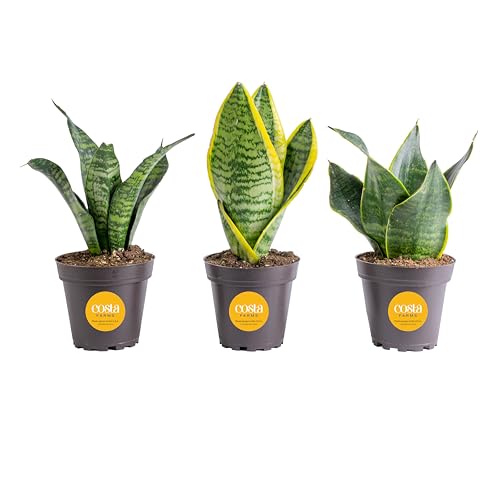
Snake Plants make excellent companions for ZZ Plants. They share similar care needs, preferring bright indirect light but tolerating low light conditions.

Neither plants require frequent watering, making them perfect partners.

Snake Plants, also known as Sansevieria or Mother-in-Law’s Tongue, have stiff, upright leaves that contrast nicely with the ZZ Plant’s arching stems. This creates visual interest in your indoor garden through different growth patterns.

Like ZZ Plants, Snake Plants are tough and resilient. They can handle dry air and irregular watering, making them ideal companions for busy plant owners. Together, they create a low-maintenance plant display.

The vertical growth habit of Snake Plants complements the more spreading nature of ZZ Plants. When placed together, they create a balanced arrangement with varying heights and textures.


Costa Farms Premium Live Indoor Snake Sansevieria Floor Plant Shipped in Décor Planter, 2-Feet Tall, Grower's Choice, Green, Yellow

Snake Plants also share the ZZ Plant’s air-purifying abilities. Both plants help remove toxins from indoor air, making them beneficial additions to any home. This makes them perfect companions in bedrooms or offices.

You can pot these plants separately but display them side by side. This allows each plant to have its ideal soil conditions while still creating a cohesive look.

Snake Plants prefer well-draining soil that dries out between waterings.

Their similar light requirements mean you can place both plants in the same location without worrying about one suffering. Both thrive in bright indirect light but can adapt to lower light situations.

When planning your display, consider using Snake Plants as a tall backdrop for shorter ZZ Plants. Or place a small Snake Plant next to a mature ZZ Plant for contrast in size and shape.

Both plants come in different varieties, offering options for creating diverse displays. Variegated Snake Plants with yellow edges pair beautifully with the glossy green leaves of ZZ Plants.

The contrast between the stiff, sword-like leaves of Snake Plants and the more delicate, compound leaves of ZZ Plants creates visual interest. This pairing works well on plant shelves or as part of larger plant groupings.

Check out Does ZZ Plant Need Sunlight?

2. Spider Plant

Spider Plants make excellent companions for ZZ Plants. Both plants are known for their hardiness and ability to thrive in various conditions. They share similar care requirements, making them easy to grow together.

Spider Plants have long, arching leaves with distinctive white stripes. They create a cascading effect that complements the upright growth of ZZ Plants. This combination creates visual interest in your indoor garden.

The two plants have compatible light needs. Both can tolerate low light conditions, although Spider Plants prefer a bit more brightness. Placing them near a window with filtered light satisfies both plants.


Easy to Grow Spider Plant Variegated - 2 Potted Houseplants in Grower Pots, Indoor Outdoor Low Maintenance

Their watering needs also align well. Both plants prefer to dry out between waterings. This makes them perfect for busy plant owners or those who occasionally forget to water their plants.

Spider Plants are excellent air purifiers. They remove toxins like formaldehyde and xylene from the air. When paired with ZZ Plants, which also have air-cleaning abilities, they create a healthier indoor environment.

Another benefit of Spider Plants is their ability to produce “babies” or plantlets. These small offshoots hang from the mother plant on long stems. They add visual interest and can be propagated to create new plants.

Spider Plants grow at a moderate rate compared to the slower-growing ZZ Plant. This difference in growth rate means they won’t compete for resources or overcrowd each other.

Both plants have adaptable temperature needs. They thrive in normal indoor temperatures between 65-75°F. Neither plant is particularly sensitive to temperature fluctuations, making them easy to care for together.

When potting these companions, use well-draining soil. Both plants are susceptible to root rot if left in soggy conditions. A standard potting mix with some perlite works well for both.

Spider Plants can be displayed in hanging baskets or on shelves above ZZ Plants. This arrangement takes advantage of the Spider Plant’s cascading growth habit while giving the ZZ Plant space below.

The green and white coloration of Spider Plants provides a nice contrast to the deep green of ZZ Plants. This color combination creates a visually pleasing display in your home.

Check out 10 Tips to Make ZZ Plant Grow Faster

3. Philodendron

Philodendrons make excellent companions for ZZ plants due to their similar care needs. Both plants prefer indirect light and can tolerate low light conditions. They also have comparable watering schedules, which makes maintenance simple.

Philodendrons bring trailing or climbing growth habits that contrast nicely with the upright structure of ZZ plants. This combination creates visual interest in your indoor garden. The heart-shaped leaves of many philodendron varieties add a different leaf shape to complement the oval ZZ plant foliage.


Philodendron Birken Live Plant | Indoor House Plant for Home Decor, Room Decor, Office Decor | Air Purifying Philodendron Houseplant | Elegant Plants Live Houseplants

When planted together, these plants create a harmonious ecosystem. According to search results, philodendrons and ZZ plants can share space effectively in a larger container. This pairing works because neither plant will compete too aggressively for resources.

Both plants are relatively pest-resistant, but philodendrons can actually help deter certain pests that might affect your ZZ plant. This mutual benefit makes them ideal companions. Their root systems are also compatible, with neither overwhelming the other.

Philodendrons come in many varieties, including trailing, climbing, and upright forms. This versatility allows you to choose the perfect philodendron to complement your ZZ plant arrangement. Some popular options include Heartleaf Philodendron, Brasil Philodendron, and Philodendron Birkin.

The tropical feel of philodendrons pairs naturally with ZZ plants to create a cohesive aesthetic. Their similarly glossy leaves reflect light in comparable ways, creating a unified look. Yet their different leaf shapes provide enough contrast to be visually interesting.

Both plants are known for their air-purifying qualities. When grown together, they can help improve indoor air quality more effectively than single plants alone. This health benefit adds to their appeal as companion plants.

The color contrast between different philodendron varieties and ZZ plants can be striking. While ZZ plants have uniformly green foliage, philodendrons offer variegated options with white, yellow, or cream patterns. This variation adds visual dimension to your plant display.

When potting these plants together, use well-draining soil that suits both species. A standard indoor potting mix with some perlite added works well for this combination. Make sure the container has adequate drainage holes to prevent root rot.

Position the philodendron toward the edge of the pot where it can trail or climb, while placing the ZZ plant more centrally. This arrangement allows both plants to display their natural growth habits. It also creates a more balanced visual composition.

Check out How Often to Water Philodendron in Winter?

4. Dracaena

Dracaena plants make excellent companions for ZZ plants. Both thrive in similar light conditions, preferring bright indirect light but tolerating lower light levels too. This adaptability makes them perfect partners in various home settings.

Dracaenas come in many varieties including Dracaena fragrans (Corn Plant), Dracaena marginata (Dragon Tree), and Dracaena ‘White Jewel’. Their upright growth habit complements the ZZ plant’s bushier appearance, creating visual interest.

Both plants have similar watering needs, which makes care easier. They prefer to dry out between waterings and don’t like soggy soil. This compatibility means you won’t need to remember different watering schedules.


American Plant Exchange Dracaena Mass Cane ‘Corn Plant’ – Live 6-Inch Potted Indoor Houseplant, Low-Maintenance Air-Purifying Plant for Home, Office & Low-Light Spaces

The colorful foliage of many Dracaena varieties adds a nice contrast to the ZZ plant’s glossy green leaves. Varieties with red, yellow, or white striped leaves create a particularly striking display when paired together.

Height differences between these plants create a layered look. Many Dracaena varieties grow taller than ZZ plants, which helps create depth in your plant display. This vertical element adds dimension to any plant grouping.

Both plants are known for their air-purifying abilities. When placed together, they can help improve indoor air quality more effectively than either plant alone. This makes them not just beautiful but functional companions.

Dracaenas and ZZ plants share moderate growth rates. Neither will quickly outgrow the other, maintaining balance in your plant arrangement over time. This means your display will stay proportional without frequent repotting.

For potting arrangements, you can plant these companions in separate containers placed near each other. While it’s possible to place two Dracaena plants in one pot, it’s best to keep ZZ plants and Dracaenas in separate containers to allow proper root development.

The tropical feel of both plants creates a cohesive aesthetic. Their similar native environments mean they look natural together and create a consistent vibe in your space. This harmony makes for a polished, intentional look.

Both plants have low pest susceptibility compared to other houseplants. This compatibility means you likely won’t need to treat one plant for pests while worrying about the treatment affecting its companion.

Check out Why Won’t My ZZ Plant Grow

5. Chinese Evergreen

Chinese Evergreen (Aglaonema) makes an excellent companion for ZZ plants. Both plants thrive in similar low to medium light conditions, making them perfect partners in less sunny spots of your home.

Chinese Evergreens feature stunning variegated leaves in shades of green, silver, pink, and red. This colorful foliage creates a beautiful contrast next to the glossy, dark green leaves of ZZ plants.

These plants share similar watering needs. Both prefer to dry out between waterings and cannot tolerate soggy soil. This makes maintenance easier when they’re grouped together.


Red Valentine Chinese Evergreen Plant - Aglaonema - Grows in Dim Light - 6" Pot

Chinese Evergreens grow at a moderate pace and reach about 1-3 feet tall and wide. Their compact growth habit works well alongside ZZ plants without competing for space.

Both plants enjoy similar humidity levels, though Chinese Evergreens prefer slightly higher humidity. Placing them near each other can create a microclimate that benefits both plants.

The temperature preferences align well between these two plants. They both thrive in normal room temperatures between 65-80°F and don’t tolerate cold drafts or sudden temperature changes.

Chinese Evergreens have air-purifying qualities similar to ZZ plants. Together, they can help improve indoor air quality by removing various toxins and pollutants.

When planting them near each other, leave adequate space for air circulation. This helps prevent pest issues and fungal problems that can develop in crowded conditions.

For a visually appealing arrangement, place the more colorful Chinese Evergreen varieties in front of the ZZ plant. This creates depth and showcases the beautiful leaf patterns of both plants.

Chinese Evergreens come in many varieties, allowing you to choose ones that complement your ZZ plant’s appearance. Silver Bay, Red Valentine, and Pink Dalmatian are popular options that pair well with ZZ plants.

Check out How to Tell If ZZ Plant Needs Water

6. Aglaonema

Aglaonema, also known as Chinese Evergreen, makes an excellent companion for ZZ plants. Both thrive in similar low to medium light conditions that are common in homes and offices.

Aglaonema adds a splash of color with its variegated leaves that can include shades of green, silver, red, or pink.

These plants share similar care requirements, making them easy to maintain together. They both prefer warm temperatures and can tolerate dry air, though they appreciate some humidity.

Neither plant needs frequent watering, which makes them a convenient pairing.


Aglaonema Live Plant Collection (4-Pack) - Chinese Evergreen Plants in 2-Inch Pots | Easy-Care Indoor Houseplants | Perfect for Low Light, Office Decor, and Air Purification

Aglaonema ‘Wishes’ and ‘Romeo’ varieties work particularly well alongside ZZ plants. The different leaf shapes create visual interest while maintaining a cohesive look.

Their complementary growth habits mean they won’t compete for space or resources.

Both plants are known for their air-purifying qualities. When placed together, they can help improve indoor air quality more effectively than either plant alone.

This makes them ideal for bedrooms or office spaces where clean air is especially beneficial.

Chinese Evergreens grow at a moderate pace, similar to ZZ plants. This means neither will outgrow the other too quickly.

You can expect a balanced, harmonious display that remains proportional over time.

For the best visual impact, try placing a taller ZZ plant behind a bushier Aglaonema.

The contrast between the ZZ plant’s upright stems and the Aglaonema’s fuller form creates an appealing arrangement. The different leaf textures also add dimension to your plant display.

Both plants resist pests naturally, which is another advantage of this pairing. When grown together, they can help deter common houseplant pests, reducing the need for chemical treatments.

Their natural resilience makes maintenance even simpler.

If you’re looking to create a low-maintenance plant corner, this combination is hard to beat. Both can survive occasional neglect and bounce back quickly.

They’re perfect for busy people or those new to plant care.

For small apartments or offices with limited space, these plants work well in a shared pot. Just ensure the container is large enough to accommodate both root systems.

Use well-draining soil that suits both plants’ preferences.

The color variations in Aglaonema can complement the deep green of ZZ plants beautifully. This pairing creates visual interest year-round without needing flowers.

It’s an evergreen display that stays attractive in all seasons.

Check out ZZ Plant Not Growing New Shoots

7. Calathea

Calatheas make excellent companions for ZZ plants in indoor settings. Both plants enjoy similar indirect light conditions, making them compatible roommates in your home.

Calatheas, with their striking patterned leaves, add visual interest next to the glossy, dark green foliage of ZZ plants.

While ZZ plants prefer to dry out between waterings, Calatheas need slightly more consistent moisture. This difference means you should pot them separately rather than together in the same container.


Calathea Collection (4 Pack) Live Plants – Stunning Foliage Prayer Plants Like Orbifolia, Rose Painted, White Star & Dottie – Easy Indoor Tropical Plants – Pet Friendly – Natural Air Purifiers

Place their pots near each other to create a stunning display while maintaining their individual care needs.

Calathea varieties like the Medallion, Orbifolia, and Rattlesnake have eye-catching leaf patterns that complement the simple elegance of ZZ plants.

Their colorful foliage creates a beautiful contrast when displayed alongside the more uniform ZZ plant leaves.

Both plants thrive in average home humidity, though Calatheas appreciate a bit more moisture in the air. Using a small humidifier nearby can benefit both plants while ensuring the Calathea stays extra happy.

Temperature needs for these plants align well, as both prefer standard indoor temperatures between 65-80°F.

Neither plant tolerates cold drafts or sudden temperature changes, making them suitable for the same indoor spaces.

Calatheas, like ZZ plants, don’t require frequent fertilizing. A diluted, balanced houseplant fertilizer applied monthly during the growing season works well for both plants.

The prayer plant movement of Calatheas, where leaves fold up at night, adds dynamic interest to your plant display. This natural movement contrasts with the steady, unchanging posture of ZZ plants.

Both plants have similar pest resistance, though Calatheas might occasionally attract spider mites in dry conditions.

Regular monitoring of both plants when grouped together helps catch any pest issues early.

Read How Often to Fertilize ZZ Plant?

8. Kalanchoe

Kalanchoe makes an excellent companion for ZZ plants due to their similar care requirements. Both plants thrive in bright, indirect light and need infrequent watering.

Kalanchoe’s colorful flowers add a pop of color next to the deep green ZZ foliage.

These succulents come in various colors including red, pink, yellow, and orange. Their vibrant blooms can last for weeks or even months, providing visual interest when paired with the more subdued ZZ plant.


Kalanchoe Live Succulents Plants Live Flowers (3 Pack), Kalanchoe Plant Live Succulent Plants, Kalanchoe Plants Live Indoor Plants Live Houseplants, Fresh Flowers for Delivery Prime by Plants for Pets

Kalanchoe plants are equally drought-tolerant, making them perfect companions for busy plant owners. They store water in their thick, fleshy leaves just like ZZ plants, allowing them to withstand occasional neglect.

The contrast between Kalanchoe’s small, scalloped leaves and the ZZ plant’s oval, glossy foliage creates an interesting visual texture.

This difference in leaf shape helps create depth and interest in your indoor garden display.

Both plants enjoy similar temperature ranges between 65-75°F (18-24°C). They also share a preference for well-draining soil, making care routines simple when grown together.

Kalanchoe typically grows to about 12-18 inches tall, complementing the ZZ plant’s height without overshadowing it.

This compatible size relationship allows both plants to receive adequate light when placed together.

When not flowering, Kalanchoe’s attractive foliage still provides visual interest. The leaves often have reddish edges that add a subtle color accent alongside the ZZ plant’s uniform green.

For maintenance, both plants benefit from occasional fertilizing during the growing season. A diluted, balanced fertilizer works well for both without causing overgrowth.

Kalanchoe plants also help create a more humid microclimate, which can benefit ZZ plants during dry winter months. Though both are drought-tolerant, they appreciate some ambient humidity.

Both plants are considered low-toxicity but should be kept away from pets who might chew on them. This shared characteristic makes them suitable for similar placement within your home.

When repotting, both plants prefer to be slightly rootbound and don’t need frequent transitions to larger containers.

This matching preference simplifies long-term care when growing them together.

Check out Why Are My ZZ Plant Leaves Curling?

9. Peace Lily

Peace Lily makes an excellent companion for ZZ plants. Both enjoy similar indoor conditions, though Peace Lilies prefer slightly higher humidity levels.

Peace Lilies have glossy green leaves with elegant white blooms that stand out against the ZZ plant’s dark foliage. This creates a beautiful visual contrast when placed together.

Both plants are low-maintenance and can thrive in low to medium light conditions. They’re also both known for their air-purifying qualities, making them a healthy addition to any indoor space.

For the best results, place your Peace Lily near but not right next to your ZZ plant. This allows each plant to have its own space while still creating a cohesive look.


Costa Farms Peace Lily, Live Indoor Plant with Flowers, Air Purifying Houseplant in Nursery Planter Pot, Potting Soil, Thinking of You Gift, Plants Room Decor, 1 Foot Tall

Peace Lilies prefer consistently moist soil, while ZZ plants like to dry out between waterings. Keep them in separate pots to accommodate their different watering needs.

The white flowers of Peace Lilies can brighten up a display of ZZ plants, adding interest to what would otherwise be only green foliage. The blooms appear periodically throughout the year with proper care.

Both plants are relatively compact and won’t compete aggressively for space. They also share tolerance for average indoor temperatures, making climate control simple.

For a stunning display, try placing a Peace Lily with trailing Pothos and upright ZZ plants. This combination creates different heights and textures that complement each other beautifully.

Peace Lilies and ZZ plants both appreciate occasional cleaning of their leaves to remove dust. This simple maintenance keeps both plants looking their best and helps them photosynthesize efficiently.

If you’re concerned about pets, note that both Peace Lilies and ZZ plants are toxic if ingested. Keep them out of reach of curious animals and small children.

Check out Why Is My ZZ Plant Leaning?

10. Pothos

Pothos plants make excellent companions for ZZ plants. They both appreciate similar growing conditions, making them easy to care for together.

Pothos plants have trailing vines with heart-shaped leaves that create a nice contrast to the upright structure of ZZ plants.

Both plants are known for their low-maintenance nature and ability to thrive in less-than-ideal conditions. ZZ plants and pothos can tolerate low light environments, though pothos may grow more slowly in dimmer areas.

Neither plant needs frequent watering, which simplifies care routines.

The visual appeal of pairing these plants comes from their complementary growth habits. While ZZ plants grow upward with thick stems, pothos vines can cascade down from shelves or hanging planters.

This combination creates an interesting vertical element in your indoor garden.

Pothos comes in several varieties, including golden pothos, marble queen, and neon, allowing you to choose a variety that best complements your ZZ plant. The different leaf patterns and colors add visual interest to your plant display.


Live Pothos Plants (4PK) Indoor Plants Live Houseplants, Pothos Live Plant House Plants, Money Plant Indoor Pothos Plant Decor, Devils Ivy Trailing Plants Live by Plants for Pets,Black

When planting them together, ensure the container has adequate drainage. Both plants are susceptible to root rot if overwatered.

A well-draining soil mix suited for houseplants works well for this pairing.

Pothos plants can be trained to climb or allowed to trail, giving you flexibility in how you arrange your plant display.

You can use plant stakes or moss poles to encourage upward growth alongside your ZZ plant.

Both plants have similar temperature preferences, thriving in normal household temperatures between 65-80°F.

This makes them perfect year-round houseplant companions that won’t compete for different environmental needs.

For maintenance, you can prune pothos vines to control their length and encourage fuller growth. The cuttings can easily be propagated to create new plants if desired.

ZZ plants rarely need pruning, making this pair relatively low-effort to maintain.

The air-purifying qualities of both plants make them beneficial additions to your home environment. They can help remove toxins from the air while adding natural beauty to your space.

Check out Should I Mist My ZZ Plant?

11. Aloe Plant

The Aloe plant makes a wonderful companion for your ZZ plant. Both plants require minimal care and thrive in similar conditions.

Their complementary growth habits and care needs make them natural partners in your indoor garden.

Aloe plants, like ZZ plants, prefer bright, indirect light but can tolerate lower light conditions. This makes them ideal companions in spaces where lighting may not be optimal.

Both plants are also drought tolerant, making them forgiving if you occasionally forget to water.


Costa Farms Aloe Vera, Easy to Grow Live Succulent Plant, Indoor Houseplant in Décor Plant Pot, Housewarming, Birthday Gift, Room or Home Decor, 10-12 Inches Tall

The succulent nature of both plants means they store water in their leaves.

This shared trait means they have similar watering schedules, which simplifies care. You won’t need to remember different watering routines for each plant.

Aloe plants bring additional benefits to your space. They are known for their air-purifying qualities and can help improve indoor air quality alongside your ZZ plant.

Their ability to remove toxins makes them a healthy addition to any room.

The contrasting appearance of Aloe and ZZ plants creates visual interest. Aloe’s spiky, upward-growing rosette form provides textural contrast to the ZZ plant’s arching stems and oval leaflets.

Together, they create an appealing display of different plant forms.

Aloe vera specifically offers medicinal properties. The gel inside its leaves can be used for minor burns, cuts, and skin irritations.

This practical benefit adds value beyond just aesthetics when paired with your ZZ plant.

Both plants are relatively pest-resistant. This shared characteristic means they won’t typically attract different pests that might spread between plants. Their robust nature makes them less susceptible to common houseplant problems.

When potting these companions, use well-draining soil mixes. Both plants are susceptible to root rot if their soil remains too wet.

A cactus or succulent mix works well for both Aloe and ZZ plants.

The Aloe plant’s compact growth habit means it won’t compete with your ZZ plant for space. While ZZ plants tend to grow outward, Aloe grows upward in a tight rosette.

This different growth pattern allows them to share space effectively.

For a cohesive look, plant them in similar or complementary containers. The strong architectural forms of both plants look striking in modern, minimalist pots.

Their green tones also blend well together in most home decor schemes.

Consider placing your Aloe and ZZ plant pairing in a bedroom or office. Both plants release oxygen at night, potentially improving sleep quality.

Their low maintenance needs also make them perfect for busy work environments.

Check out How to Make ZZ Plant Bushy

12. Tradescantia

Tradescantia makes an excellent companion for ZZ plants in indoor settings. These trailing plants add visual interest with their cascading growth habit and colorful foliage.

While ZZ plants grow upright with their bold stems, Tradescantia can spill over the edges of shelves or hanging baskets nearby.

Both plants share compatible care needs that make them good companions. They can tolerate similar light conditions, though Tradescantia generally prefers slightly brighter indirect light than ZZ plants.

Both can adapt to average indoor humidity levels.


Rare Nanouk Pink Tradescantia - 2" Pot - Collector's Series

Tradescantia comes in many varieties with different colored leaves. Some popular types include Tradescantia zebrina with purple and silver striped leaves, and Tradescantia fluminensis with green and white variegation.

This diversity allows you to select a variety that complements your ZZ plant’s deep green foliage.

Watering needs are where these plants differ slightly. Tradescantia typically requires more frequent watering than ZZ plants.

It’s best to keep them in separate pots rather than planting them together. This way, each plant can receive its ideal care.

In terms of aesthetics, the combination works well because of the contrasting growth habits. ZZ plants grow upright with architectural stems, while Tradescantia creates a softer, flowing appearance.

This pairing creates visual balance in your plant display.

Tradescantia also propagates easily from stem cuttings, making it simple to create more plants to expand your collection. This trait makes it a rewarding plant for beginners who want to try propagation techniques.

When placing these plants together, consider positioning Tradescantia on a shelf above your ZZ plant or on a nearby plant stand.

This arrangement showcases the trailing nature of Tradescantia while allowing both plants to receive appropriate care.

The purple varieties of Tradescantia particularly complement the glossy green leaves of ZZ plants. This color contrast creates a visually appealing plant display that adds dimension to your indoor garden.

Both plants are relatively resistant to pests, though Tradescantia can occasionally attract spider mites in dry conditions.

Regular inspection of both plants helps catch any issues early.

Temperature preferences align well between these plants. Both thrive in average home temperatures between 65-75°F (18-24°C) and don’t like cold drafts or sudden temperature changes.

13. Zanzibar Gem

The Zanzibar Gem is actually another name for the ZZ plant itself. This name highlights the plant’s exotic origins and gem-like glossy foliage.

ZZ plants pair well with themselves, creating a lush, textured display when multiple plants are grouped together. The varying heights and slightly different growth patterns create visual interest.

When pairing a ZZ plant with another ZZ plant, maintain similar care routines for both. They’ll thrive under the same low-light conditions and infrequent watering schedule.

Remember that all parts of the Zanzibar Gem are toxic. Keep this in mind when placing multiple plants together, especially in homes with pets or small children.

The glossy leaves of Zanzibar Gems reflect light, brightening darker corners of your home. Multiple plants can enhance this effect, making a dim area feel more vibrant.

For an interesting display, consider ZZ plants of different sizes. Young plants have a more compact growth habit, while mature specimens develop a fuller appearance.

Different ZZ plant varieties can also be paired together. Standard green ZZ plants look striking next to the rarer black varieties (Raven ZZ) or ones with lighter variegation.

The similar watering needs of multiple ZZ plants make maintenance easier. You can water them on the same schedule, allowing soil to dry completely between waterings.

ZZ plants grow from rhizomes that store water, making them drought-tolerant. When grouping multiple Zanzibar Gems, use containers with good drainage to prevent root rot.

The plants’ uniform care requirements make them perfect companions for each other in office environments or homes where low-maintenance options are preferred.

Their similar growth rates mean multiple ZZ plants will develop at comparable paces. This creates a balanced look when several plants are displayed together.

The architectural quality of ZZ plant stems creates an attractive silhouette. Multiple plants arranged together amplify this structural element in your home decor.

When grouping Zanzibar Gems, consider using containers of similar styles but varying heights. This creates a cohesive yet interesting arrangement that showcases the plants’ natural beauty.

14. Medium to Low Indirect Light Plants

ZZ plants thrive in medium to low indirect light conditions, making them perfect companions for other plants with similar light needs. These areas typically receive filtered light that isn’t intense enough to cast sharp shadows.

Snake Plants make excellent companions for ZZ plants in these lighting conditions. Both have similar watering requirements and can tolerate periods of neglect. Their contrasting leaf shapes create visual interest when displayed together.

Peace Lilies also do well in medium to low light alongside ZZ plants. Their glossy green leaves and occasional white blooms add variety to your plant collection. Just remember they need more frequent watering than ZZ plants.

Pothos is another great companion with its trailing vines and heart-shaped leaves. Available in various patterns like marble queen, golden, or neon, pothos adds diversity to your plant display while thriving in the same light conditions.

Syngonium, or Arrowhead Plant, offers attractive foliage that starts arrow-shaped and becomes more lobed as it matures. These medium-sized plants complement the upright growth of ZZ plants and adapt well to similar lighting.

Philodendrons, particularly heartleaf varieties, grow well alongside ZZ plants. Their trailing habit contrasts nicely with the ZZ plant’s structured growth pattern. Both appreciate similar light conditions.

Aglaonema (Chinese Evergreen) varieties offer colorful foliage options that brighten up low-light areas. Their pink, red, or cream variegation adds a pop of color next to the deep green of ZZ plants.

Cast Iron Plants (Aspidistra) are extremely tolerant of low light and irregular watering. Their long, arching leaves create a nice textural contrast with ZZ plants’ more structured growth.

Calatheas can work as companions if the area has consistent medium indirect light. Their patterned leaves add visual interest, though they require more humidity than ZZ plants.

Ferns like the Bird’s Nest Fern or Button Fern can thrive in medium indirect light. They add a softer, more delicate texture next to the bold leaves of ZZ plants.


PLANTVERS Live Fern Plant in a 4" Nursey Pot | Low Maintenance Indoor Houseplant | Tropical Air Purifying Green Foliage for Home & Office Decor | Easy-Care Indoor Plant (Bird Nest Fern (Plain))

Dracaena varieties, particularly Dracaena fragrans or D. marginata, grow well in medium indirect light. Their tall, architectural form complements the more compact growth habit of ZZ plants.

Rex Begonias offer stunning foliage in medium indirect light. Their colorful, patterned leaves create a beautiful contrast with ZZ plants, though they need more consistent moisture.

Spider Plants tolerate medium indirect light and produce arching stems with baby plants. They add movement and a cascading element when placed on shelves above ZZ plants.

Dieffenbachia (Dumb Cane) has attractive variegated foliage and grows well in medium light conditions. Its larger leaves create a nice backdrop for ZZ plants.

Monstera adansonii (Swiss Cheese Vine) can adapt to medium light conditions. Its perforated leaves add unique texture alongside ZZ plants, especially when allowed to trail from a shelf or hanging planter.

When grouping these plants with your ZZ plant, consider arranging them according to height and water needs. Place those with similar watering requirements together for easier maintenance.

15. Low-Maintenance Companions

ZZ plants are already known for being easy to care for. When you pair them with other low-maintenance plants, you create a display that thrives with minimal attention.

Snake Plants are perfect companions for ZZ plants. Both need similar care, with low light tolerance and infrequent watering schedules. Their architectural forms complement each other while requiring little maintenance.

Pothos plants make excellent low-effort companions. These trailing vines grow well in various light conditions and only need water when their soil dries out. Their cascading nature contrasts nicely with the upright growth of ZZ plants.

Peace Lilies can work well alongside ZZ plants in low to medium light areas. While they need slightly more frequent watering than ZZ plants, they clearly show when they need attention by drooping their leaves.

Succulents like Haworthia and Aloe can be good companions if your ZZ plant gets some bright, indirect light. These plants store water in their leaves and require minimal care, making them good matches for busy plant owners.

Chinese Evergreen (Aglaonema) plants tolerate low light and irregular watering similar to ZZ plants. Their colorful foliage adds interest without adding much to your plant care routine.

Spider Plants thrive in various conditions and produce baby plants that can be easily propagated. They need slightly more water than ZZ plants but still qualify as low-maintenance companions.

Monstera Deliciosa or Monstera Adansonii can work well with ZZ plants in medium light areas. While they grow larger, they don’t demand frequent care and their distinctive leaves create visual interest.

Syngonium (Arrowhead Plant) offers attractive foliage with minimal care requirements. These medium-sized plants adapt to different light conditions and don’t need frequent attention.

Philodendron varieties, especially heartleaf philodendron, grow easily in similar conditions to ZZ plants. Their trailing habit complements the upright ZZ plant, creating dimension without extra care.

Rubber Plants (Ficus elastica) make good low-maintenance companions. Their large, glossy leaves create a nice contrast to ZZ plants, and they can tolerate some neglect.

Cast Iron Plants (Aspidistra elatior) are incredibly sturdy and tolerate low light and irregular watering just like ZZ plants. They grow slowly but remain attractive with minimal attention.

Dracaena varieties perform well with similar care to ZZ plants. They come in various sizes and leaf patterns, adding height and texture to your plant collection without adding much work.

Most ferns need more humidity than ZZ plants, but the Bird’s Nest Fern is an exception that can work as a companion. It tolerates average humidity and needs only occasional watering.

When grouping low-maintenance plants, place them according to their light needs. While all these companions are easy to care for, some may prefer slightly more light or water than others.

ZZ Plant Companion Plants

Conclusion

ZZ plants make excellent companions with several other houseplants.

Snake plants stand out as ideal partners due to their matching low-light tolerance and similar watering needs.

Other compatible companions include pothos, philodendrons, and various succulents.

These plants share the ZZ plant’s preference for well-draining soil and tolerance for occasional neglect.

When pairing plants, consider their light requirements, watering needs, and growth habits.

Combining ZZ plants with other specimens can create visually appealing arrangements while maximizing space.

Remember that ZZ plants contain toxic compounds that may cause skin irritation.

Always wash hands after handling them and keep them away from pets and children.

For best results, monitor all companion plants to ensure one isn’t outgrowing or overshadowing the others.

Proper spacing allows each plant to thrive while creating a harmonious indoor garden.

With the right companions, ZZ plants can be part of stunning plant displays that are both beautiful and easy to maintain.

You may also like:

vegetable garden ideas

10 Vegetable Garden Layout Ideas