
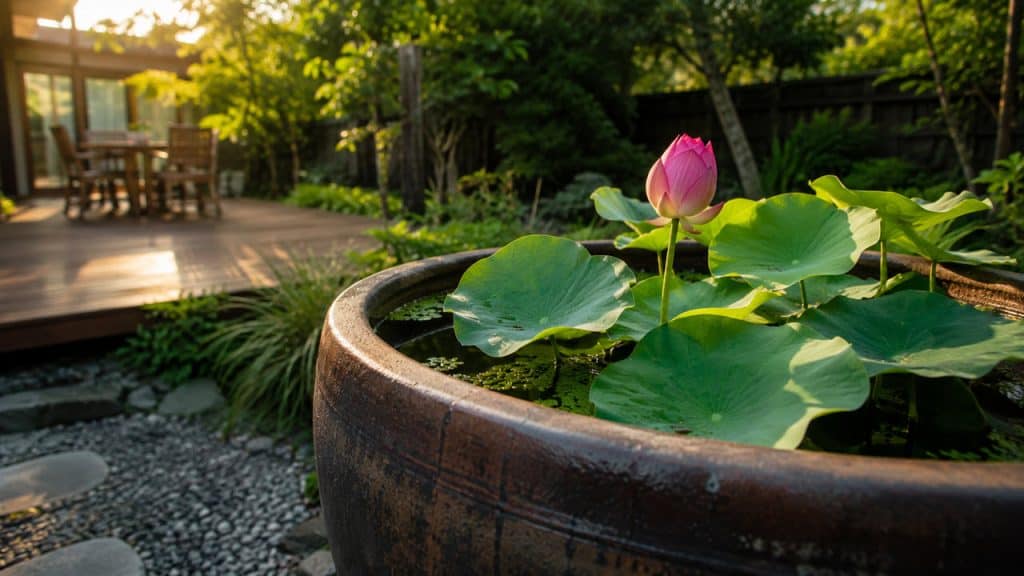
I still remember the first summer I grew a lotus (Nelumbo nucifera) in a half-barrel on my patio here in zone 7. The leaves shot up beautifully, tall and round like little green umbrellas, but week after week, no flower buds ever showed up. I kept waiting, convinced it just needed “more time.” Turns out, I was making three separate mistakes at once, and none of them had anything to do with patience.
If you’ve got a pond, a container, or even a small tub full of gorgeous lotus foliage but zero flowers, you’re not alone. This is one of the most common frustrations water gardeners run into, and it almost always comes down to a handful of fixable issues.
Below, I’ll walk you through exactly why your lotus isn’t blooming and what to do about each cause, based on years of trial and error in my own backyard water garden.
Why Lotus Plants Refuse to Flower
Lotus plants are tougher than they look, but they’re also picky about a few non-negotiable conditions. Miss one of these, and you’ll get plenty of leaves but no blooms at all.
Not Enough Direct Sunlight
Lotus plants need a minimum of 5 to 6 hours of direct, unfiltered sunlight every day to set flower buds. I learned this the hard way when I tucked my container lotus near a fence that shaded it every afternoon starting around 2 PM.
Even though the plant looked healthy and green, it never had enough energy reserves to push out a bloom. Lotus store energy in their tuberous rhizomes, and without strong light, they simply don’t have the fuel to flower.
If you’re growing lotus indoors during colder months, this becomes even more important — check out my guide on indoor lotus growing techniques for US winter months for specific light setups that actually work.
Pro Tip: I’ve found that moving a container lotus just 3 feet to catch full afternoon sun made the difference between zero blooms and six flowers in one season. Don’t underestimate a few extra feet of open sky.
Water Depth Is Wrong
This one trips up more beginners than anything else. Lotus need specific water depth over their crown (the growing point) depending on their size — dwarf varieties want 2 to 4 inches, while standard varieties prefer 6 to 12 inches.
Too much depth and cold water stays trapped low, chilling the tubers and delaying bloom time. Too shallow, and the water heats up too fast in summer, which stresses the plant. I always recommend checking my breakdown on how deep to plant lotus in garden ponds before you set your container in the pond this season.
The Growing Season Hasn’t Fully Arrived Yet
Lotus are warm-season bloomers. They typically won’t start flowering until water temperatures hit a consistent 75 to 85°F, which in most US zones means late June through August. If you’re in zone 5 or 6, your bloom window might not open until mid-July.
I’ve had readers from Minnesota email me panicking in early June, thinking their plant is dead, when really it’s just too early. Timing varies a lot by region, so I put together a full breakdown of lotus flower growing season in different USA regions to help you set realistic expectations based on your zone.
Container Is Too Small or Overcrowded
Lotus are vigorous growers, and their rhizomes need room to spread horizontally before they’ll commit energy to flowering. A container under 15 gallons will almost always produce leaves-only growth because the plant is focused on survival, not reproduction.
I switched my own lotus from a 10-gallon tub to a 25-gallon half-barrel, and blooms appeared within six weeks. If you’re working with limited patio space, my guide on a DIY lotus container garden for apartment balconies shows exactly what container sizes actually support flowering, not just leaf growth.
Nutrient Deficiency, Especially Phosphorus
Lotus are heavy feeders once established, and a shortage of phosphorus (the nutrient responsible for flower and root development) is one of the sneakiest reasons for bloom failure. Nitrogen-heavy fertilizers push out gorgeous leaves but actively suppress flowering if phosphorus is low.
I use aquatic plant tablets pushed 2 to 3 inches into the soil near, but not touching, the tuber every 3 to 4 weeks during the growing season. For exact ratios and timing, I always point people to my lotus plant fertilizer recommendations for USA water gardens — getting this wrong is one of the top reasons lotus stay leafy but flowerless.
Pro Tip: In my experience, overfeeding nitrogen is worse than underfeeding altogether. I once dumped a general “all-purpose” fertilizer into my pond thinking more was better, and got a jungle of leaves with not a single bud for the entire season.
Poor Water Quality
Lotus are more tolerant than people assume, but chronically dirty or algae-choked water stresses the plant and diverts energy away from blooming. Chlorinated tap water straight from the hose can also shock young lotus if you don’t let it sit for 24 to 48 hours first.
I check my pond’s clarity every week and do partial water changes if it turns pea-soup green. For the specifics on pH, hardness, and what “good” water actually looks like, see my post on water quality requirements for lotus plants.
Tuber Damage or a Weak Starting Plant
Sometimes the issue traces all the way back to planting day. A damaged, rotted, or overly small tuber may produce leaves for a season or two while it rebuilds strength, but it won’t flower until it’s fully recovered. This is especially common if you started your lotus from seed rather than a division.
If you’re growing from seed, patience really is the answer here — check my guide on how to grow lotus plants from seeds to understand the realistic multi-year timeline before first bloom.
Soil Type and Depth in the Container
Lotus need heavy, nutrient-dense clay-loam soil, not lightweight potting mix, to anchor their rhizomes and support bloom production. Loose, fluffy soil lets the tuber float or shift, which interrupts the energy the plant needs to flower.
I learned this after using regular potting soil one year and watching my tuber literally pop up out of the mud. My article on whether lotus plants can grow in clay soil containers covers exactly what mix ratio works best for container growers.
Things to Keep in Mind
- Sunlight is non-negotiable. Anything under 5 hours of direct sun will almost always mean leaves-only growth, no matter how well you fertilize.
- Don’t fertilize too early. Wait until you see at least 2-3 floating leaves before adding phosphorus-rich fertilizer; feeding a dormant tuber too soon can cause rot.
- Match variety to zone. Some varieties, like those bred for the South, need a longer warm season than Northern gardeners can offer — check what zone your specific lotus variety actually thrives in before assuming it’s your fault.
- Watch for wildlife disturbance. Raccoons, turtles, and birds can uproot young lotus tubers before they establish; my post on how to protect lotus plants from American wildlife pests covers simple barriers that work.
- Give it a full second season before giving up. Lotus grown from tubers sometimes need one full year to establish before they bloom, especially if transplanted in fall or early spring.
- Companion plants matter too. Overcrowding a pond with competing aquatic plants can shade your lotus just enough to block blooming — see my guide on companion plants for lotus for combinations that won’t compete for light.
Frequently Asked Questions
How long does it take for a lotus to bloom after planting?
Most lotus take one full growing season (roughly 90 to 120 warm days) to bloom after planting a healthy tuber. Plants grown from seed can take two to three years before their first flower appears.
Why does my lotus have lots of leaves but no flowers?
This is almost always a sunlight, phosphorus, or container-size issue. The plant is putting all its energy into leaf growth because it either lacks light or has too much nitrogen relative to phosphorus in the water.
Can I force a lotus to bloom faster?
You can’t force blooming, but you can remove the barriers holding it back — more sun, proper depth, and a phosphorus boost typically speed things up within a few weeks once water temperatures are warm enough.
Do lotus plants bloom every year?
Yes, established lotus with healthy, mature tubers reliably rebloom every summer as long as growing conditions stay consistent and the tuber survives winter dormancy.
What temperature does water need to be for lotus to bloom?
Lotus generally need water temperatures of at least 75°F to begin setting flower buds, with peak blooming happening between 80 and 85°F.
Is it normal for a lotus to skip a year of blooming?
It’s uncommon but can happen after a harsh winter, a tuber division, or a major relocation, since the plant may spend that season rebuilding energy reserves instead of flowering.
A non-blooming lotus almost always comes down to sunlight, water depth, container size, or nutrient balance, not bad luck. Fix those fundamentals and give your plant one full warm season, and blooms usually follow. I hope you found this article helpful.
You May Also Like
- Why are my lotus plant leaves turning yellow in summer?
- Sacred lotus vs American lotus: what’s the difference?
- Best lotus varieties for small backyard ponds
- How to grow lotus plants in cold USA climates
- What zone do lotus plants grow best in?

Hello there! I’m Elsa, and gardening is my passion. As an avid gardener, I created GardeningElsa.com to share my knowledge and experience with fellow enthusiasts. My website is a comprehensive resource for gardeners of all levels, offering expert advice on a wide range of topics, including plants, flowers, herbs, and vegetable gardening. Whether you’re a beginner looking to start your first garden or a seasoned pro seeking to expand your knowledge, GardeningElsa.com has something for everyone. Read more about me.
