Vegetable Garden Seeds Vs Plants: How to Choose

Picture the first warm weekend of spring. A gardener stands in the garden center, one side lined with shiny packets of vegetable seeds, the other packed with sturdy little tomato and pepper plants. That quiet moment of staring back and forth is the heart of the Vegetable Garden Seeds Vs Plants decision.

Vegetable Garden Seeds Vs Plants

This choice shapes the whole season. Seeds promise low cost and endless options but ask for time, space, and a bit of patience. Starter plants feel simple and safe, but they cost more and limit what ends up in the garden beds or containers.

This guide walks through cost, variety, time and effort, risk, and which crops are better from seed or as plants. With Gardening Elsa’s mix of formal horticulture training and real backyard experience, the goal is to replace confusion with calm, clear steps. There is no single right answer here, only the mix that fits each gardener’s space, schedule, and goals.

“The love of gardening is a seed once sown that never dies.” — Gertrude Jekyll

Key Takeaways

Many gardeners want a fast answer, so it helps to see the big picture up front before diving into details. The points below highlight how seeds and plants compare and how they can work together in one home garden. They also show how we support gardeners at every stage, from the first raised bed to a dialed‑in food garden.

  • Seeds stretch your budget and widen your choices. Seeds usually cost less per plant and open the door to far more varieties than any garden center can stock. They ask for more planning, space, and attention, especially when started indoors before the last frost date. For gardeners who want many plants of the same crop or rare heirloom types, seeds often feel like the smart path.
  • Starter plants save time and simplify the early phase. Starter plants skip the fragile germination stage and arrive ready to settle into garden beds, raised beds, or containers. They save weeks of work and are especially helpful for busy gardeners or those in cold climates with short seasons. The tradeoff is a higher price per plant and fewer choices on the nursery bench.
  • Most gardens do best with a mix of both. The strongest home gardens use both seeds and plants instead of picking one side forever. Root vegetables and many greens are almost always better from seed right in the soil. Long-season crops such as tomatoes and peppers usually do best with a head start indoors or from purchased plants.
  • Planning tools reduce guesswork. Gardening Elsa offers seasonal planning tools, plant propagation guidance, and step-by-step help that match seed and plant choices to each garden. With that support, the seeds versus plants decision stops feeling like a test and starts feeling like a set of clear options.

Seeds Vs. Plants: Understanding The Core Difference

At the simplest level, seeds are tiny dormant embryos waiting for the right mix of moisture, warmth, and air to wake up. When a gardener chooses seeds, they are signing on for that early stage, from the first sprout to a small, sturdy seedling ready for the garden. That usually means indoor lights, trays, and steady daily care, or direct sowing into prepared soil when conditions allow.

Starter plants, also called transplants or seedlings, have already passed that fragile phase under a grower’s care. By the time they reach the nursery bench, they have roots, leaves, and momentum, and only need a short hardening-off period before planting outside. With plants, another grower has done the most delicate work, and the home gardener takes over at a safer stage.

This early choice in the Vegetable Garden Seeds Vs Plants discussion ripples through the whole season. It affects the budget, the timing of harvest, how wide varieties appear in the garden, and how much indoor space and equipment are needed.

Some people love the hands-on process of raising seedlings, while others prefer to focus on outdoor care. We give the usual advice is not to pick a single side, but to mix seeds and plants in a way that matches each gardener’s time, space, and comfort level.

Cost Analysis: What You’re Really Paying For

At first glance, seeds look like a clear money saver. A packet of tomato seeds might cost only a few dollars and hold enough seed for dozens of plants. A single tomato transplant, on the other hand, can cost as much as that entire packet. On paper, it seems obvious that seeds win on cost per plant.

The real story is a bit more layered. To start warm-season crops indoors, most gardeners need more than just seeds and a windowsill. Strong seedlings usually require:

  • full-spectrum lights
  • seed trays or small pots
  • a sterile seed-starting mix
  • often a heat mat for peppers and eggplants

Once seedlings grow, they need potting mix and larger containers, which also add to the total bill.

For a big garden full of one or two favorite crops, that investment can pay off quickly. For a balcony gardener who wants two tomato plants and one pepper, the equipment cost may outweigh the savings. Starter plants look expensive on the shelf, but for small numbers, they often cost less than a full seed-starting setup.

Another piece to remember is seed life. Many vegetable seeds stay viable for several years when stored in a cool, dry, dark place, such as a sealed jar in the back of the refrigerator. That spreads the cost of a packet across several seasons and makes the math kinder over time.

Here is a simple example of how the cost per plant can compare for common crops.

CropTypical Seed Packet Price And CountApproximate Cost Per Plant From Seeds*Typical Nursery Plant Price
Tomato$3 for 30 seedsAbout $0.10, not counting equipment$4–$6 each
Basil$2 for 200 seedsA few cents per plant$3–$5 each
Lettuce six-pack$2 for 250 seedsPennies per plant$4–$5 per six-pack

*Assumes good germination and reuse of equipment over several seasons.

For gardeners watching their budget, there are simple ways to keep seed costs down without giving up variety:

  • Share packets with friends or neighbors. Sharing packets spreads out the cost and reduces waste. One person might grow half the tomato seeds, another grows the rest, and both enjoy more than enough plants. This works especially well for urban gardeners who only need a few plants of each type.
  • Look for seed libraries and swaps. Local seed libraries and community swaps offer low-cost or even free seeds. Many public libraries now include a small cabinet of seeds that members can take and later replace with saved seed. Community garden groups often host seasonal swaps where extra or older packets find new homes.
  • Watch for sales and budget-friendly sources. Shopping at lower-cost stores or end-of-season sales stretches a small gardening budget. Discount stores sometimes sell smaller packets that are perfect for tiny gardens. Late-season seed sales at nurseries can stock a gardener for the next year as long as the seeds are stored with care.
  • Learn simple seed saving. Saving seeds from open-pollinated or heirloom vegetables turns one purchase into a long-term supply. A single healthy heirloom tomato can provide seeds for years of future plants. Gardening Elsa’s propagation resources walk through clear, science-based steps for safe, reliable seed saving.

Variety And Availability: The Gardener’s Palette

Cost is only part of the story. For many gardeners, the main reason to favor seeds in the Vegetable Garden Seeds Vs Plants choice is variety. Seed catalogs and online seed companies offer thousands of options that never show up on nursery benches. There are black tomatoes, striped tomatoes, tomatoes shaped like peppers, and that is just one crop.

Heirloom seeds carry history, flavor, and cultural ties that standard nursery plants often miss. A gardener might want a specific bean for a family recipe or a squash from a certain region. These kinds of crops are far more likely to appear in seed catalogs than in the limited racks of a big-box store. Seeds give access to that wide range and let gardeners build gardens that reflect their tastes and traditions.

“To plant a garden is to believe in tomorrow.” — Audrey Hepburn

Nursery plants, by comparison, lean toward well-known, dependable varieties that perform under many conditions. These are great matches for new gardeners who want reliable harvests and do not want to read catalog descriptions for hours. The tradeoff is that many plants on the bench feel similar from one store to the next.

There is also a middle path. Small growers sell interesting starter plants through online marketplaces and local farmers’ markets. A gardener who wants a rare tomato but does not want an indoor seed setup can often order a started plant from a small grower. We suggest this mix of sources, paired with our seasonal planning tools, so gardeners can enjoy both reliability and special varieties in the same space.

Time, Effort, And Risk: What You’re Really Signing Up For

The choice between seeds and plants is also a choice about how much time and attention each gardener can give. Seeds ask for more work early in the season. Plants ask for more money but less effort indoors. Both have points where things can go wrong, and both can lead to healthy, productive gardens.

Starting From Seed: The Time Commitment

Starting vegetables from seed, especially indoors, is more like running a small nursery than just planting a packet. Most warm-season crops need to be sown six to eight weeks before the last frost date, long before the garden soil warms. During germination, the soil must stay evenly moist, and even one dry spell can cause tiny seedlings to fail.

The basic indoor seed-starting routine usually includes:

  • checking moisture at least once per day
  • adjusting light height as plants grow
  • watching the temperature so the seeds sprout evenly
  • Potting up seedlings into larger containers when roots fill their first cells

Once seeds sprout, light and temperature need close attention. Without strong light, seedlings stretch, become thin, and struggle later in the garden.

Many gardeners water at least once per day, and sometimes twice, depending on indoor heat and air flow. As plants grow, roots outgrow the first cells and need to be moved into larger pots so growth does not stall.

Before seedlings can live outdoors, they must go through hardening off, a one to two-week period of short visits outside. Time outdoors starts in shade and grows longer each day with a bit more sun and breeze.

Skipping or rushing this step can cause plants to wilt or burn when planted out. Because some loss is normal, Gardening Elsa suggests sowing more seeds than needed and then thinning to the strongest seedlings in each spot.

Buying Starter Plants: Convenience With Trade-Offs

Buying vegetable plants shifts much of that early effort to a grower who specializes in young plants. With this path, the gardener skips seed trays and daily indoor checks, moving straight to preparing beds or containers. It is especially helpful for people with full schedules, very limited indoor space, or a late start to garden plans.

Starter plants often carry a nice head start into the season. In short-summer climates, that head start can mean red tomatoes instead of green ones by fall. A well-grown plant already has a solid root system, several sets of leaves, and the energy to grow quickly once planted at home. Many beginners enjoy the instant progress of putting a leafy plant in the soil on day one.

Starter plants make the most sense when:

  • You are starting your first vegetable garden and want quick success
  • Your growing season is short, and frost comes early
  • You decided to garden later in spring and missed the indoor sowing windows

There are trade-offs, though. Plants moved from a warm, protected greenhouse into outdoor wind and sun can experience transplant shock. Leaves can yellow or stall for a week or two while roots adjust.

Nursery plants can also bring pests or diseases into a clean garden if shoppers do not check leaves and stems carefully, including the undersides. Another concern for some gardeners is that nursery practices may include synthetic fertilizers or pesticides that they would rather avoid.

A helpful middle method is to try seeds while also budgeting for a possible nursery trip. A gardener might sow several tomato varieties from seed and, if they fail, pick up a few reliable plants from a local grower. Gardening Elsa often recommends this backup plan, since it keeps harvest goals on track while still building seed-starting skills over time.

What To Grow From Seed Vs. What To Buy As Plants

Some crops almost always shine when started from seed right where they will grow. Others really need an indoor head start or a purchased plant to make a full crop before frost. Once these groups are clear, the Vegetable Garden Seeds Vs Plants decision becomes far easier for each planting plan.

Always Direct-Sow These Vegetables From Seed

Several vegetables dislike being moved once their roots begin to grow. Others sprout so quickly in cool soil that there is little point raising them indoors. These are the ones to plan for direct sowing in garden beds, raised beds, or deep containers.

Vegetable GroupExamplesWhy Seed In Place Works Best
Root cropsCarrots, radishes, beets, parsnips, turnipsThe edible root forms where the seed sprouts, and transplanting can twist or stunt it.
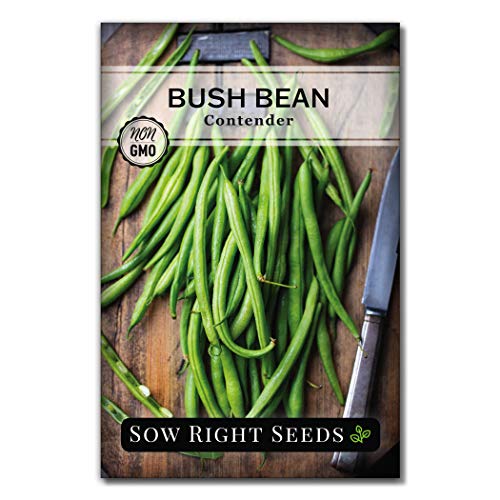
Fast legumesBush beans, pole beans, peasSeeds sprout fast in cool soil and often catch up with any transplants.
Tender greensLettuce mixes, spinach, baby Asian greensTiny seeds scatter easily, and direct sowing gives thick, even patches for harvest.
CucurbitsCucumbers, summer squash, winter squash, melons, pumpkinsRoots dislike disturbance, and plants grow quickly once the soil warms.

With these crops, money spent on starter plants rarely brings better results. A simple furrow, good seed-to-soil contact, and steady moisture bring strong stands of seedlings. Gardening Elsa’s plant propagation guides give clear, step-by-step direct-sowing tips for each of these groups, including spacing and thinning advice.

Start Indoors Or Buy As Plants: Long-Season Crops

Other vegetables need more warm weather than many climates can provide if seeded straight into the ground. For these, indoor sowing or purchased plants are almost always the better path if a full harvest is the goal.

Tomatoes, peppers, and eggplants are classic examples. In most parts of the US, they must start life indoors several weeks before the last frost so they can flower and fruit before cold weather returns. Starting from seed at home offers broad variety and control over growing methods. Buying plants, though, saves time and gives newer gardeners a much higher chance of picking ripe fruit before fall.

Members of the brassica family, such as broccoli, cabbage, cauliflower, and kale, also respond well to an early indoor start. When started indoors late in winter and planted out in cool spring weather, they mature before summer heat pushes them to bolt and flower. This timing produces tighter heads and sweeter leaves.

Herbs call for a split approach. Perennial herbs like rosemary, thyme, sage, and oregano can be slow and fussy from seed. Buying one well-grown plant and keeping it in a sunny spot for several years usually makes more sense. Annual herbs that people use by the handful, such as basil, cilantro, dill, and parsley, favor seeds. They can be sown again and again in beds or containers so fresh leaves are always on hand.

Here is a quick comparison to guide choices.

Crop Or GroupBetter From Seed Or PlantSimple Reason
Tomatoes, peppers, eggplantsEither, with a head startNeed a long warm season; seeds give variety, plants give convenience.
Broccoli, cabbage, cauliflower, kaleStart indoors or buy plantsEarly indoor start means harvest before strong summer heat.
Perennial herbsBuy plantsSlow from seed and one plant usually supplies plenty.
Basil, cilantro, dill, parsleySeedsUsed often and bolt quickly, so repeated sowings are helpful.

Gardening Elsa’s seasonal garden planning resources help map these choices to each climate zone and space. With a simple calendar, gardeners can see at a glance which crops they should buy, which they should seed indoors, and which go straight into the soil.

Essential Setup For Starting Seeds Indoors

For gardeners who decide to start some crops from seed indoors, setup matters far more than fancy varieties. Weak light, soggy soil, and poor air flow lead to thin stems and failing seedlings. A simple, thoughtful seed-starting station gives young plants what they need without wasting money on gadgets.

Before buying anything, it helps to choose a cool, reachable spot such as a spare table, shelf, or corner of a room. The space should handle a bit of splashed water and have an electrical outlet within reach for lights and, if needed, heat mats. From there, the most important pieces are light, consistent warmth for some crops, and a clean growing medium.

Lighting: The Non-Negotiable Investment

Light is the one part of indoor seed starting that cannot be skipped or faked. A sunny window may seem bright, but light comes from only one side and changes as the day goes on. Seedlings bend toward that side, stretch to reach the light, and end up tall, pale, and weak.

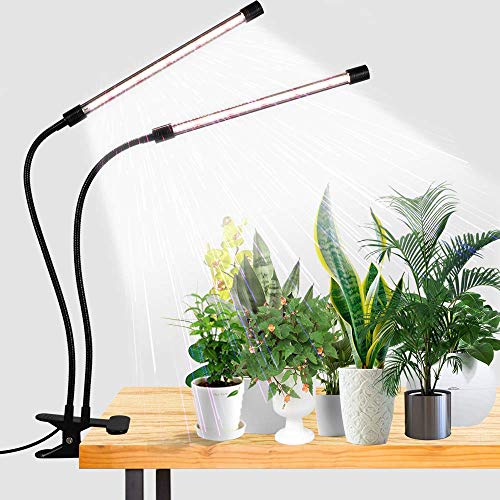
Full-spectrum grow lights placed a few inches above the seedlings give much better results. When light comes from overhead, plants grow straight up with short, strong stems and well-spaced leaves. The lights stay on for twelve to sixteen hours each day, then turn off so plants can rest. As seedlings grow taller, the light fixture is raised to keep the distance about two to four inches above the leaf tips.

Many gardeners report that once they add proper lights, their seed-starting success improves more than any other single change. Gardening Elsa often suggests that if a gardener can only invest in one piece of equipment, lights come first.

Heat, Containers, And Growing Medium

Warm-season vegetables care just as much about soil temperature as air temperature when it comes to sprouting. Peppers and eggplants especially can sit in cool soil for weeks without germinating, then pop up quickly once the soil warms. A seedling heat mat placed under trays keeps soil in the right temperature range and helps seeds sprout in a steady, predictable way.

Container choice is flexible as long as drainage is good. Store-bought seed trays with individual cells work well and stack neatly. Clean yogurt cups, paper cups, or cut-down milk cartons can also serve as pots if holes are poked in the bottom. No matter which type is used, seedlings often start in small cells and move into three or four inch pots once they grow several true leaves.

The material that fills those containers matters, too. A fine, sterile seed-starting mix holds moisture without staying soggy and does not carry weed seeds or disease spores. Garden soil is too heavy and often brings pests inside with it, and even regular potting mix can be too rough for tiny roots. Clear labels with the crop name and sowing date help keep track of what is what, which becomes important once trays fill up.

Good air flow reduces disease problems indoors. A small fan set on low helps strengthen stems and keeps the surface of the mix from staying too wet. Gardening Elsa’s guides include simple layout ideas to combine lights, heat mats, and trays into a seed-starting nook that fits even a small home.

Timing Is Everything: Syncing Seeds And Plants To Your Growing Season

Even the best seed-starting setup or the healthiest nursery plant will struggle if timing is off. Every region has an average last frost date in spring and an average first frost date in fall. These dates mark the edges of the main growing season and guide when to start seeds indoors and when to plant seeds or plants outside.

Most seed packets list a range of weeks before the last frost date to sow seeds indoors. Long-season crops such as tomatoes and peppers often suggest six to eight weeks. Starting much earlier than this can backfire, because seedlings outgrow their containers and become root bound and leggy while waiting for safe outdoor weather. Starting too late shortens the warm period they need to set fruit and ripen.

A simple timing checklist looks like this:

  1. Find the average last spring frost date and first fall frost date for your area.
  2. Read each seed packet for “weeks before last frost” sowing guidance.
  3. Count backward on a calendar to set indoor sowing and outdoor planting dates.

Gardeners in short-season zones, such as parts of the northern US, have less frost-free time and need to be careful with timing. In these areas, long-season crops almost always need either indoor seed starting or starter plants. Direct sowing tomatoes or peppers outside in these climates often leads to green fruit that never ripens before frost.

Hardening off links indoor time to outdoor time. About one to two weeks before planting out, seedlings or new nursery plants spend a short period outside each day.

Time outdoors begins in a shaded, sheltered corner for an hour or two, then increases each day with more sun and exposure to breeze. This steady practice helps leaves and stems adjust to sun strength and wind so plants do not scorch or snap after planting.

“Nature does not hurry, yet everything is accomplished.” — often attributed to Lao Tzu

Gardening Elsa’s seasonal planning tools and calendars bring all of this together. By filling in frost dates and chosen crops, a gardener can see on one page when to start seeds indoors, when to direct sow outside, and when to shop for starter plants.

Conclusion

Choosing between seeds and plants can feel like a big early-season decision, but it becomes clear once the main pieces are on the table. Cost, variety, time, risk, crop type, and local season length all play a part. Seeds usually shine for variety, budget, and crops that prefer direct sowing. Plants shine for convenience, late starts, and long-season crops in cooler zones.

Most successful home gardens include both sides of the Vegetable Garden Seeds Vs Plants debate. Root crops, greens, and herbs often begin as seeds, while tomatoes, peppers, and some herbs may arrive as sturdy plants. What matters most is not matching anyone else’s mix, but finding the blend that fits each gardener’s space, experience, and energy.

FAQs

Is It Cheaper To Grow Vegetables From Seeds Or Buy Plants

Seeds usually cost less per plant, especially when many plants of the same crop are grown. A packet can supply a garden for several seasons if it is stored well, which spreads that cost even more. Indoor seed starting does need equipment such as lights, trays, and sometimes heat mats, so the first year can feel more expensive. Buying plants can be cheaper for small gardens that only need one or two of each crop.

Which Vegetables Should Always Be Grown From Seed

Some vegetables respond far better to direct sowing than to transplanting. Root crops such as carrots, beets, and radishes form their edible roots where the seed sprouts, and moving them can bend or stunt those roots. Fast-growing greens and legumes, including lettuce, peas, and beans, sprout quickly in cool soil and do not gain much from an indoor start. Cucumbers, squash, and melons also tend to do best when their seeds go straight into warm garden soil.

Can Beginners Successfully Start Vegetables From Seed

New gardeners can succeed with seeds, especially if they choose easier crops at first. Lettuce, peas, beans, and radishes usually sprout fast and do not need special indoor equipment when sown directly outdoors. Starting tomatoes and peppers from seed indoors is more advanced because they require steady light, warmth, and hardening off before planting outside. We often suggests beginning with simple direct-sown crops, then adding a few indoor projects once basic garden care feels comfortable.

What Is Hardening Off And Is It Really Necessary

Hardening off is the step that teaches indoor-grown plants to handle outdoor life. Seedlings or nursery plants that have lived under mild light and steady temperatures need time to adapt to sun, wind, and cooler nights. Over seven to fourteen days, they spend longer periods outside each day, starting in shade and slowly moving into more sun. Skipping this process can cause leaves to burn, stems to snap, or whole plants to stall, so it deserves a spot in every planting plan.

How Do I Know When To Start Seeds Indoors

The starting point is the average last frost date for the local area, which can be found through the USDA or a county extension office. Seed packets list how many weeks before that date to sow indoors for each crop. Counting backward on a calendar from the last frost date gives a simple, clear sowing window. Aiming for that window avoids seedlings that are too small to plant or so large and root bound that they struggle once they reach the garden.

vegetable garden ideas

10 Vegetable Garden Layout Ideas