The basil plant on the kitchen counter looked perfect last week. Now the leaves are drooping, turning yellow, and dropping on the soil, and it is hard not to wonder why your basil plant is dying after so much care and attention. It feels unfair when a herb that seems simple in the store turns tricky at home.

Basil is one of the easiest herbs to grow once its needs are understood, yet it is also one of the quickest to complain when something is off. A dying basil plant is almost always reacting to a clear cause, such as too much water, not enough light, a cold draft, poor soil, or tiny pests. The good news is that nearly all of these problems are fixable once they are spotted early.
We focus on exactly this kind of real‑life troubleshooting. The guidance here blends horticulture training with years of growing herbs in containers, on balconies, and in backyard beds, then turns that knowledge into clear steps anyone can follow. By the end of this guide, you will know how to diagnose why your basil plant is dying, how to fix the issue, and how to keep fresh, flavorful basil coming for months instead of weeks.
As many herb gardeners like to say, “Basil hates wet feet and cold shoulders.”
Key Takeaways
- Most people lose basil to water problems rather than anything else. Overwatering suffocates roots and invites root rot, so checking soil with a finger before every watering protects the plant better than any strict schedule ever will. Pair that habit with a pot that drains well, and you already avoid the main killer.
- Light and temperature drive everything for basil. This herb needs at least six to eight hours of direct sun each day and wants warm days with nights that stay above fifty degrees Fahrenheit, because a single cold night or lack of sun can weaken the plant fast. When basil has the right light and warmth, every other fix works better.
- Bugs and diseases show up more often on stressed plants. Regular checks for aphids, spider mites, and whiteflies, along with simple organic tools such as insecticidal soap or neem oil, keep damage small and manageable. Dry leaves, open air around the plant, and clean soil also make fungal problems far less likely.
- Good soil, drainage, and pruning keep basil productive over the long term. A loose, rich potting mix in a container with real drainage holes supports healthy roots, while regular pruning from the top keeps the plant bushy and delays flowering. Because basil is an annual, starting new plants during the season is the best way to always have strong, tasty leaves.
How To Diagnose Why Your Basil Plant Is Dying
When a basil plant starts to wilt, yellow, or drop leaves, it is sending signals rather than giving up at random. The key to saving it is to read those signals and match them to what is going on around the plant. Thinking this way turns a sad, dying basil plant into a simple problem that can be narrowed down step by step.
Most issues fit into three big groups:
- Environmental stress: light, temperature, drafts, and airflow.
- Care mistakes: watering habits, soil choice, container size, nutrients, and pruning.
- Biological threats: pests and diseases.
Many plants suffer from two or three of these at the same time, so it helps to look at the whole picture instead of assuming only one cause. Taking a quick photo of your plant each week can also help you notice patterns you might miss day to day.
At Gardening Elsa, I like using a quick visual checklist so nothing is missed. Use the table below as a starting point, then read the detailed sections that follow for exact fixes.
| Symptom Observed | Likely Cause |
|---|---|
| Lower leaves yellow while soil feels wet | Overwatering or beginning root rot |
| Whole plant droops and soil is bone dry | Underwatering and heat stress |
| Tall, thin stems with few leaves | Insufficient light and plant stretching toward sun |
| Stem base dark, soft, or black | Advanced root rot and fatal damage to roots |
| Yellow patches with fuzzy gray purple underside | Downy mildew infection |
| Tiny insects on new growth or leaf undersides | Aphids, spider mites, or whiteflies feeding on sap |
Once you match your basil’s symptoms to a row in the table, you can move straight to the matching section and apply the steps there. Most plants that still have green, firm stems bounce back well when the real cause is corrected early.
A common gardening motto is, “When in doubt, check the soil, not the calendar.”
Watering Problems — The Most Common Reason Basil Plants Die
If someone asks why a basil plant is dying, water is almost always the first place to look. Basil loves consistent moisture but hates to sit in soggy soil, which means it suffers both when watered too often and when it dries out completely. The trick is to water deeply, then wait until the top of the soil dries before watering again.
Overwatering is by far the most frequent issue. Well‑meaning gardeners top up the pot every day, the roots slowly suffocate, and fungi move in. Underwatering is less common but shows up fast in hot weather or in tiny pots. Learning the signs of each problem and using a simple finger test keeps the balance right.
Signs And Fixes For Overwatering
Overwatering harms basil because roots also need air pockets in the soil. When the pot stays soaked, roots can no longer breathe well, and fungi that cause root rot grow in that wet, stale environment. At first the damage hides under the soil surface, so the only clues are in the leaves and stem.
Common signs of overwatering include the following:
- Lower leaves turn yellow first while the top of the plant still looks fairly green. The yellowing can spread upward over time, and leaves may feel a bit soft rather than crisp. Many gardeners mistake this for a nutrient issue, but wet soil at the same time points straight to too much water.
- Leaves start falling off, both yellow ones and some that still look green. The plant literally drops foliage because the weakened root system cannot support as many leaves anymore. This leaf drop can happen suddenly after a stretch of cloudy, cool days when the soil stays wet longer than usual.
- The stem near the soil line becomes dark brown or black and feels mushy. This means root rot has moved into the stem itself, cutting off flow to everything above. A plant at this stage is already in serious trouble and often will not recover even if the soil is allowed to dry.
- The soil stays wet for days, sometimes smelling sour or swampy. You might also see a slimy green film or white mold on the surface, both of which show that the pot never truly dries between waterings. Fungus gnats hovering over the soil are another clue that it stays too wet.
The first tool for prevention is the finger test. Before every watering, slide a finger into the soil about an inch deep near the stem. If that layer still feels damp or cool, wait and check the next day again. If it feels dry and crumbly, it is time for a thorough drink.
To rescue a basil plant that is overwatered but still has a firm, green stem, follow these steps:
- Stop watering and let the soil dry until at least the top inch feels dry by touch. This pause gives the roots a chance to use up extra moisture and regain some access to air pockets. Place the pot in a bright, warm spot with good airflow so the surface can dry faster.
- Check the drainage and fix any problems. Make sure the container has real holes in the base, and empty any saucers so water does not sit under the pot. If water puddles on the surface instead of soaking in, the soil mix might be too dense and need replacing.
- If the pot feels heavy and the soil looks waterlogged, carefully slide out the root ball and inspect the roots. Trim away any black, mushy sections with clean scissors, keeping only firm, light‑colored roots. Repot into fresh, well‑draining soil, then water once to settle the mix and allow the plant to dry slightly before the next drink.
Once the stem turns fully black and mushy, the plant cannot be saved, so prevention and early action matter far more than any rescue attempt.
Signs And Fixes For Underwatering
Underwatering stresses basil in a different way. Without enough moisture, plant cells lose pressure, leaves flop, and the whole plant can look dead even though the roots are still fine. This is very common in hot weather, in tiny nursery pots, and in porous clay pots placed in full sun.
You will usually see these signs:
- The entire plant looks limp, droopy, and lifeless, yet the leaves stay fairly green at first. When you touch them, they feel soft and floppy instead of firm. This is the plant’s way of saying it cannot move water up from the roots fast enough.
- Leaf edges and tips become dry, brown, and crispy if the dry period lasts longer. Once tissue dries out this way, it will not recover, though new leaves can grow once the plant is rehydrated.
- The soil is pale, crusty, and pulled away from the sides of the pot. When water is poured on top, it runs straight down the gap and out the bottom instead of soaking into the root zone.
To revive an underwatered basil plant, use this bottom‑watering method:
- Water slowly at the base of the plant until water starts running out through the drainage holes. This reintroduces moisture, though the first pass may escape quickly through dry soil.
- Place the pot in a shallow tray of water for thirty to sixty minutes so the soil can soak from below. The mix acts like a sponge, drawing water upward to reach every root. After that time, remove the pot from the tray and let any excess drain away.
- Watch the leaves over the next one to two hours. If the stem is still healthy, the plant usually perks up quite dramatically in that window. If it stays limp, check again for other issues such as damaged roots or low temperatures.
A helpful habit is to give basil a deep drink less often, rather than frequent tiny sips that only wet the very top of the soil. This encourages deeper roots that can cope better with hot days.
Remember that both overwatering and underwatering can cause wilting, so always check whether the soil feels wet or bone dry before deciding which problem you have.
Proper Watering Techniques And Frequency Guide
Once you understand how basil reacts to too much or too little water, it helps to have a simple guide for how often to water in common situations. These numbers are only starting points, and your finger test should always have the final say.
| Growing Situation | Approximate Watering Frequency |
|---|---|
| Indoor potted basil | One to two times per week |
| Outdoor container basil in hot weather | Often once a day |
| In‑ground basil in garden beds | Around two times per week, depending on rain |
A few golden rules make watering far easier and safer:
- Always check the soil before picking up the watering can. The top inch should feel dry before you water again, even if a calendar reminder says it is time. This habit adapts to changes in season, pot size, and indoor humidity much better than a fixed schedule.
- Aim water at the soil, not at the leaves. Basil takes up moisture through roots, and wet foliage simply increases the chance of black spots and fungal leaf diseases. A small spout or watering can with a narrow neck makes this much easier.
- Water early in the day whenever possible. Morning watering gives the plant time to drink before the heat peaks and lets any splashes on stems or soil surface dry while light is strong. Night watering often leaves things damp and cool for many hours, which favors fungus.
- Use room‑temperature water so roots are not shocked. Ice‑cold water from an outdoor hose can stunt growth, especially for plants already stressed by other factors. Let water warm slightly in a watering can indoors if needed.
- Protect outdoor pots from heavy downpours that can flood the soil. Moving containers under an awning or beside a wall during big storms keeps them from becoming bathtubs. Good drainage holes help, but they cannot keep up with days of nonstop rain.
Light And Temperature — Getting The Environment Right
Even perfect watering cannot save basil that lives in the wrong spot. This herb is native to warm regions and thrives under bright sun. When light or temperature is off, leaves lose color, stems stretch, flavor fades, and the plant becomes more prone to pests and disease.
Indoor growers often struggle with light, while outdoor growers in cooler areas often run into temperature issues in spring and fall. By dialing in both, you remove two of the biggest reasons a basil plant is dying despite what seems like careful care.
Many experienced growers say, “Basil is a sun‑lover with a low tolerance for cold.”
How Much Sunlight Does Basil Need?
Basil is a sun lover that rewards strong light with deep green leaves and rich flavor. As a rule, aim for at least six to eight hours of direct, unfiltered sunlight on the leaves each day. More sun within that range usually means sturdier stems and better taste.
When basil does not get enough light, it sends out clear signs:
- Stems grow long and thin with wide gaps between leaves as the plant stretches toward the nearest window or light source. This type of growth looks weak and floppy, and the plant often leans in one direction.
- New leaves are smaller than normal and may look pale or washed out. The overall color shifts from a deep, glossy green to a lighter, duller shade, because the plant cannot make as much chlorophyll.
- Growth slows to a crawl even when watering, soil, and nutrients seem fine. Harvests shrink, and the leaves that do grow may taste mild or grassy instead of strongly aromatic.
Too much sudden sun can also stress basil, especially when a plant grown indoors or under shade cloth is moved into full outdoor sun in a single step:
- Leaves can develop white or very light patches where tissue has been burned by intense light. These bleached spots often appear on the side of the plant facing the sun most directly.
- In stronger cases, leaf edges turn brown and crisp. The damaged parts will not heal, though the plant can grow new healthy leaves once it adapts.
- The plant may wilt during the brightest hours even if the soil remains moist, because it loses water faster through the leaves than the roots can replace it. Often it recovers in the evening when the sun gets lower.
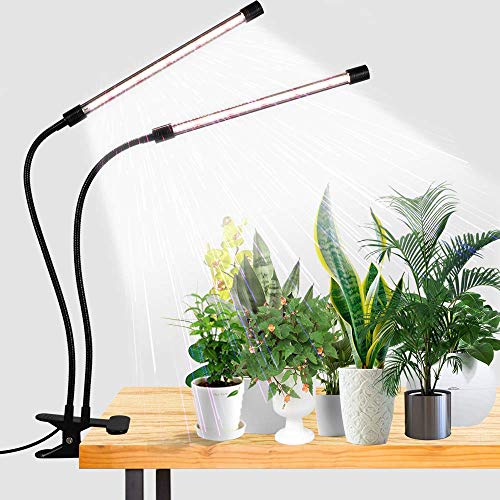
For indoor plants, the best spots are south‑facing or southeast‑facing windows that get long stretches of bright light. If windows are shaded by trees or nearby buildings, adding a full‑spectrum LED grow light hung just above the plant for twelve to fourteen hours a day makes a huge difference.
Outdoors, choose the sunniest corner of the balcony, patio, or garden. In very hot areas, a bit of light shade in late afternoon can help prevent stress while still giving plenty of strong light.
When moving basil from indoors to outdoors, harden it off over seven to ten days:
- Start with a couple of hours in light shade.
- Slowly increase both time outside and direct sun exposure.
- Watch leaves closely and back off if you see scorch marks.
This gradual shift lets the leaves build up protection so they do not burn.
Temperature Requirements And Cold Protection
Basil is a warm‑season herb through and through. It loves hot weather and has almost no tolerance for cold, which is a big reason many people watch their basil plant dying right after the first chilly night of the year.
The table below shows how different temperatures affect basil:
| Temperature | Effect on Basil |
|---|---|
| Below 60°F (15°C) | Growth slows or stops and the plant looks dull |
| Below 50°F (10°C) | Leaves may droop or darken and the plant appears unhappy |
| Below 40°F (4°C) | Damage becomes likely and many plants die |
| Frost at 32°F (0°C) | Kills basil in one night with black, mushy leaves |
Indoors, most homes stay within the safe range, but cold spots still matter. A basil plant pressed right against a window in winter can be exposed to much colder air at night than the rest of the room. Moving the pot a few inches away from the glass in the evening or placing a piece of cardboard between the plant and the window can help. Also watch for air‑conditioning vents, fans, or drafty doors that blow cold air directly on the plant.
Outdoors, timing is everything:
- Do not plant basil into garden beds or leave pots outside overnight until nighttime temperatures stay above 50°F (10°C) consistently.
- In fall, keep an eye on local forecasts so you can bring pots indoors before the first frost.
- For plants in the ground, covering them at night with a frost cloth, old sheet, or overturned bucket traps some warmth and can save them during a short cold snap.
If you move a basil plant from outdoors to indoors when temperatures drop, give it the brightest indoor spot possible and adjust watering needs, since cooler, lower‑light conditions slow growth and reduce how fast the soil dries.
Soil, Containers, And Drainage — Building The Right Foundation
What happens below the soil line is just as important as what you see in the leaves. Even with careful watering habits, basil growing in heavy soil or a pot without drainage will struggle. Many dying basil plants are really victims of dense mixes, tiny supermarket pots, or containers that trap water.
Good soil for basil should hold some moisture yet still feel light and airy. The pot should be large enough for roots to spread and must let extra water escape freely. Getting this foundation right gives the plant strong roots that can handle summer heat and frequent harvests.
Herb growers often say, “Happy roots make happy shoots,” and basil is a perfect example.
Choosing The Right Soil And Pot
Standard garden soil from a yard is usually too heavy for containers and tends to compact over time. Basil grown in that kind of mix often shows stunted growth, pale leaves, and a high risk of root rot because water moves slowly through the pot.
A better choice is a high‑quality all‑purpose potting mix that already contains ingredients such as peat moss or coco coir for moisture plus perlite or coarse sand for air pockets. For extra drainage, mixing in equal parts potting soil, compost, and perlite creates a light, rich blend that basil roots can easily explore. In garden beds, working several inches of compost into the top layer of soil before planting improves structure and nutrient levels at the same time.
The container matters just as much:
- Every basil indoor pots for plants needs true drainage holes in the bottom so water can leave freely after each watering.
- Decorative containers without holes work best as outer covers, with a plain plastic nursery pot nested inside them.
- It is a common myth that adding gravel to the bottom of a pot improves drainage, but in reality, it makes water collect right above the stone layer and keeps roots wet in that zone.
Size also matters if you want a plant that lasts more than a couple of weeks. A single basil plant needs at least a 6–8 inch wide pot, and a 10–12 inch container is even better for a full‑sized plant. Larger volumes of soil dry more slowly and keep the temperature more stable, giving you a bigger buffer against watering mistakes and sudden heat.
How To Save A Supermarket Basil Plant
Those lush, bushy basil pots from the grocery store look ready to garnish pasta for months, yet they often crash within a week at home. The main reason is overcrowding. Dozens of seedlings are packed into one small pot, all fighting for the same small pocket of water, nutrients, and light.
To turn that short‑lived purchase into lasting basil, separate and repot the seedlings as soon as possible:
- Water the original pot lightly so the soil holds together, then gently slide the entire root ball out into your hand. You will probably see a dense mat of roots circling the outside and bottom, which shows how crowded the plant has become.
- Lay the root ball on its side and carefully tease apart small clumps of seedlings with your fingers. Try to give each little plant a share of roots and soil, pulling slowly to avoid tearing everything off. It is normal to break a few fine roots during this process.
- Pick the strongest six to eight seedlings and discard the weakest extras or compost them. Plant each seedling, or pairs of seedlings, into six‑inch pots filled with fresh potting mix, setting them at the same depth they grew before. Gently firm the soil around each plant to eliminate large air gaps.
- Water the new pots well to settle the mix around the roots. For the first two to three days, keep the repotted basil in bright, indirect light rather than harsh midday sun so it can recover from transplant shock. After that, move the pots into full sun and treat them like any other basil plant.
This simple repotting step can turn a fading supermarket basil pot into several healthy plants that provide harvests for many weeks.
Pests And Diseases — Identifying And Treating Biological Threats
Even when conditions seem right, living plants sometimes attract living trouble. Insects that suck sap and fungi that feed on leaves or roots both see basil as an easy meal, especially when the plant is already stressed by poor light, water, or temperature. Catching these problems early stops a minor issue from becoming the next reason a basil plant is dying on the windowsill.
Gardening Elsa favors gentle, plant‑safe methods first, using simple homemade sprays, neem oil, and cultural practices like better airflow and dry leaves. These steps work well for indoor and outdoor basil and fit with organic and sustainable gardening habits.
Common Basil Pests And How To Treat Them
Several small insects may show up on basil, and they tend to hide on tender new growth or the undersides of leaves. A quick check every few days keeps them from getting out of hand.
| Pest | Key Signs | Treatment Approach |
|---|---|---|
| Aphids | Small pear‑shaped insects and sticky honeydew on leaves along with curled or distorted new growth | Spray or wipe leaves with insecticidal soap and rinse after about an hour |
| Spider mites | Fine webbing and many tiny yellow or white speckles on leaves, especially in hot, dry air | Insecticidal soap or neem oil plus higher humidity around the plant |
| Whiteflies | Tiny white insects that fly up when the plant is disturbed and sticky residue on foliage | Yellow sticky traps for adults and insecticidal soap for nymphs |
| Fungus gnats | Small dark flies hovering over potting soil, especially in wet pots | Let top soil dry more and use a BTI drench if larvae are present |
A simple insecticidal soap spray is easy to make at home. Mix one teaspoon of mild liquid soap that does not contain degreasers or bleach into one quart of water and shake gently. Spray this mixture directly on the pests, paying special attention to leaf undersides where insects cluster. After about an hour, rinse the plant with plain water and allow leaves to dry with good airflow.
Neem oil is another helpful organic option. Mixed according to label directions and sprayed on leaves, it both deters new insects from feeding and interferes with the growth of existing ones. Because basil leaves are eaten, always follow product directions carefully and give plants time to dry before harvest.
Preventive habits reduce pest problems dramatically:
- Inspect basil plants closely at least once a week, looking at both the tops and undersides of leaves. Early signs such as a few aphids or a small patch of get rid of spider mites on indoor plants are far easier to handle than a full swarm.
- Space plants so they are not crammed tightly together. Good airflow helps leaves dry after watering and makes it harder for pests to settle in hidden pockets. This matters especially for indoor windowsill gardens where pots tend to be lined up side by side.
- Keep new plants separate from existing ones for a week or two. Many store‑bought herbs and ornamentals come with hidden aphids, mites, or whiteflies that only show up after a few days. A short quarantine period protects the rest of the collection.
Common Basil Diseases And How To Prevent Them
Fungal and water‑mold diseases love the same conditions that basil roots dislike – constant moisture, poor airflow, and damp leaves. Once established, they can move quickly, so prevention and early removal of sick tissue are key.
Downy mildew is the most serious and widespread basil disease at the moment. The first clue is often yellowing leaves that show an angular pattern bounded by veins. When you flip those leaves over, you see a fuzzy gray or purplish coating on the undersides, especially in the morning or during humid weather.
Because this disease spreads in moist air and water droplets, watering at the soil level in the morning and spacing plants widely both help a lot. Remove and discard affected leaves right away, and if the whole plant is covered, it is best to throw it out rather than risk nearby basil.
When buying seeds, look for varieties labeled as resistant to downy mildew if you have had trouble before.
Fusarium wilt is another serious disease, though less common in home containers. It lives in soil and invades the plant’s water transport system, causing sudden wilting, often on just one side of the plant at first.
Stems show dark brown streaks, and if you cut one open, the inner tissue looks discolored. There is no cure once a plant is infected, so clean, sterile potting mix and resistant varieties are the best defense.
Root rot ties directly back to overwatering and poor drainage. A plant with a black, mushy stem at the soil line and wet, sour-smelling soil is almost always suffering from this problem.
Because the organisms involved thrive in waterlogged conditions, careful watering and containers with real drainage holes almost completely prevent it.
Small black or brown spots on leaves can come from fungal or bacterial leaf spots, but they often appear where water droplets sat on the leaf in bright light. Keeping foliage dry, pruning for airflow, and watering in the morning all reduce this type of problem.
Nutrients, Pruning, And Plant Lifecycle — Long‑Term Basil Success
So far, we have covered the big environmental pieces that often explain why a basil plant is dying. Once those are in place, your focus can shift to keeping the plant productive for as long as possible. That is where nutrients, pruning, and an understanding of basil’s natural lifespan come in.
Basil does not need heavy feeding, yet it still requires some nutrients for steady growth. Regular pruning combined with thoughtful harvesting keeps it bushy and delays flowering. Finally, knowing that basil is an annual plant helps set realistic expectations and encourages planting fresh seedlings throughout the season.
Feeding Your Basil — When And How To Fertilize
A basil plant in good soil may grow nicely with very little extra feeding, but potted plants, especially, can run short on nutrients over time. When this happens, leaves send simple signals.
- Nitrogen shortage is the most common nutrient issue. Older, lower leaves turn a uniform pale yellow while newer growth stays somewhat greener. The plant looks thin and small, but the soil is not soggy, and the roots do not smell bad.
- Other nutrients, such as magnesium or iron, can also cause yellowing, often as light‑colored areas between darker veins rather than the whole leaf turning the same shade.
If yellow leaves appear while the soil drains well and your watering is on track, a modest fertilizer program will help. Choose a balanced liquid product with even numbers for nitrogen, phosphorus, and potassium, such as a 10‑10‑10 or 20‑20‑20 formula.
Many gardeners prefer organic options like liquid seaweed or fish emulsion, which support gentle, steady growth. Avoid lawn fertilizers that are very high in nitrogen, because they push soft, weak growth and can dull the flavor of the leaves.
For basil in containers, feed every two to four weeks during spring and summer:
- Always dilute the fertilizer to about half the strength listed on the package.
- Apply it to already moist soil so roots are not burned.
- Water lightly again afterward to wash nutrients into the root zone.
In garden beds that were prepared with plenty of compost, you may not need to fertilize at all unless you see clear deficiency signs. As days shorten and growth slows in fall and winter, stop feeding and let the plant rest.
Pruning, Preventing Bolting, And Harvesting For Longevity
Pruning is one of the most powerful tools for keeping basil healthy and productive. Without regular cuts, most basil plants quickly grow tall, thin, and eager to flower, at which point the leaves become smaller and more bitter.
Use this simple method to prune and harvest at the same time:
- Wait until the plant reaches about six to eight inches tall and has at least three or four sets of true leaves. At this stage, it has enough energy stored to handle a cut and regrow strongly.
- Look for a point on a main stem where a pair of leaves grows opposite each other with tiny new shoots in their base. This point is called a leaf node and is where new branches will form after pruning. You will see two little buds tucked just above the older leaves.
- With clean scissors or your fingers, snip the stem about a quarter of an inch above that node. This removes the top portion of your kitchen and leaves the node intact. In response, the plant sends energy into those two small buds, which soon grow into two new stems.
- Repeat this process across different stems every week or two, always taking the top growth and leaving strong nodes below. You can safely remove up to one-third of the plant in a single harvest as long as you leave plenty of leaves to feed the plant. Over time, this pattern creates a dense, bushy basil plant full of growing tips.
Bolting, which means sending up flower spikes, usually happens when the plant gets older, hotter, or stressed by lack of water. Once flowers form, the plant shifts much of its energy away from leaves and into seed production, and the flavor of the remaining leaves declines.
As soon as you see small clusters of flower buds forming at the top of stems, pinch them off with your fingers. Regular removal of flower buds keeps the focus on leaf growth and extends the harvest window.
Always harvest from the top rather than plucking single leaves from the bottom. This keeps the plant balanced, maintains good shape, and uses each harvest to trigger more branching.
Understanding Basil’s Lifecycle — When To Start Fresh
Even with careful care, basil is not a permanent plant. It is an annual, which means it grows from seed, matures, flowers, sets seed, and then declines, all within about a year. Accepting this natural pattern turns the sight of an aging basil plant from a frustration into a simple cue to start new ones.
Signs that your basil is reaching the end of its life include:
- Woody, brown lower stems.
- Frequent attempts to flower even when buds are pinched.
- Fewer new leaves and slower growth.
- A noticeable change in flavor.
When several of these signs appear together, consider sowing fresh seeds or buying a new young plant.
A good approach is successive planting. Start a new batch of basil seeds every few months, perhaps three or four times through the growing season. That way, there is always a young, vigorous plant coming up as the oldest one begins to fade. A plant that is slowing down is not a failure; it is just an invitation to begin again with fresh energy in the pot.
Conclusion
Watching a basil plant fade is discouraging, especially when it once looked so lush on the windowsill or patio. Yet in most cases, the reasons a basil plant is dying come down to a short list of fixable issues. Too much or too little water, not enough sunlight, temperatures that dip below the plant’s comfort zone, heavy soil in a pot without drainage, sap‑sucking pests, fungal diseases, missing nutrients, and lack of pruning are almost always to blame.
This guide is designed to turn those vague worries into clear, practical steps. Use the diagnostic table near the beginning as your quick reference whenever basil leaves look off, then jump to the matching section to apply the right fix. With a little observation and a few small changes, most basil plants that still have green, firm stems can be brought back to strong growth.
If growing herbs in containers or small spaces is a regular part of home life, explore more guides her in our site that cover indoor herb care, balcony vegetable growing, and earth‑friendly pest control. Every healthy basil plant starts with a little knowledge, and now that knowledge is in your hands.
FAQs
Why Are My Basil Leaves Turning Yellow?
Yellow basil leaves are a signal, not a mystery. First push a finger into the soil to check moisture, because wet soil combined with yellow lower leaves usually points to overwatering or beginning root rot. If the soil is not soggy and older leaves are turning a uniform pale yellow while new growth stays greener, a nutrient shortage such as low nitrogen is more likely. When yellow patches appear with a fuzzy gray‑purple layer on the undersides of the leaves, downy mildew is the main suspect.
Why Is My Basil Wilting Even Though I Just Watered It?
Wilting right after watering often means the roots were already damaged by sitting in wet soil for too long. When roots rot, they cannot move water upward, so the plant wilts even though the pot feels heavy and damp. Check the stem at the soil line, because a dark, soft, or black base points strongly to advanced root rot. Stop watering, improve drainage, and repot into fresh soil if any healthy roots remain.
Can I Revive A Dying Basil Plant?
In many cases, yes, a dying basil plant can bounce back. As long as the main stems are still green and firm when you gently press them, there is living tissue that can respond to better care. Correct the main problem first – whether that is overwatering, lack of light, cold drafts, or poor soil – then trim away dead or badly damaged leaves to reduce stress. Repot crowded roots if needed and give the plant steady warmth and sun so it can rebuild from healthy growth points. Only when stems are entirely black and mushy from rot is the plant beyond rescue.
How Often Should I Water My Basil Plant?
There is no single schedule that works for every basil plant, pot, and home. Use the finger test each time, watering only when the top inch of soil feels dry to the touch and skipping when it still feels damp. Indoors, this often works out to one or two waterings each week, while outdoor container basil in summer heat may need water nearly every day. Consistent checking of soil moisture prevents both overwatering and underwatering far better than any calendar reminder.
Why Does My Supermarket Basil Die So Quickly?
Grocery store basil pots usually contain many crowded seedlings in a small amount of soil, which dries fast and cannot feed all those plants for long. That crowded root mass quickly runs short on water and nutrients, so the whole pot starts to droop and yellow even when watering seems generous. The best fix is to separate the seedlings and move them into larger pots with fresh potting mix as described in the section on saving supermarket basil. With a bit of repotting and better space, that one store purchase can turn into several strong, productive basil plants instead of a short‑lived decoration.

Hello there! I’m Elsa, and gardening is my passion. As an avid gardener, I created GardeningElsa.com to share my knowledge and experience with fellow enthusiasts. My website is a comprehensive resource for gardeners of all levels, offering expert advice on a wide range of topics, including plants, flowers, herbs, and vegetable gardening. Whether you’re a beginner looking to start your first garden or a seasoned pro seeking to expand your knowledge, GardeningElsa.com has something for everyone. Read more about me.