
Cucumbers love warmth, steady moisture and loose, rich soil. A raised bed delivers all three, which is why I think it’s one of the best ways to grow cucumbers at home.
If you want to grow cucumbers in raised beds, you mostly need a good soil mix, a sturdy trellis and a watering routine you can stick to.
In this guide, I’ll walk you through building the soil, picking varieties, timing your planting and spacing your vines. I’ll also cover watering, feeding, pests, diseases and harvest, so you can fill your bed with crisp cucumbers all summer.
Why Raised Beds Suit Cucumbers
Raised beds suit cucumbers because they warm up faster, drain better and give roots loose, fertile soil. Cucumbers are warm-season plants that hate cold, soggy ground, so a bed solves their two biggest early-season problems.
For seed starting, trellising and harvest tips that apply to every bed, see my complete guide to growing cucumbers.
Warmer Soil, Earlier Start
Raised beds warm and drain faster in spring than in-ground soil. That matters, because cucumber seeds need soil of at least 60°F to sprout, and 70°F is better.
Warmer soil means faster germination and fewer seeds rotting in the ground. It also means young plants grow steadily instead of sitting stunted in chilly dirt.
Better Drainage and Fewer Root Problems
Cucumbers want moist soil, but not waterlogged soil. Standing water around the roots invites Phytophthora crown rot and other root troubles.
A raised bed lets extra water drain away quickly. You also control the soil from day one, so you can skip the heavy clay or compacted ground many yards have.
The Gear That Makes It Easier
Two simple products make raised bed cucumbers much easier. The first is cucumber trellis netting, which you stretch between two posts so vines climb up instead of sprawling across the bed.
The second is a soaker hose. Lay it along the base of your plants, and it delivers water right at the soil line, keeping leaves dry and cutting disease risk.
Cucumbers also earn a spot on most lists of easy vegetables for raised beds. They grow fast, produce heavily and fit well with vertical growing.
Building the Right Soil Mix
The right soil mix for cucumbers is quality topsoil or raised bed mix blended with plenty of compost. Aim for loose, well-drained, fertile soil with a pH between 6.0 and 6.8.

What Goes Into a Good Mix
My advice is to keep it simple. Start with a good raised bed mix or screened topsoil as your base, then work in generous amounts of compost.
Compost feeds the soil, holds moisture and keeps the texture crumbly. Cucumbers are hungry plants, so rich soil pays off in steady growth and better yields.

Here’s a simple guide to what each ingredient does:
| Ingredient | Role in the Bed | Notes |
|---|---|---|
| Quality topsoil or bed mix | Main growing base | Avoid heavy clay or fill dirt |
| Compost | Nutrients, moisture, structure | Use plenty; top up each season |
| Aged manure (optional) | Extra organic matter | Must be well composted |
| Balanced fertilizer | Starter nutrition | Mix in at planting |
How Deep Your Bed Should Be
A raised bed for cucumbers is best at 12 inches deep, with 8 inches as a bare minimum. Deeper soil holds more moisture and gives roots room to spread.
If your bed sits on top of native soil, loosen the ground underneath before filling it. Roots can then reach down past the bed for extra water.

Checking and Adjusting pH
Cucumbers grow best in slightly acidic to neutral soil, around pH 6.0 to 6.8. A simple home soil test kit will tell you where you stand.
If your soil is too acidic, garden lime raises the pH. If it’s too alkaline, elemental sulfur lowers it. Make changes slowly and retest before the next season.
Choosing Cucumber Varieties
The best cucumber varieties for raised beds are vining types grown on a trellis or compact bush types for small spaces. Pick based on how you’ll use the fruit: slicing, pickling or seedless.

Slicing vs. Pickling Cucumbers
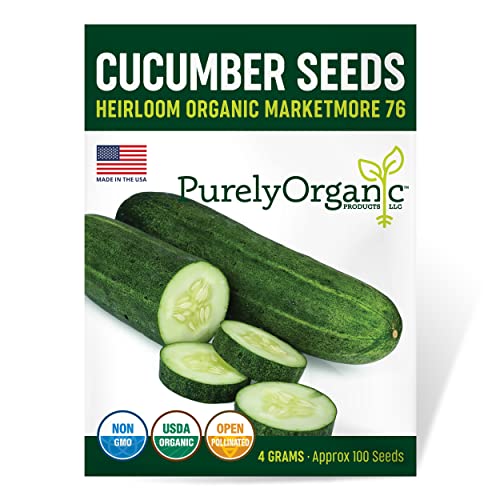
Slicing cucumbers are the classic salad cucumber. They grow long and smooth, and you pick them at 6 to 8 inches.
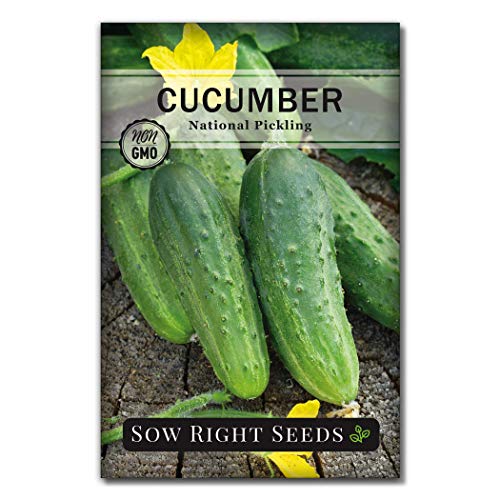
Pickling cucumbers are shorter, with thinner skin and bumpy sides. You pick them small, at 2 to 4 inches, for crunchy pickles. Many picklers taste great fresh too.
Burpless types are worth a look if regular cucumbers disagree with you. They have thin, mild skin and are easier on many people’s stomachs.
Vining vs. Bush Types
Vining cucumbers are the best fit for a trellised raised bed. They climb readily, produce over a long season and use vertical space well.
Bush cucumbers stay compact and need little or no support. They’re great for small beds, bed corners or containers. A bush cucumber in a pot needs at least 5 gallons of soil.
| Type | Growth Habit | Best Use | Pick At |
|---|---|---|---|
| Slicing | Vining or bush | Salads, sandwiches | 6 to 8 inches |
| Pickling | Mostly vining | Pickles, fresh snacking | 2 to 4 inches |
| Burpless | Vining | Mild fresh eating | 6 to 8 inches or longer |
| Parthenocarpic | Vining | Seedless fruit, no pollination needed | Varies by variety |
Disease Resistance and Seedless Options
Look for varieties labeled as resistant to powdery mildew, downy mildew or fusarium wilt. Resistance won’t make plants bulletproof, but it helps a lot in humid summers.
Parthenocarpic cucumbers set fruit without pollination. These seedless types are handy if you see few bees, or if you keep plants covered with insect netting longer.
When to Plant
Plant cucumbers 1 to 2 weeks after your last frost date, once the soil is at least 60°F. Frost kills cucumbers, so there’s no benefit to rushing.
Watch the Soil, Not Just the Calendar
The last frost date is only a starting point. Soil temperature is what really matters for cucumbers.
I recommend a simple soil thermometer. Check it in the morning, about 2 inches deep. When it reads 60°F or higher for several days in a row, you’re ready, and 70°F is even better.
At 70 to 90°F, seeds sprout in about 3 to 10 days. In cooler soil, they come up slowly or rot before they emerge.
Direct Sowing vs. Transplants
Cucumbers dislike root disturbance, so I prefer direct sowing in a raised bed. The warm bed soil helps seeds germinate quickly anyway.
If you want a head start, sow seeds indoors about 3 to 4 weeks before your planting date. Use individual pots and transplant without breaking the root ball. Older, root-bound seedlings often stall after transplanting.
Planting for Sun and Succession
Cucumbers need at least 6 to 8 hours of direct sun, and 8 or more for the best harvest. Before you plant, read up on how much sun cucumbers need and pick your sunniest bed.
Low light leads to leggy, pale vines, fewer female flowers and small or misshapen fruit. It also raises the risk of powdery mildew.
For a longer harvest, sow a second round 3 to 4 weeks after the first. Fresh plants will keep producing when the early vines slow down. Just leave enough time before fall frost, since most cucumbers need about 50 to 70 days to mature.
Spacing, Planting and Trellising
Space trellised cucumbers about 12 inches apart, and put the trellis on the north side of the bed. A 4×8 bed with a trellis along one long side fits about 8 plants.
Spacing in a 4×8 Bed
Here’s the layout I recommend. Run a trellis along one 8-foot side of the bed and plant cucumbers 12 inches apart along its base. That gives you about 8 plants.
The rest of the bed stays open for low crops like lettuce, bush beans or herbs. You get a big cucumber harvest without giving up the whole bed.
If you let cucumbers sprawl instead, they need far more room. Sprawling vines need about 3 feet between plants, with rows 4 to 6 feet apart, which eats up a raised bed fast.
| Growing Method | Plant Spacing | Plants in a 4×8 Bed |
|---|---|---|
| Trellised along one 8-foot side | 12 inches apart | About 8 |
| Sprawling on the ground | About 3 feet apart | 2 to 3 |
| Bush types, no trellis | Follow seed packet | Varies by variety |
If you also want summer squash, keep in mind that squash needs much more space. My guide on planting squash in a raised bed covers how to fit those bigger plants.
How to Plant the Seeds
Sow cucumber seeds 1/2 to 1 inch deep. I like to plant 2 or 3 seeds at each spot, then thin to the strongest seedling once they have their first true leaves.
Snip extra seedlings at the soil line with scissors. Pulling them can disturb the roots of the one you keep.
Water the bed well after sowing and keep the surface evenly moist until seedlings appear. Don’t let the top crust over or dry out.
Setting Up a Trellis
Install your trellis before or right at planting. Adding it later risks damaging roots and tangled vines.
Place it on the north side of the bed so it doesn’t shade your other crops. A 5 to 6 foot trellis works well for most vining cucumbers.
Good trellis options include:
- Cucumber trellis netting stretched between two sturdy posts
- A cattle panel or wire panel arched or set upright
- An A-frame trellis that leans over part of the bed
- A wooden frame with string or twine running vertically
Young vines may need a little help at first. Gently guide the tendrils toward the netting, and they’ll grab on and climb on their own.