19 Easiest Vegetables to Grow in Raised Beds

The first time I built a raised bed, I remember staring at that neat wooden box and wondering what on earth to plant, so I did not fail. I wanted easy wins, not a science project.

Easiest Vegetables to Grow in Raised Beds

That is exactly where the easiest vegetables to grow in raised beds come in. When the choices feel endless, starting with forgiving crops makes the whole experience feel calm and fun.

Raised beds change the game because they give warm, fluffy soil, better drainage, and a defined space to work with. Instead of fighting heavy clay or rocky ground, I can mix the exact soil my vegetables like.

That makes it much simpler to grow strong plants without years of soil fixing. It also means I can pack more food into a small area, which is perfect for patios, townhomes, and small backyards.

In this guide, I walk through fifteen vegetables that I have found to be the most reliable in raised beds, grouped into leafy greens, roots, warm‑season favorites, and easy legumes and herbs. Every recommendation comes from both horticulture training and years of real raised bed experiments here at Gardening Elsa.

By the end, there will be a clear short list of crops to start with, plus simple techniques to get more harvest from every square foot. Growing food in a raised bed is one of the most satisfying things a person can do at home, and this guide is here to make that first step feel very doable.

“To plant a garden is to believe in tomorrow.” — Audrey Hepburn

Key Takeaways

Before diving into the details, it helps to see the big picture of what matters most when choosing the easiest vegetables to grow in raised beds. These points can guide plans for a first bed or help refine one that is already built.

  • Raised beds make gardening easier because the soil warms faster, drains better, and can be mixed to match what vegetables prefer. This gives beginners a forgiving starting point and lets more experienced growers push for higher yields in the same space.
  • Leafy greens, root vegetables, beans, and simple herbs are the fastest path to success in a new bed. These crops grow quickly, handle small mistakes, and give frequent harvests. Early wins build the confidence needed to try fussier plants later.
  • Smart harvesting and layout choices matter as much as the crop list. Methods such as cut‑and‑come‑again picking, vertical supports, and succession sowing keep beds productive all season. Gardening Elsa offers planning help and step‑by‑step guides so these ideas are easy to put into practice.
  • Starting with one or two well‑planned beds rather than a huge garden keeps the work manageable and makes it easier to notice what is thriving, what is struggling, and what to adjust next season.

Why Raised Beds Make Vegetable Growing So Much Easier

When someone asks me why their vegetables did poorly in the ground but thrive in a box, I always start with soil temperature. Raised beds sit above native ground, so the sun warms them weeks earlier in spring. That extra warmth lets me transplant tomatoes and peppers sooner and sow beans without worrying that cold, soggy soil will rot the seeds.

Drainage is the second big advantage. In many yards, rain puddles stay for days. In a raised bed filled with loose soil and compost, extra water moves through instead of drowning the roots. Root crops such as carrots, beets, and onions depend on that balance between moisture and air. Their roots need to breathe just as much as they need to drink.

Control over soil quality might be the biggest mental relief. Instead of battling compacted clay or wondering if the old fill dirt is contaminated, I can start with a clean mix of topsoil, compost, and organic matter. That deep, soft bed is perfect for long roots, dense plantings, and steady feeding through the season. I simply top it up with compost each year rather than starting over.

Raised beds also cut down on weeds. Fresh soil has far fewer weed seeds, and the wooden or metal sides form a barrier against creeping grass. Any weeds that do pop up are easy to spot and pull while standing or sitting on the edge, which makes maintenance far less tiring on the back and knees.

Because plants are so close together, raised beds invite intensive planting. Instead of long rows with wide paths, I can fill almost every inch with vegetables and herbs. That dense planting:

  • Shades the soil and helps hold in moisture
  • Reduces open space where weeds can sprout
  • Produces surprising amounts of food from a small footprint

At Gardening Elsa, I focus heavily on small‑space growing, so raised beds fit perfectly with the way many home gardeners actually live — research on The Best Vegetables to grow in raised beds confirms that intensive layouts in defined spaces consistently outperform traditional row gardening for home growers.

Key Considerations Before You Plant

Before picking specific crops, it helps to make a few decisions on paper. The easiest vegetables to grow in raised beds are the ones that fit both the gardener and the garden, not just the seed catalog.

The first rule I share with students is very simple: grow what everyone at home enjoys eating. A lush bed of kale does not help if no one wants to cook it. Start with the salads, snacks, and sides that appear most often on the table, then leave a little corner for one or two test crops each year.

Next, match plants to the local growing season. Every seed packet lists days to maturity, which need to fit between the average last frost in spring and first frost in fall — and resources like this ranking of Vegetable and Herb Crops by difficulty can help beginners narrow down which plants are most forgiving for their situation.

Raised beds warm earlier, which gives a slight head start, but long‑season crops still need enough frost‑free days. Checking the USDA Plant Hardiness Zone and local frost dates gives a clear planning window.

Sunlight is just as important as frost dates. Fruiting vegetables such as tomatoes, peppers, cucumbers, and zucchini need at least six hours of direct sun to produce well.

Leafy greens, many herbs, and most root crops are happy with four to six hours and sometimes prefer a little afternoon shade. Spending one sunny day watching where shadows fall over the bed can save many struggles later.

It also helps to think about how much time and water are available. If weekends are busy, focus on crops that do not need daily picking, such as kale, chard, bush beans, and herbs. Place beds where a hose can reach easily. A bed that is hard to water is a bed that often gets ignored in hot weather.

Finally, imagine how big each plant will be at full size. That tiny tomato seedling will become a tall, heavy plant that needs a cage or stake. Cucumbers and peas climb, so they benefit from trellises at the back of the bed, leaving space in front for shorter crops.

If layout design feels overwhelming, I built clear planning resources at Gardening Elsa that walk through sample 4×4 and 4×8 bed plans step by step.

For quick planning, think through these questions:

  • What does my household actually enjoy eating?
  • How many frost‑free days do I have?
  • How much sun reaches the bed during peak season?
  • How often can I water and harvest?
  • Where will the tallest plants sit so they do not shade the rest?

The 15 Easiest Vegetables To Grow In Raised Beds

With the basics in place, it is time for the fun part. This list brings together fifteen of the easiest vegetables to grow in raised beds, based on how forgiving they are, how quickly they produce, and how well they handle small mistakes. I have grouped them into leafy greens, root crops, warm‑season fruiting plants, and simple legumes and herbs so it is easy to build a balanced mix for one bed.

Here is a quick overview before we dive into details:

CategoryCropApprox. Days To First HarvestSun NeedsNotes For Beginners
Leafy GreensLettuce30–45Partial to full sunCut‑and‑come‑again, gentle flavor
Leafy GreensArugula20–35Partial to full sunFast, peppery, low‑maintenance
Leafy GreensKale45–60Partial to full sunVery cold‑tolerant, long season
Leafy GreensSwiss chard50–60Partial to full sunDecorative and productive
Leafy GreensSpinach30–45Partial sunLoves cool weather
Root VegetablesRadishes25–35Partial to full sunExtremely fast and satisfying
Root VegetablesCarrots60–80Full sun preferredStraight roots in fluffy soil
Root VegetablesBeets45–60Partial to full sunRoots and greens are both edible
Root VegetablesTurnips35–60Partial to full sunQuick roots plus leafy tops
Root VegetablesOnions90–120+Full sunBest from sets or seedlings
Warm‑Season FruitsTomatoes60–80 from transplantFull sunStar of the summer bed
Warm‑Season FruitsPeppers60–90 from transplantFull sunLikes heat and steady moisture
Warm‑Season FruitsCucumbers50–65Full sunGreat on a trellis
Warm‑Season FruitsZucchini45–60Full sunVery generous producer
Legumes And HerbsBush beans50–60Full sunNo staking needed
Legumes And HerbsChives60+Partial to full sunPerennial, nearly carefree
Legumes And HerbsBasil30–45 from transplantPartial to full sunIdeal companion for tomatoes
Legumes And HerbsParsley70–90Partial to full sunLong‑lasting, cool‑tolerant
Legumes And HerbsSage75+Full sunWoody perennial, great near greens

(Several herbs are grouped together in the last category, but they share similar care.)

Leafy Greens: Fast, Forgiving, And Cut-and-Come-Again

Leafy greens are my favorite starting point for any new raised bed. They grow quickly, do not need deep soil, and let a gardener practice sowing and harvesting many times in a single season. Most are happy with partial sun, which helps in small or shaded yards.

Lettuce is usually the first seed I recommend. Loose‑leaf types are very simple to grow. I sprinkle the tiny seeds across the soil surface, press them in gently, and keep the top inch moist. They sprout in cool weather and need only a few hours of sun.

In about forty‑five days the first leaves are ready to pick. Instead of cutting the whole plant, I pinch off the outer leaves and leave the center to grow. That cut‑and‑come‑again method keeps salads coming for weeks and works beautifully in shallow raised beds or even window boxes.

Arugula is another speedy, forgiving green. It germinates in cool soil and tolerates a surprising range of temperatures, from light frost to mild summer heat. I like to scatter the seeds in a band, then thin lightly if they are crowded. Its peppery flavor develops best when the leaves are picked young, so I snip the outer leaves often.

Many common pests ignore arugula, which makes it a low‑stress crop, especially in the shoulder seasons when other greens may struggle.

Kale brings toughness and nutrition to the bed. Because it is a biennial, it is built to live through two seasons, so it shrugs off chill better than many vegetables. I plant it earlier than my last frost date and often harvest into winter with only a bit of protection. The main pest to watch for is the small green caterpillar of cabbage white butterflies.

When I see those telltale holes, I either hand‑pick the caterpillars or use a light spray of BT, a natural bacteria that targets them. A few plants can keep a household supplied with smoothie greens and cooking leaves for months.

Swiss chard adds both food and color. Its thick stems glow in shades of red, yellow, and pink, and the plant keeps producing new leaves from spring through fall. I usually start with a nursery transplant to save time, then top‑dress with compost once or twice a season.

Like kale, chard can be harvested leaf by leaf. Cutting the outer stalks at the base encourages fresh growth in the center. In a small raised bed, one or two plants along the edge can be both ornamental and very productive.

Spinach rounds out the leafy group. It loves cool weather and rich, moist soil, which raised beds provide easily. I sow it as soon as I can work the soil in late winter or early spring, and again at the end of summer. Because heat makes spinach send up a flower stalk, timing is important.

Picking the outer leaves frequently gives a steady supply until the plant decides its season is over. For gardeners in warmer regions, choosing varieties bred for slower bolting can stretch the harvest window in spring.

Root Vegetables: Where Raised Beds Truly Shine

If someone has struggled with crooked, stubby carrots in the ground, raised beds feel like magic. The deep, fluffy soil lets roots grow straight and smooth, with far less effort, and it is simple to amend just that space with compost.

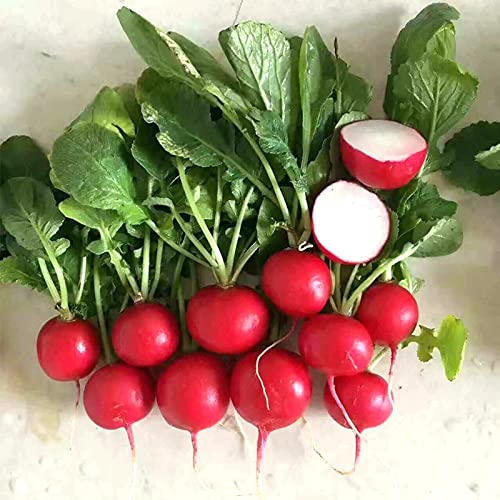
Radishes are the speed champions. They go from seed to harvest in three or four weeks when the weather is cool. I direct‑sow them in rows or between slower crops, keep the soil evenly moist, and thin lightly if needed.

Once their round shoulders peek above the soil, I pull one to check size. Leaving them too long can make them woody, so I prefer frequent small harvests. Their quick turnaround makes them perfect for filling gaps while slower plants, such as carrots or onions, are still sizing up.

Carrots take a bit longer but reward patience. The key is consistent moisture during germination because their seeds sprout slowly. In a raised bed I do not worry about rocks or clods bending the roots. For shallow beds I choose shorter or round types, while deeper beds can handle long, slender varieties.

To see if they are ready, I gently scrape soil away from the top of one root and check its width before pulling more. Mixing a few radish seeds with carrot seed can help mark the row while carrots are still tiny.

Beets and turnips give both roots and greens, which makes them high‑value crops in small spaces. They like the same cool conditions as radishes and carrots, so I often sow them in early spring and again for fall.

Even if I plan to keep the roots growing, I still harvest a few outer leaves for cooking. The raised bed’s even moisture helps keep the roots tender and sweet instead of woody or spicy. Thinning seedlings early gives remaining plants enough room to swell into smooth bulbs.

Onions tie this group together. They dislike compacted ground, so their bulbs swell far better in raised beds. I enrich the soil with compost, then plant sets or seedlings in neat lines. The plants need steady water but will rot if they sit in puddles, which is another reason the improved drainage of a raised bed helps.

When the tops flop over and start to dry, I pull the bulbs and let them cure in a shady, airy place before storing. Green onions can be harvested earlier by snipping some plants while leaving others to form full‑sized bulbs.

Warm-Season Fruiting Vegetables: The Summer Staples

Once the danger of frost has passed and the soil feels warm to the touch, I turn my attention to the summer classics. Raised beds give these warmth‑loving plants a big head start, which can make the difference between a small harvest and baskets of produce.

Tomatoes are often the star of a raised bed. They love the extra warmth and the deep, soft soil. When I transplant seedlings, I remove the lower leaves and bury part of the stem, which encourages more roots and a sturdier plant.

For smaller spaces, determinate or “bush” varieties work well because they stop growing at about three or four feet and set most of their fruit over a short period.

Indeterminate types keep growing and fruiting until frost, so they need tall stakes or strong cages. In beds with less than full sun, cherry or patio varieties usually perform better than big slicers and are more forgiving if watering is not perfect.

Peppers, both sweet and hot, also thrive with the warmer soil of raised beds. In cold ground they often sit still and look unhappy for weeks. In a raised bed they settle in quickly and start growing. I choose faster‑maturing varieties in cooler climates and give each plant enough room for air to move between leaves.

Mulch helps keep the soil evenly moist and prevents big swings in temperature. Harvesting peppers regularly encourages new flowers and a longer picking window, and leaving a few fruits to ripen fully gives rich color and flavor.

Cucumbers appreciate the early warmth and good drainage too. Bush types have short vines that fit nicely near the edge of the bed, where they can spill over the side. Vining sorts love to climb, so I set up a sturdy trellis or cattle panel and train them upward.

Growing cucumbers vertically saves a lot of space, keeps the leaves drier, and makes the hanging fruits very easy to spot. The flowers draw pollinators, which helps the rest of the garden as well. For crisp, non‑bitter cucumbers, steady watering and frequent picking are key.

Zucchini, a classic summer squash, often becomes the most generous plant in the bed. It loves rich, loose soil and regular water. Because the plant can grow wide, I usually tuck it into a corner and guide the main stem to hang over the path. That way it does not shade everything else.

Squash bugs can be a problem, so I often sow radishes nearby. Many gardeners, myself included, have noticed fewer beetles when radishes share the space. Picking zucchini when they are about the length of a hand keeps them tender and encourages more blossoms.

Legumes And Herbs: Prolific, Easy, And Soil-Enriching

Chives basil and sage growing in raised bed corner

To finish the list of the easiest vegetables to grow in raised beds, I like to add legumes and herbs. They round out the harvest, enrich the soil, and make cooking with homegrown food a joy.

Bush beans are simple and generous. The seeds are large, so they are easy to plant at the right spacing by hand. In warm soil they sprout quickly, and the compact plants do not need any support.

Most varieties start producing in about two months. I like to sow a small patch every few weeks so there is a steady supply instead of one huge flush. As legumes, beans work with soil bacteria to add nitrogen to the soil in a natural way, which helps the next crops planted in that spot.

Chives are my top herb for beginners. They are almost impossible to kill once established. I usually start with one small plant from a nursery, set it near the edge of the bed, and watch it return bigger every spring.

The hollow leaves bring a mild onion flavor to dishes, and their scent helps deter aphids around tender greens. Every year or two, I dig up the clump, split it, and replant pieces for more free plants. Their purple pom‑pom flowers in spring are a bonus for bees.

Basil earns an honorable spot because it is so productive in warm weather. It grows well in raised beds or containers, needs only modest sun, and responds kindly to frequent picking. When I harvest, I always cut just above a pair of leaves. That simple cut encourages the plant to branch and double its future growth.

Planting basil at the feet of tomatoes saves space and gives a handy combination for summer meals. Pinching off flower buds as they appear keeps the leaves tender and flavorful.

Parsley and sage also fit beautifully in raised beds. Parsley is a hardy biennial that can live through mild winters and pop back up in spring. Buying a small start avoids its slow germination.

Sage is a woody perennial that handles heat and drought better than many herbs. Its strong scent seems to confuse certain pests, so I often place it near greens as a gentle bodyguard. Together, these herbs keep the bed productive from early spring to late fall and give home cooks fresh flavor right outside the door.

Smart Techniques To Maximize Your Raised Bed Harvest

Choosing the easiest vegetables to grow in raised beds is only half of the story. The way those crops are planted and harvested can double the amount of food that comes out of a small space.

Cut‑and‑come‑again harvesting is one of the best tricks. Instead of pulling a whole lettuce or kale plant, I remove only the oldest outer leaves and leave the growing center intact. This works beautifully for lettuce, kale, Swiss chard, spinach, parsley, and chives. A single square foot planted with greens and harvested this way can make salads for many weeks.

Pruning herbs with intention also boosts yield. For basil and sage, I avoid random snipping. Instead, I cut stems just above a pair of leaves. Each cut encourages the plant to form two new branches, so one harvest leads to more future growth. Regular picking keeps flavors mild and delays flowering, which can make leaves tougher or bitter.

Succession planting keeps beds active from early spring to frost. Fast crops such as radishes, lettuce, and bush beans are ideal for this approach. I sow small patches every two or three weeks so there is always something coming ready.

When a cool‑season crop like peas or spinach finishes in early summer, I clear that space and plant a warm‑season crop in its place. This habit turns a single bed into several mini seasons and makes the most of precious sun.

Intensive and Square Foot style layouts help organize this approach. I often divide a 4×8 bed into one‑foot squares in my mind. One square might hold a tomato cage, four squares could host lettuce, and another square might be filled with sixteen radishes.

Tall or climbing plants go along the back on stakes or trellises, while shorter crops grow in front without being shaded. At Gardening Elsa I share sample diagrams that make this pattern easy to copy or adapt.

To keep raised beds thriving from season to season, I also focus on:

  • Adding compost once or twice a year to feed the soil
  • Using mulch (straw, shredded leaves, or grass clippings) to hold moisture and cool roots
  • Watering deeply but not every day, so roots grow down instead of staying shallow
  • Rotating plant families from one spot to another each year to reduce disease pressure

These small habits, layered together, have a big effect on how much food a raised bed can produce.

Companion Planting And Organic Pest Management

Keeping plants healthy without harsh chemicals is a common goal for raised bed gardeners, and it is very doable with a mix of smart plant pairings and gentle treatments. I prefer to focus on combinations and products that have either research or long, consistent real‑world use behind them.

Some plant partners work particularly well together. Basil and tomatoes are a classic pair, not just in the kitchen but in the garden. Basil tolerates partial shade under tomato foliage and may help confuse some pests.

Radishes grown among squash and cucumbers appear to lower squash beetle pressure in many gardens, including mine. Herbs such as chives and sage, planted near tender greens, add scents that can make it harder for pests to locate their favorite targets.

Marigolds deserve an honest explanation. They are often promoted as cure‑all pest fighters. The research we have does support one narrow use. Certain French marigolds can reduce levels of specific root‑knot nematodes when they are grown as a cover crop and then turned into the soil, with the benefit showing up the following year.

Claims that a few marigold plants scattered around will deter all insects lack strong evidence. Many native flowers do a better job of attracting helpful pollinators and predatory insects.

For direct pest control, I reach first for BT and neem oil, used correctly. BT is a natural soil bacterium that affects only the caterpillar stages of moths and butterflies. When sprayed on leaves and eaten by pests such as cabbage worms or tomato hornworms, it stops their feeding.

It does not harm people, pets, or bees. Neem oil works differently. It interferes with insect hormones so they stop feeding and growing, and it also slows some fungal diseases like powdery mildew. Because it can bother bees when wet, I always spray in the evening.

Physical barriers and good growing habits round out an organic toolbox. Floating row covers or insect netting placed over kale or broccoli at planting time keep butterflies from reaching the leaves to lay eggs. Proper plant spacing and vertical supports improve air flow, which makes fungal problems less likely.

Watering the soil instead of the foliage, and doing it in the morning, helps leaves dry quickly. Healthy, compost‑rich soil grows stronger plants that recover from minor pest damage and resist disease far better than stressed ones.

Common raised bed pests and simple responses include:

  • Aphids: Blast off with water, follow up with insecticidal soap if needed, encourage ladybugs with flowers nearby.
  • Cabbage worms: Use BT on brassica leaves and cover young plants with lightweight fabric.
  • Slugs and snails: Hand‑pick in the evening, remove hiding spots like boards, use iron phosphate baits if needed.
  • Squash bugs: Check undersides of leaves for brown egg clusters and crush them, use row covers early in the season, intercrop with radishes.

As gardeners often say, “Healthy soil grows healthy plants.” A strong plant is the best defense against most pests and diseases.

Conclusion

When I look back at the beds that have given the most food with the least stress, they all have the same pattern. They are filled with the easiest vegetables to grow in raised beds, planted in rich, loose soil, and managed with a few simple habits rather than fancy tricks. Leafy greens, quick roots, generous summer fruiting crops, and steady herbs create a steady stream of harvests for almost the entire growing season.

The beauty of a raised bed is that it works just as well on a sunny townhouse patio as it does in a big backyard. Starting with forgiving crops like lettuce, radishes, bush beans, and chives brings early success, and that confidence makes it much more fun to add tomatoes, peppers, and other favorites. There is no single perfect list, only the crops that fit personal taste, climate, and the amount of sun available.

At Gardening Elsa my goal is to make each step feel clear and doable, from planning a first 4×4 bed to troubleshooting yellow leaves midseason. If this guide sparked ideas, choose one or two vegetables from the list, tuck them into a raised bed, and see how satisfying it feels to harvest dinner right outside the door. That first bite of homegrown food often turns a simple box of soil into a lifelong hobby, one season and one crop at a time.

FAQs

What Is The Easiest Vegetable To Grow In A Raised Bed For Beginners

For brand‑new gardeners, radishes and loose‑leaf lettuce are hard to beat. Radishes grow from seed to harvest in three or four weeks with only watering and thinning. Lettuce seeds simply scatter on the soil surface and need just a few hours of sun. In about forty‑five days the first leaves are ready to pick again and again. For herbs, chives are the easiest long‑term choice, since one plant can come back year after year.

How Deep Should A Raised Bed Be For Growing Vegetables

A bed that is six to eight inches deep handles shallow‑rooted crops such as lettuce, spinach, and many herbs very well. Ten to twelve inches gives enough room for most vegetables, including peppers, tomatoes, beans, cucumbers, and beets. Depths over twelve inches are best for long roots such as deep carrots, parsnips, and daikon. Deeper beds also hold moisture a bit longer in hot weather, which can reduce how often you have to water.

What Vegetables Grow Best Together In A Raised Bed

Some pairs naturally share space well:
* Tomatoes do nicely with basil at their feet, since basil enjoys the light shade under the vines.
* Radishes mingle with cucumbers or squash and seem to cut down on squash beetle problems for many gardeners.
* Lettuce grows happily in the cool shade cast by taller crops like trellised cucumbers.
* Chives or onions near leafy greens add a scent that discourages aphids.

Aim to mix tall, climbing plants, medium‑height crops, and low growers so every level of the raised bed is used without heavy shading.

How Many Vegetables Can I Fit In A 4×8 Raised Bed

A 4×8 bed has thirty‑two square feet, so careful planning makes room for quite a lot. Using a Square Foot style layout, a person might grow:
* Two caged tomatoes
* One trellised cucumber or pole bean section
* Four squares of lettuce
* One square of radishes
* Several squares of bush beans
* Herbs such as chives, basil, and parsley along the edges

Vertical supports make an enormous difference. Gardening Elsa offers sample maps that show many layout options and make spacing feel less mysterious.

When Should I Start Planting Vegetables In A Raised Bed

Cool‑season crops such as lettuce, spinach, peas, radishes, and kale can go into the raised bed as soon as the soil can be worked, often four to six weeks before the last expected frost. Warm‑season crops such as tomatoes, peppers, cucumbers, squash, and beans should wait until after the last frost when the soil feels warm. Because raised beds warm earlier than ground, they often allow planting a little sooner, though checking a simple soil thermometer is the safest guide.

    vegetable garden ideas

    10 Vegetable Garden Layout Ideas