
A window box can do a lot more than look pretty. With the right setup, it can feed you fresh herbs and salad greens and keep flowers blooming from spring to frost, all from a few feet of space outside your window.
In this guide, I’ll walk you through how to create a productive window box from start to finish. You’ll learn how to pick the right box, mount it safely, mix the soil, choose plants for your light, and keep everything growing all season.
What Makes a Window Box Productive?
A productive window box grows food or nonstop flowers in a small space, and it keeps doing so for months instead of weeks.
That comes down to three things: enough soil volume, the right plants for your light, and a steady routine of feeding, watering and replanting.
It Holds Enough Soil and Water
Most window box failures start with a box that’s too small. A shallow, narrow box dries out fast and leaves roots cramped, so plants stall by midsummer.
A bigger box holds more potting mix, and more mix holds more water. That buffer is what keeps herbs and greens growing through hot afternoons.
My advice is to choose a self-watering window box if your spot gets strong summer sun. These boxes have a built-in reservoir under the soil that wicks moisture up to the roots, which helps a lot when the weather heats up.
It’s Matched to Your Light
A productive box is planted for the light it actually gets, not the light you wish it got. Basil in a shady window will sulk, and lettuce in a blazing south-facing spot will bolt fast.
Before you buy a single plant, watch your window for a full day. Count how many hours of direct sun it gets, then plan your plants around that number.
It’s Mounted to Last
A box full of wet soil and plants is heavy. A productive box is one that stays put all season without sagging, tipping or pulling away from the wall.
That’s why I always recommend heavy-duty window box brackets rated well above the weight of a fully watered box. Solid mounting is what lets you plant densely and water deeply without worrying.
It Gets Replanted, Not Just Planted
The most productive boxes never sit empty. When one crop finishes, another goes in.
Quick crops like radishes and baby greens get resown every few weeks. Cool-season plants make way for heat lovers in summer, then come back in fall.
If you have more space to work with, the same ideas apply to a balcony herb garden, where you can combine window boxes with larger pots.

Choosing the Box: Size, Material and Drainage
The best window box is at least 8 inches deep and 8 inches wide, made of a material that suits your climate, and has drainage holes. Length depends on your window, but 24 to 36 inches is the most common range.
Size Matters More Than Style
Depth and width matter more than length. Aim for at least 8 inches deep and 8 inches wide so roots have room and the soil doesn’t dry out in a few hours.
Go bigger if you can. A box that’s 10 inches deep holds noticeably more water than one that’s 6 inches deep, and your plants will show the difference by July.
For length, measure your window and the wall space under it. A box that matches the width of the window frame usually looks best.
Here’s a quick guide to common sizes and what they handle well:
| Box Length | Good For | Typical Planting |
|---|---|---|
| 24 inches | Small windows, herbs | 3 to 4 herbs or 1 row of greens |
| 30 inches | Mixed herbs and flowers | 4 to 5 herbs plus trailing flowers |
| 36 inches | Greens, strawberries, combos | Two rows of lettuce or 5 to 6 strawberries |
| 48 inches or more | Wide windows, railings | Mixed edibles and flowers |
Picking the Right Material
Each material has trade-offs. Your choice depends on weight, looks, and how hot your spot gets.
- Plastic: Light, cheap and holds moisture well. It’s my top pick for most beginners.
- Fiberglass: Light, durable and holds moisture. It often looks like stone or wood but costs more.
- Wood: Looks classic and stays cooler than metal. It needs a liner or rot-resistant wood, or it can rot within a few seasons.
- Metal: Looks sharp, but it heats up in direct sun. Hot metal can cook roots on a sunny wall.
If you love the look of wood or metal, use a plastic liner inside it. You get the style outside and the moisture control inside.
Drainage Is Not Optional
Every window box needs drainage holes. Without them, water pools at the bottom, roots sit in soggy soil, and plants rot.
If a decorative box has no holes, drill several across the bottom before planting. Space them every few inches along the length.
Self-watering boxes are the one twist on this rule. They hold water in a reservoir, but they still have an overflow hole so extra rain can escape.
Mounting It Safely
A window box should be mounted with brackets rated well above the weight of a wet box, fastened into studs or masonry with proper anchors. Check your building, lease or HOA rules before you drill anything.

Know How Heavy It Gets
Wet potting mix is much heavier than dry mix. A long box full of soaked soil and mature plants can weigh far more than you’d guess when it’s empty.
Plan for the wettest, heaviest day of the year, like right after a long summer rain. Your brackets should handle that weight with plenty of margin.
Use the Right Brackets and Anchors
Choose brackets rated well above your box’s full wet weight. Steel brackets are a solid choice for most homes.
How you fasten them matters just as much:
- Wood siding: Find the studs and screw directly into them. Siding alone won’t hold a heavy box.
- Brick or stone: Use masonry anchors made for the weight, drilled into solid brick or stone rather than crumbly mortar where possible.
- Vinyl siding: Use mounting hardware designed for vinyl, and still anchor into the framing behind it.
Leave a small gap between the box and the wall. That airflow helps keep moisture from staining or rotting your siding.
Check the Rules First
Renters and condo owners should check their lease, HOA or building rules before installing anything. Some buildings ban boxes on upper floors or require railing mounts instead of wall mounts.
If wall mounting is off the table, railing planters are a great alternative. You’ll find more options in my roundup of apartment balcony gardening ideas.
Safety tip: if your box hangs above a sidewalk or entry, double-check it every spring. Look for loose screws, rust and cracks before you fill it.
The Right Soil and Feeding Plan
Fill your window box with a quality potting mix that contains slow-release fertilizer, then add liquid feed every 2 weeks during the growing season. Refresh the mix every year.

Use Potting Mix, Not Garden Soil
Garden soil compacts in containers. It drains poorly, gets hard as a brick, and suffocates roots.
A good potting mix stays light and fluffy. It holds water while still letting air reach the roots, which is exactly what a crowded window box needs.
Look for a mix labeled for containers. Skip anything labeled as topsoil or garden soil for this job.
Start With Slow-Release Fertilizer
Plants in a window box are packed in tight, and they burn through nutrients quickly. Every watering also washes some nutrients out the drainage holes.
Mix a slow-release fertilizer into the soil at planting time, or buy a potting mix that already contains it. This gives plants a steady base of food for the first part of the season.

Add Liquid Feed Every 2 Weeks
Slow-release fertilizer is a foundation, not the whole plan. Once plants are growing well, add a liquid fertilizer every 2 weeks.
For leafy greens and herbs, a balanced feed works well. For flowers, strawberries and tomatoes, a formula made for blooms and fruit helps once flowering starts.

Always follow the label rates. More is not better, and too much fertilizer can burn roots and make herbs less flavorful.
Refresh the Mix Each Year
Potting mix breaks down over a season. It shrinks, packs down and loses its structure.
Each spring, replace the mix completely, or at least swap out the top half and mix in fresh material. It’s a small job that makes a big difference.
| Task | When | Why |
|---|---|---|
| Fill with fresh potting mix | Each spring | Restores structure and drainage |
| Add slow-release fertilizer | At planting | Steady base nutrition |
| Liquid feed | Every 2 weeks in season | Replaces nutrients lost to watering |
| Top up mix | Midseason if it sinks | Keeps roots covered |
What to Plant in Sun, Part Sun and Shade
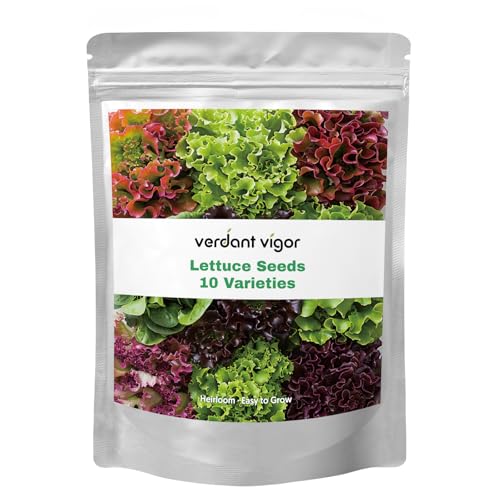
Plant sun lovers like basil, thyme and compact cherry tomatoes in boxes with 6 or more hours of direct sun. Use lettuce, parsley and chives in part sun, and choose mint, impatiens and begonias for shade.
Full Sun (6+ Hours)
A sunny window box is the most versatile. It’s where heat-loving herbs, fruits and summer flowers do their best work.
Great choices for full sun:
- Basil: Pinch the tips often to keep it bushy.
- Thyme, oregano and rosemary: These Mediterranean herbs like the soil a little drier between waterings.
- Compact cherry tomatoes: Choose varieties bred for containers, and grow just one plant